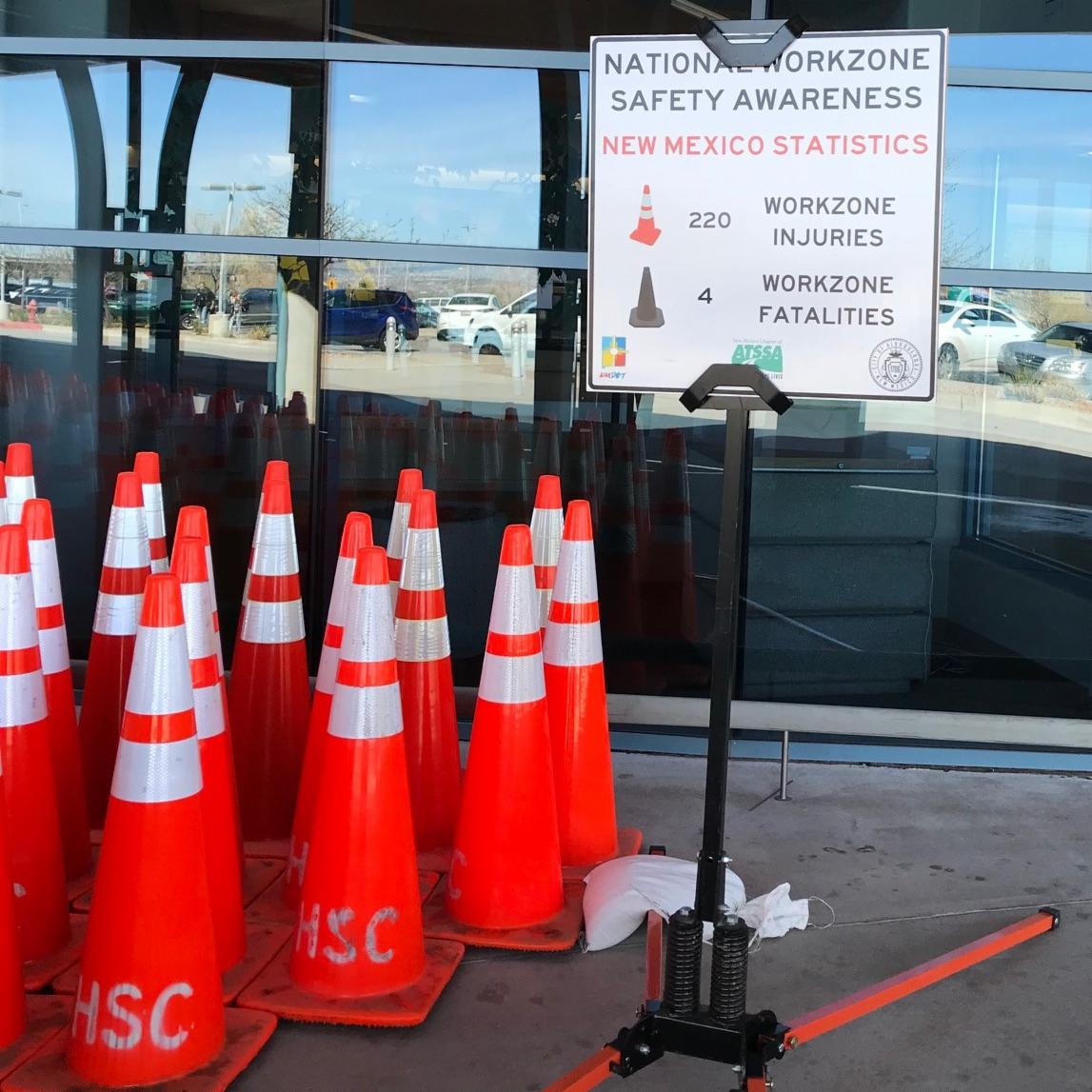
Tomorrow is Go Orange Day! People across the country are encouraged to wear orange to proudly show their support of work zone safety. Are you ready? FHWA Deputy Administrator Brandye Hendrickson is: https://t.co/FZ3tTXl8r2
#Orange4Safety#OrangeForSafety#NWZAW
Today is the beginning of National Work Zone Awareness Week. It's important we all spread the message of #workzone safety and remember to Drive Like You Work Here in #workzones.
Learn more about #NWZAW activities & how to get involved at https://t.co/5Fz5x9KejT. #Orange4Safety
The purpose of the survey is to identify sources of hazards to workers and co-workers. Consideration should be given to the basic hazard categories:
(a) Impact
(b) Penetration
(c) Compression (roll-over)
(d) Chemical
(e) Heat
(f) Harmful dust
(g) Light (optical) radiation
It is important that all PPE be kept clean and properly maintained. Cleaning is particularly important for eye and face protection where dirty or fogged lenses could impair vision. #SafetyFirst
Gloves are often relied upon to prevent cuts, abrasions, burns, and skin contact with chemicals that are capable of causing local or systemic effects following dermal exposure. #SafetyFirst#Non-mandatoryComplianceGuidelines
Safety shoes and boots which meet the ANSI Z41-1991 Standard provide both impact and compression protection. Where necessary, safety shoes can be obtained which provide puncture protection. #SafetyFirst
(2 of 2) grinding machine operators, lathe and milling machine operators, sawyers, welders, laborers, chemical process operators and handlers, and timber cutting and logging workers. #SafetyFirst