There's still time to submit your abstract for an e-presentation at the virtual Patient Safety in Perioperative Practice meeting.
Theme: Patient Safety and/or Quality Improvement.
Entries close on 19 January 2026.
Find out more 👉 https://t.co/rIFSiqxLHY
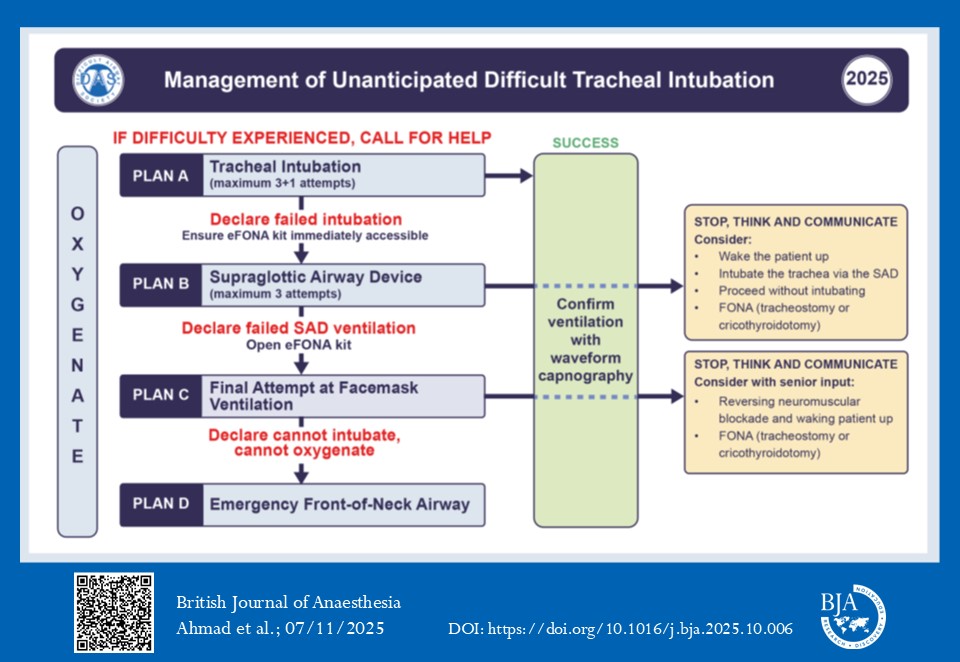
The latest 2025 DAS Guidelines for management of unanticipated difficult intubation in adults.
An extraordinary effort presented today at #WAMM2025 in #Firenze
Brilliant effort by all and will undoubtably save lives.
Bravo from Italy. 👏👏
Celebrating the launch of the 2025 guidelines! @dasairway@BJAJournals@WAMM2025 Access the full paper and associated education package at https://t.co/dUjVDStvKB
@selvan_ramsamy I don’t see ‘an acute angle’
But maybe that’s because of positioning
“Using a VL does not obviate the need for good basic airway care:
-positioning
-preoxygenation
-paralysis
-precision”
Yet…..how many departments are using VL first up, routinely & teaching from the outset?
And despite guidelines or recommendations to use VL
-if you wish to avoid unrecognised oesophageal intubation (when don’t you?)
-in patients with dodgy necks
-in the obese patient
-if you’re in Canada
-in kids
And with evidence VL routinely
-improves FPS
-decreases failure
-reduces trauma
-reduces hypoxaemia
-whether anaesthetist experienced or not
-especially if patient difficult
-reduces force applied
-improves training
& no evidence of increased harm of any sort I can find.
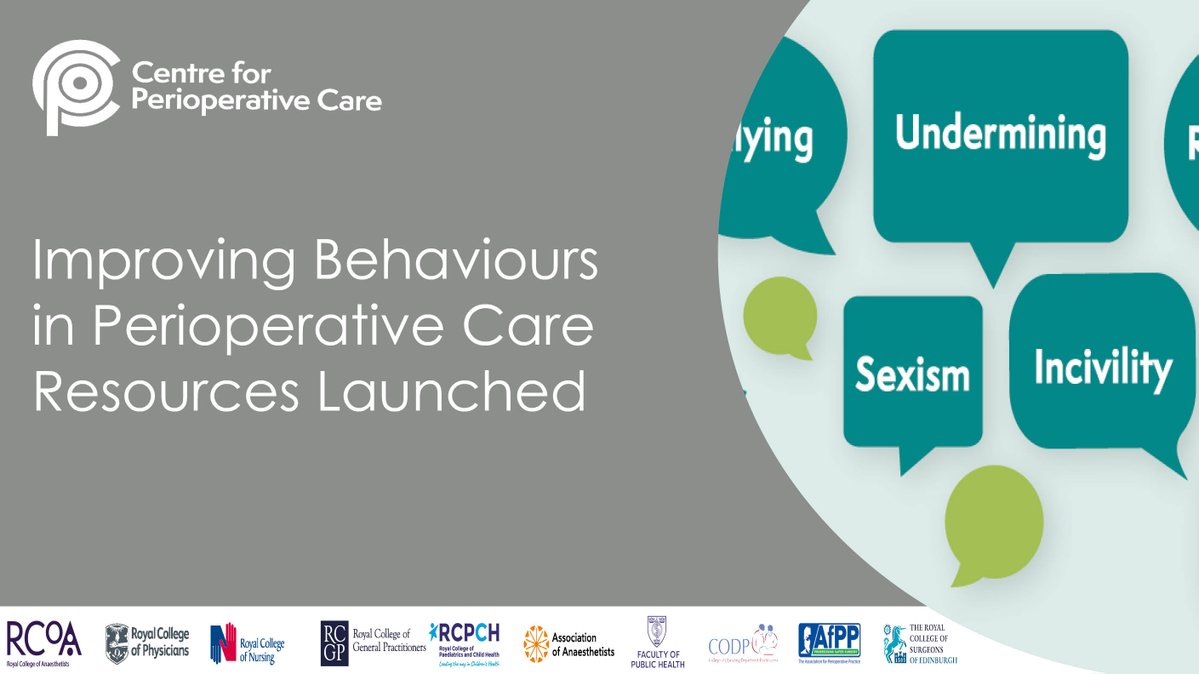
Today we have launched a suite of resources on Improving Behaviours in Perioperative Care.
These key tools aim to improve team culture, wellbeing, and patient outcomes across perioperative care.
➡️Online resources hub
➡️Infographic
➡️Poster
Find out: https://t.co/OwOCBsCCnX
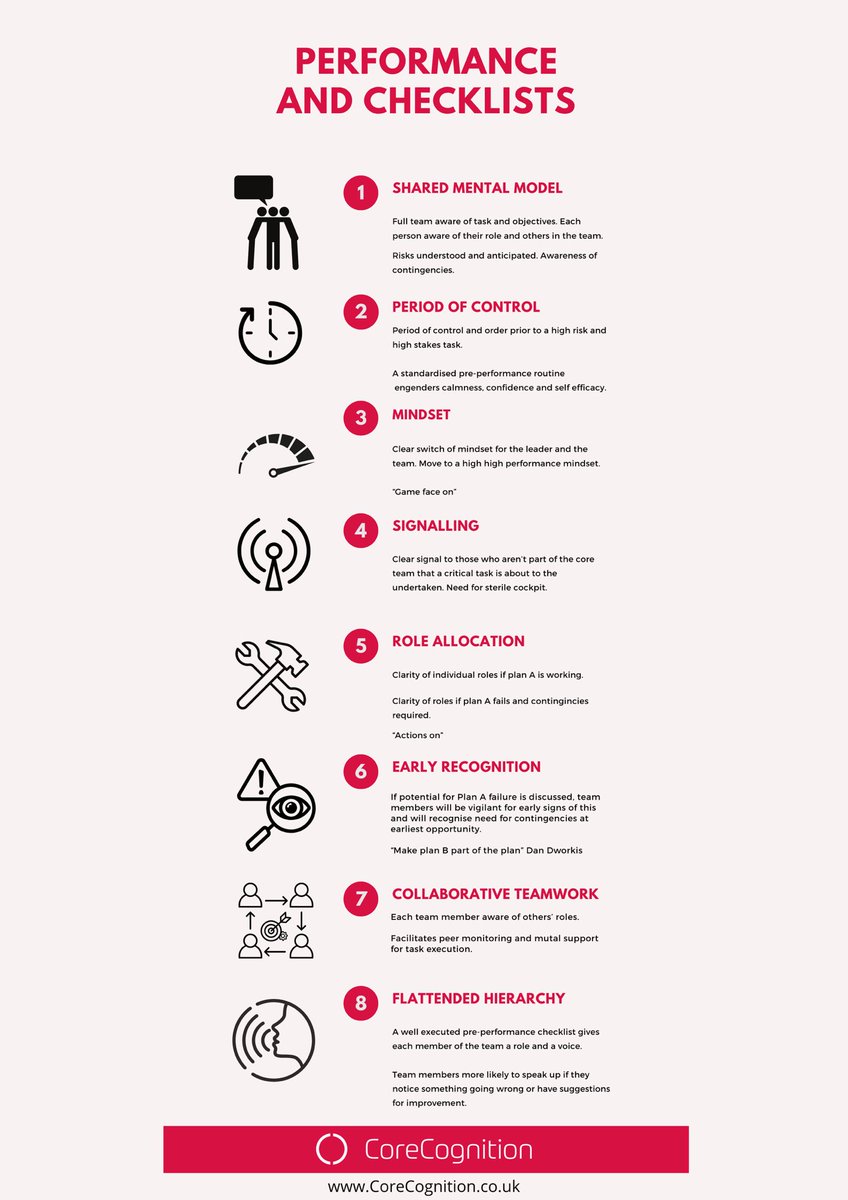
Many see pre-procedural checklists solely as a tool for checking equipment
In EMRS we monitored the heart rate of clinicians during our pre-anaesthetic checklist. 100% of clinicians experienced a fall in heart rate
Here's why....
https://t.co/NTkBbI2OoO
Great to see this published in @Anaes_Journal
TLDR -
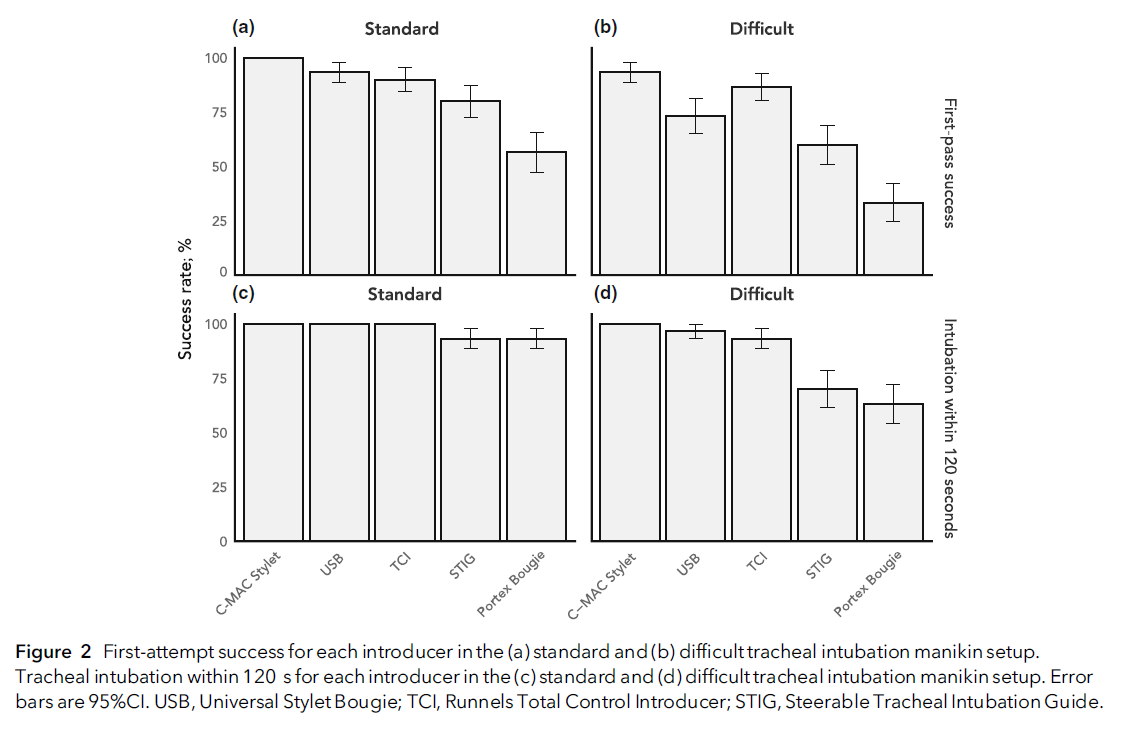
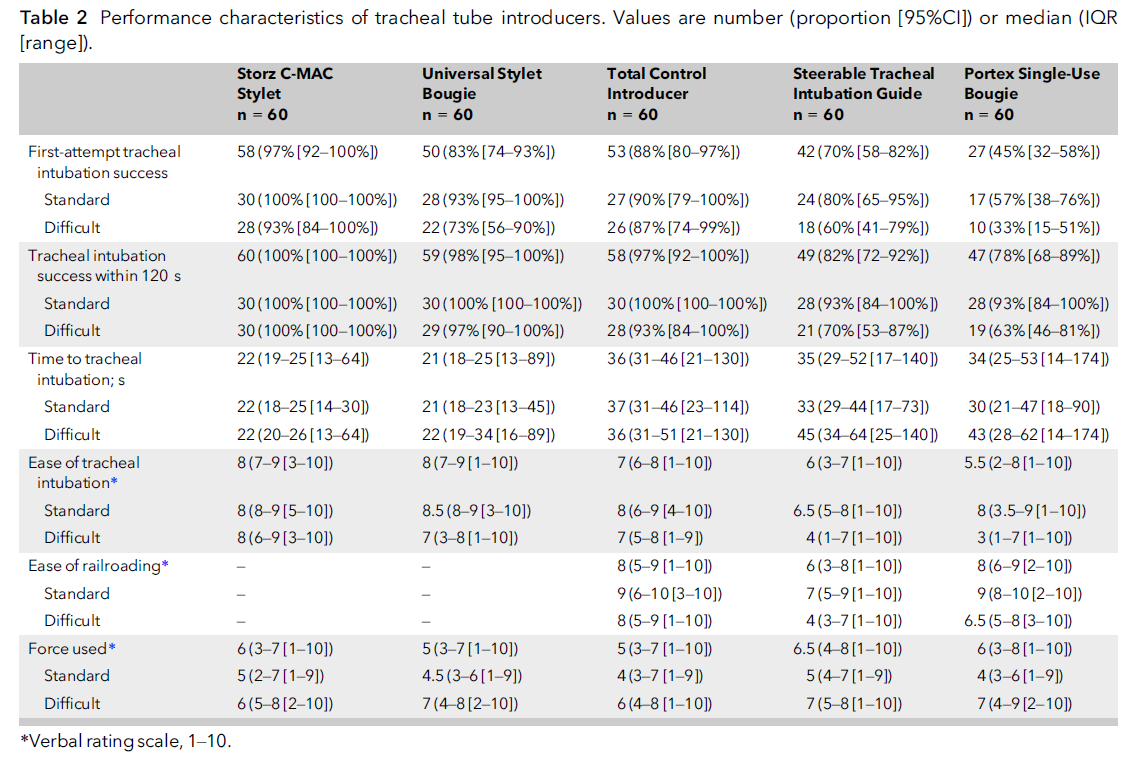
Stylets best for hyperangulated VL intubation
Dynamic bougies next best
Standard bougies worst
Effects more marked when difficulty increases
Manikin studies are often criticised, but may in some cases be the optimal design.
There is a weakness of most clinical studies: even in 'high risk' or 'predicted difficult' cohorts most (>80%) intubations are simple so don't stress test the technique. This creates a false reassurance in results.
We used a specific difficult intubation manikin from @LimbsandThings1
It enabled us to set up a reproducible
- straight forward HAVL intubation
- genuinely difficult one (tricky 2b view)
So we really did stress the technique....
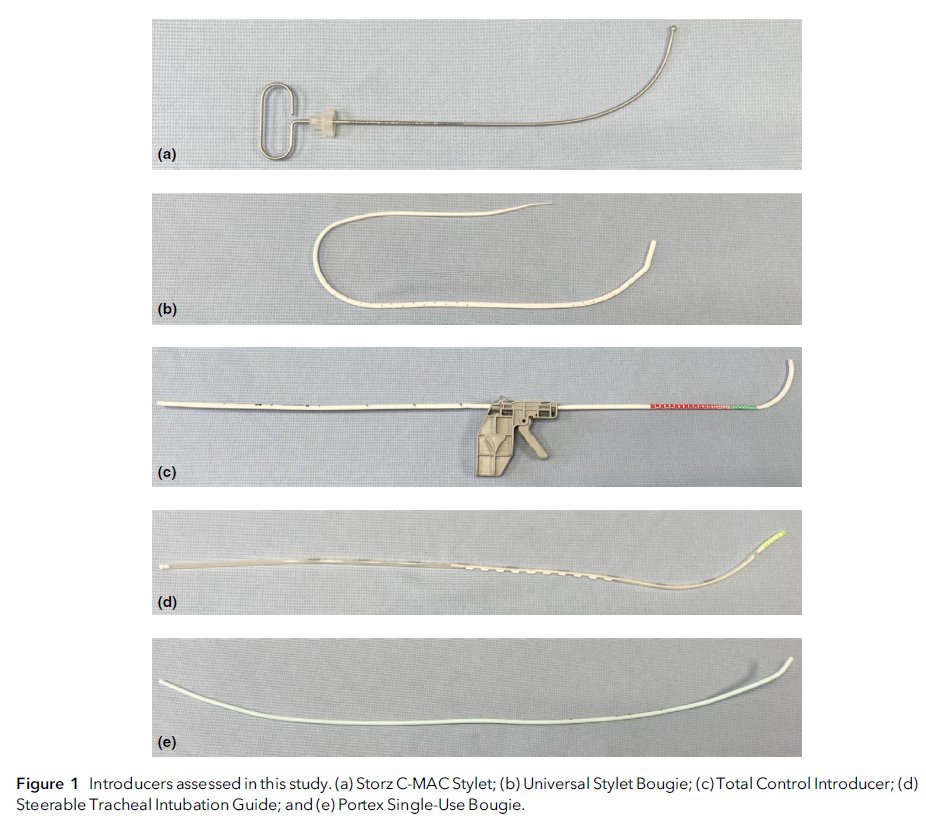
We studied
-Storz C-MAC Stylet (@KARLSTORZUK)
-Universal Stylet Bougie (@intersurgical)
-Total Control Introducer (@RunnelsSean)
-Steerable Tracheal Intubation Guide (@LateralMedical)
-Portex Single-Use Bougie
30 participants (familiar with D-blade use) intubated the manikin with each adjunct (after familiarisation, random order) in the easy and difficult set-up (again randomised)
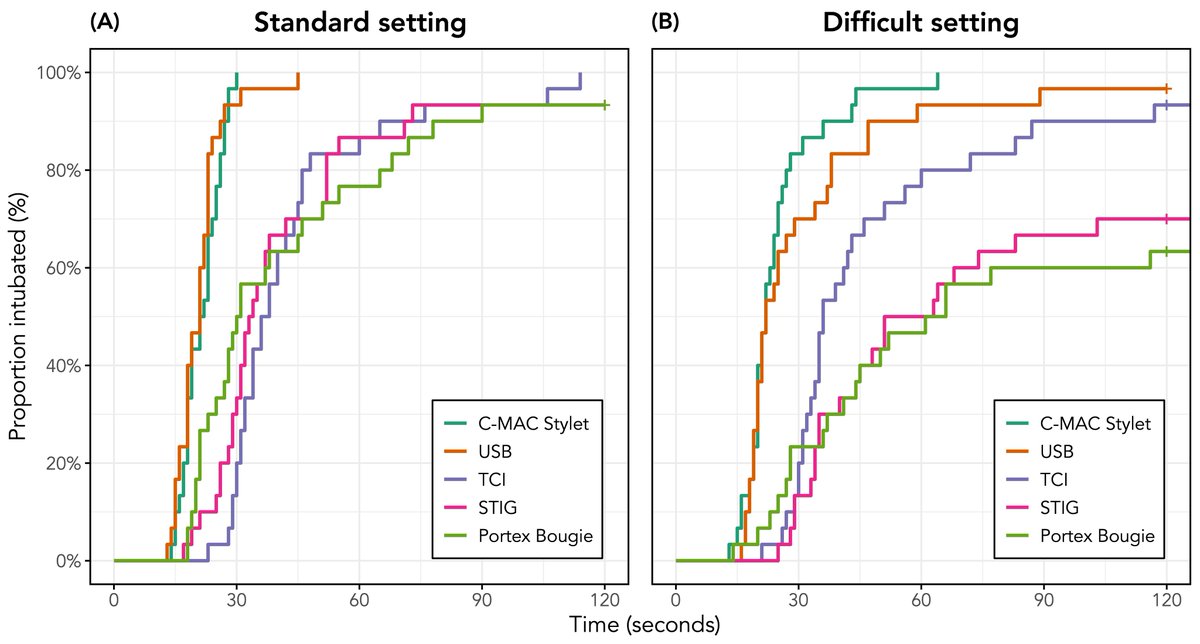
Clear separation of performance
-Stylets best (excellent)
-Dynamic bougies next best (still good)
-Standard bougie worst (poor)
When the chips are down the separation of performance was increased
-stylet FPS close to 100%
-bougie performance close to 35%
Success rate, time, effort, VRS scores all support these findings.
Don't get fooled into thinking bougies work well with HAVL by studies that don't stress test the technique.
Don't get stuck with the wrong tool!
Well done to all the staff at @RUHAnaesthesia who did the study or participated & @VirtueOfNothing
https://t.co/DyNSklnkCQ
In #HealthInformationWeek discover our toolkit which helps patients manage preoperative anxiety.
Produced with @BSCAH1, our 'managing anxiety before surgery' resources include practical advice, relaxation and visualisation exercises.
#HIW2025
🎧 https://t.co/aP7XpZo1Dg
Videolaryngoscope in paediatrics @nicoladisma editorial @BJAJournals
✅ 1st choice- neonatal/infant intubation
✅ considered as 1st choice - difficult intubation +/- with other techniques
✅ technique of choice for safely teaching tracheal intubation
https://t.co/TY3XyjRcvZ
Join us for our next DAS webinar on 4th February 2025! We have a fantastic panel line up and look forward to a brilliant Q&A!
@elboghdadly@ProfEllenO@MaryPMadden@ketandhatariya@Admckdoc
Click to register for FREE or become a DAS member today 👉 https://t.co/3uJ8y0YaXZ
Join us for the 2025 Patient Safety in Perioperative Practice event 13 March
A joint event with @RCoANews to discuss patient safety, including the barriers to delivering safe perioperative care and strategies on how to overcome them
Book your space here https://t.co/nvbqgWR7hy
Human beings under stress are prone to ‘mind lock’ & cognitive bias
Senior colleagues arriving to help tend to follow the primary caregiver down the wrong +/- fatal path
Wise words from @PeterHamby @chrisfrerk @ClinicalHF
https://t.co/0ye1Lbzpjr
The SALG Patient Safety Update, covering cases reported between 1 October 2023 and 31 March 2024 has now been published.
Available for download from the SALG website: https://t.co/9cCnOfhhLN
#salgpatientsafety@Assoc_Anaes
There is a shortage of 1,900 anaesthetists in the UK. An increase in anaesthetic specialty training places is urgently needed to reduce patient waiting times.
We’ve emailed our members with an update on our advocacy work. Also available on our website: https://t.co/vAvh9fJv0u