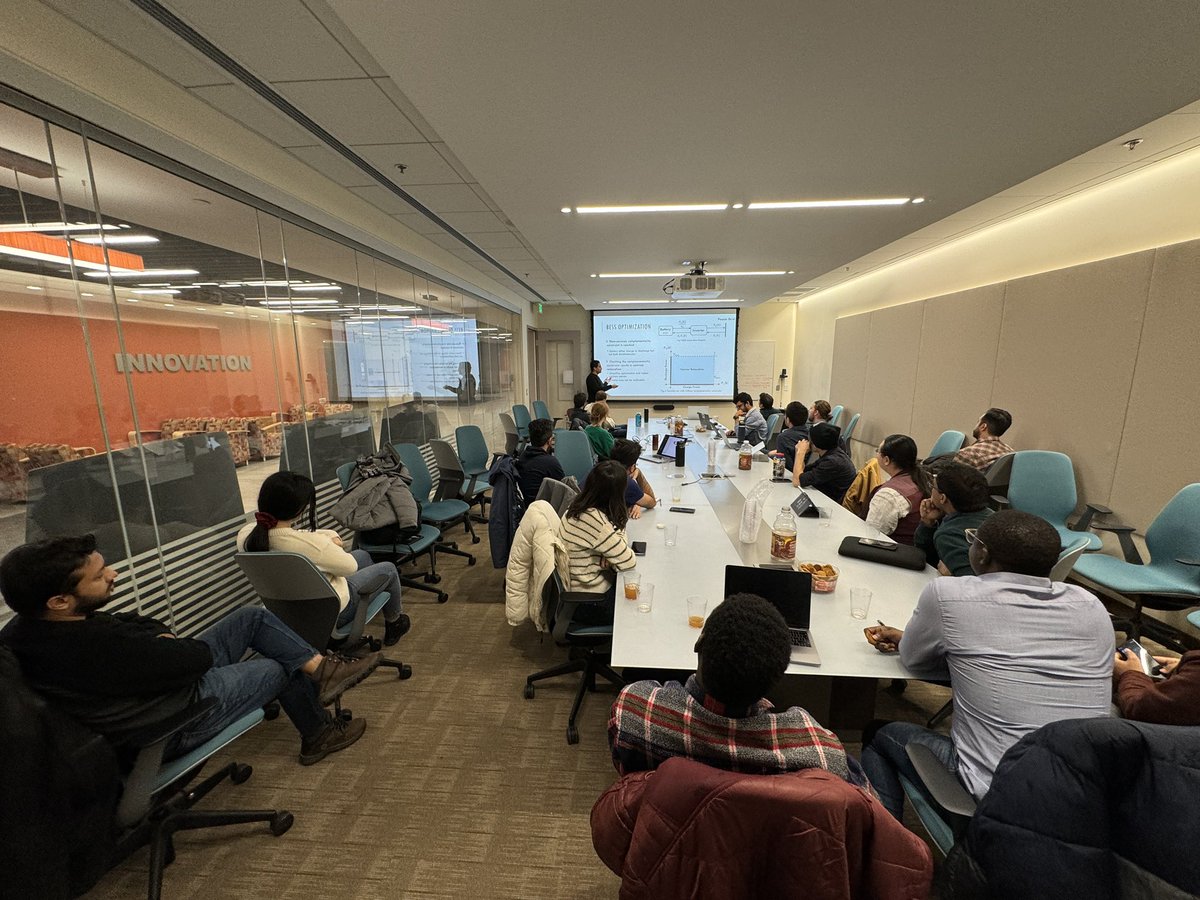
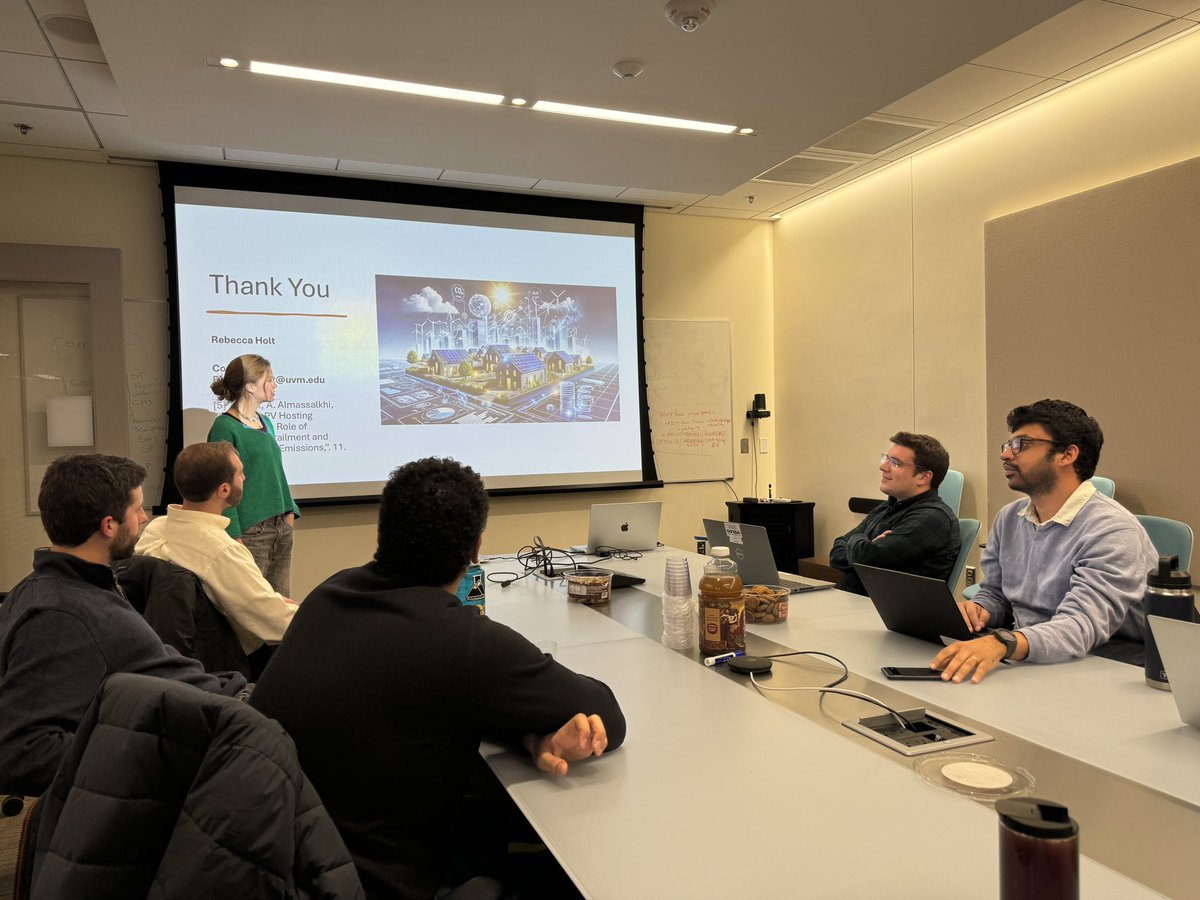
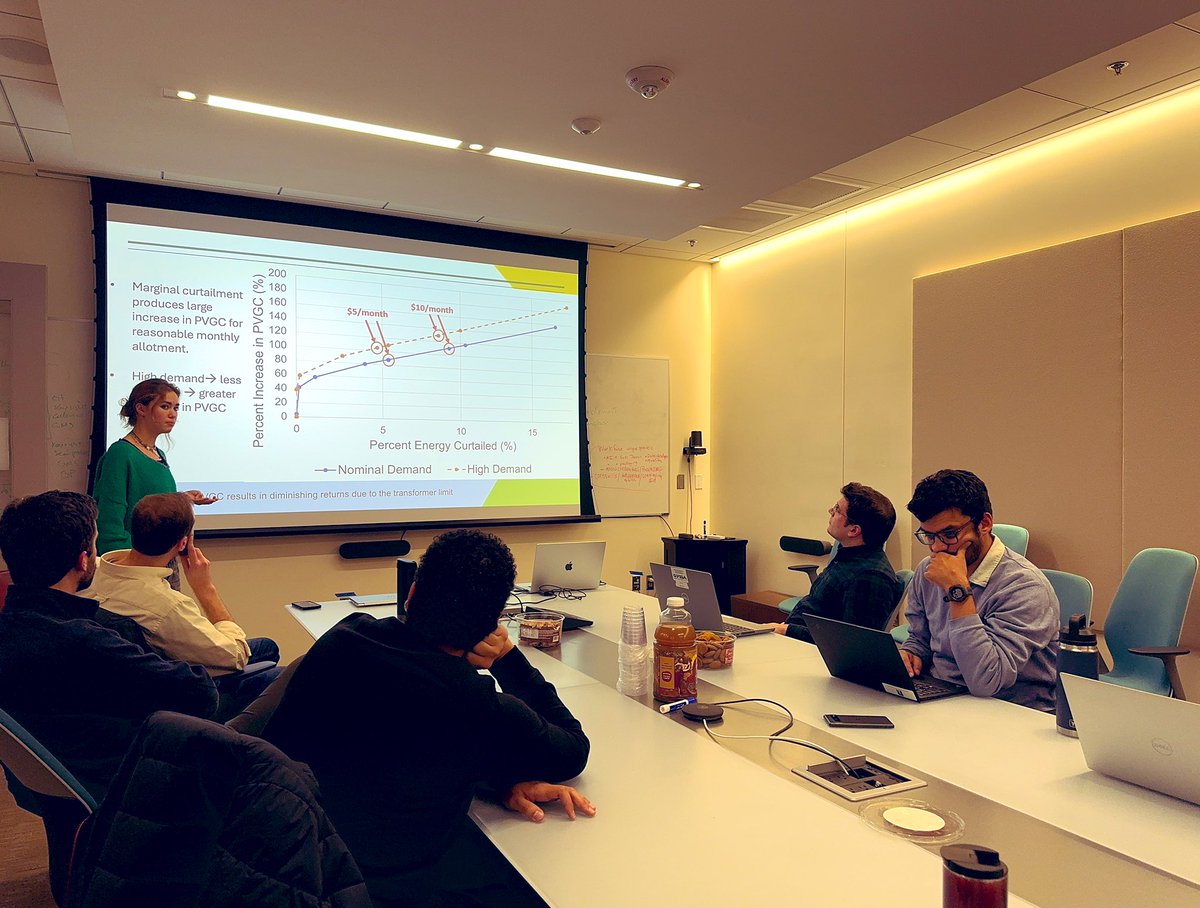
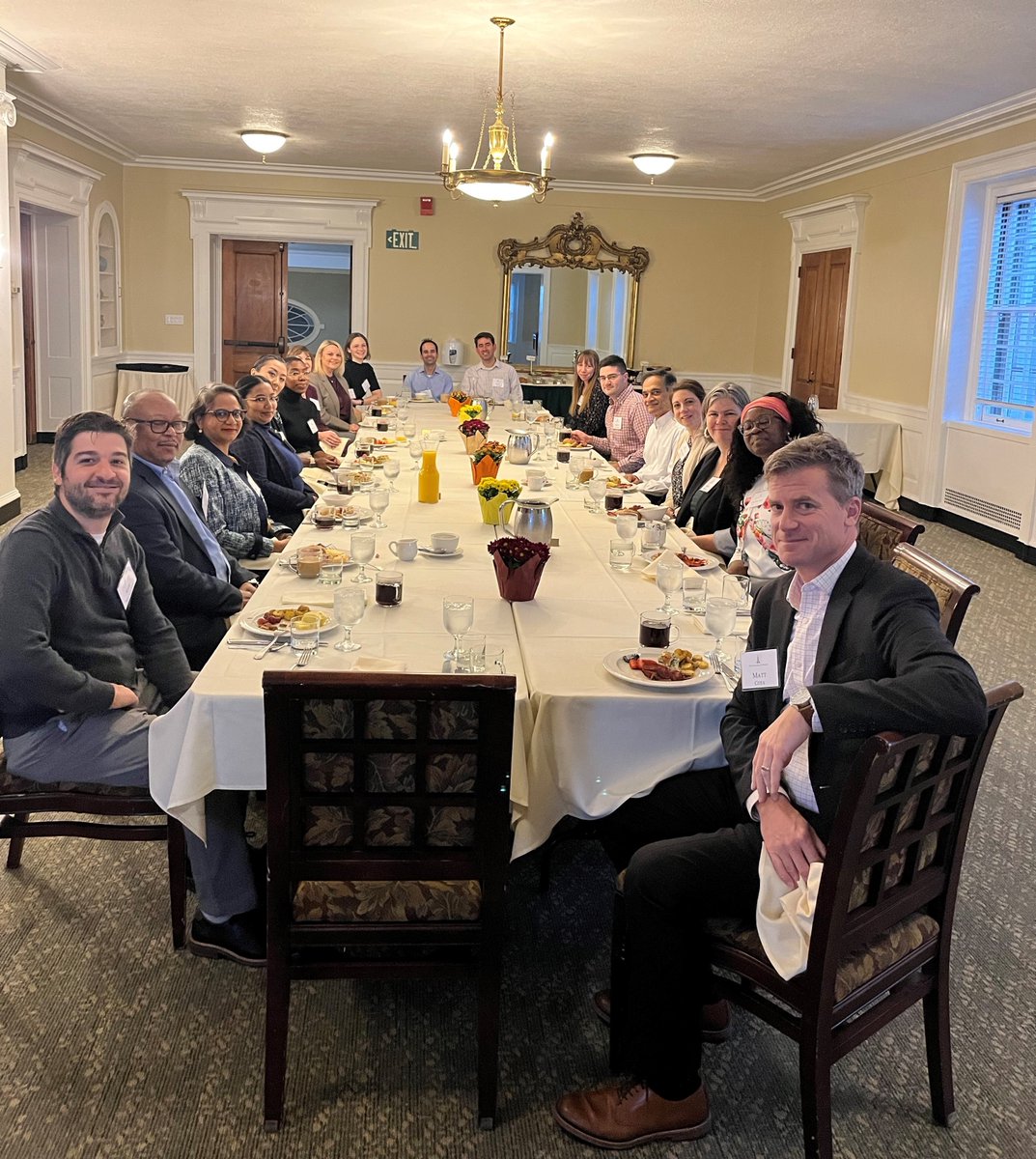
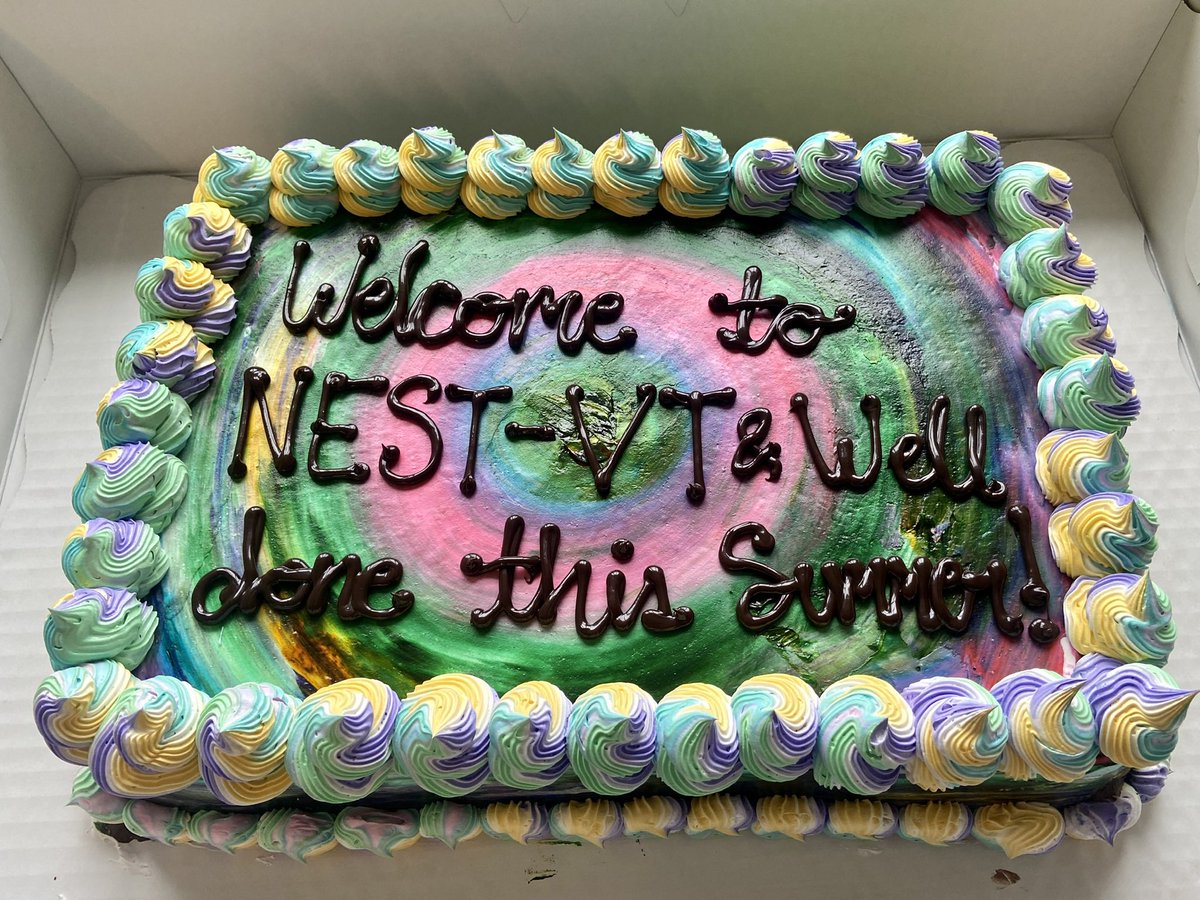
Such a fun team NEST-VT meeting today! Thanks to Rebecca (PESGM), Mazen (IEEECDC), and Dakota (PESGM) for presenting their new works on PV curtailment, battery opti, and energysheds. Great to have visitors from @BurlingtonElec (Freddie), @VelcoVT (Dan) , and @vermontpublic (Lou).
Enjoyed learning about the rich backgrounds and great work being done by @uvmvermont colleagues from across disciplines at one of my regular faculty breakfasts.
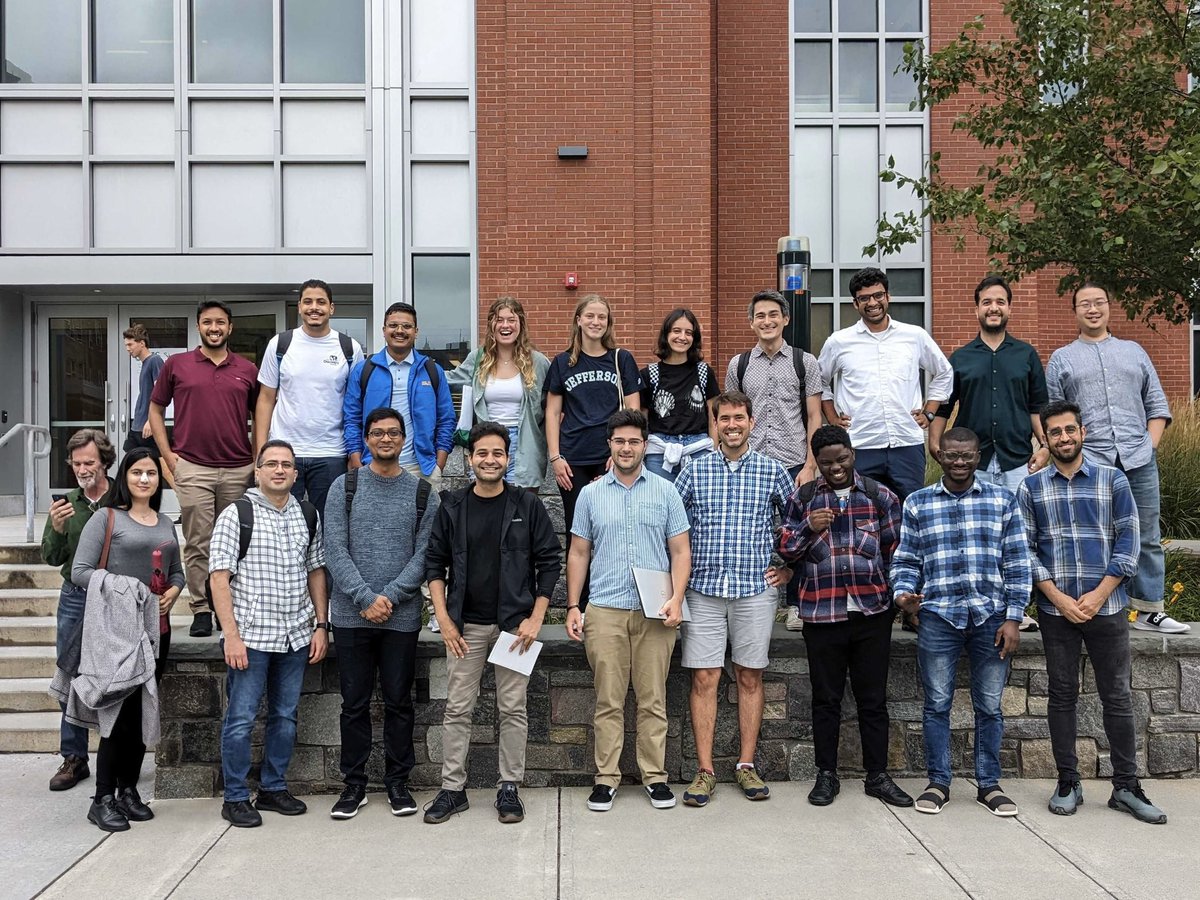
Introducing NEST-VT: Next-gen Energy Systems Team of Vermont. Great group of students, postdocs, and faculty working rigorously on practically relevant problems
Excited to work with new colleagues @SamCChevalier and @AMP_andey to scale up the impact of our power/energy research.
@netcapgirl@kyrib, sorry, but it’s time to rewrite your DCOPF feasibility paper for truly lossless AC networks 🤷 I’m sure the editors will understand!!
🚨Join us! @SamCChevalier, @AMP_andey, and I are recruiting a post-doc for a new 3-year DOE Energyshed project at the intersection of T&D optimization, DER control, electrification, and energy policy. Exp. start: June/July 2023.
Description is available: https://t.co/quElulerZn
13 teams from 11 states will compete in the Grid Optimization (GO) Competition Challenge 3.
This challenge aims to develop software management solutions to address challenging power grid problems.
Read more in the press release: https://t.co/a9PUUPxA2e
@PMoutis@Nuclearjunkie Imagine local electricity costs become a new criteria for choosing where to buy a house: gotta check the schools, HOA fee, property taxes, historical d-LMPS..😎😅
V sad to see the CAISO battery fleet discharging during peak solar production because price is above cap. The fossil fleet has more juice and when the sun goes down the batteries will be dead
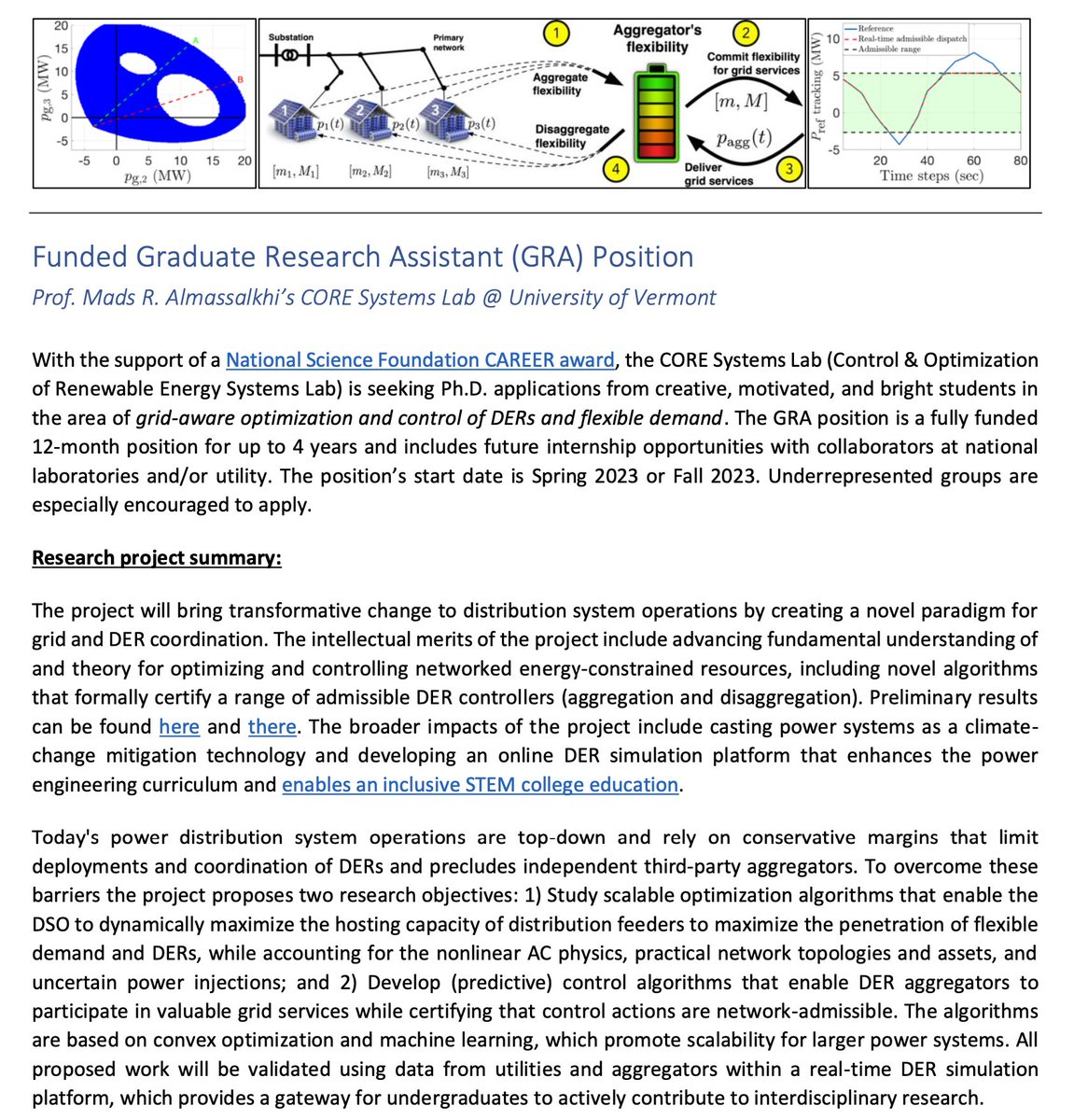
The CORE Systems Lab at UVM (https://t.co/fCPPg468B7) is very excited to be recruiting multiple creative+hard-working PhD students to do R&D at the intersection of optimization and control in power/energy systems.
See attached description for one GRA. Other opportunities too.
@kyrib Here’s a (bad?) idea:
1. DCOPF
2. ACPF
3. Identify inequality violations
4. Use @priyald17’s cool DC3 (https://t.co/zXsHV8ykMf) to iteratively push PV setpoints in directions which lower violations, but “along the manifold of points satisfying [ACPF] equality constraints.”