Ramen Pick #003 🍜
Oyadori Chuka Soba Ayagawa
Ebisu, Tokyo
Order: Ajitama Chuka Soba (medium-thick noodles)
The broth is rich with the flavor of Japanese jidori chicken. The handmade curly noodles are satisfyingly chewy—more for chewing than slurping. The mature chicken chashu gets more flavorful with every bite. Bolder than it looks—get the rice.
Beauty magazines come with cosmetics. Cooking magazines, insulated bags. Men’s fashion magazines, sunglasses. Children’s magazines, toys.
They know just how to tempt you.
The whole idea took off in Japan about 20 years ago.
In a country where trends come and go so quickly, it’s still going strong.
With everything going digital, I love that this is on paper.
It holds more than facts. It holds the moment you learned something, and the moment you wrote it down.
Ramen Pick #004 🍜
Hachan Ramen
Daimon, Tokyo
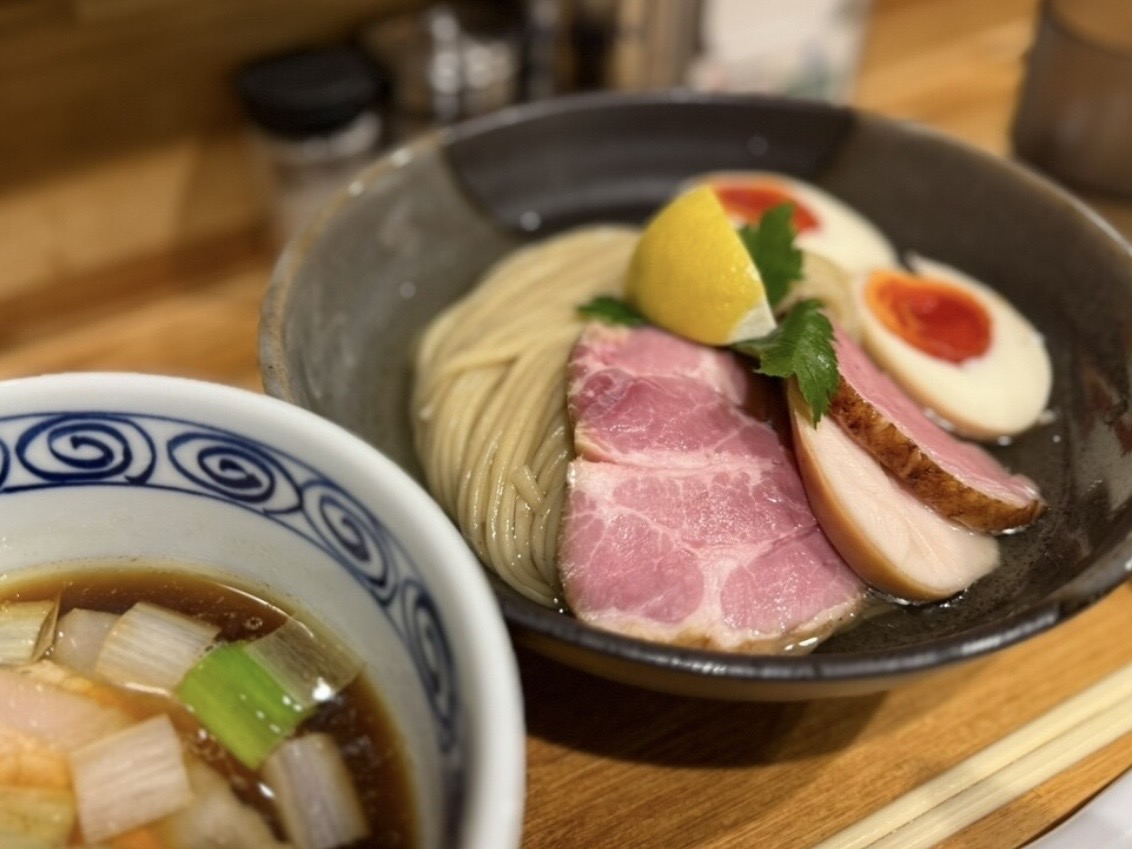
Order: Special kombu-water tsukemen (soy sauce)
Kombu-water tsukemen has become increasingly common in recent years, but this is still one of the best I’ve had.
The noodles come in slightly thick, umami-rich kombu water, with a separate broth for dipping.
The elegant soy sauce dipping broth is fragrant with duck and rich in umami, paired with springy, medium-thick straight noodles.
Starting with the noodles on their own, then playing around with salt, lemon, and shichimi—that’s part of the fun.
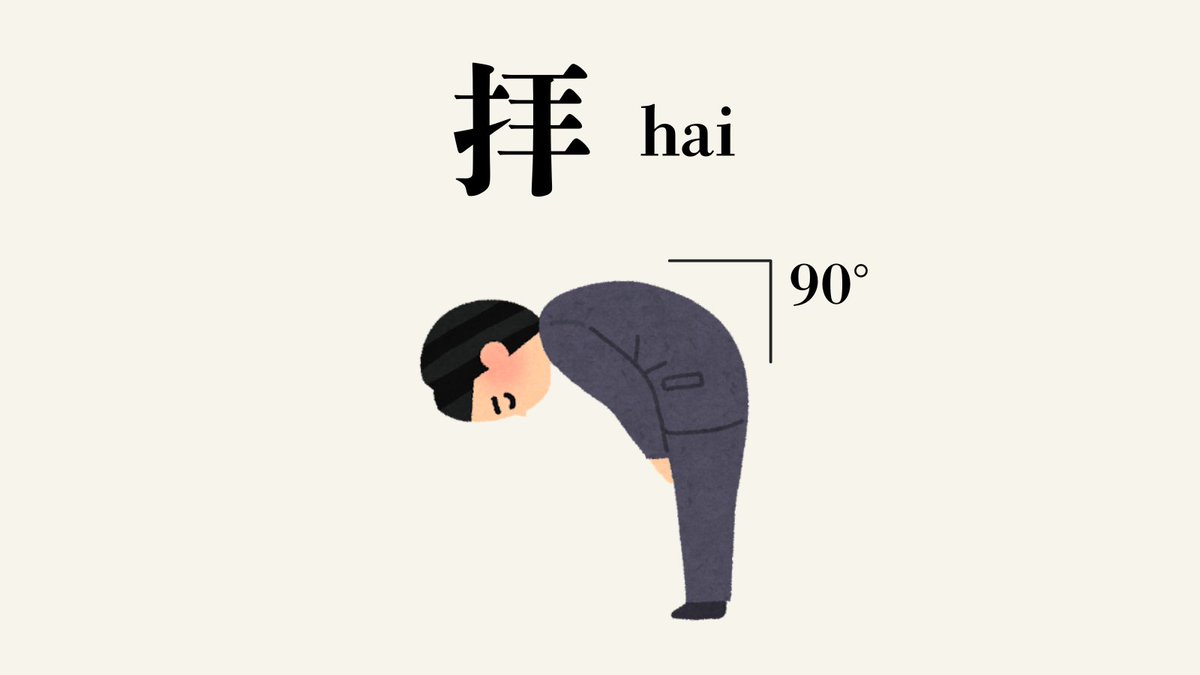
At many Shinto shrines in Japan, the standard sequence is:
“two bows, two claps, then one more bow.”
But in Japanese, this sequence is written in two different ways:
“二拝 二拍手 一拝”
or
“二礼 二拍手 一礼”
Why the different kanji?
A hai (拝) is the deepest kind of bow: 90 degrees from the waist. Rei (礼) is a broader word that can also refer to bowing. At a shrine, the bow itself is supposed to be a hai (拝). But rei (礼) is more familiar, so perhaps it’s used to make the instructions easier to understand.
I used to bow about 45 degrees. Now that I know, I do the full 90. My stiff hamstrings complain every time.
Unfortunately, I don’t see many people doing a full hai (拝), either. Maybe making the wording easier made the most important part harder to see 😢
I forget the plots of books, the characters’ names, even why a book moved me so much.
I remember almost nothing from when I was very young, either. Family trips, things I saw, words I heard. But those experiences must have helped shape who I am. Even if I don’t remember them.
Reading feels much the same. I read and forget, but book by book, it all becomes part of me without me even realizing it.
To me, that’s what reading is. 📚
For anyone traveling in Japan: FamilyMart’s socks for all 47 prefectures went on sale yesterday. Each design is inspired by a flower representing the region and sold only there. Tokyo gets Somei Yoshino cherry blossoms 🌸 I want all 47 😍
https://t.co/KAyYaxHXtY
Why are English-language paperbacks so big?
Same novel, side by side. The smaller one is a Japanese bunko edition: a compact paperback format, usually A6 (105 × 148 mm).
The English edition is obviously huge. Do books follow the same rule as McDonald’s fries—the bigger, the better?
Small, portable paperbacks like Japanese bunko editions seem much less common elsewhere. Or is that just my impression?
@Dr_TheHistories The Spider Family of Mt. Natagumo appears in one of Demon Slayer’s most memorable arcs. Several of their traits bring to mind the Jorogumo and other Japanese spider legends. I wonder if those legends helped inspire them.
@TeteEau A University of Tokyo professor once said: Hesitating because you may not finish a book is already a major loss. If you don’t buy it, reading it is no longer an option—and you may never see it again. So buy it anyway. Once it’s yours, you can read it anytime. “Books don’t spoil.”
Ramen Pick #003 🍜
Menya Sign
Gotanda, Tokyo
Order: special shio ramen with extra noodles
The clear salt broth is full of flavor from chicken and shellfish. The chicken chashu is moist and tender, while the pork chashu has a rich, meaty flavor. The thin, slightly firm straight noodles have a soba-like bite and pair perfectly with the broth.
I can happily eat this even after a few drinks.
Vermeer’s The Astronomer and The Geographer feature blue Japanese-style gowns. They traveled from Edo-era Japan to the Netherlands and became status symbols for Dutch elites.
As a Japanese person, all I see is hanten—warm jackets worn at home, often by grandparents and kids🫣