🎮 #AEON MiniApp Game League #1 is LIVE!
4 weeks. 4 games. $100 $AEON up for grabs every week. 🏆
Think you’ve got what it takes to top the leaderboard? 👀
🏀 WEEK 1: HOOP SHOT
📅 Aug 31 – Sep 6
Jump into the game directly through Telegram, rack up your highest score, and battle your way to the top! 🔥
🏆 Top 10 Players Share $100 $AEON
🥇 1st — $30
🥈 2nd — $20
🥉 3rd — $15
4️⃣–🔟 — $5 each
🎯 Game: Hoop Shot
🎮 Play here: https://t.co/ZmvkayhfL5
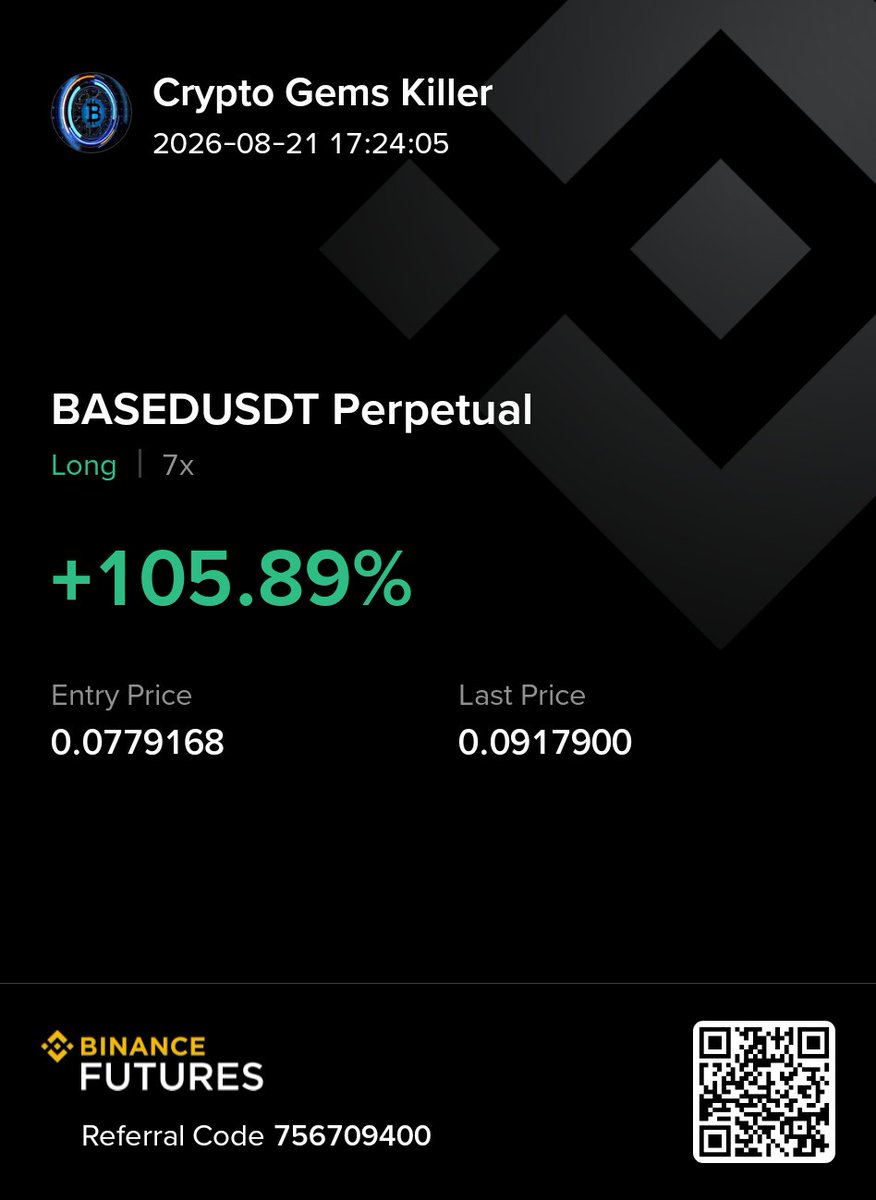
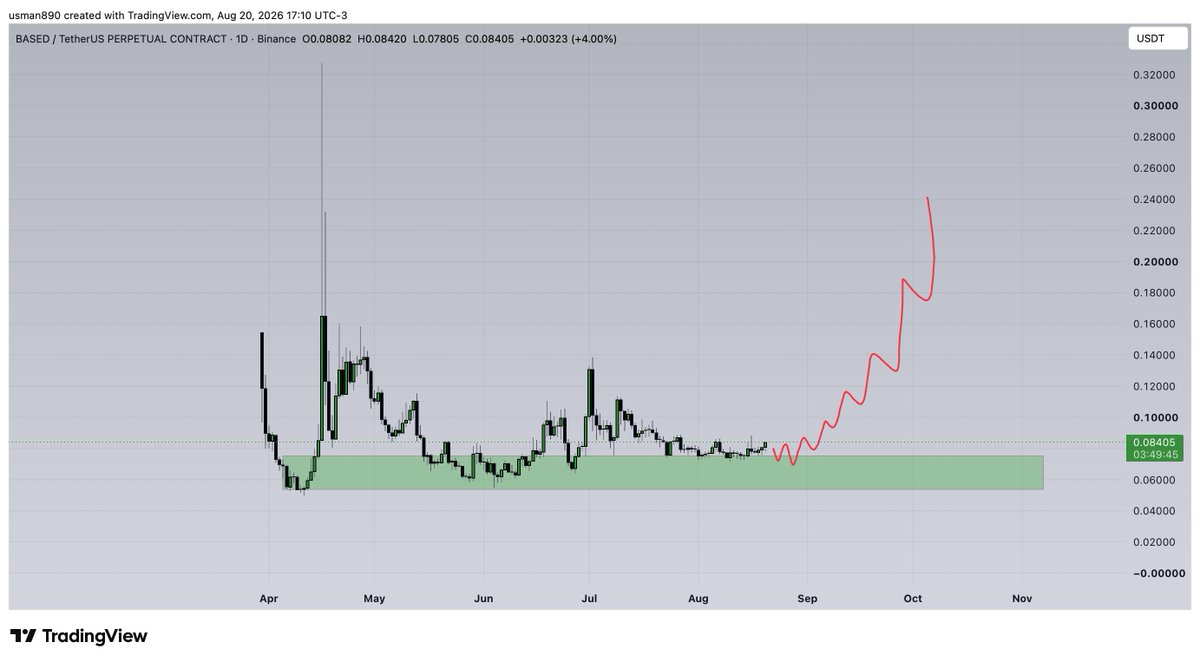
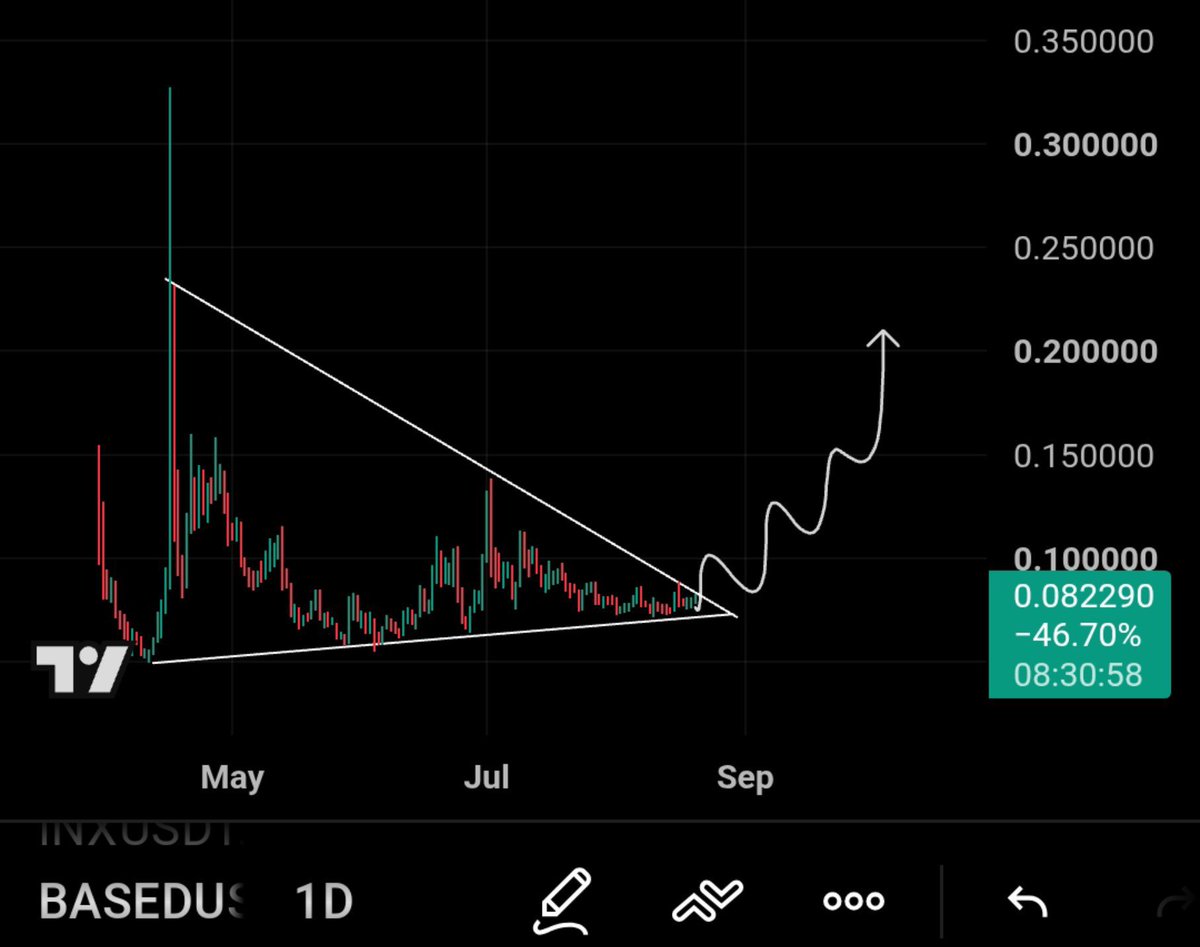
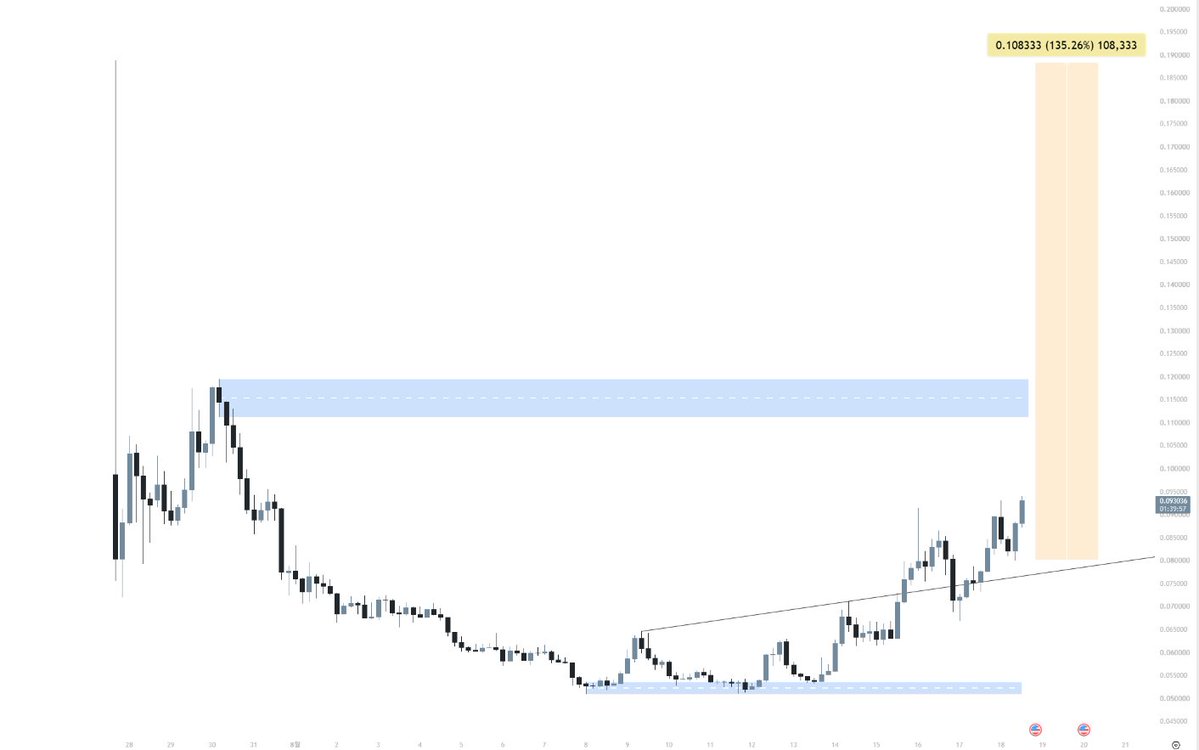
Spot only, guys. Futures are a joke — you're just exit liquidity for the market maker. Futures traders cry "scam" every time they get rekt or stopped out. Meanwhile, spot holders are chilling and waiting for the gains. Relax and hold. 💎 $BASED
🤝AEON x @DeFi_JUST
AEON now supports $JST, connecting JUST’s DeFi ecosystem with AI-native settlement infrastructure for autonomous transactions, while enabling $JST payments across real-world commerce. Together, we are powering the #AIpayment and entering into new #AIeconomy.
https://t.co/UICGyCUxK1
$AEON
Stripe has reportedly agreed to acquire OpenRouter with $7.5 Billion, the developer-facing model routing layer that sits in front of hundreds of AI models and serves a large share of the AI builder ecosystem.
The reported valuation places it among the largest AI infrastructure deals to date. The more interesting part is not the price, but what the combination structurally consolidates.
Why This Acquisition Is Different
Most payment-company M&A is about reach, distribution, or a new vertical. This one is about adjacency at the deepest layer of the AI commerce stack. OpenRouter's job is to decide which model a request hits and how much that call costs. Stripe's job is to decide who pays, when, and how the money moves. Combine the two and the entire chain from inference to settlement falls inside one company's roadmap. That is not a horizontal or vertical acquisition in the traditional sense. It is the closing of a structural loop.
Stripe was already OpenRouter's payment processor before the deal, which means the acquirer had real-time visibility into the target's economics long before the announcement. That alone compresses diligence from months into weeks, and it is one of the quieter reasons the move from vendor to buyer happened so quickly.
What This Means for #AIPayments
3 implications stand out for the broader AI payments stack.
First, AI infrastructure is consolidating into a small number of vertically integrated platforms. The metering side and the settlement side, which used to be sold by different vendors as different products, are now becoming the same product under the same roof.
Second, the strategic prize is no longer the payment itself. It is the developer and users relationship. Whoever controls routing and billing controls the default surface for AI-driven commerce, and that surface becomes increasingly hard to displace once developers build on it.
Third, when the largest payment companies begin optimizing for token-based economics, the unit economics of AI commerce are now front of mind and have clearly moved from thesis to operating reality. The idea that every API call can become a payment is no longer a slogan. It is a roadmap item on a public company's quarterly plan.
Where AEON Sits in the Stack
The story most coverage will skip is where the consolidated stack stops. It is excellent for developers in markets with mature card and ACH coverage, and for transaction sizes that justify traditional fees. It is less useful where the merchant sits in a market without USD banking, where the payment amount falls below the fee threshold, or where the initiator is software running outside the card rails' reach. None of these are edge cases anymore. They are exactly where AI-driven commerce is going to scale.
AEON's positioning is complementary rather than competitive. The metering layer decides what a request costs. The settlement layer underneath still has to carry that cost across borders, at sub-cent precision, and into the markets the front end alone cannot reach. AEON's existing rails (x402 integration, emerging-market merchant reach, micropayments treated as a default, and presence on the wallets and exchanges real users already use) point at exactly that complementary layer.
What to Watch Next
The Stripe–OpenRouter deal is, on the surface, a payment company buying an AI infrastructure company. Structurally, it is the moment the AI payments stack stopped being a stack and started being a platform.
The next interesting question is not who buys whom next, but which parts of the AI commerce flow remain genuinely open after the consolidation, because those are the parts where the next layer of value gets built.
$AEON
$BASED Staking is Now Available on BSC Chain!
You can now stake BASED directly on BSC Chain without having to bridge.
Here’s a quick reminder about $BASED staking and card benefits.
Staking Rewards
• Up to 24% APR in staking rewards
• Up to 100% trading fee discounts
Gold Card Benefits (100k $BASED)
• 0% FX fee
• Up to 4% cashback
• $120 worth of AI & entertainment rebates
Stake BASED today: https://t.co/VfzSII2mQN
*Check our official documentation for more details.
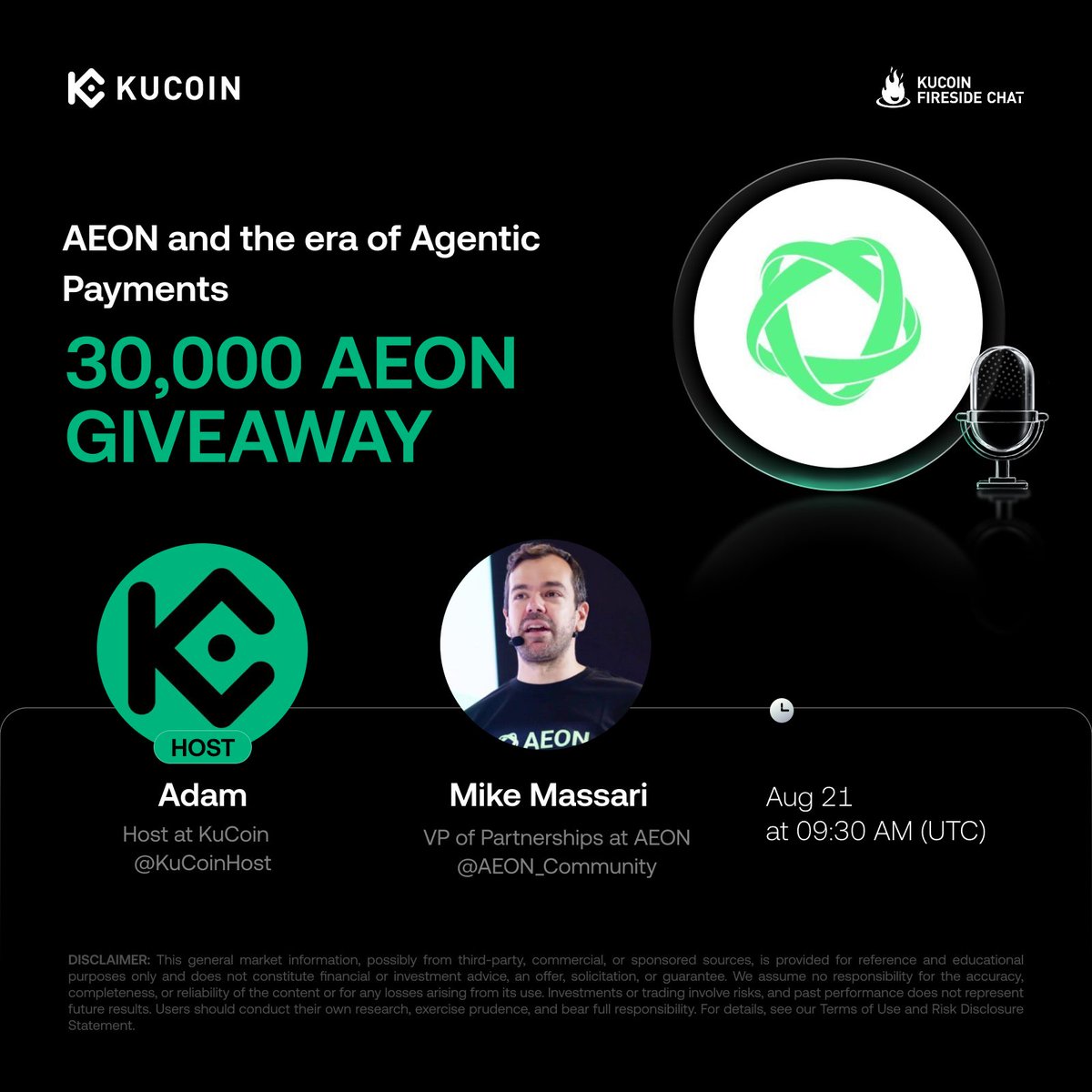
🎙️ KuCoin x $AEON: AEON and the era of Agentic Payments
🎁 30,000 $AEON to win!
How to enter:
1. Follow @kucoincom and @AEON_Community
2. Like, RT & Quote: "Trade $AEON on #KuCoin!" + Tag 3 friends
3. Join the space: https://t.co/XxTDV9g56u
4. Submit Your KuCoin UID.
5. Complete the Gleam form: https://t.co/ga7o03Kazm
⏰ Join us on Aug 21, 2026, at 09:30 AM (UTC) for the live Space!
🔔 THURSDAY = AEON COMMUNITY DISCUSSION!
Got thoughts on what’s happening with #AEON, #AIpayments, Agentic Economy, or the latest market narratives? 👀
This is your chance to jump in, share your alpha, and hear what the community thinks. 💬🔥
🏆 Top 10 engagers share 1,000 $AEON
⏰ 10:00 AM UTC — Every Thursday
📍 https://t.co/Nvbx3ugbuV
Don’t just watch the conversation. Be part of it. 🚀
In the next decade, money will look fundamentally different. Not because of cryptocurrency alone, and not because of AI alone. Because both are converging to create #AIeconomy, something entirely new.
The first major shift is autonomous global transactions: AI agents paying other AI agents across any border, without human involvement, without banking hours, and without settlement delays. Just machines transacting with machines at massive scale. The market opportunity exceeds $10 trillion by 2030.
Your AI agent will routinely pay another AI for real-time data, settle micro-transactions for small tasks, convert crypto to fiat for real-world purchases, and execute this loop thousands of times daily.
The second shift is digital-physical commerce unity.
Currently, online and offline commerce exist in separate worlds. Amazon operates differently from Walmart, digital goods function differently from physical ones. AI agents don't recognize this distinction. For them, "buy coffee at Starbucks" and "subscribe to a newsletter" are both simply payment instructions to execute. The boundary between digital and physical commerce is dissolving.
The third shift is real-time settlement. Not T+1, and not even the "instant" transfers that still take 1-3 seconds. AI agents need settlement at the speed of thought, the moment a transaction is initiated, it should be complete.
The fourth and most transformative shift is the value creation economy.
The current narrative frames AI as purely a cost-saving tool, automating tasks to reduce expenses. But the future goes further: AI agents will create new economic value, producing and selling content, identifying market opportunities and executing profitable trades, building and monetizing entire businesses autonomously.
These four shifts together signal the end of "human-only" commerce and the birth of the Agentic Economy. The question isn't whether this happens, it's when.
The infrastructure supporting this transformation is what AEON is building, a programmable settlement layer with physical commerce bridges, agent-ready protocols, and global merchant coverage reaching over 50 million businesses. The settlement layer for machines is being built right now.
$AEON