🇲🇱 QUAND LE MALI RÉINVENTE LE POSSIBLE
Première main bionique myoélectrique conçue, fabriquée et appareillée au Mali.
Une avancée majeure pour la santé, l'innovation et la souveraineté technologique africaine.
🌍 Un Mali qui innove, Une Afrique qui avance !
#MadeInMali
Apprenez à quitter la vie des gens sans faire de drame.
Ne les salissez pas parce que les choses n’ont pas marché entre vous.
La vie privée d’une personne est sacrée.
Delayed justice is probably one of the most effective tools used by oppressive systems in Africa, including within institutions such as CAF. We are constantly told not to protest, to respect procedure, and to file complaints. Yet by the time those processes conclude, the damage has already been done. The outcome has settled, and any later decision becomes largely symbolic.
I observe this clearly in football. During the Senegal incident, many argued that teams should simply play on and complain afterwards. But trophies are awarded immediately, competitions end, and there is no replay. Justice that arrives after the fact does not undo competitive harm.
The same logic operates in politics and elections. People are urged to go to court, but by the time judgments are delivered, power has already consolidated. This is not accidental dysfunction; it is a structural feature of corrupt systems. Delay preserves the appearance of order while avoiding real accountability.
In the case of the AFCON final, Senegal came prepared and chose to react in the moment. Having experienced the consequences of delayed justice too many times in the past, this time the response was clear: enough. The protest was not about disruption, but about refusing to allow injustice to be quietly normalised through procedural delay.
STOP THE GASLIGHTING !
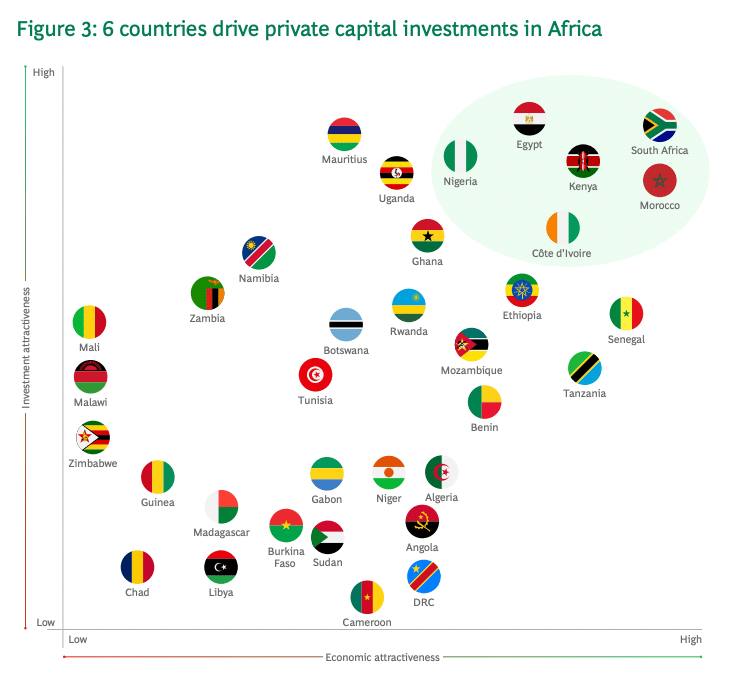
These six countries - South Africa, Egypt, Nigeria, Kenya, Morocco, and Côte d’Ivoire - account for approximately 70% to 75% of the total private capital deal value in Africa.