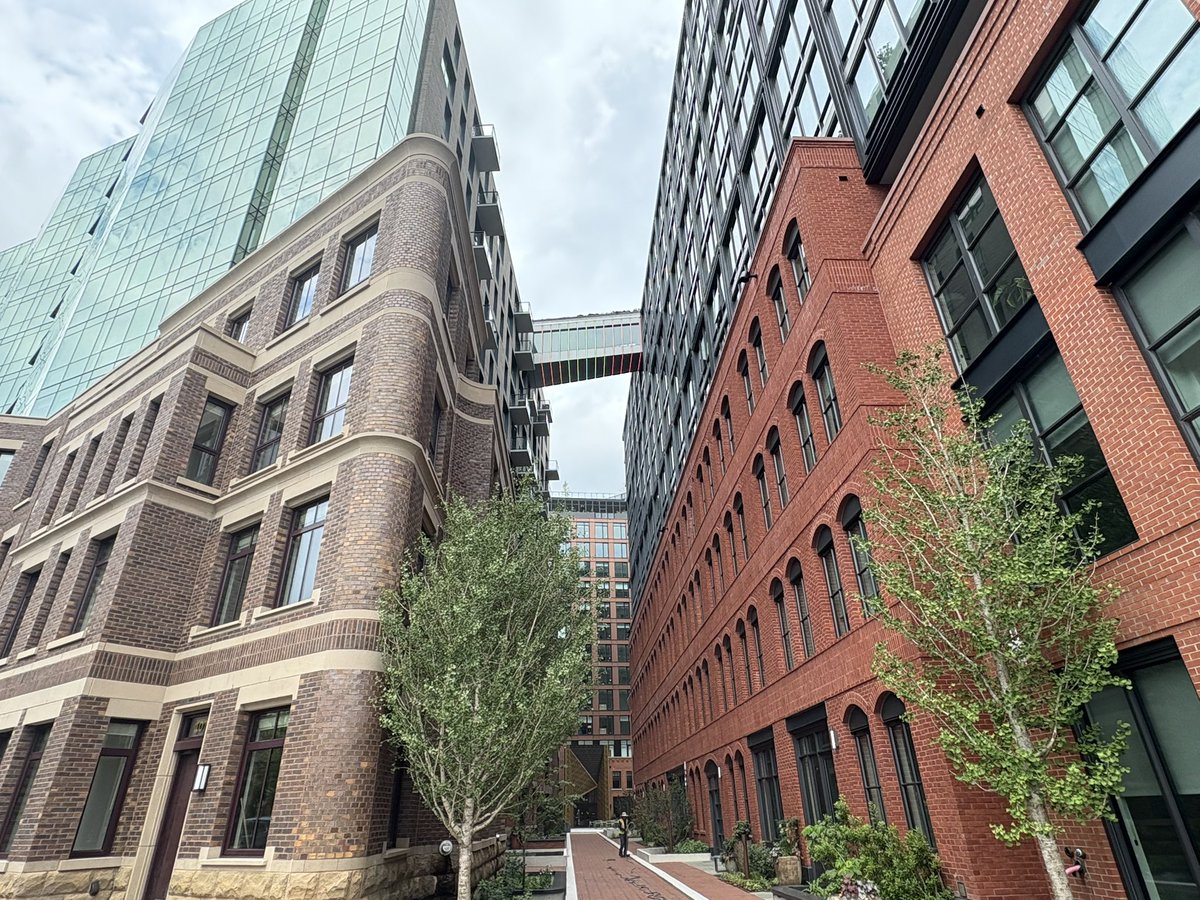
This is not Europe. This is Missouri.
The Cathedral Basilica of Saint Louis, built in 1914. It has over 41 million mosaic pieces. Some of the most wondrous churches ever built are in the United States.
On a décrété que le masculinisme était un danger pour la société.
Qu’en est-il du féminisme et de ses hordes de malades mentales applaudissant une mère qui a tué ses trois enfants ?
Important points here: "Losing schools means losing more than just a building; it means losing a vital anchor institution that affects the whole community."
"Local generations will be strangers to each other, because that is one place less within the local community where they have the opportunity to get to know each other."
The loss of a local school is basically the death of the the neighborhood as a functional community. Parents lose the most natural chance to connect with their neighbors and the people you pass on the streets become just strangers instead of people you recognize from involvement in schools and sports locally.
There is basically no limit to how small a school can be. In an urban environment children should be able to walk to school (within 15 minutes).
https://t.co/GKh2A3T2ix
I’m making a show about buildings.
The concept is simple: do for the man-made world what Planet Earth did for the natural world.
But, when I pitched the idea, the answer was that nobody would watch it.
So I released a pilot episode on YouTube. It’s got 5.4 million views, 379k likes, and 23k comments.
People are interested, and now it’s time to make the full show.
Six episodes, filming in the UK, France, Belgium, Germany, Italy, and the USA, and releasing on a streaming service like HBO, Netflix, or Prime.
Why does this show matter?
First: we’re surrounded by buildings all the time. Look around yourself, right now… what do you see? Buildings are the logical conclusion of everything a society believes in. That’s the real focus of this show: not the buildings themselves, but what they say about us.
Second: there’s global dissatisfaction with modern architecture. This feeling gets written about online, but nobody’s given a voice to it on film or TV. That’s what this show will be. But this isn’t just about criticising modernity. That’s easy. This is about learning from the past in order to understand and improve the present, for everybody.
Third: there’s a drought of high-quality culture shows. When I spoke to film executives they said that only documentaries about sports, music, or true crime get funded. That’s a colossal missed opportunity. Galleries are always full, content about architecture goes viral online all the time, and people spend their precious holidays visiting beautiful cities.
Why no shows about architecture, then?
Tourists flock in their millions to see (for example) the buildings of Antoni Gaudí in Barcelona. But, if you asked those same people if they’re interested in “architecture”, they’d probably say no.
To put that another way: not many people want to watch “a show about architecture”, but lots of people want to watch a show that illuminates the real world they’re living in, each and every day.
What will the show be like?
Six episodes, going chronologically through history and arriving at the present, each focussing on the architecture and design of a specific period:
1. Middle Ages
2. Renaissance
3. Enlightenment
4. The Nineteenth Century
5. Art Nouveau & Art Deco
6. Present Day
But, in each case, the point isn’t just to learn about that era; the point is to learn about our modern world through those eras and what they’ve left behind. If you watch the pilot episode (included below) you’ll see what I mean.
So the show’s not really “about” the past; it’s about the twenty-first century.
That’s why it’s called The Modern World.
When you think of a typical history show there are loads of interviews, stock footage, archive photos, historical recreations, and graphics. We’re doing none of that. Everything will be filmed on location, because we’re telling our story only through the real world that exists right now. And, rather than going to the most obvious places, we’ll focus on buildings that aren’t well-known but should be more famous.
But that’s all big picture; what will it be like on screen?
Buildings used to look different in every country, and now they look the same. Why? Because the weather is different everywhere, and buildings were always a way of dealing with that weather, using local materials. Now we have air conditioning and we ship concrete around the world, so we don’t need to design our buildings with regard to local weather or rely on local materials.
Look at really old clocks and you’ll notice something: they don’t have a second hand… because it was only invented 300 years ago! Then you look at the present and you realise we’re surrounded by timers, by seconds ticking down and ticking up relentlessly. If we’re looking for a cause of our anxiety-inducing culture, that might be it.
When you spend time with the sun-softened bricks and time-warped timbers of old cities you notice that synthetic materials like plastic have taken over. When we’re surrounded by things that feel temporary, how do you think it makes us feel?
It’s only by seeing 19th century train stations, designed like cathedrals, that you realise tradition and technology aren’t enemies. New things don’t have to look boring: if the Victorians had designed AI data centres, they’d look like Medieval castles.
In the 1920s, at the zenith of Art Deco, people believed technology would uplift humanity. That’s why they decorated their buildings with statues inspired by electricity. Only by seeing their enthusiasm can we realise our own cynicism, and perhaps begin to fix it.
All of that… and much, much more.
But, above all else, this show is about a way of seeing. If you want to understand any society then you need to look at what it creates, not what it says about itself.
There’s a worldview in every single object; our skyscrapers are designed the same way as our phones. Learn to look at this world, to notice its details, and everything else starts to make sense.
What now?
I’ve been quiet online recently because I’ve been researching and working on scripts for six full-length episodes. Production begins when we’ve raised the funding.
The Modern World is coming.
I really did not imagine there are entire countries where airing out your home once or twice a day is seen as some sort of revolutionary hippie gimmick. Unless your home is in particularly polluted downtown or industrial area, of course. https://t.co/Hig38QLber
An interesting detail in this project is their use of mixing large amounts of charcoal into the the soil underneath the house, thereby effectively eliminating "sick house syndrome". Charcoal regulates moisture and an helps stop odors, insects, termites, etc. while also absorbing any airborne off gassing from chemical products. More homes should use this.
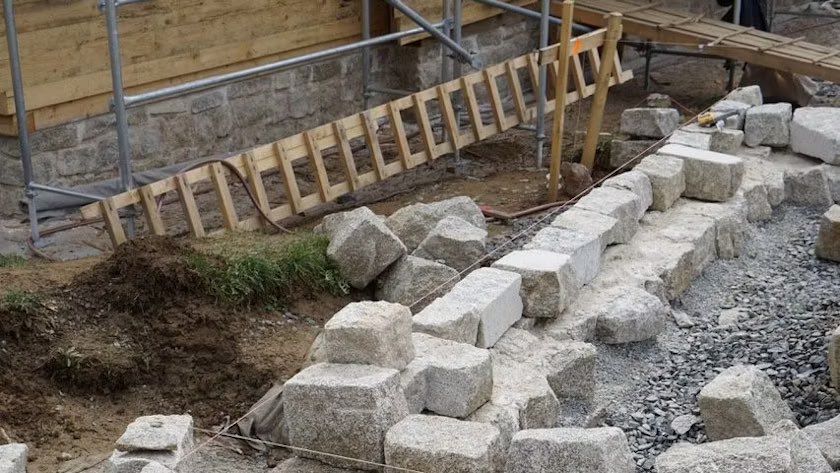
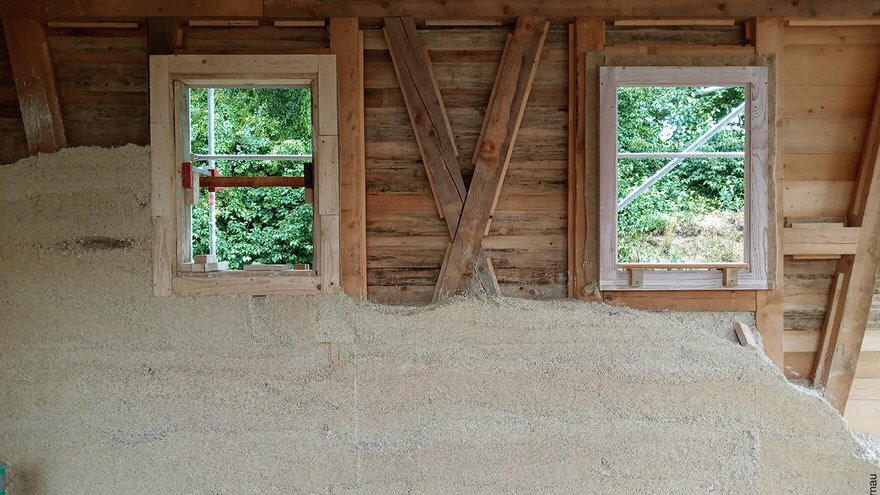
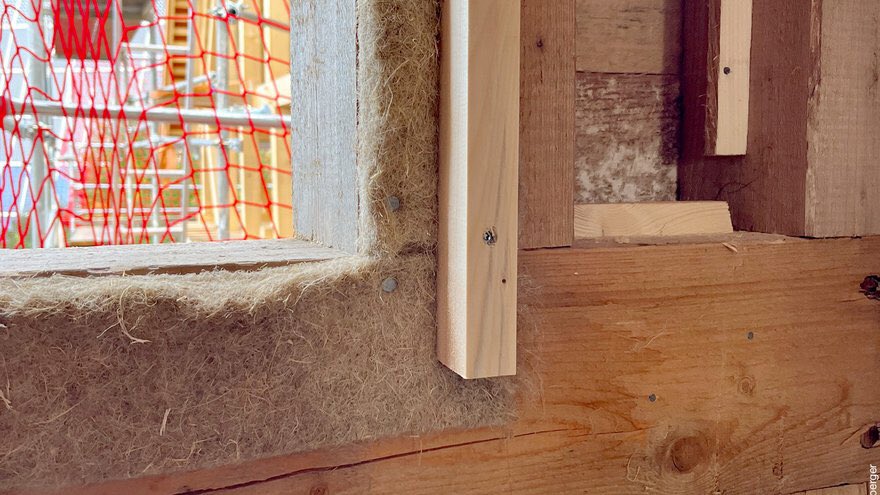
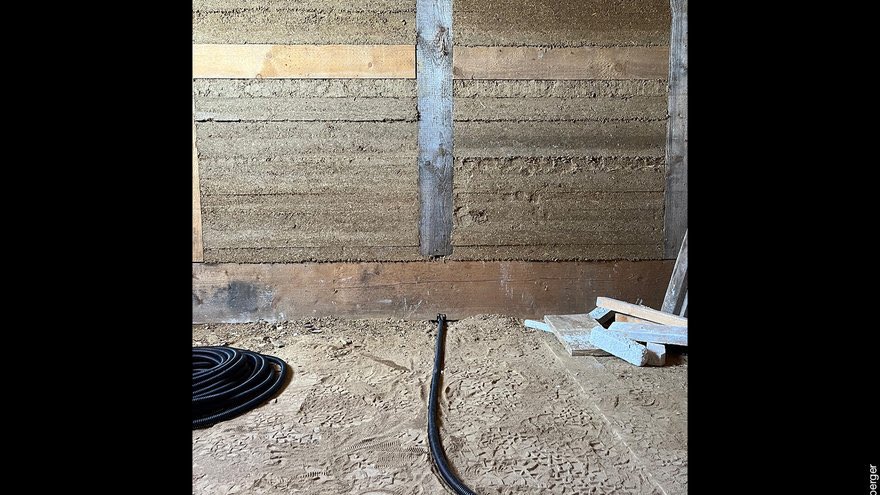
Details from the construction, everything looks perfect. Granite foundation from a local quarry, wood from local forests, hemp from local fields, lime from a nearby kiln.
In Bärnau, Bavaria, in 2024 a young student architect (Julius Schönberger, 23 at the time) built a series of homes using only natural materials and with techniques handed down from Romans and medieval craftsmen. The idea was to trial methods to create contemporary homes with modern comforts using local materials and skills (the majority of the necessary labor can come from completely unskilled people). Hemp, lime, clay, wood etc. Electricity has been installed, as well as a modern pellet heater rather than fireplaces, and some of the traditional roofs have been extended to provide more space for future solar panels. The design was completely informed by the materials and the local climate, as it always was before plastics and the ideology of modernism.
An interesting discovery was that the building process itself generated no garbage at all. All natural insulation easily cleared modern codes and the buildings generate less waste, pollution and CO₂ than any single part of a home built with modern materials. I am looking forward to following this project to create a method to build homes for 500 years and that break the destructive teardown and rebuild business model that is currently ruining both us and nature.
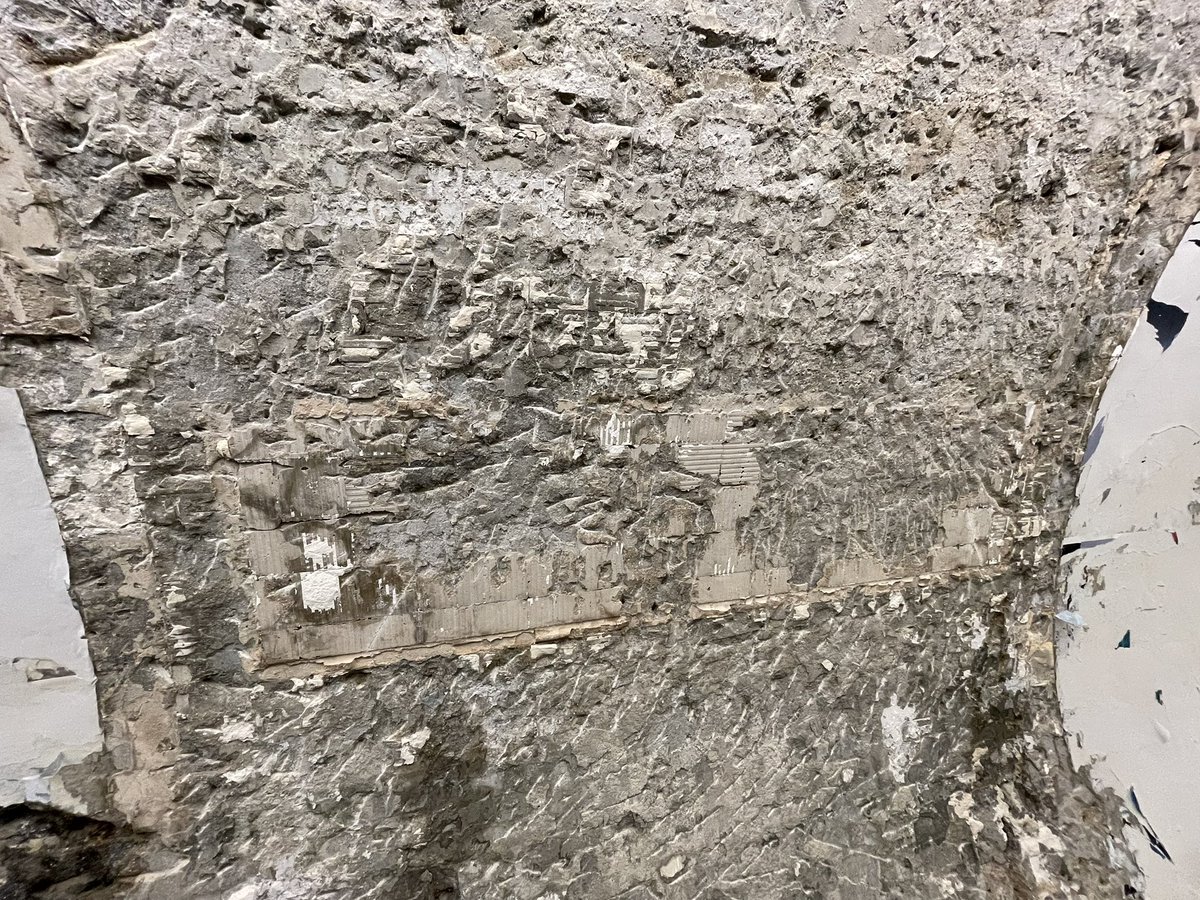
La @RATPgroup a bien tenu sa promesse ! Le beau lettrage de la station #SèvresBabylone (ci-dessous) a été détruit. Pas d’infiltration majeure sous les carreaux. Il était certainement possible de faire autrement.
Stockholm has plans to permanently disfigure itself in 2031 with a new Nobel museum, but the Architectural Uprising Sweden has release many alternatives each one of which is infinitely better and more suitable and drawing upon design of existing or once existing palaces. Obviously the Stockholm govt. doesn't have the balls to put it up for public decision but they should.
You’re missing the point of the sign. These are just “policies.”
The switch is: hire a king.
Until you’re ready for a king, you’re not ready for anything. Pitbulls will keep eating your face.
“But nobody actually wants to hire a king.” Exactly—that’s why a dog ate your face
They think we can have order without hierarchy. They believe we can have progress without vision. They believe in education without learning, in health care with neither health nor care. They believe we can have safety with vigilance and law without justice. They ask for freedom without accepting obligations.
Yet they will receive the opposite of everything they ask for. Theirs are the ruins, and all we can do is to remain standing.
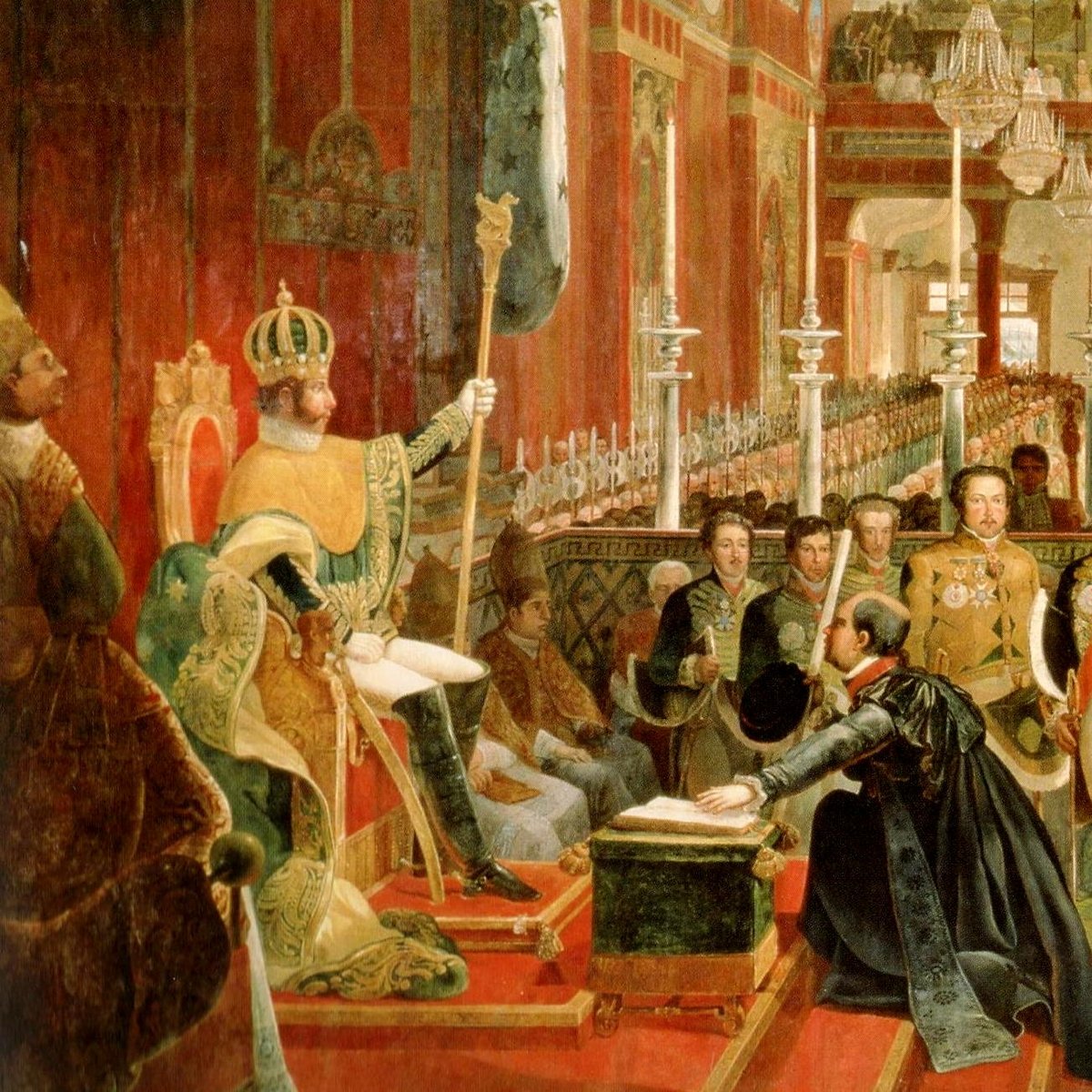
The Brazilian monarchy was overthrown in a military coup in 1889.
From then until 1961, there was never a single peaceful transfer of power between an incumbent government and the opposition.
From a practical perspective Latin is superior. In Western cities some churches have masses in different languages to cover for multitudes of different immigrant groups. It feels exclusionary rather than inclusive. The greatest mass (Christmas) I ever saw was in a southeast Asian country with people from different ethnic groups taking part, and a large contingent of U.N. personnel from different countries. The priest was fluent in several languages but did the mass in Latin to speak for everyone.
One thing modernist designers get wrong is the legibility of their buildings and interiors. They wanted sleek minimalism and everything standardized, every door, window, space and ceiling. Instead we get a multitude of signs and photocopied papers taped up all over to offer some sort of clue. Science fiction designers always get this wrong too: their sleek futures are utterly incomprehensible: endless space ship corridors whereas in reality it would be more like this utility space in a Japanese shinkansen bullet train, tons of little signs and descriptions everywhere.