Timely, relevant and actionable learning and research to achieve safely managed sanitation and hygiene for all.
Funder: @Sida
#WASHTwitter#WatSan#Sanitation
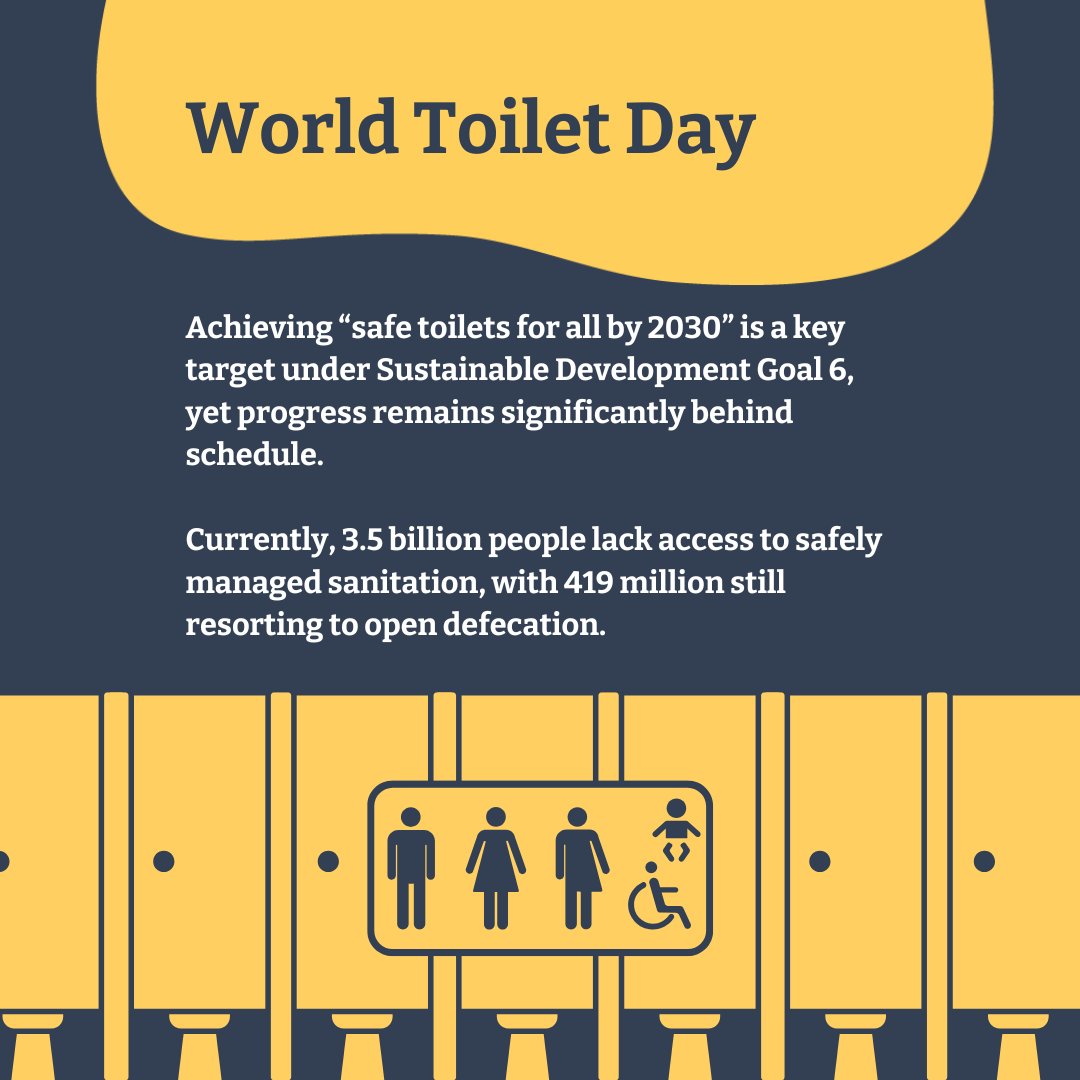
🚻 Today is World Toilet Day
Rural areas face persistent sanitation challenges. Our report offers guidance to improve access to safe, sustainable sanitation.
📖 Read more: https://t.co/kUI7FnrMxu
New Learning Brief 💧
Unsafe sanitation leads to 1M+ preventable deaths yearly. In Bonthe District, open defecation rates are double the national average.
Read the full paper 👇 https://t.co/7Bm5hWLZvf
#WASH#SanitationForAll#SierraLeone
Great to see SLH work on Rapid Action Learning and Immersions featured on the newly developed Participatory Methods website 🎉
🔗 Learn more about Rapid Action Learning 👇
https://t.co/sa7Ros8vbB
🔗 Learn more about Immersions 👇
https://t.co/ovnQkgYXUu
New website live 🚨
We’re thrilled to share the revamped #ParticipatoryMethods website designed to aid the implementation of participatory methods.
Explore here🔗
https://t.co/5eC72JM3m8
📣 New The Sanitation Learning Hub learning paper:
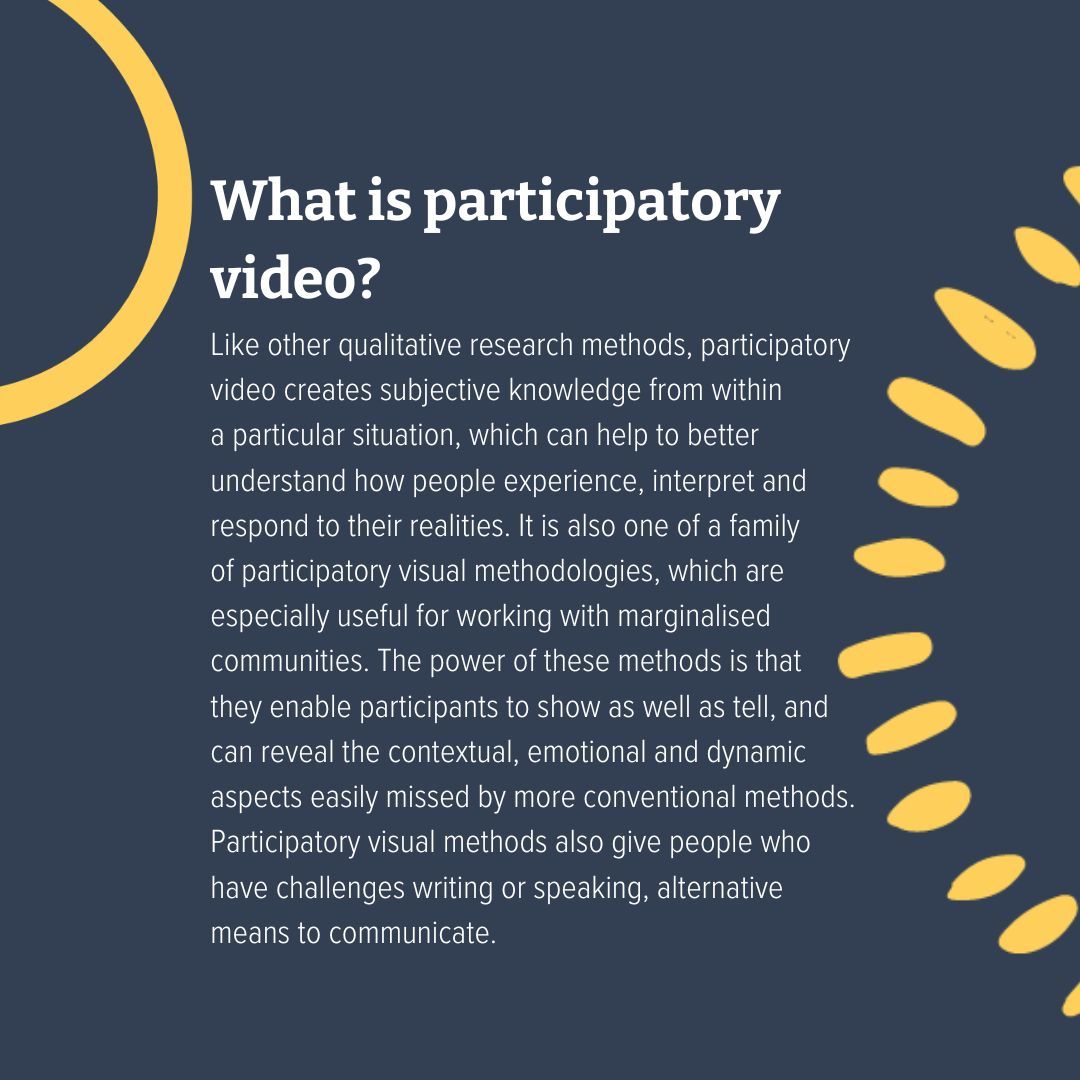
💧 The Potential of Participatory Video Action Research in WASH Programming
Read the paper here 👇
https://t.co/GWMjhnMmnT
🧵3/3
This paper provides guiding principles, key considerations and suggestions for planning, implementing, monitoring, evaluating and learning (MEL) and adaptive management within rural sanitation programmes.
Read the full paper 👇
https://t.co/8b49pBhiAk
📣 NEW APPROACH GUIDELINE: 'Rural sanitation programming in challenging contexts: Principles, guiding questions and recommendations'
'Challenging contexts' are based around 5 broad categories of challenges:
🧵1/3 👇
🧵2/3
Challenging contexts can be defined as environments, circumstances or attributes which limit the effectiveness of business-as-usual rural sanitation programmes working at scale. These environments, circumstances or attributes need to be considered to Leave No One Behind
Join us at @UNC_Water_Inst's Water and Health Conference! Co-convened by @WaterAidUK & @UNICEF
💧 Date: 16 October 2024
💧 Time: 1.30pm-3pm (EDT)
💧 Location: Windflower
Register to attend online: https://t.co/WrcjrdO7tV
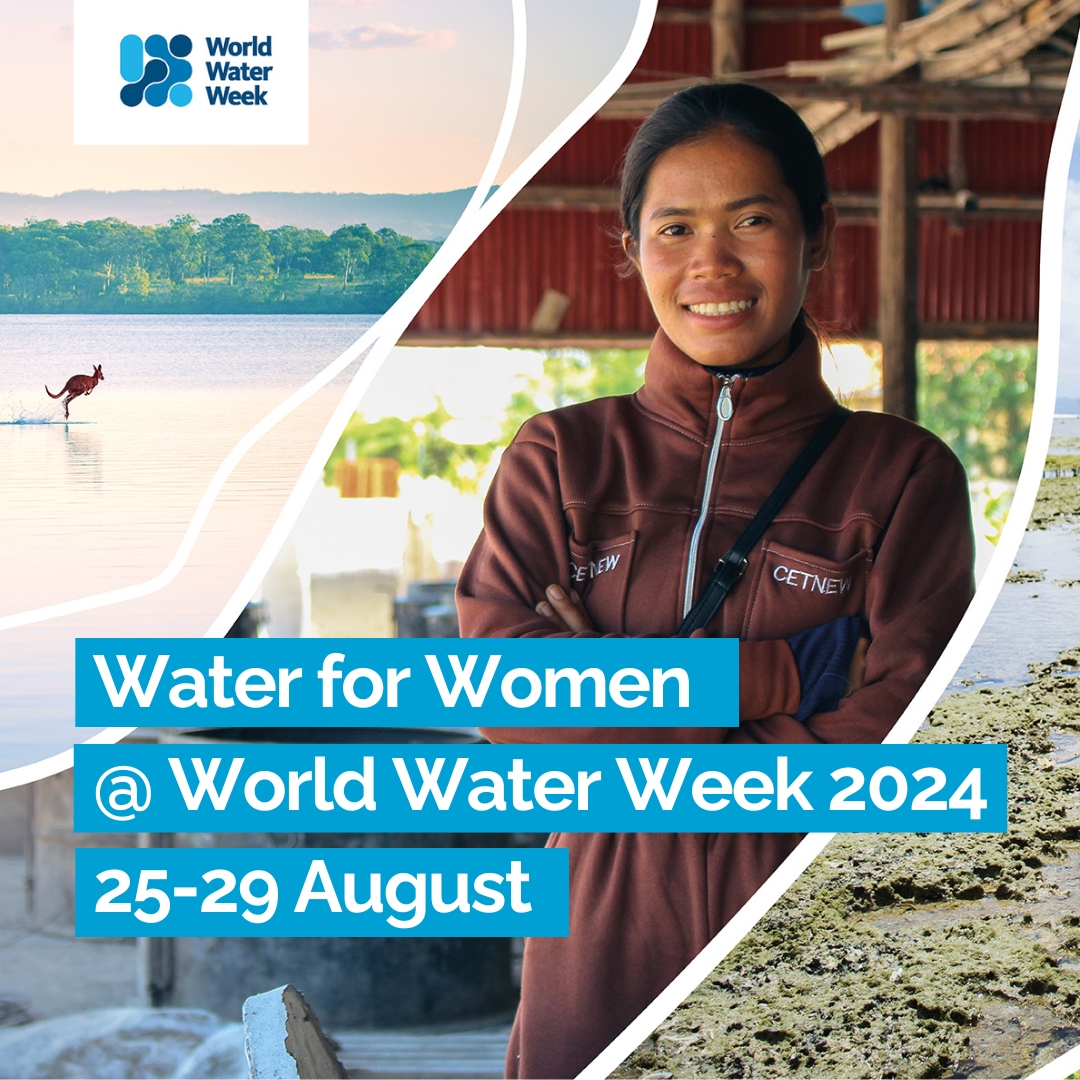
Find us at 3 events at World Water Week 2024:
💧 Is failure a key step in mainstreaming technology innovation?
💧 Achieving Gender Equality Within and Beyond WASH Systems
💧 Governance approaches for increased water security and gender equity with @_waterforwomen
Join us in Stockholm for World Water Week 2024 as we bridge borders for a water-secure future. Stay tuned for updates on our sessions!
🔗 https://t.co/RmakjXdCHy
@dfat@dcceew @siwi_www #WWWeek#BridgingBorders
WASH actors need to do more to shift the social expectations that unpaid care and domestic work is a woman’s responsibility❗
Our Learning Paper by Sue Cavill and Chelsea Huggett calls on the WASH sector to take urgent action on unpaid WASH work ➡️ https://t.co/0JFgWAZKUV
Write a blog on climate change & health in Africa ✍️🏿
AHOP are commissioning blogs that analyse existing policies on #climate change and #healthsystems from countries within the #WHO African region.
Submit a blog outline by 2 Aug.
Details: https://t.co/WwYCGdGAXm
🚻♿ Join our superb lineup of speakers and moderators who will discuss hashtag#incontinence in different contexts during the 2nd webinar of the RWSN Early Webinar Series!
Register here: https://t.co/gzZ11NBHxN
#continencematters#WorldContinenceWeek#MHM#MenstrualHygeneDay
We hope that cross-party support for funding for global access to WASH turns into significant investment that can help tackle anti-microbial resistance, alongside other impacts of limited and inequitable access to services.
#WASHTwitter#AntiMicrobialResistance
Great article in the Telegraph by @WainwrightTim@wateraid.
He highlights the contradiction between the UK government's new plan to tackle antimicrobial resistance, and their greatly reduced spending on WASH.
⬇ https://t.co/6otqhLh2PD
This study builds upon SLH’s portfolio of work on sanitation programming in challenging contexts (📋https://t.co/60MlKAw6sg) and area-wide sanitation and hygiene (📋https://t.co/QtWLEx0VNa).
New project 📣
We have recently started working with @Welthungerhilfe on a study focusing on equitable access to services in riverine communities in Sierra Leone.
Find out more here ➡️https://t.co/hhFPw5wn8I
In immersive research, researchers live with people in their own homes for 3-5 days and gain insights through informal conversations, first-hand observations and experiences.
Find out how immersive approaches were used in India with @FINISHMondial ➡️https://t.co/NglE6nB6qM
N.B. We're running the course three times over the summer, register before 20th May to join us in June ✅
📅 10th, 12th, 17th, 19th June
📅 8th, 10th, 15th, 17th July
📅 5th, 7th, 12th, 14th August
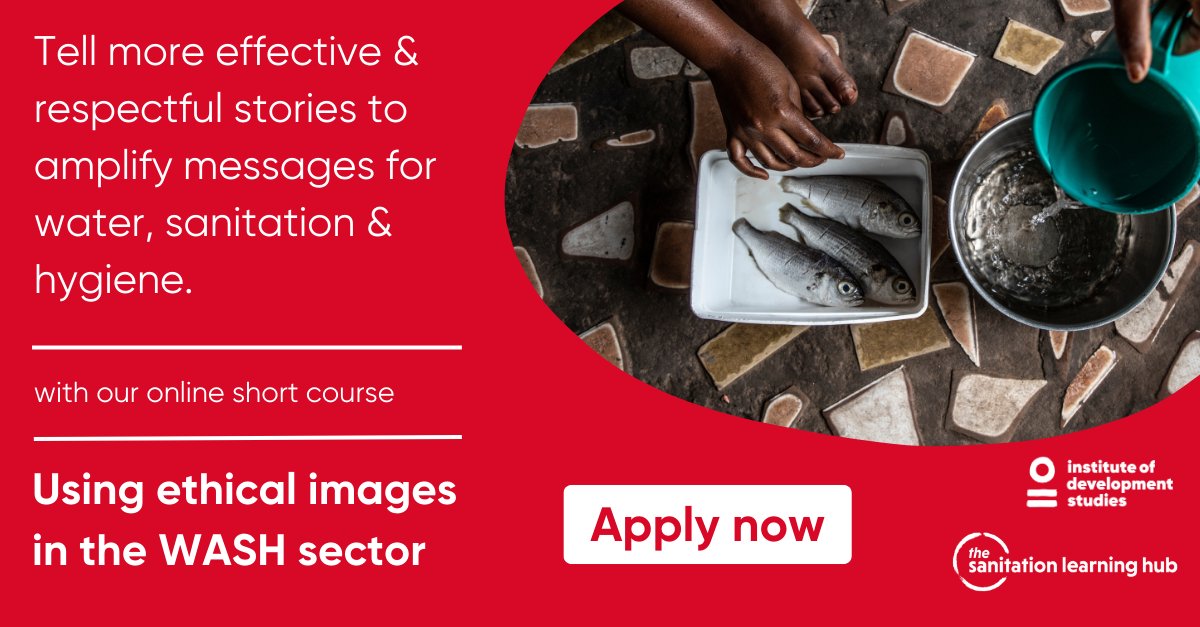
Have you heard about our course on using ethical photos in the WASH sector? 📸
It’s well-suited to anyone interested in using photos in their communications, research or advocacy work - researchers, communications officers, programme managers, funders, (MEL) specialists etc.!
Find out more and register here ➡https://t.co/BFuqcHI3Xy
For more information on how and why we developed the course, check out our blog ✏ https://t.co/x0LGR4ovrg