Some quotes from Lukashenko’s new interview with Solovyov: "in case Ukraine starts a war in Donbas, the Belarusian army will act in exactly the same way as the Russian army, it will be a joint response. Do you think we’re joking around on the southern border today?"
@nuel_szy En una discusión la dije que era narcisista. Ella no sé cómo lo hizo pero dio la vuelta al argumento de tal modo que acabó llamándomelo a mí y convenciendome de ello. Se victimizó por toda su vida y me culpó¿ Pero que culpa tengo yo, joder? No discutas con ellos nunca
Because many of the comments are asking the same Qs, I'll post a general answer here.
Do blind people dream?
Dream circuitry is so fundamentally important that it is found even in people who are born blind. However, those who are born blind (or who become blind early in life) don’t experience visual imagery in their dreams; instead, they have other sensory experiences, such as feeling their way around a rearranged living room or hearing strange dogs barking. This is because other senses have taken over their visual cortex. In other words, blind and sighted people alike experience activity in the same region of their brain during dreams; they differ only in the senses that are processed there. Interestingly, people who become blind after the age of seven have more visual content in their dreams than those who become blind at younger ages. This, too, is consistent with the defensive activation theory: brains become less flexible as we age, so if one loses sight at an older age, the non-visual senses cannot fully conquer the visual cortex.
What about animals: do they dream?
Yes, all animals dream. In the paper shown in the original post we studied 25 species of primates. The defensive activation theory makes a specific prediction: the more flexible an animal’s brain, the more REM sleep it should have to defend its visual system during sleep. That's exactly what we find:
https://t.co/pX74bfClDZ
What about other senses in dreams (hearing, tasting)?
The visual cortex is the only target from the dreaming circuitry that starts in the brainstem. From the visual cortex, activity can sometimes spill over to other senses; however, this is not as common as one might believe. The anatomical precision of the dream circuitry (only going to visual cortex) suggests something about that targeting is biologically important.
For a general introduction to the idea, please see my article in Time magazine:
https://t.co/JF5hT973Wb
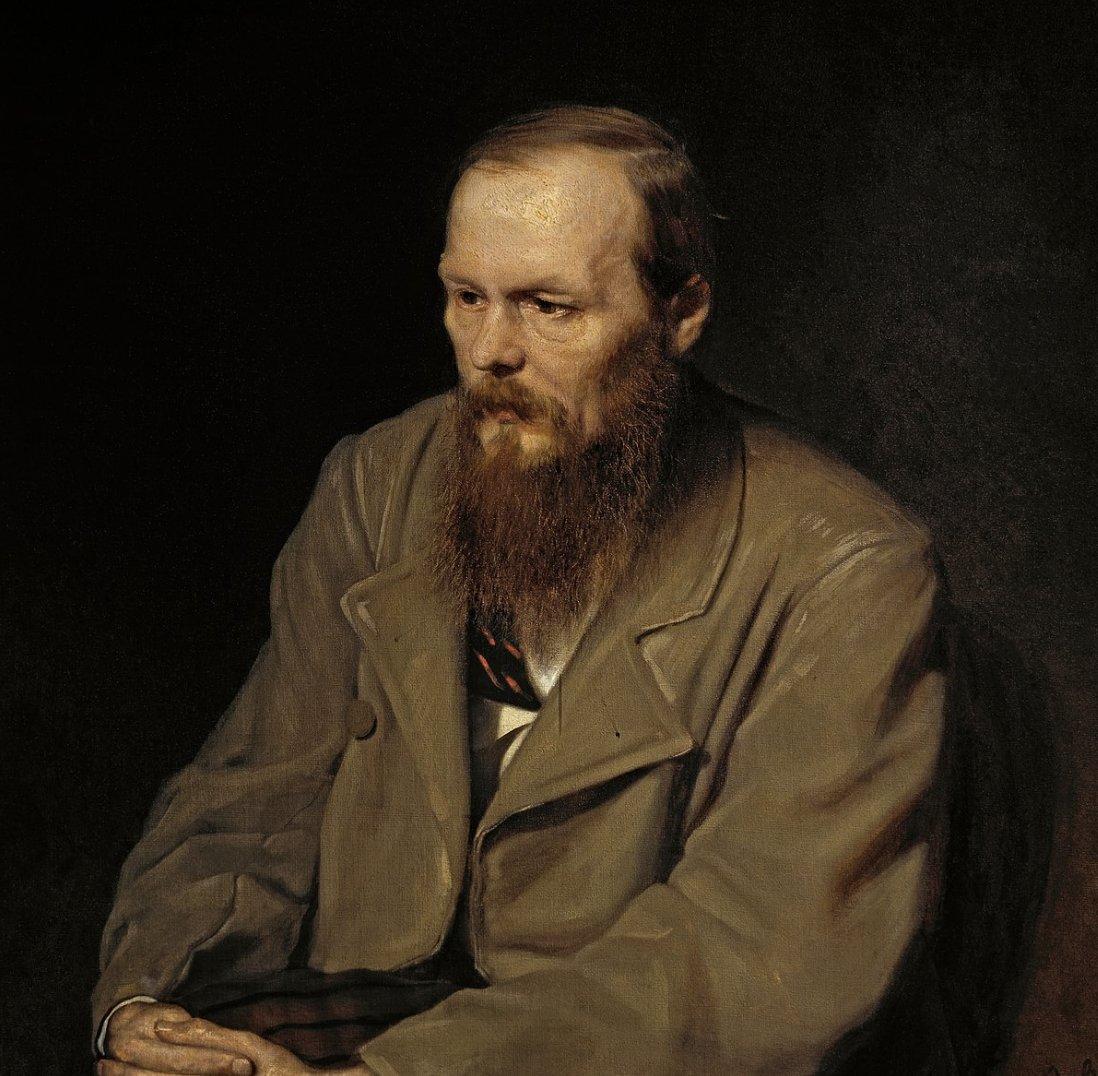
«Plus on comprend ce monde, plus on se détruit soi-même…
C’est pourquoi les fous semblent heureux, tandis que les sages vivent dans la solitude.
Plus on comprend le monde en profondeur, plus les illusions disparaissent.
Vous commencez à percevoir des motivations et des contradictions que vous n’aviez pas remarquées auparavant.
La compréhension s’accompagne souvent de déception.
Les espoirs diminuent.
On devient plus prudent.
L’innocence s’estompe.
Les imbéciles semblent heureux, non pas parce que leur vie est meilleure…
C’est plutôt parce qu’ils ont moins de questions.
Ils sont exemptés du fardeau de la réflexion constante.
L’intelligence mène souvent à la solitude.
Il devient difficile de communiquer avec les autres lorsqu’on voit ce qui se cache sous la surface…
Tout en restant à l’aise avec soi-même.» " Fiodor Dostoïevski
@yvessirae Los hombres fuertes no son sexistas ni misóginos. Solo muestran ciertos estándares para elegir a sus parejas, a las que muchas mujeres no llegan, y que justamente por ello son acusados de sexistas y misóginos.