The SAR MPC is in charge of the performances of the instruments and products of Sentinel-1 SAR mission.
RFI is one of our topics, but not the only one.
SAR MPC is part of the Copernicus Programme of the European Union, implemented by ESA.
Views and opinion expressed are those of the author(s) only and the European Commission and/or ESA cannot be held responsible for any use which may be made of the information contained herein.
@ESA_EO Those SAR acquisitions are then used to build databases of observations of hurricanes aiming at improving the measurement of geophysical parameters over such events.
https://t.co/YnmdCIld2N
@Ifremer_fr
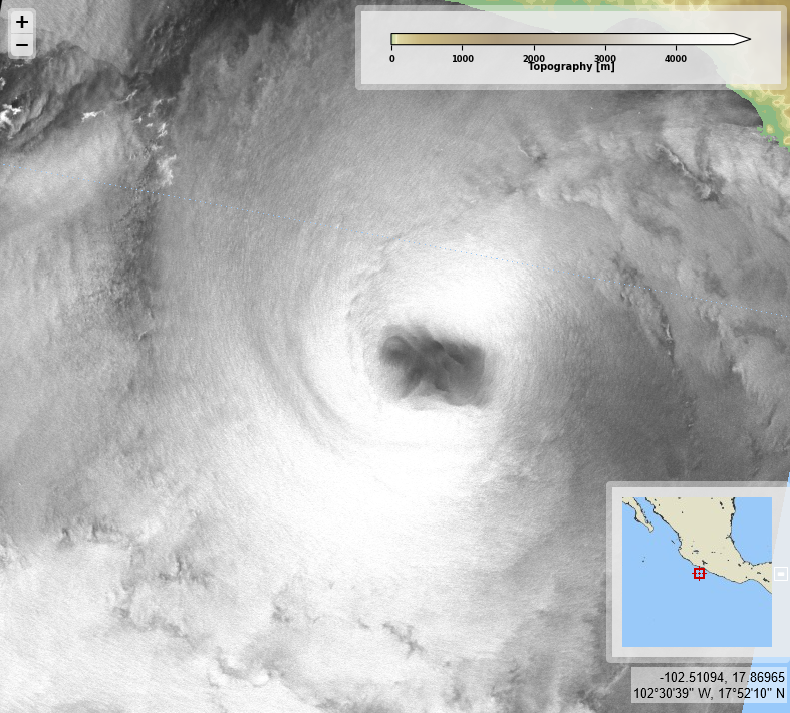
Example of using Sentinel-1A products for Hurricane monitoring. Here #John.
The tasking is performed by @ESA_EO from element prepared by @sar_mpc. This complements observations performed by other space agencies.
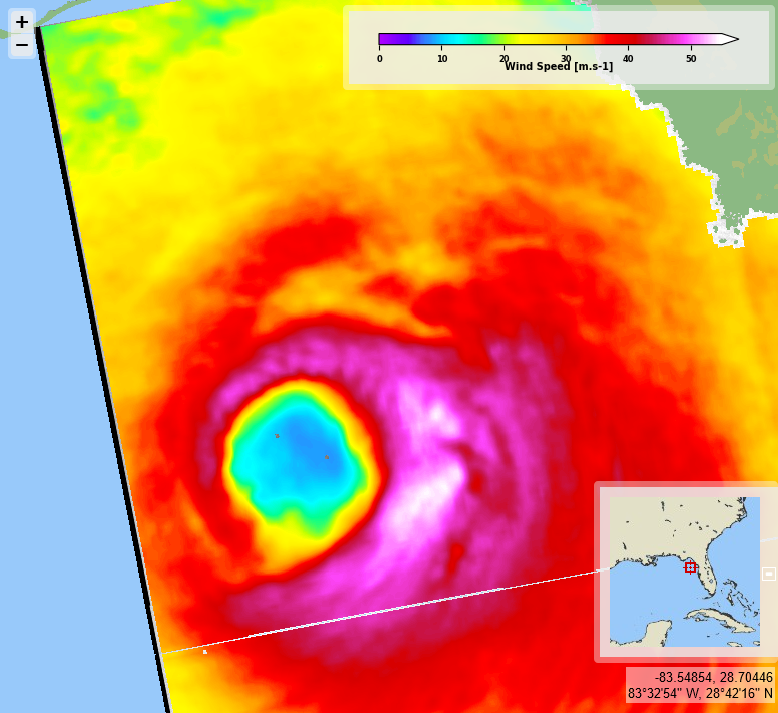
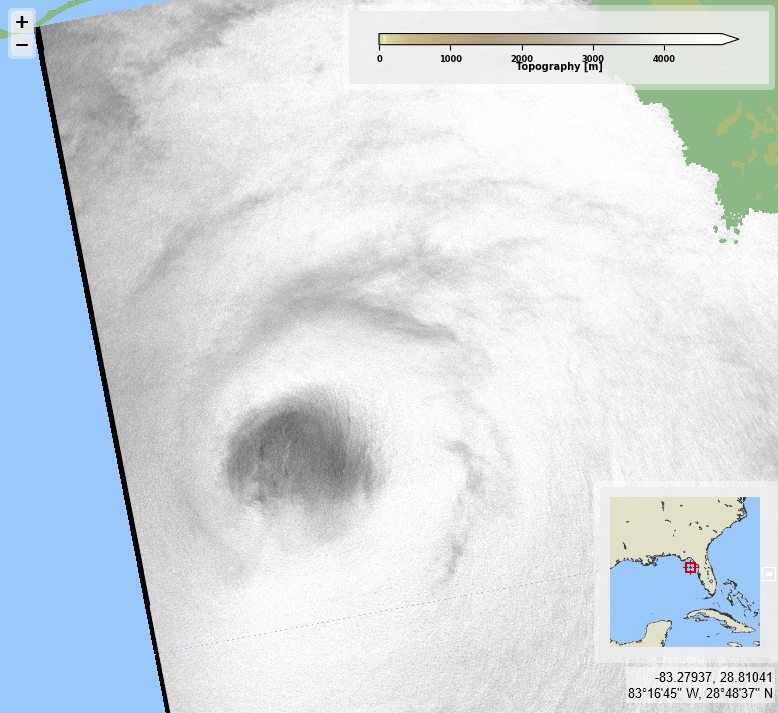
Hurricane #John (again), eastern Pacific and #Helene, Gulf of Mexico. @ESA_EO acquisitions on 2024/09/26 on 12:43 & 23:37 UTC resp., for #2024SHOC from @CopernicusEU#Sentinel1 A. Max sustained wind velocities (left) resp. around 45 and 55 m/s, derived from SAR roughness (right).
It's official:
@copernicusEu#Sentinel1B completed its disposal process – which included lowering its orbit and passivating its systems to ensure re-entry into Earth’s atmosphere within 25 years.
More info on this delicate but essential procedure: https://t.co/ezPBah18R1
📸Final data captured by the Copernicus Sentinel-1B satellite
@DPManchee @ESA_EO@patton_cascadia@cabotinstitute @seismo_steve @CopernicusEU There is as well overlap between subswath. Notice that the SNR from one subswath to another, including on overlapping areas, are not the same which may cause, inter alia, discontinuities at subswath edges, especially visible for low signal (ocean, low wind).
The Copernicus Sentinel-1D 🛰 is currently undergoing a series of tests at our plant in Rome, 🇮🇹 including carefully unfolding the 10 m-long solar wings. As the satellite is designed to operate in orbit,the wings are supported by a device during tests to simulate weightlessness.
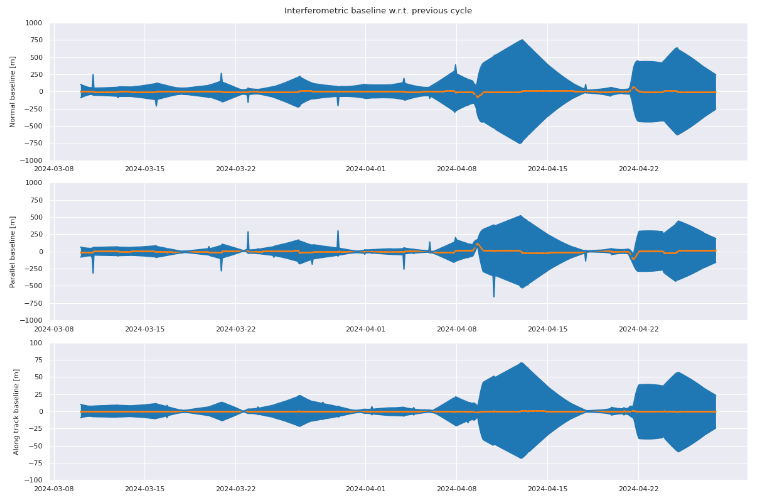
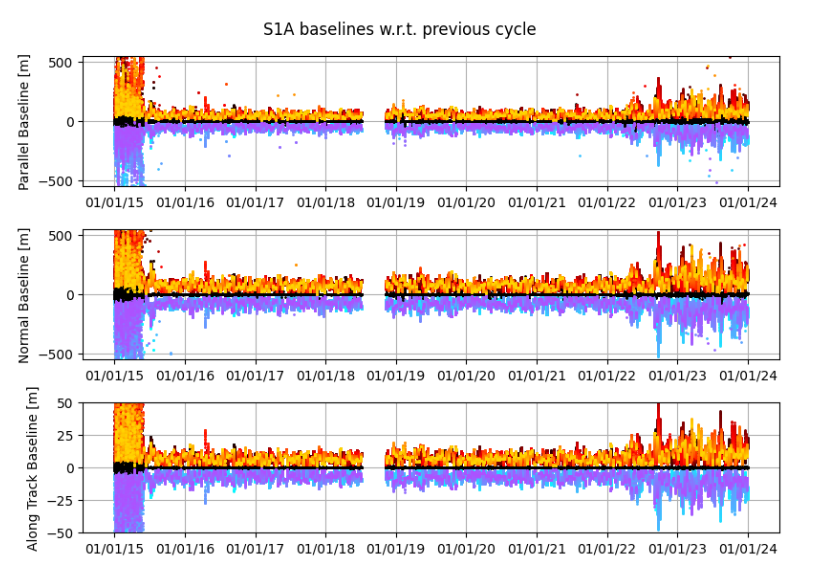
Compared to previous yearly reports it contains results of long-term monitoring of the mission, as for instance above for interferometric baseline component from 2015 (here "current" cycle vs previous one)