@Miss_Snuffy I think that’s at the heart of so much in schools. We’ve fixated on kids being fragile & incapable for decades. They’re not. They’re far far more able than we give them credit.
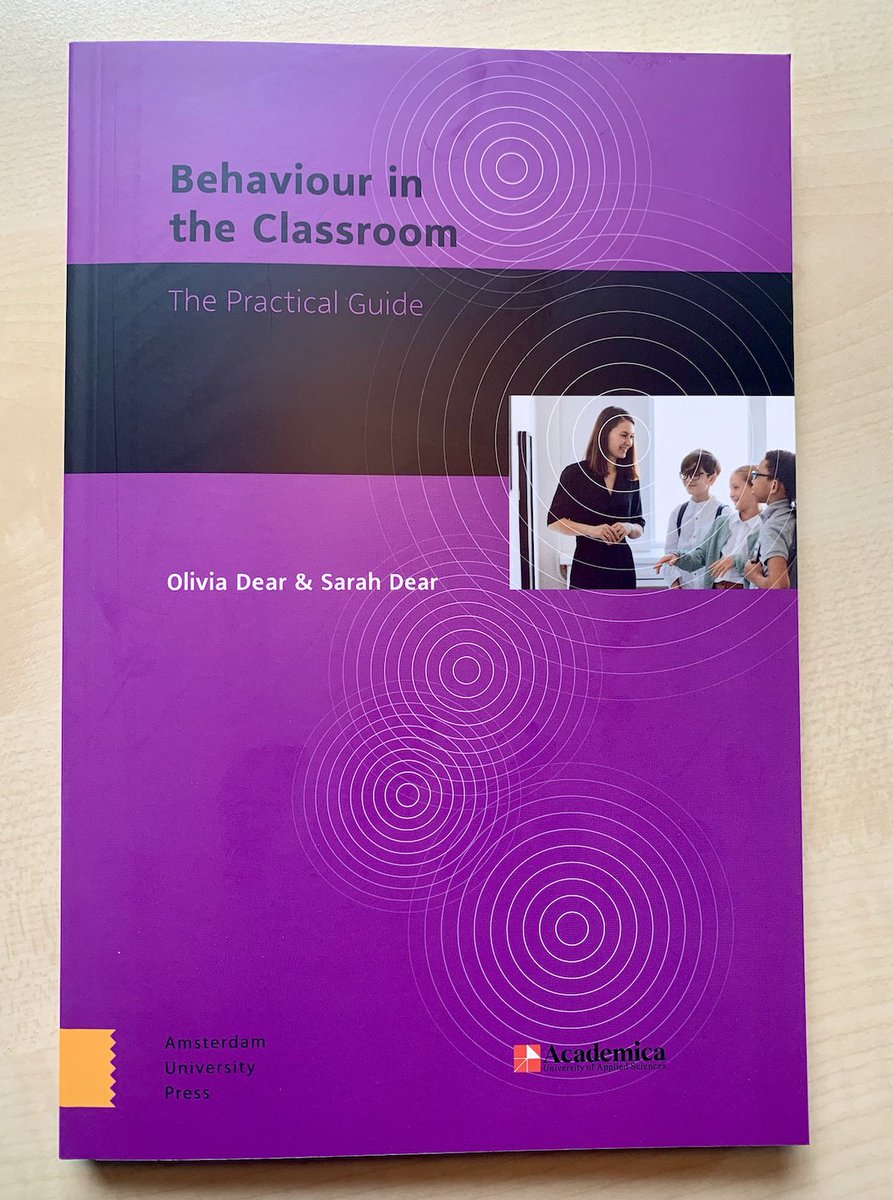
Looking for clear practical guidance on behaviour improvement and positive school culture? Check out this book from my brilliant @AcademicaUoAS colleagues @oliviaparisdyer and @SarahDearEd
@SarahDearEd and I wrote a book for teachers to make their classroom a better one for every child to learn in. As @tombennett71 wrote in the foreword, it's full of "straightforward, evidence-informed, practical advice". Order the Kindle version here: https://t.co/T0X5Q0V6Q8
@oliviaparisdyer and I are v proud of Behaviour in the Classroom: a practical guide we've been working on after 2 years training schools on behaviour and culture. Book launch event is online, 4th July 16:30-17:30. Tom will be chatting to us about some juicy topics: don't miss it
After years in the classroom, @oliviaparisdyer and @SarahDearEd moved to the Netherlands to support schools with behaviour. They’ve written a practical, evidence-informed book on the topic. I’ll be chairing their online book launch on 4 July. Join us :) https://t.co/xsqDunCdtt
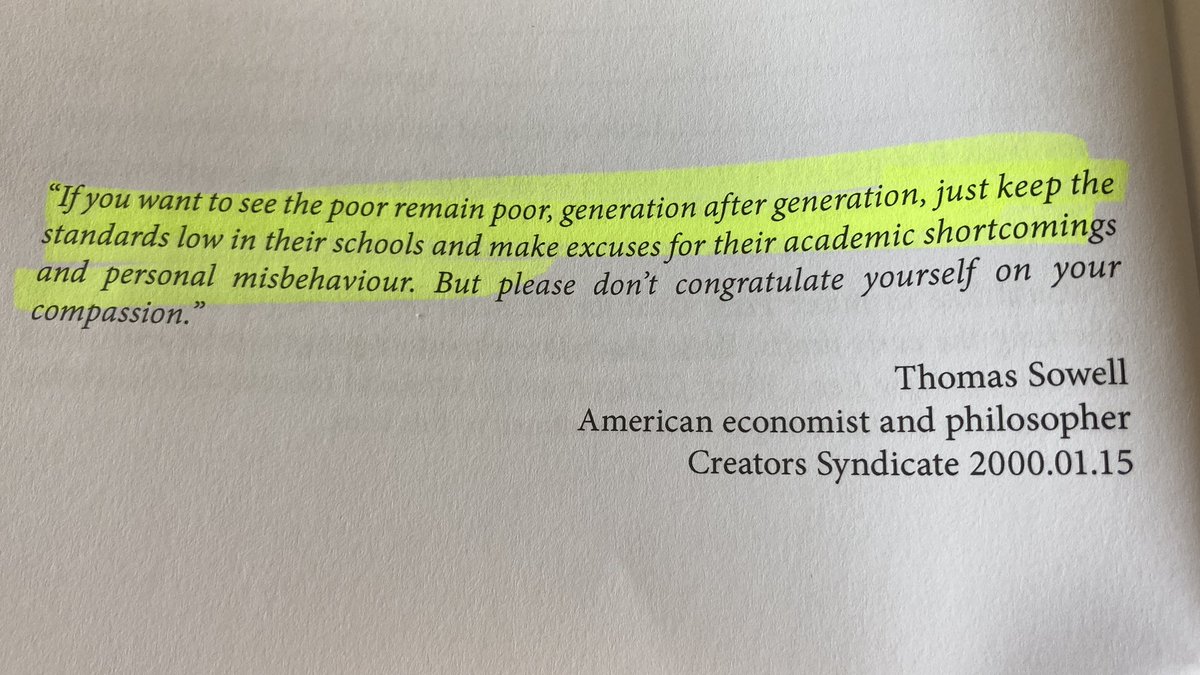
This quote sums up better than I can what I feel about the situation in too many British schools and presents a call to arms for us about how to reverse these trends.
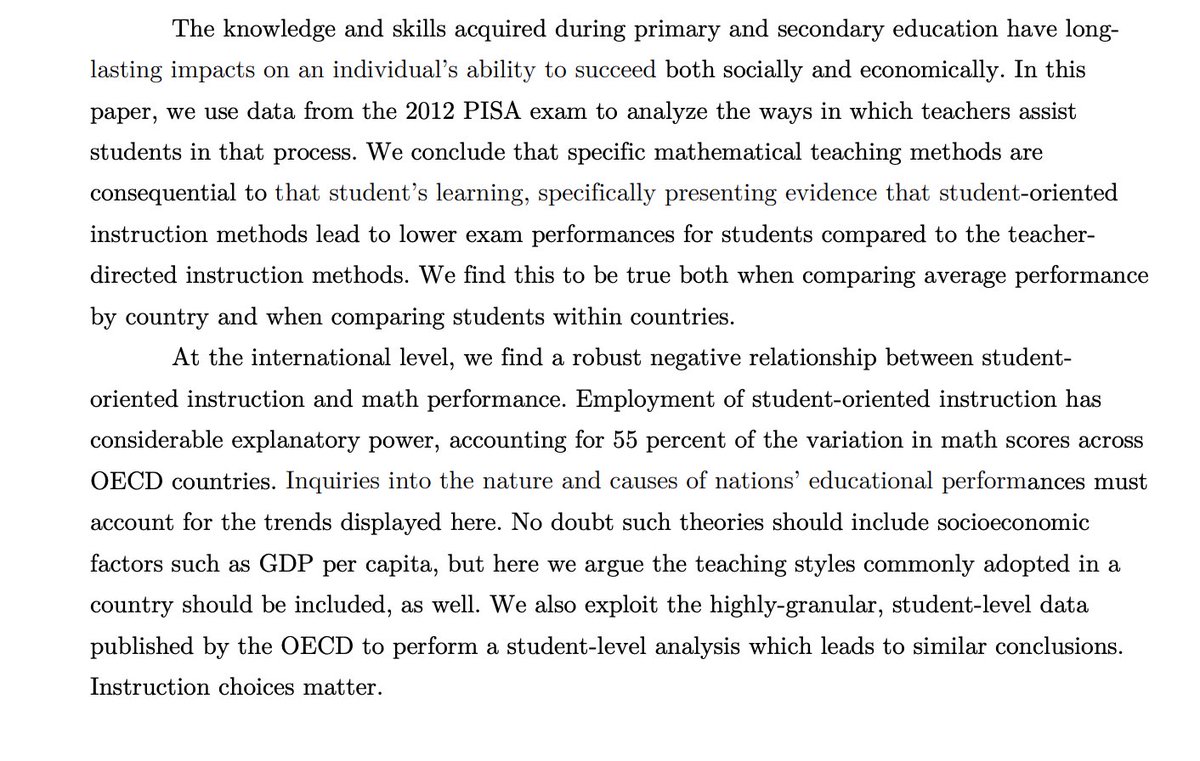
New study: "Student-oriented instruction methods lead to lower exam performances for students compared to the teacher directed instruction methods."
This is particularly damning: "These results contradict the teaching recommendations provided by the OECD and suggest that increased utilization of teacher-directed instructional methods could potentially improve U.S. math performance."
Really interesting research from @biggsag
Since 2022, @SarahDearEd and I have been working with Dutch schools to improve their behaviour culture. To expand our reach, we have written a very practical book, 'Behaviour in the Classroom'. On 4 July, there will be a UK online book launch. Sign up now! https://t.co/FrAWJ9LAHA
Reminds me of a point @PepsMccrea makes in the outstanding 'Motivated Teaching': The greatest single influence on motivation and behavior is the individual's perception of the shared norm of peers.
This surprises and worries me. 69% of nearly 12,000 teachers think that their school delivers THE BEST POSSIBLE OUTCOMES. That means the kids literally can't do better. I don't think any teacher should believe that
"The digital life is not causing depression and anxiety in boys to the extent that it is in girls, but it’s causing them to drop out of life, not cultivate skills, like flirting or courtship or working for pay. It’s causing them to drop out of life in ways that will block their flourishing for the rest of their lives." @JonHaidt https://t.co/q71jawWhMA
@BradleyKBusch Interested but can't read the whole thing. Think answer might lie in how tests are explained & used: "When students perceive low-stakes ass. as opportunities to expand their capabilities and skills, their need for competence gets satisfied." Does rest of paper support that idea?
@MrARobbins Think they are necessary: 1) to support high expectations with accountability 2) to provide smaller steps in an escalating system, pre-empting and preventing more serious undesirable behaviours and consequences 3) to give clarity in expectations -
"this is the line"
Great examples of difficult but common behaviour. It's happening in majority of classrooms. Do we want this? Solve it: 1) Teach expectations clearly; 2) Notice the behaviour; 3) Respond. Which stage are we getting wrong? It's been noticed & detentions are 10% makes me think 3...
This sort of low level disruption makes teaching SO hard. It sounds small, but it’s incredibly hard to manage.
Interesting results on @TeacherTapp today 👇🏼
This sort of low level disruption makes teaching SO hard. It sounds small, but it’s incredibly hard to manage.
Interesting results on @TeacherTapp today 👇🏼