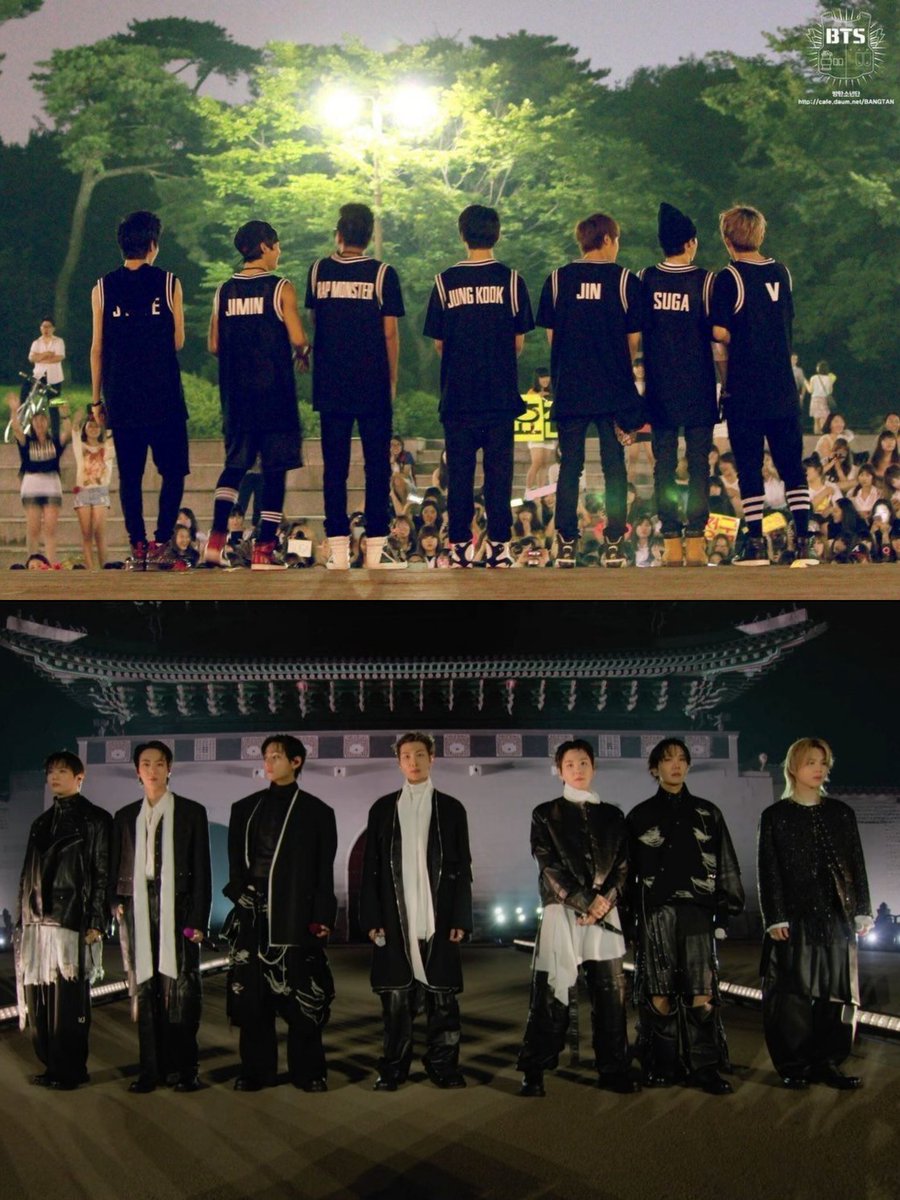
BTS naming their 5th studio album ARIRANG is not a casual or aesthetic choice.
For anyone unfamiliar, Arirang is one of the most important cultural songs in Korean history. Arirang is often described as Korea’s unofficial national anthem, not because a government declared it so, but because it has been carried by the Korean people for centuries. There isn’t just one version; there are hundreds of regional Arirangs, passed down orally, each reflecting local history, hardship, and resilience.
At its core, Arirang is a song about separation and longing - about crossing a hill, parting from someone you love, enduring difficulty, and continuing forward anyway. It is not triumphant or loud. It is restrained, dignified, and deeply human.
During Japanese colonial rule, when Korean language and identity were suppressed, Arirang became a song of quiet resistance. People sang it when they could not openly speak. It carried grief, defiance, and identity in a way that could survive censorship.
After the Korean War and the division of the peninsula, Arirang took on another layer of meaning, unresolved separation. Families divided. Borders closed. Futures interrupted. Importantly, both North and South Korea recognise Arirang as theirs. That alone speaks volumes.
In 2000, at the Sydney Olympics, athletes from North and South Korea marched together under a unified flag, walking to Arirang. Not a political anthem. Not a state symbol. A people’s song. For many Koreans, that moment was overwhelmingly emotional.
When BTS choose ARIRANG as an album title, it signals something much deeper than nostalgia or tradition. It aligns them with endurance, collective memory, quiet strength, and dignity through hardship.
And it’s impossible to separate this choice from the way BTS and ARMY have moved together over the years.
There were sustained attempts to diminish, divide, and discredit BTS. Moments where people insisted the group was “finished,” especially during the period of group hiatus, when absence was misread as weakness and separation was framed as collapse.
But BTS never responded with noise. They stayed measured. Silent when needed. Focused. Dignified. They trusted time, and they trusted ARMY.
And ARMY stayed. Loud when necessary. Steady when it mattered. Holding the line, correcting misinformation, supporting each member, and refusing narratives designed to fracture what was never broken.
That quiet resilience - artists enduring, supporters remaining - mirrors the very spirit of Arirang itself.
I’m sharing this with care and respect, as someone outside of Korean heritage, because this name deserves context. A context that I was encouraged to learn for myself as their ARMY over this last decade. Because BTS have consistently rooted their work in identity, memory, and the lived experiences of people who endure and continue to move forward.
If anything, ARIRANG should reminds us that BTS don’t just make music. They carry lineage. And they walk forward. They NEVER WALK ALONE.
As always, Korean voices should be centred, and I encourage listening to Koreans sharing their own history and perspectives.
#방탄소년단
#BTS_ARIRANG
[위버스 매거진] #RM 의 솔로 앨범 #Indigo 작업기
Development notes on RM’s solo album, Indigo
하나의 작품으로서 Indigo의 앨범 디자인을 완성하는 과정
▶️KOR: https://t.co/FLnFlIYBmX
▶️ENG: https://t.co/o6JnArPbeb
▶️JPN: https://t.co/rLZy7fDZci