Bleeding continues to be a major complication in PCI. Data show the use of femoral access and MCS devices is linked to a higher likelihood of significant bleeding (BARC ≥ 3). Early Bird enables the early detection of bleeding. https://t.co/auXDfdF2X7
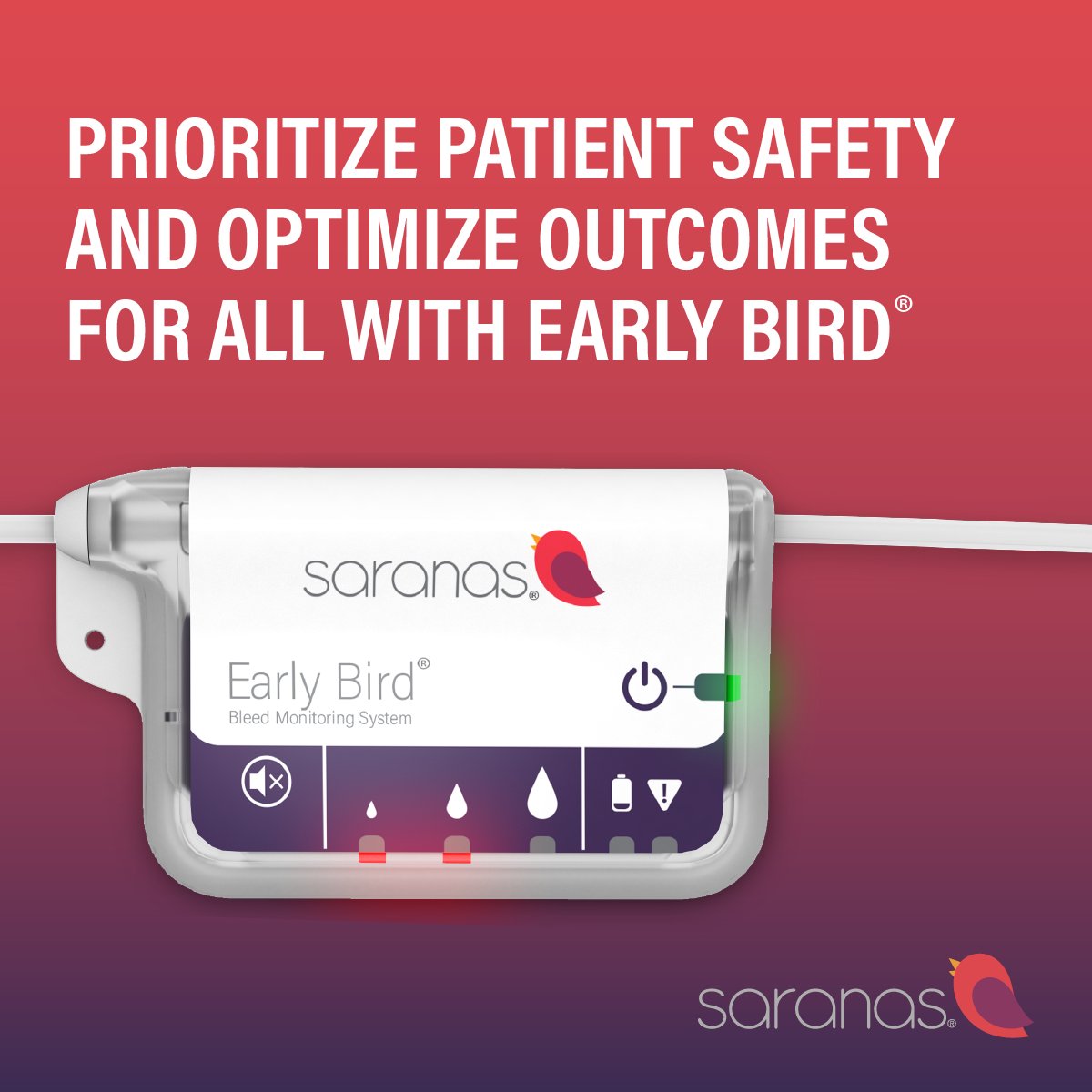
Experience a revolution in patient care with Early Bird, a state-of-the-art bleed monitoring system. It detects bleeding before it becomes a complication -an innovative technology is a game-changer. Discover how the Early Bird can transform patient safety. https://t.co/1zGqLoG9q0
Despite technological advances in technology, we are still seeing significant bleeding complications in large bore MCS procedures, with Impella patients experiencing a 10.4% rate compared to 1.7% with IABP. #patientsafety https://t.co/unvzM7CDMz
Data reveals that early bleeding affected 27.1% of TAVR patients, with nearly 40% due to primary access issues. Bleeding events were associated with increased mortality at 30 days. The Early Bird can lower the risk of early access-related bleeding. https://t.co/YCNrXmGAPg
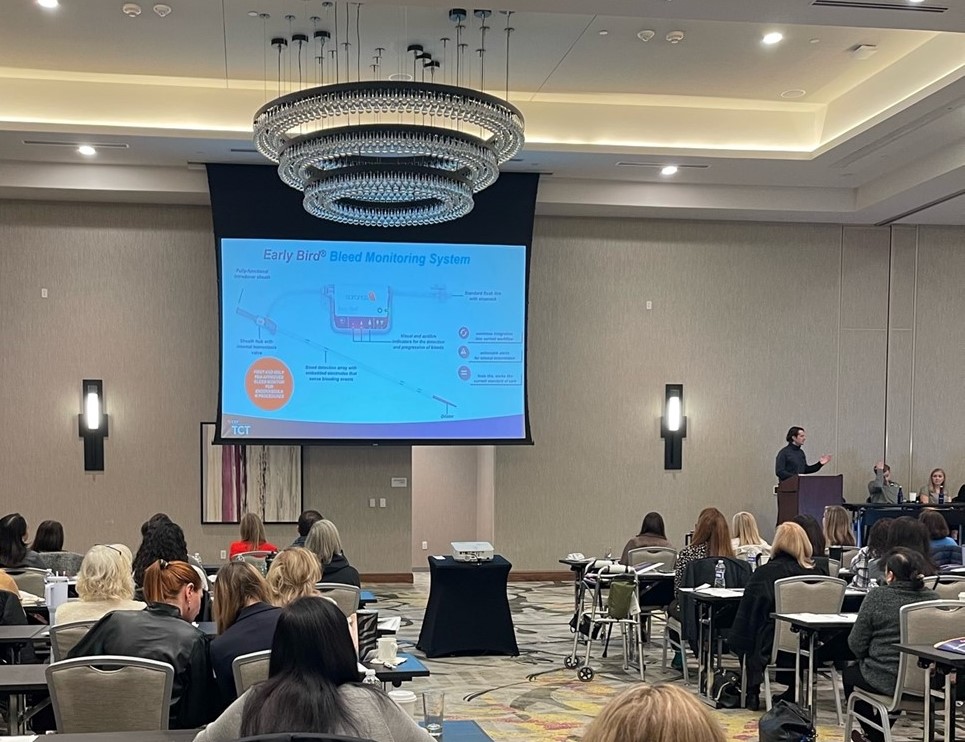
Saranas was thrilled to attend another successful North Jersey International Cardiology Symposium, sponsored by the Atlantic Health System. A big thank you to Philippe Genereux for his insightful talk on the innovative Early Bird Bleed Detection System. #innovationincardiology
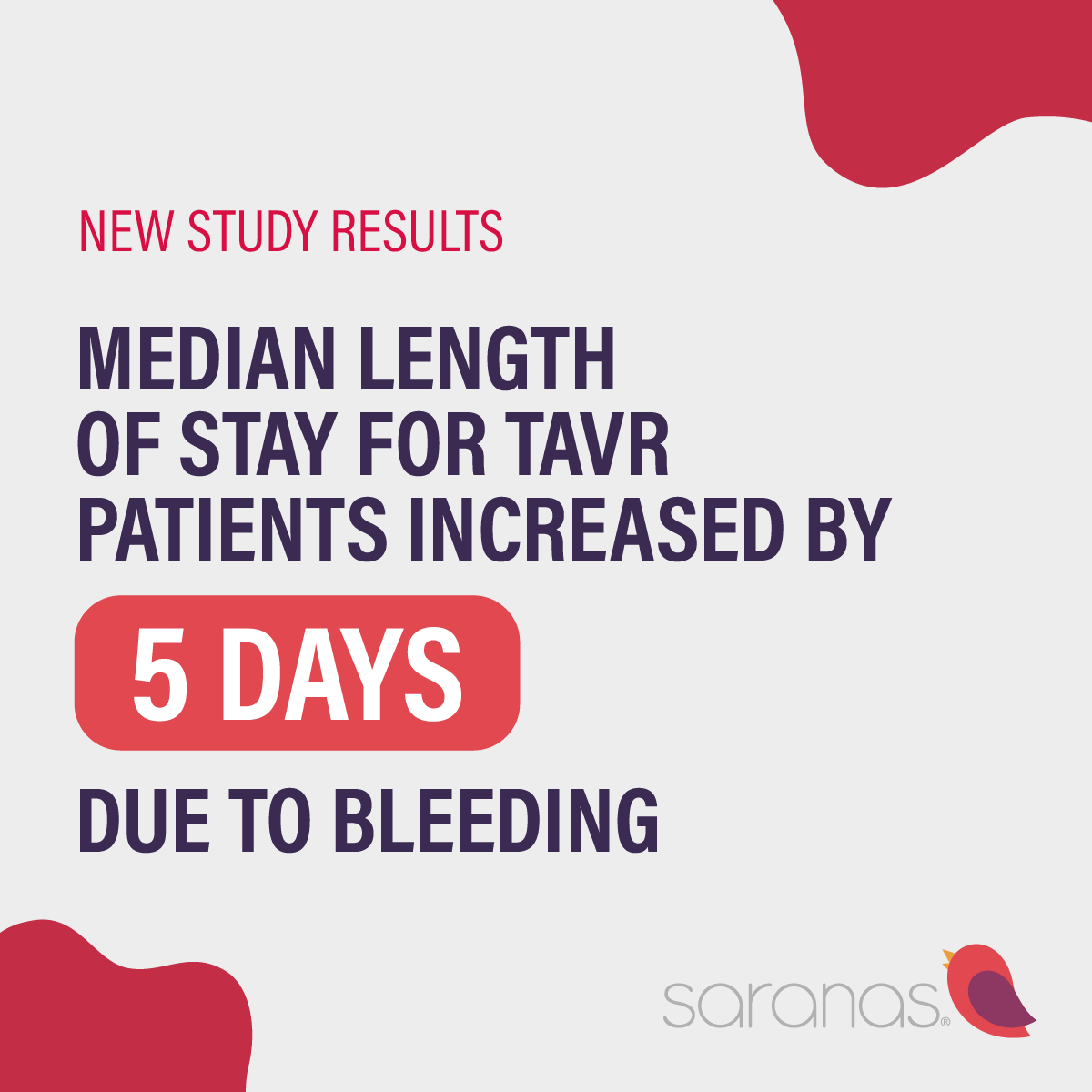
Recent clinical data demonstrates the severe consequences of major bleeding in patients undergoing TAVR procedures. It has been observed that major bleeding leads to a significant rise in the median length of hospital stay, with an increase of 5 days. https://t.co/KjFvfmzW84
Early bleeding poses a more significant threat to life than a heart attack according to a recent study of patients with CAD undergoing PCI. The Early Bird system offers real-time bleed detection during these procedures, enabling clinicians to address bleeding. #safefemoral
A recent study indicates an increasing trend in bleeding incidents, leading to concerning outcomes such as increased mortality rates, extended hospitalizations, and escalating costs. With Early Bird, you can monitor and detect bleeding in real-time. https://t.co/I9abWgpIX3
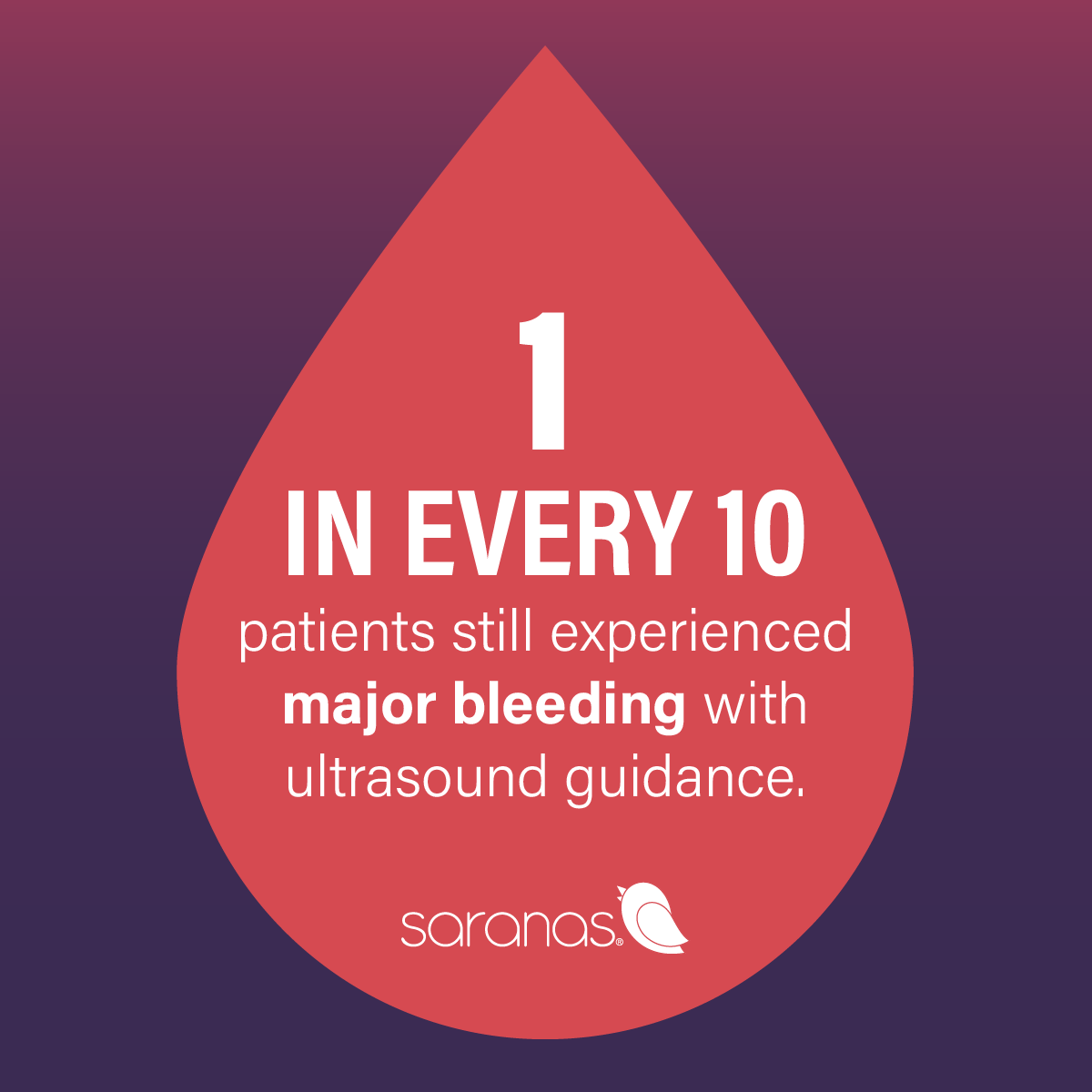
Findings from the UNIVERSAL trial showed the use of ultrasound-guided femoral access did not significantly decrease the incidence of major bleeding in patients undergoing coronary angiography or intervention, with 10% of patients experiencing major bleeding. #safefemoral
In a study of 2,384 TAVR patients, 31.9% of patients experienced in-hospital bleeding, and 39.8% were primary access-related. Post-TAVR bleeding remains a common complication. Early detection of bleeding can significantly benefit patients. #safefemoral https://t.co/fygqblhZsX
We extend our deepest gratitude to all the sites involved in SAFE-MCS as we announce the completion of enrollment in this study. The findings will provide valuable understanding and direction on how early bleed detection can enhance clinical results. https://t.co/kfcs5x54hH
Recent data show that vascular complications in TAVR can lead to longer hospital stays and a higher mortality rate at 1 year, with most complications arising at the access site. Learn how the Early Bird Bleed Monitoring System can protect your patients. https://t.co/DZ03RUlTrd
As shown in the UNIVERSAL Trial, use of ultrasound guidance for femoral access did not reduce bleeding or vascular complications. The Early Bird Bleed Monitoring System can detect bleeds in real-time, allowing for prompt intervention and mitigation. https://t.co/t03IjFFh9g
Recently published in JSACI, the SAFE-MCS study will provide a comprehensive evaluation of bleeding complications in patients undergoing PCI with Impella, employing independent adjudication and contemporary practice, generating valuable real-world data. https://t.co/2xneysFPPh
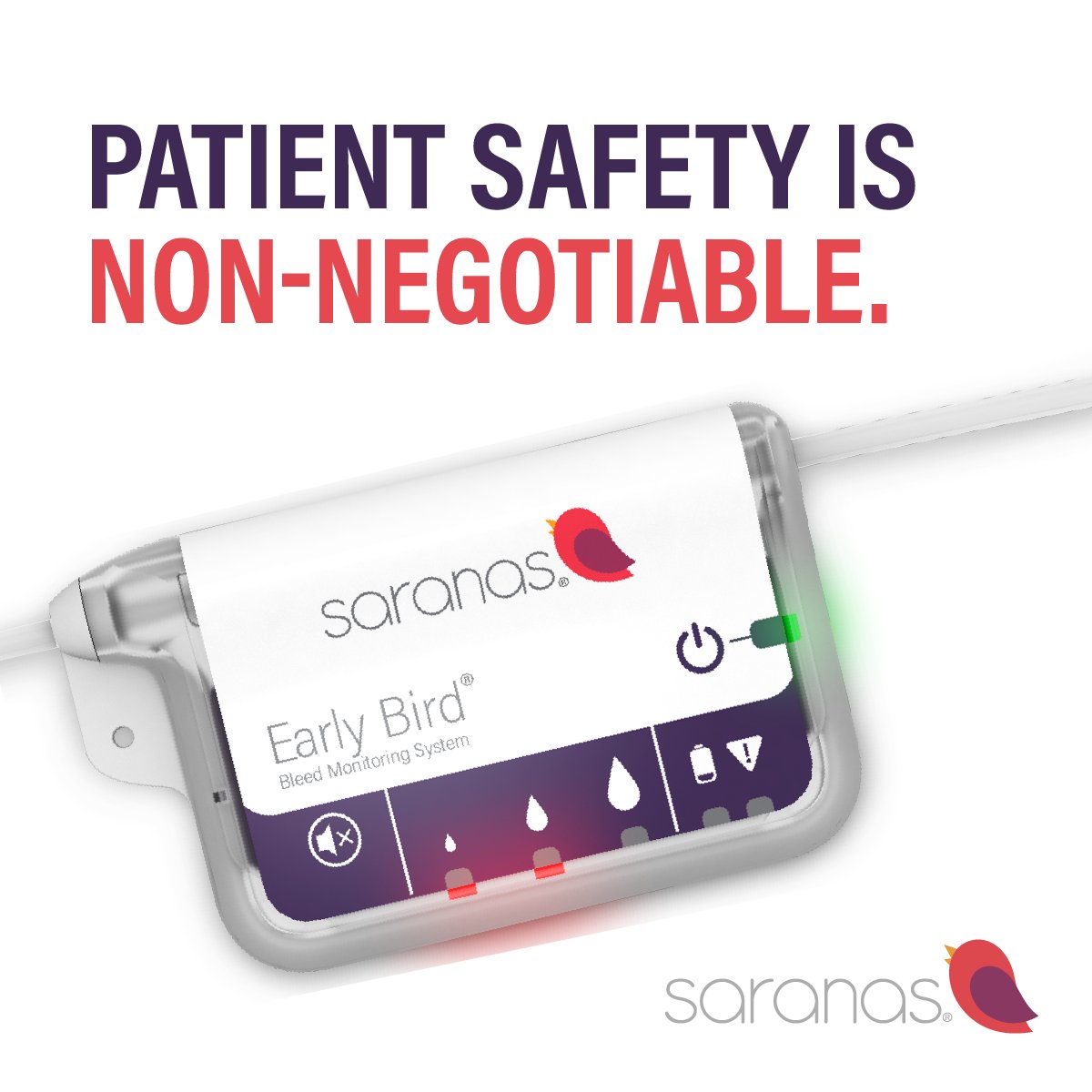
With advanced age, gender, and frailty being identified as risk factors for bleeding, implementing a bleed avoidance strategy, along with proper patient selection and risk assessment, is more important than ever. Act now and protect your patients with Early Bird®. [3/3]
The Early Bird® Bleed Monitoring System has been proven to accurately detect bleeds early on, decreasing the risk of mortality and prolonged hospital stays. [2/3]
Bleeding complications often occur after TAVR. A recent JACC State of the Art review highlights the high rates of bleeding events after TAVR, with access-site bleeding being a major concern. [1/3]
Give ‘The Bird’ to Mondays and access-site bleeding with the Early Bird® Bleed Monitoring System! Early Bird® is revolutionizing the standard of care by detecting bleeds before they become serious complications. [1/2]
The Early Bird® provides real-time monitoring and empowers healthcare professionals to take swift action if needed. Don’t wait – protect your patients today! [2/2] #CardiovascularFunFactFriday#PatientSafety













![SaranasInc's tweet photo. With advanced age, gender, and frailty being identified as risk factors for bleeding, implementing a bleed avoidance strategy, along with proper patient selection and risk assessment, is more important than ever. Act now and protect your patients with Early Bird®. [3/3] https://t.co/rooI22pzNC](https://pbs.twimg.com/media/FzJz_WFXoAACCYh.jpg)
![SaranasInc's tweet photo. The Early Bird® Bleed Monitoring System has been proven to accurately detect bleeds early on, decreasing the risk of mortality and prolonged hospital stays. [2/3] https://t.co/5hBAwx9JTH](https://pbs.twimg.com/media/FzJwj6lWYAUqq_t.jpg)
![SaranasInc's tweet photo. Bleeding complications often occur after TAVR. A recent JACC State of the Art review highlights the high rates of bleeding events after TAVR, with access-site bleeding being a major concern. [1/3] https://t.co/DEPYatFwer](https://pbs.twimg.com/media/FzJtMqvXoAAtCG4.jpg)
![SaranasInc's tweet photo. Don’t wait until it’s too late – visit https://t.co/TC5YFyQj6X to learn more about how you can protect your practice and your patients. [2/2] https://t.co/lDZju13rWz](https://pbs.twimg.com/media/Fy_dYbIWAAguKlT.jpg)
![SaranasInc's tweet photo. Give ‘The Bird’ to Mondays and access-site bleeding with the Early Bird® Bleed Monitoring System! Early Bird® is revolutionizing the standard of care by detecting bleeds before they become serious complications. [1/2] https://t.co/XvIk9G7m0n](https://pbs.twimg.com/media/Fy_Z_xKX0AIs59f.jpg)
![SaranasInc's tweet photo. The Early Bird® provides real-time monitoring and empowers healthcare professionals to take swift action if needed. Don’t wait – protect your patients today! [2/2] #CardiovascularFunFactFriday #PatientSafety https://t.co/ijVbDj9j2p](https://pbs.twimg.com/media/FywAnj7WAAAu1kk.jpg)


