@rahulideas_ Term limits in India is a feel-good idea that solves nothing. Elections already remove bad leaders but voters just don't. Instead of fixing party corruption & inner democracy, we're here limiting the few who actually deliver. Populism dressed as reform. 🙂
@TPCentralOdisha Power outage in Jobra, Majhi Sahi, Cuttack for the past 1 hour during peak summer heat. Residents are struggling due to high temperatures and discomfort without electricity. Kindly treat this as a priority and provide updates soon. @EnergyOdisha
Ordered a sweet box from @bigbasket_com and found the MFD & “Best Before” dates covered with whitener. On scratching, it shows the product is expiring TODAY.
Seriously, what kind of practice is this? This is unacceptable and unsafe. Need an explanation ASAP. @jagograhakjago
Rupees ₹1,977 crore!
This was the amount pending for collection in the then Central Electricity Supply Utility of Odisha in 2019. I was the new CEO.
These arrears were mostly in rural areas. If staff went for disconnection, they were assaulted. Sometimes entire villages united and chased them away.
We decided to launch a disconnection drive and issued notices, giving defaulters two months to clear dues. Just before the drive, some local leaders urged villagers not to allow our teams inside. We were very anxious. But aborting the plan would have been a loss of face, both professionally and personally.
The outcome surprised everyone. In two months, we collected an unprecedented ₹240 crore. There wasn’t a single incident of assault or police case.
How was this possible? Because we structured the drive around a simple, universal human trait: jealousy.
People rarely oppose action against those who are better off than them. Often, they quietly welcome it.
Phase 1:
We announced that defaulting industries would be targeted first. There was a widespread misconception that industries were the big defaulters.
In reality, the industrial arrears were negligible. Most industries paid promptly. They couldn’t risk disconnection even for a day. But people loved this announcement. The media kept asking how many industries we had acted against.
Phase 2:
A week later, we declared that consumers with arrears above ₹50,000 would be targeted. Out of more than 50 lakh consumers, this group was just 10–20 thousand.
Most people were below this slab, so they felt safe and supportive.
Phase 3:
Next, we announced action against households with more than one AC, multi-storey houses, or cars. In rural Odisha, very few households fit that description, and those who did were usually envied.
Instead of resistance, there was visible enthusiasm. When our teams reached, there was zero opposition. After all, who doesn’t secretly enjoy watching a wealthy neighbour face heat?
Phase 4 and 5:
By then, momentum was strong. The next phases targeted arrears above ₹20,000 and finally everyone left from the earlier phases.
When we reached the lowest category, the largest in number, there was still no resistance. The campaign had gained momentum. Those targeted in the earlier phases supported us. The narrative had shifted, and the drive rolled smoothly.
The huge revenue flow transformed our balance sheet, which showed no loss for the first time in the utility’s history.
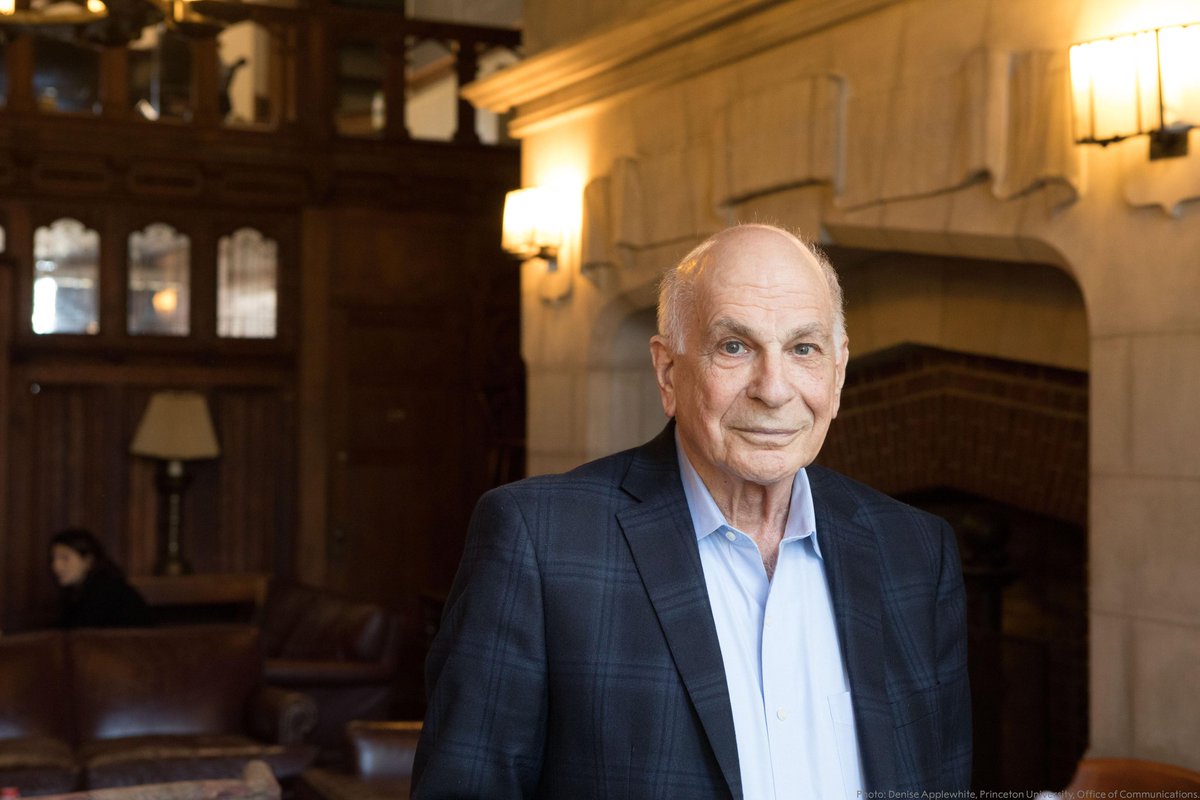
Daniel Kahneman's research applied psychology to economics and revealed that investment decisions were often based on irrational factors. He was awarded the 2002 prize in economic sciences although he had reportedly never taken an economics class.
Stay with us – we will be announcing the 2025 prize in economic sciences later today.
Vedanta is seeking state proposals to set up a world-class university(on non-profit basis) for 2 lakh students, investing around $2 billion.
Earlier stalled in Puri due to politics and activism, Odisha must not miss this opportunity again.