قصف جوي يمني جديد طال الحوثة في #المخا والبيضاء. الضربات مستمرة وبوتيرة أعلى كل يوم، ومليشيا الحوثي في الساحل ما عاد عندها مجال تخفي مواقعها عن القوات الجوية.
تم القبض:
الإعلان الرسمي عن نجاح إعتقال قيادي حوثي في اليمن
عملية الاعتقال وقعت بالقرب من تعز دون الكشف حتى الآن عن هوية القيادي الحوثي أو رتبته و تم نقله لمكان آمن
حملة أسر القيادات و إستهدافهم لا تزال ��ستمرة من قبل القوات اليمنية مما يعكس مستوى الإختراق الامني و العسكري في صفوف الحوثيين
الحوثي ما عنده أي اعتبار لحياة اليمنيين، وكل ما ضاقت عليه الجبهات رجع ينتقم من المدنيين. استهداف الأسواق والقرى والمدن يكشف حقيقة م��يشيا ما تعرف تحكم إلا بالخوف والدمار.
● هذا الفيديو ليس مجرد مشهد لسقوط صاروخ في سوق يكتظ بمئات المدنيين، بل شهادة جديدة على حقيقة مليشيا الحوثي الإرهابية التابعة لإيران، وطبيعة حربها ضد اليمنيين..
حرب لا تحترم حياة الإنسان، ولا حرمة الأسواق، ولا أمن المدن والقرى، ولا تعرف سوى لغة الارهاب والدم والدمار
@ERYANIM هذه هي حقيقة الحوثي بعيدًا عن شعاراته: سلاحه موجه لليمنيين قبل غيرهم، مدننا وأسواقنا وأهلنا هم اللي يدفعوا ثمن مشروع إيران المجوسي. اليمن يستحق دولة تحمي شعبها، مش مليشيا إيرانية ترهنه للحرب.
@alrougui حصاد الحوثة مستمر، وكل يوم يدفع الحوثي ثمن مغامرته بأرواح عناصره. هذه المليشيا الإيرانية تزج بأبناء اليمن في معارك تخدم مشروع إيران فقط، بينما اليمن هو اللي يدفع الثمن.
قاعا صفصفا ..
القوات المسلحة - ألوية العمالقة تدمر 5 مركبات حوثية، بينها سيارة قيادي ومركبة تحمل سلاحًا عيار 23، ومصرع جميع من كانوا على متنها في جبهة كهبوب باب المندب.
اللي يحصل في #ذمار جزء من محاولة الحوثة فرض ثقافة ومظاهر ما لها علاقة بهوية #اليمن، واستنساخ نموذج إيراني مذهبي داخل المجتمع. اليمن ما هي كربلاء، ولا راح تكون نسخة من مشروع إيراني مجوسي!
2/2
That relationship cannot be reduced to a passing political narrative, nor can one ignore the deep social and human bonds between the two peoples and what Saudi Arabia represents to millions of Yemenis both inside Yemen and abroad.
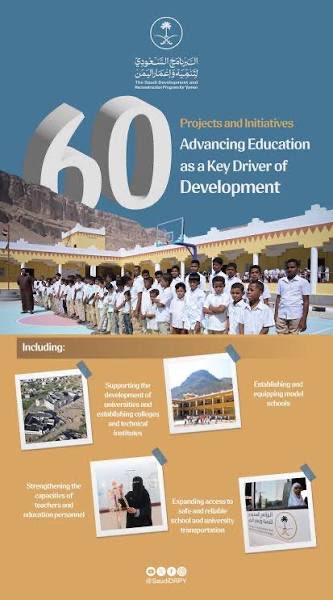
Saudi support — economic, developmental, humanitarian, health, educational, and institutional — has also played a major role in sustaining the Yemeni government, its institutions, and the forces resisting the Houthis.
That support helped prevent the Houthis from extending their control across the whole of Yemen. It also helped preserve large parts of the country outside a political and military project whose slogans include “Death to America” — the very country you represent.
That is not a minor point when we discuss Yemen’s future and the kind of state in which future generations of Yemenis will live.
Because ultimately, the question is not whether one supports or opposes Saudi Arabia.
The real question is: What kind of Yemen should exist?
A Yemen governed by state institutions that can be held accountable, reformed, and changed through political processes?
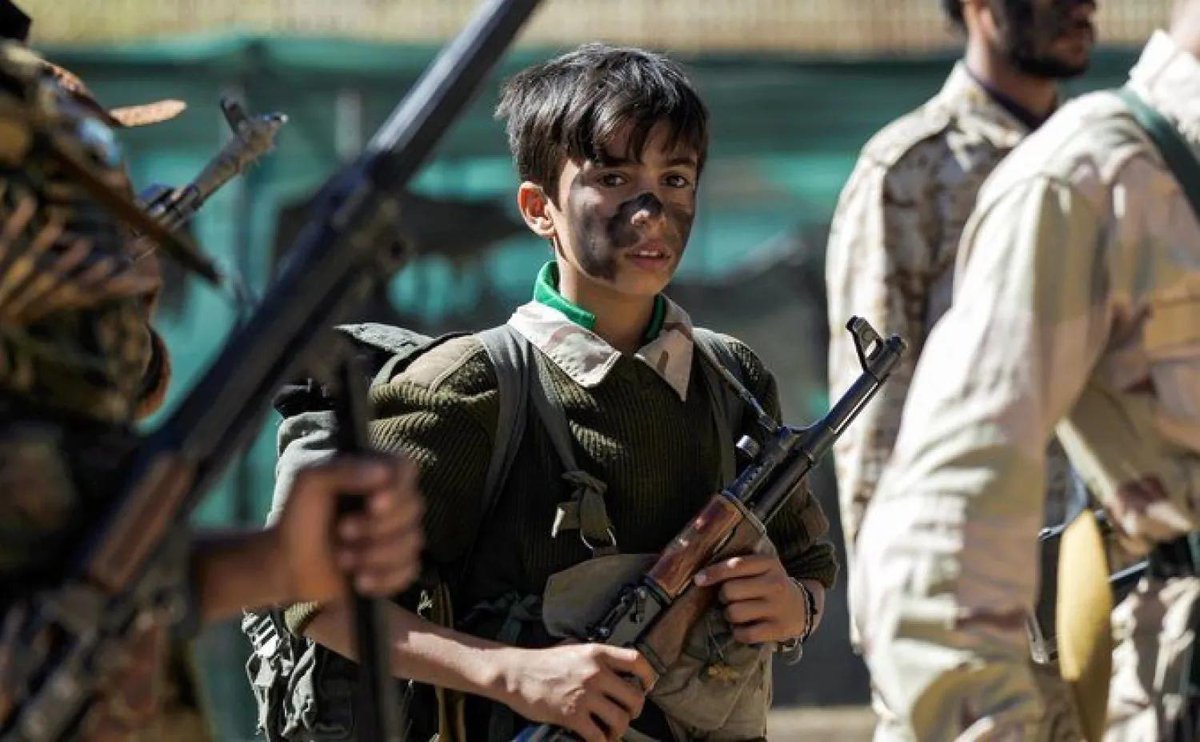
Or a Yemen in which an armed movement imposes its rule by force, militarizes children, possesses missiles and drones, and extends its influence toward one of the world’s most important maritime chokepoints, the Bab al-Mandab Strait?
So on one point, I agree with you:
Yes — let Yemen live.
But let Yemen live as a sovereign state, not as an arena for an armed project backed by Iran.
Let Yemeni children go to school, not to military camps and battlefronts.
Let Yemeni children receive vaccinations instead of watching preventable diseases return.
And let Yemenis live under institutions they can question, reform, and hold accountable — not under the rule of the gun.
And finally, I ask you: please leave Yemen and its people out of political narratives that deepen their suffering.
They have endured more than enough pain.
I hope conscience remains alive, and that Yemenis are seen through the lens of justice and fairness rather than selective politics.
The Yemeni people do not need rhetoric that minimizes what has been done to them or obscures the responsibility of those who have prolonged their suffering.
They need the world to recognize their right to live with dignity, security, sovereignty, and a functioning state.
Please do not add new wounds to a people already carrying far too many.
Give Yemenis the chance to reclaim their country, rebuild their state, and live in peace — free from militia rule, terrorism, and an armed project backed by Iran.
1/2
If we are truly going to talk about the lives of Yemenis, then we must talk about their lives in full — about the suffering of those living under Houthi control, about the hunger, poverty, and disease that have spread under that rule, about U.S. Embassy employees, and about United Nations personnel who were abducted and remain in Houthi prisons.
We cannot reduce more than a decade of Yemeni suffering to a selective political narrative.
So allow me to ask a few questions that speak directly to the daily reality of Yemenis.
Do your children receive their vaccinations?
In Houthi-controlled areas of Yemen, vaccinations have been obstructed and preventable diseases have spread.
Do your children go to school with the confidence that they will return home safely?
For families living under Houthi control, that confidence cannot be taken for granted. The United Nations has documented the recruitment and use of thousands of children, and in its most recent reporting has expressed particular concern over children being recruited and used by the Houthis in armed conflict and sent to the front lines.
And can you imagine what it means for a public employee to go years without receiving a salary, while poverty, war, and economic desperation are exploited to push young people toward recruitment and the battlefield?
The United Nations itself has pointed to poverty, unemployment, and the lack of access to education and economic opportunity as major factors that make children and families vulnerable to recruitment, including the deployment of children to front lines after military training.
These are not abstract questions for us.
This is the daily reality of millions of Yemenis.
The Yemeni people have been paying the price of this tragedy since the moment the Houthi militia seized Sana’a and state institutions by force.
They have also paid the price of twelve years of misguided policies that, at times, treated the Houthis as though they were merely a consequence of the war, rather than an armed militia whose seizure of the state helped ignite, prolong, and deepen the conflict, leaving millions killed, displaced, or forced from their homes.
There is also an important contradiction that should not be ignored.
The United States government — one of whose institutions you serve — has designated the Houthis as a Foreign Terrorist Organization since March 2025. The group has also been designated at different times as a Specially Designated Global Terrorist entity, and a number of other countries have classified the Houthis as a terrorist organization.
Yet we continue to hear arguments for restricting those fighting this group, while far less attention is given to the missiles and drones supplied or smuggled with support from the Iranian regime; to attacks on populated cities; to the killing of civilians; to the destruction of infrastructure belonging to the Yemeni people; to child recruitment; to threats against international shipping and global trade; and to the ideological indoctrination of thousands of children and young people with slogans of death and violence.
Nor can the story of Yemen over the past decade be told while simply removing Saudi Arabia from it.
Do you know that the relationship between Yemen and Saudi Arabia is not merely a political relationship shaped by the circumstances of war?
Around two and a half million Yemenis live and work in Saudi Arabia, supporting more than ten million Yemenis back home. Their remittances are a lifeline for millions of Yemeni families.
And do you know that the relationship between the Yemeni and Saudi peoples goes far beyond temporary political interests?
It is a relationship built on blood, brotherhood, geography, intermarriage, history, and longstanding human ties — as well as acts of solidarity that Yemenis remember, particularly during the most difficult years of this crisis.
Continued in the post below ↓
@SaudiNews50 رحم الله المتوفى وألهم أهله الصبر، ونسأل الله الشفاء العاجل للمصابين.
الحوثي الإيراني يهدد المدنيين ويكشف مجددًا أن هذه المليشيا لا تجلب لليمن والمنطقة إلا الخطر والدمار.