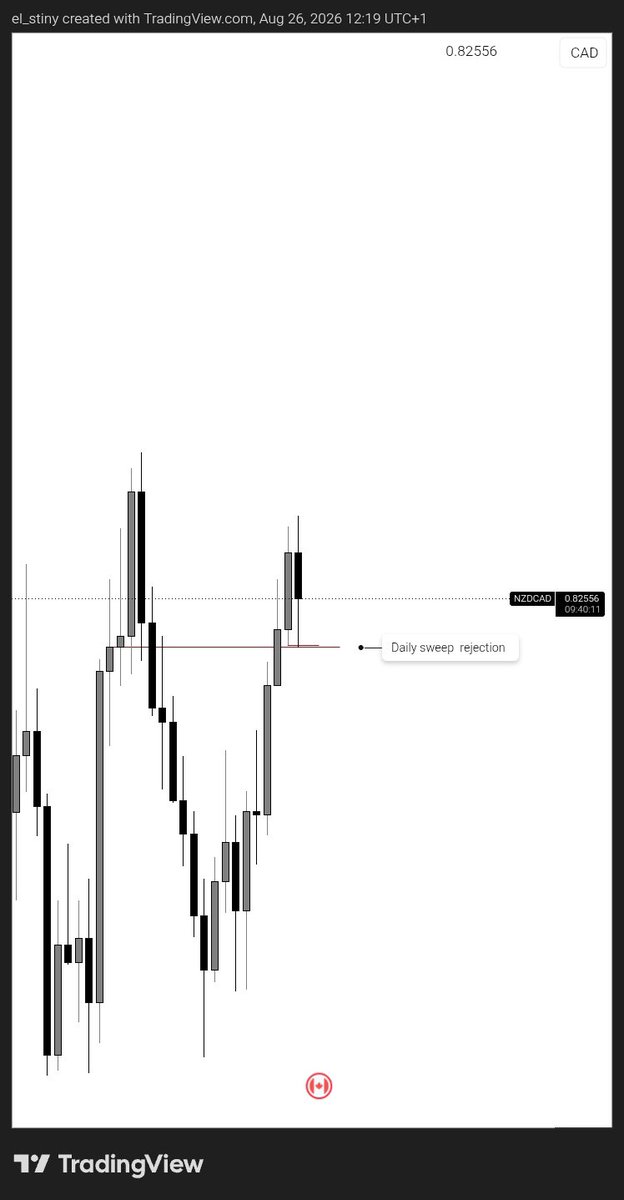
🧠 BUILDING A TRADING BIAS
From @boiscofield class hosted by @PenSolar_
━━━━━━━━━━━━━━━━━━
01. ⏳ TIMEFRAME HIERARCHY
Use a top-down approach:
Monthly → Weekly → Daily → H4 → Lower TFs
Start from the highest timeframe and work your way down.
The more aligned the higher timeframes are, the stronger the potential for a high-quality trading environment.
━━━━━━━━━━━━━━━━━━
02. 🔑 THE KEY COMPONENTS
Liquidity
→ Where is liquidity resting, and how does it interact with key levels?
Key Levels
→ Identify significant areas where price is likely to react.
Structure
→ Determine the current directional context of the market.
High-Probability POI
→ Locate areas where price has a strong reason to react.
━━━━━━━━━━━━━━━━━━
03. 🎯 BUILDING THE BIAS
A trading bias can be built around three primary elements:
01. Key Level
02. Liquidity
03. FVG / Imbalance / Inefficiency
These provide the location + context needed to determine where price may react.
━━━━━━━━━━━━━━━━━━
04. ✅ CONFIRMATION
Don't build a bias from one piece of information.
Look for confluence through:
01. Rejection / Sweep / Rebalance
02. Candle Closure
03. Break of Structure (BOS)
The goal is to have multiple pieces of evidence pointing in the same direction.
━━━━━━━━━━━━━━━━━━
05. ❓ THREE QUESTIONS
Before forming a directional bias, ask yourself:
01. Where is price coming from?
02. Where is price currently?
03. Where is price likely going?
Think of it as:
ORIGIN → CURRENT LOCATION → DESTINATION
━━━━━━━━━━━━━━━━━━
🧩 THE CORE FRAMEWORK
Higher-Timeframe Context
↓
Key Level
↓
Liquidity
↓
FVG / Imbalance / Inefficiency
↓
Rejection / Sweep / Rebalance
↓
Candle Closure
↓
Break of Structure
↓
DIRECTIONAL BIAS → ENTRY
━━━━━━━━━━━━━━━━━━
⚠️ THE GOLDEN RULE
A bias is a hypothesis, not a prediction.
You don't force the market to agree with your bias.
Let price confirm it.
#TheBraversTradingBootcamp2026
@The_4thMan
MASTERING INSTITUTIONAL PRICE ACTION
From Macro Bias → Liquidity → Structure → Precision Execution
«Mastery is not just technical.
A trader must align market understanding with psychological discipline. Strategy tells you what to do; discipline ensures you actually do it.»
This framework organizes core Institutional Price Action (IPA) concepts into a structured, executable process—moving from higher-timeframe expectations to precise lower-timeframe execution.
---
01 — MARKET STRUCTURE & DIRECTIONAL BIAS
◈ Understanding Structure
A bullish market generally cycles through two primary phases:
① Expansion → BUYING PHASE
Price expands aggressively, creating directional momentum.
② Retracement / Reversal → SELLING PHASE
Price retraces or reverses to rebalance the market.
«Key Insight:
Two traders can take opposite positions on the same asset and both be correct—if each trader is aligned with the market phase of their respective timeframe.»
◈ Timeframe Alignment
Build your directional bias from the top down:
MONTHLY → WEEKLY → DAILY → H4 → LOWER TIMEFRAMES
The goal is to determine whether higher timeframes are moving with a clear, unified directional expectation.
◈ Building the Bias
Look for:
① Key Levels
- A-Shape Swing Highs
- V-Shape Swing Lows
- Ocl
② Rejection
- Price reaches a Key Level.
- A rejection occurs.
- A decisive candle closes away from the level.
③ Lower-Timeframe Confirmation
Drop down in timeframe and look for:
«SWEEP + BREAK OF STRUCTURE → REVERSAL»
or
«RECENT BREAKOUT → CONTINUATION»
---
02 — LIQUIDITY & KEY LEVEL SELECTION
◈ The Core Principle
«Price transitions from Internal Liquidity → External Liquidity.»
Liquidity provides the fuel for price movement.
◈ Selecting the Right Key Level
Don't just mark every level you see.
Prioritize the Key Level closest to major liquidity.
The closer the level is to significant liquidity, the more relevant it becomes within the current price delivery.
◈ The Thought Process
01. ARRIVAL
Price approaches from a higher-timeframe Key Level.
↓
02. LIQUIDITY EVENT
Price sweeps an existing liquidity pool.
↓
03. STRUCTURAL SHIFT
Price breaks structure.
↓
04. INEFFICIENCY
The move leaves behind an inefficient price area—typically an FVG.
↓
05. HISTORICAL CONFLUENCE
Identify previous Key Levels left behind within or around the imbalance.
---
03 — WHAT VALIDATES AN IPA SETUP?
A setup becomes more compelling when three core elements align:
◈ ① LIQUIDITY TARGETING
Price actively attacks an existing liquidity pool.
Ask:
What liquidity is price currently reaching for?
◈ ② IMBALANCE RESOLUTION
Price returns to rebalance previous inefficiencies such as Fair Value Gaps (FVGs).
Ask:
What imbalance is price likely to resolve?
◈ ③ HISTORICAL CONFLUENCE
The Key Level should correspond with a previous area where price demonstrated meaningful reaction.
Ask:
Has price respected this area before?
«Liquidity + Imbalance + Historical Key Level = Stronger IPA Context»
---
04 — EXPECTATION → EXECUTION
◈ The Expectation
Before looking for an entry, establish the macro narrative:
MONTHLY
↓
WEEKLY
↓
DAILY
You want to understand the broader directional environment before dropping down to execute.
◈ Execution Criteria
A high-quality execution should ideally contain:
✓ Recent Breakout
✓ Market Inefficiency
✓ Fair Value Gap (FVG)
✓ Historical Key Level
The goal is not to enter because price looks attractive.
The goal is to enter because multiple pieces of the same narrative converge at one location.
---
05 — PRIMARY ENTRY MODEL
◈ FVG + Historical Key Level
When IPA creates a Fair Value Gap, price may later return to rebalance that inefficiency.
Your job is to identify whether a historical Key Level exists inside the FVG.
ENTRY LOGIC
IPA Expansion
↓
FVG Created
↓
Price Returns to FVG
↓
Historical Key Level Inside FVG
↓
Precision Entry Zone
«The FVG provides the inefficiency.
The KL
🧠 BUILDING A TRADING BIAS
From @boiscofield class hosted by @PenSolar_
━━━━━━━━━━━━━━━━━━
01. ⏳ TIMEFRAME HIERARCHY
Use a top-down approach:
Monthly → Weekly → Daily → H4 → Lower TFs
Start from the highest timeframe and work your way down.
The more aligned the higher timeframes are, the stronger the potential for a high-quality trading environment.
━━━━━━━━━━━━━━━━━━
02. 🔑 THE KEY COMPONENTS
Liquidity
→ Where is liquidity resting, and how does it interact with key levels?
Key Levels
→ Identify significant areas where price is likely to react.
Structure
→ Determine the current directional context of the market.
High-Probability POI
→ Locate areas where price has a strong reason to react.
━━━━━━━━━━━━━━━━━━
03. 🎯 BUILDING THE BIAS
A trading bias can be built around three primary elements:
01. Key Level
02. Liquidity
03. FVG / Imbalance / Inefficiency
These provide the location + context needed to determine where price may react.
━━━━━━━━━━━━━━━━━━
04. ✅ CONFIRMATION
Don't build a bias from one piece of information.
Look for confluence through:
01. Rejection / Sweep / Rebalance
02. Candle Closure
03. Break of Structure (BOS)
The goal is to have multiple pieces of evidence pointing in the same direction.
━━━━━━━━━━━━━━━━━━
05. ❓ THREE QUESTIONS
Before forming a directional bias, ask yourself:
01. Where is price coming from?
02. Where is price currently?
03. Where is price likely going?
Think of it as:
ORIGIN → CURRENT LOCATION → DESTINATION
━━━━━━━━━━━━━━━━━━
🧩 THE CORE FRAMEWORK
Higher-Timeframe Context
↓
Key Level
↓
Liquidity
↓
FVG / Imbalance / Inefficiency
↓
Rejection / Sweep / Rebalance
↓
Candle Closure
↓
Break of Structure
↓
DIRECTIONAL BIAS → ENTRY
━━━━━━━━━━━━━━━━━━
⚠️ THE GOLDEN RULE
A bias is a hypothesis, not a prediction.
You don't force the market to agree with your bias.
Let price confirm it.
#TheBraversTradingBootcamp2026
@abeemlyn If you’ve done your analysis, formed your bias, and identified your entry, do the opposite.
If your analysis says BUY, SELL.
If it says SELL, BUY.
Then watch what happens. 😭