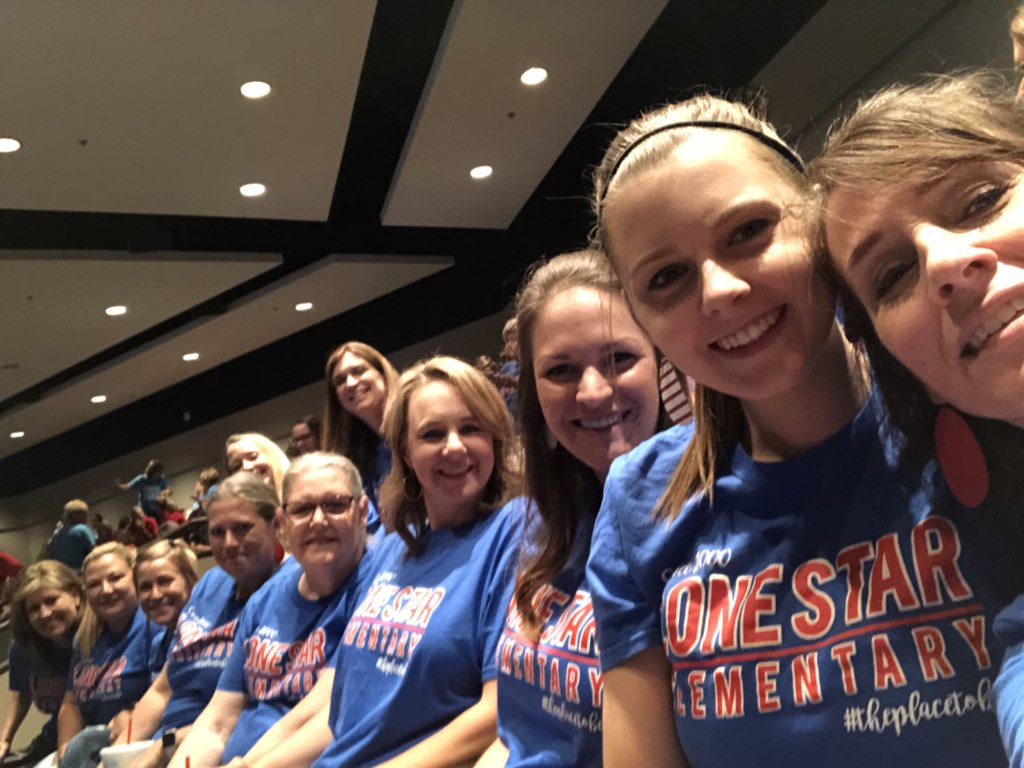
A3: Using assessment as a tool to help us learn more about our students changes how we view assessment. We should be continually learning more about our kiddos and changing instruction to reflect that. #Kellerliteracy
A1: Running record data gives me a good starting point with a child’s reading level, but can be limiting as it only includes info about level and fluency, and about that particular text. #KellerLiteracy
A4: My goal is to expose my students to a wider variety of texts like the first point on p. 126 suggests. I plan on subscribing to a few magazines to help with this and also bring in cookbooks, coffee table books and how to books. #KellerLiteracy
A3: Next Gen IR looks like students reading a variety of self selected texts, conversational conferences, and high engagement. Students are learning to love to read. #KellerLiteracy
A2: RA, SR, and GR must all be in place in order for students to be successful during IR. If these components are missing or weak, students will flounder when reading on their own! #KellerLiteracy
Sarah Carroll, second grade teacher at LSES. I’m tweeting from the beach this week with spotty service so I apologize for any delayed responses! #KellerLiteracy
A3: Teacher language would be a giveaway- is it more specific or guided and open ended? Amount of student reading would also be a big clue. #Kellerliteracy
A2: Conv. GR can lead to students who depend on the teacher to give them strategies and solutions when reading gets tricky. Students might rely on teachers for answers instead of problem solving on their own. #KellerLiteracy
A1: “Reading that happens in these groups serves as a dress rehearsal...” (P. 79) This is the chance for students to practice and show us what they know before independent reading #Kellerliteracy
A4: Finding a series that hooks a child’s interest will help them read a higher volume of books, and in turn help them grow into a better reader. Books that interest the child is key, and series are a great way to keep them interested! #KellerLiteracy