@DavidHughesEU Villages across the uk would benefit if this were rolled out more widely. Slowing drivers will make for better decision making and would I think lead to a bit more collaboration, fewer log jams in narrow streets and less stress for everyone.
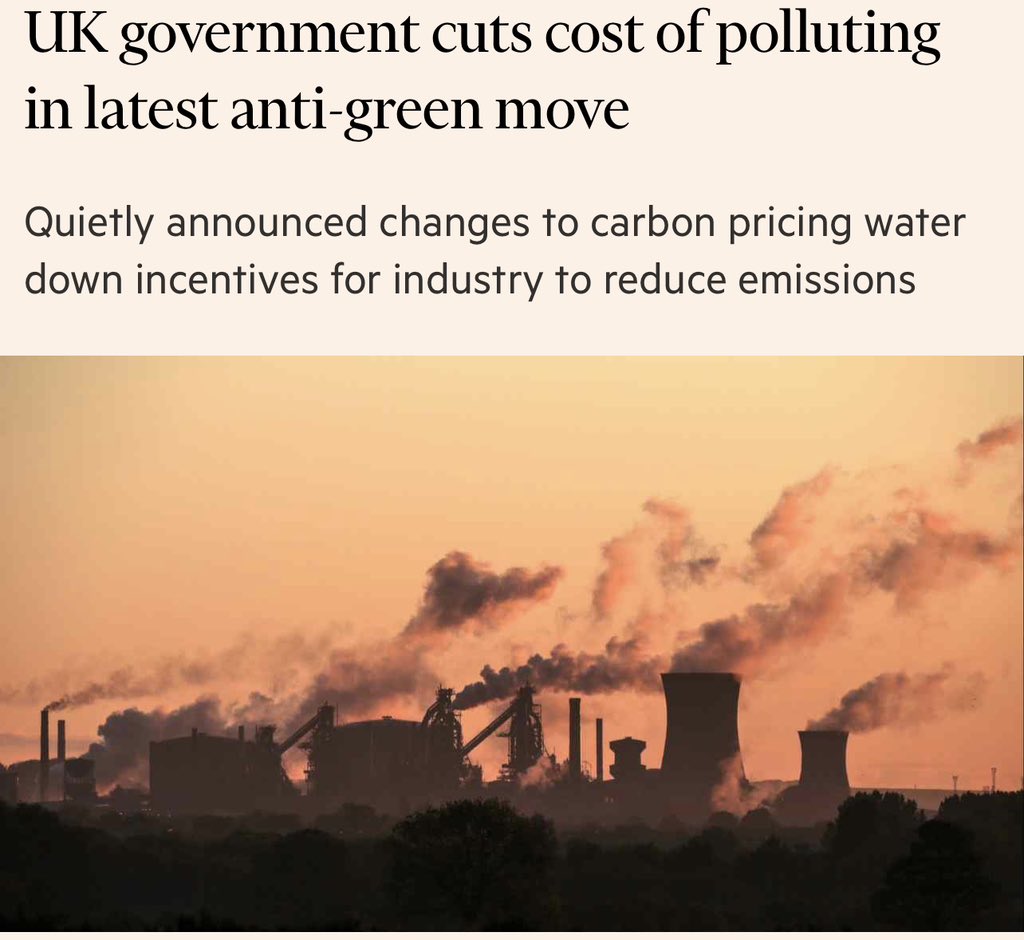
Both Sunak and Starmer are selling our beautiful country down the river. New video on their disgraceful trashing of our environmental commitments.
https://t.co/NsTbzZdpLk
Right ... so not climate breakdown, not nuclear war, not global food system failure, not oligarchic power, but desperate people in small boats seeking refuge.
We are living in the Upsidedown.
InfoSys, owned by Sunak’s father-in-law +source of his wife’s wealth, link with “two of the top five integrated oil and gas companies, three of the top four oilfield services providers, and five of the top 10 independent upstream enterprises across the oil and gas landscape”.
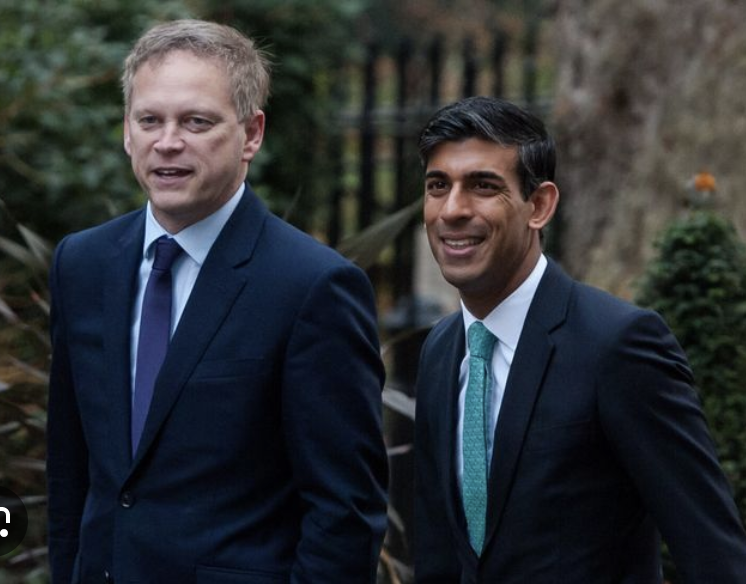
The late environmental lawyer, Polly Higgins, campaigned for the international court to include ecocide as a crime against humanity. Had she been successful Sunak and Shapps would be in the dock now. The worst decision by a PM in living memory.
Theresa May commends the privileges committee members for their "dignity in the face of slurs on their integrity". She pays particular respect to Harriet Harman
There has been no better MP in my lifetime than @CarolineLucas. There must be at least eight clones of her – otherwise how could she do so much? She will be sorely missed in Parliament, though I’m sure she'll do great work elsewhere. Thank you Caroline for all you have done.
This is is an absolute shocker of an article and gets just about everything wrong: Mr Bean does Engineering.
Let's have a look at some of the nonsense, shall we?
1/
Livestock farming on Dartmoor and in our other national parks is going to go one of *only* two ways:
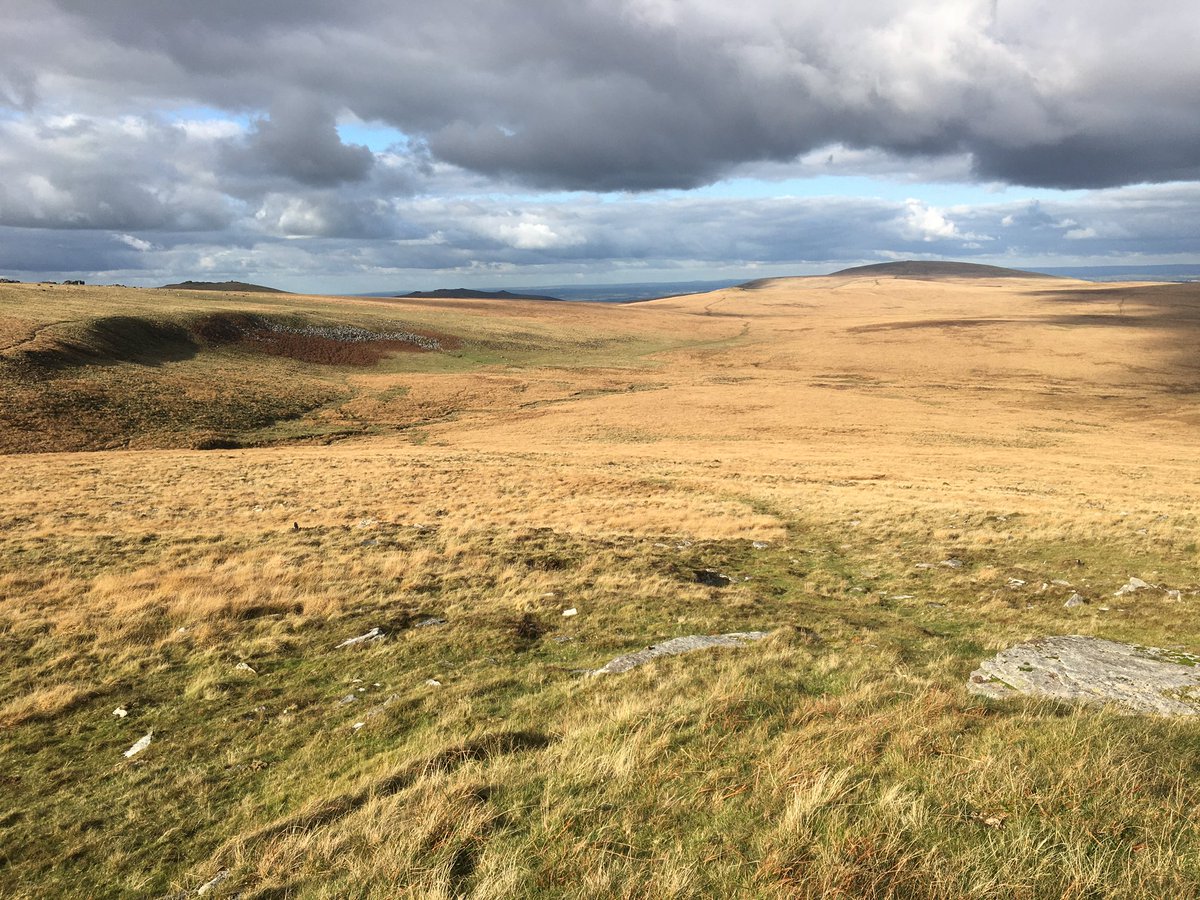
Option 1) misguided farmers, their representatives, MPs and others successfully strong-arm @NaturalEngland into continuing the flow of taxpayers’ money towards maintaining the status quo. Livestock farmers on Dartmoor have received approximately £200 million of *your* money in the last 10 years for delivering nature recovery, and yet nature in the national park is in even worse shape today than it was at the start. Increasingly the public comes to understand that these bare, sheep-wrecked hillsides, devoid of trees, wildflowers, birdsong and wildlife, are anything but “natural”, and that hordes of heavily subsidised sheep are responsible. The social contract with such farmers breaks down irrevocably, and the government of the day decides to scrap these unjustifiable subsidies altogether. Farmers largely disappear from our national parks, in an irreversible social tragedy which could so easily have been avoided.
Option 2) farmers accept that millions of sheep in the uplands are not only hopelessly uneconomic, unable to deliver a decent living for anyone, but they are also the main obstacle standing in the way of meaningful nature recovery in our national parks. Communities of farmers come together and develop ambitious plans for restoring vital scrub and wildflower-rich woodland pastures across whole landscapes, by making the transition back to a more traditional, extensive way of farming using native horned cattle instead of sheep. New market opportunities emerge in natural capital and nature tourism, supplementing the generous payments provided by a grateful nation for the vital work these proud farmers are doing in our most cherished landscapes.
There is no Option 3. Farmers in our national parks ought to wake up and smell the coffee. No good can come of the kinds of games which are being played right now on Dartmoor. The UK has joined nearly all of the nations of the world in pledging to restore 30% of land and 30% of sea by 2030. If we are unable as a country even to do that in our national parks, then where? How? The writing really is on the wall and real change cannot come soon enough. farmers in our national parks should embrace it and lead the way.
We will not get through this century unless we rethink every aspect of how we produce our food. Here's a radical manifesto for doing it all differently.