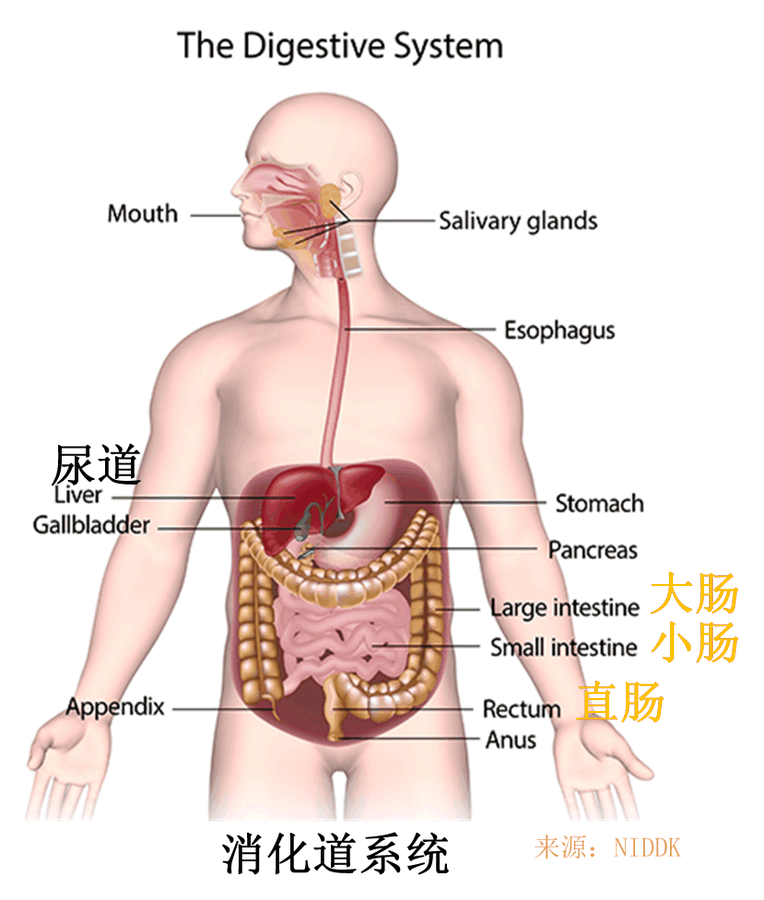
2 Content 2.1 enema 2.1.1 Digestive SystemRectum development is risky work. Before development, you need to understand the digestive system and choose a safer way to perform enemas.The digestive system is made up of the gastrointestinal tract—also called the GI tract or digestive tract—and the liver, pancreas, and gallbladder. The GI tract is a series of hollow organs joined in a long, twisting tube from the mouth to the anus. The hollow organs that make up the GI tract are the mouth, esophagus, stomach, small intestine, large intestine, and anus. The liver, pancreas, and gallbladder are the solid organs of the digestive system. The small intestine has three parts. The first part is called the duodenum. The jejunum is in the middle and the ileum is at the end. The large intestine includes the appendix, cecum, colon, and rectum. The appendix is a finger-shaped pouch attached to the cecum. The cecum is the first part of the large intestine. The colon is next. The rectum is the end of the large intestine. 2.1.2 The Effect of EnemaEnema generally uses water or oil-based enema. The former can contain water or mixed with some baking soda, while the latter mainly comes from products on the market. According to current knowledge, water-based enemas may cause nausea, palpitations, dizziness, abdominal pain, and other problems with a small probability, and may cause electrolyte imbalance. Note: Please do not mix soap or shower gel and other alkaline substances into the water, as it will damage the intestinal mucosa. Secondly, frequent enemas will also impact the intestinal flora and cause more serious constipation problems. Oil-based enemas (including glycerin) may cause stomach cramps or pain, nausea, diarrhea, and some irritation to the rectum, and some people may experience allergic reactions such as rashes and swelling of body parts. No matter what kind of enema cleaning agent, there may be some adverse reactions: The rate of enema is too high, causing intestinal damage or perforation Destroy the natural microbiome in the gut Pain caused by using very hot or cold liquids Injection of too much fluid that may remain in the body for uncontrolled sudden discharge Infections are caused by unsterilized equipment, especially in people with autoimmune diseases or compromised immune systems. 2.1.3 The Choice of Enema ToolsAt present, there are many kinds of enema tools, and they can be divided into three categories: water pipes, air cylinders and enema bags. I recommend water pipes and air pumps. For beginners, air pumps are a good choice. The water flow is smaller and safer. The diameter of the socket is small and will not cause great pain. Apply lubricant in advance and it will be easy to use. Avoid pain to a large extent. The water pipe is connected to the faucet, and the other side is inserted into the intestine. This method is suitable for people with certain experience. Note that you must use warm water of about 30 degrees, not too cold or too hot. Generally, you can feel it with your hands. If your hands already feel slightly warm or just right, it's a bit too hot for your intestines. Secondly, when using water pipes, large water flows should be avoided to reduce the impact on the intestines. Here are some commonly encountered selection issues: Disposable and reusable enema kits One of the first things to consider when choosing an enema kit is quality. While disposable enema bags can be effective for home enemas, they are not a good long-term option and the hard plastic nozzles included with these kits can be awkward for the user. It doesn't feel comfortable. With the right quality equipment and nozzle, an enema won't be painful or uncomfortable. Latex and silicone material It is recommended to choose silicone rather than latex for enema equipment, especially if other substances are used in the enema solution, such as oil-based ones, essential oils, or coffee. Essential oils and coffee degrade latex over time. Do not use enema such as beer The intestinal absorption rate of alcohol is high, and beer enemas are likely to have life-threatening consequences.