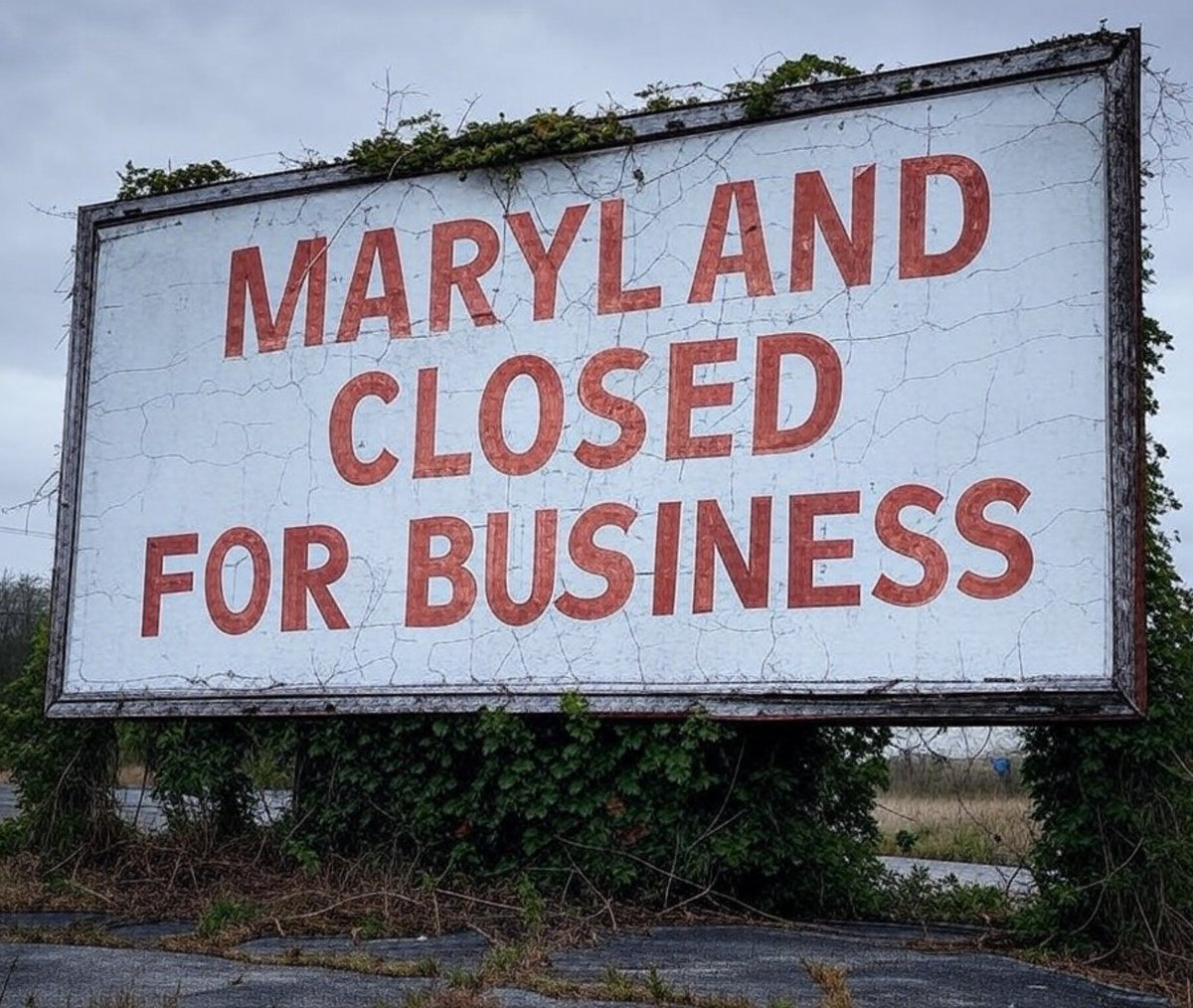
It’s a bit brutal of a meme, but it was inspired by today’s podcast by @BryanDeanWright
The government definitely thinks it’s kosher to kill(take) birds of prey.
https://t.co/YvkDmOTk5R
In case you were wondering how Wes Moore was able to do what most veterans can’t, and get high level retroactive awards for service in past decades, we now have the answer. It looks like he exploited his work for Kamala Harris in exchange for a favor from a senator in California. the whole process stank FROM THE BEGINNING!
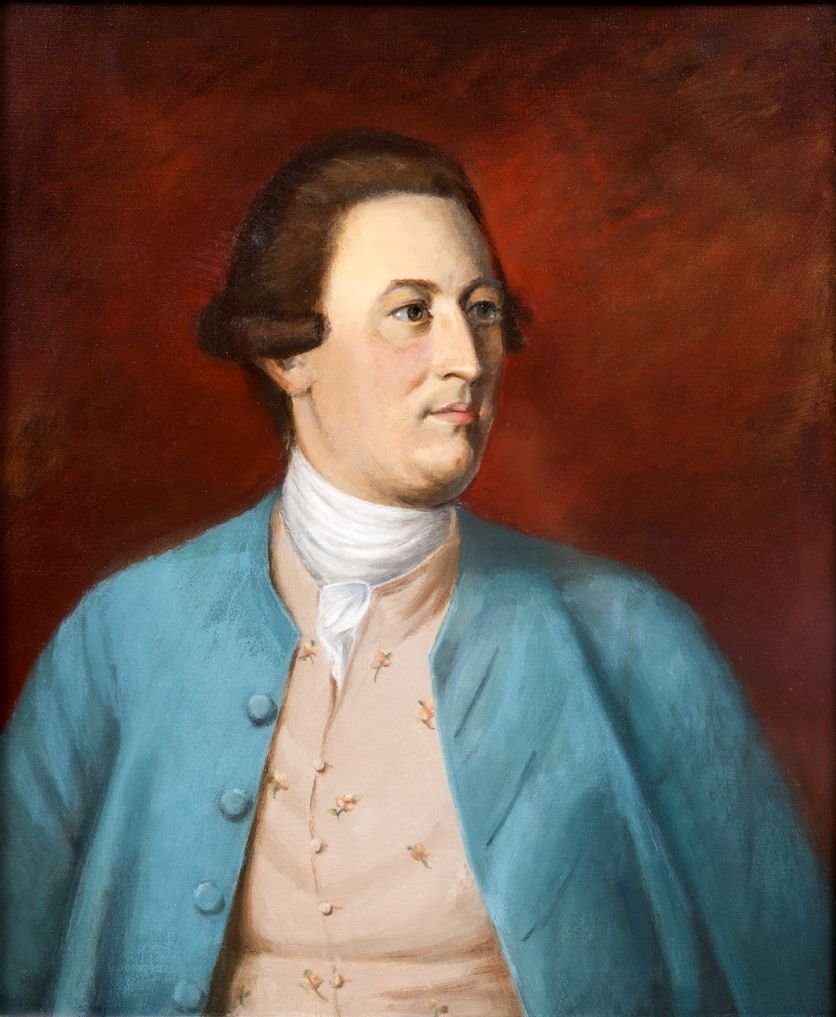
John Adams nicknamed him "the deliberator" because he refused to rush into anything. So when this man calmly weighed the odds and then bet his entire fortune on independence, it meant something. Meet William Paca.
Paca was Maryland aristocracy. Born in 1740 into real wealth, he got a serious education, first at the College of Philadelphia, then he sailed to London to study law at the Inner Temple, which was a rare and expensive thing for a colonial kid to do. He came home a polished, brilliant lawyer and settled in Annapolis with money, status, and a bright future under British rule.
He was not a hothead. This is the key to him. His friend John Adams described him in his diary as a "deliberator," a man who thought long and hard, who talked things through, who weighed both sides before committing. Paca didn't get swept up in a mob. He reasoned his way to revolution, which arguably takes more courage, because he understood exactly what he was risking.
And then he committed completely. He and fellow Marylander Samuel Chase helped bankroll a local chapter of the Sons of Liberty, the underground resistance network. He put his own money into the cause early, when it was dangerous to do so. Then he served in the Continental Congress and signed the Declaration of Independence, staking his fortune and his neck on it.
When the war actually came, Paca kept spending. He reached into his own deep pockets to help supply and support Maryland's troops, using his personal wealth to keep the fight going when public funds ran dry.
He carried private grief through all of it too. He had buried his young wife and several of his children over the years, losing his family even as he poured himself into building a country.
Unlike a lot of signers, Paca's story doesn't end in ruin. He survived the war and kept serving. He became governor of Maryland, and later George Washington personally appointed him a federal judge, a post he held until he died in 1799.
He also left something you can still walk through today. His elegant Annapolis home, the Paca House and Garden, still stands as a national landmark, a surviving piece of a Founding Father's actual world.
A rich man who didn't have to risk a thing, who thought it through more carefully than anyone, and chose to gamble it all anyway.
William Paca. The deliberator who decided freedom was worth everything.
This makes me want to vomit. But it has to be said and it has to be known. It is too large, went on for too long and is too brutal to be swept under the rug. Rape is how you alter bloodlines, culture & identity. It is how you conquer a nation. It is a weapon of war. And always has been.