Val Jones, our incredible and much loved, upper limb Advanced Practice Physiotherapist had a serious road traffic collision on June 6th 2025 and now needs 24-hour care and major adapted living conditions. Please support her continued rehabilitation. https://t.co/yvndbtD9jG
@CorKinetic I like Moseley’s formulation—we think pain is proportional to damage but it’s more correlated with perceived (unconsciously) danger. Pain is more danger-meter than damage-meter.
A heartfelt thank you to all the experts in shoulder instability and rehabilitation for your invaluable contributions. Your work continually inspires me and directly benefits my patients. @edel_fanning@ShoulderGeek1@anncools4@margie_olds@AnjuJaggi
It was a pleasure to represent @SNDeutschland alongside @PzuWim at the Muskuloskelettal Kongress Frankfurt. Sharing the latest insights on RCRSP and shoulder instability was a fantastic experience. Thanks to the organizers for a well-planned and welcoming event!
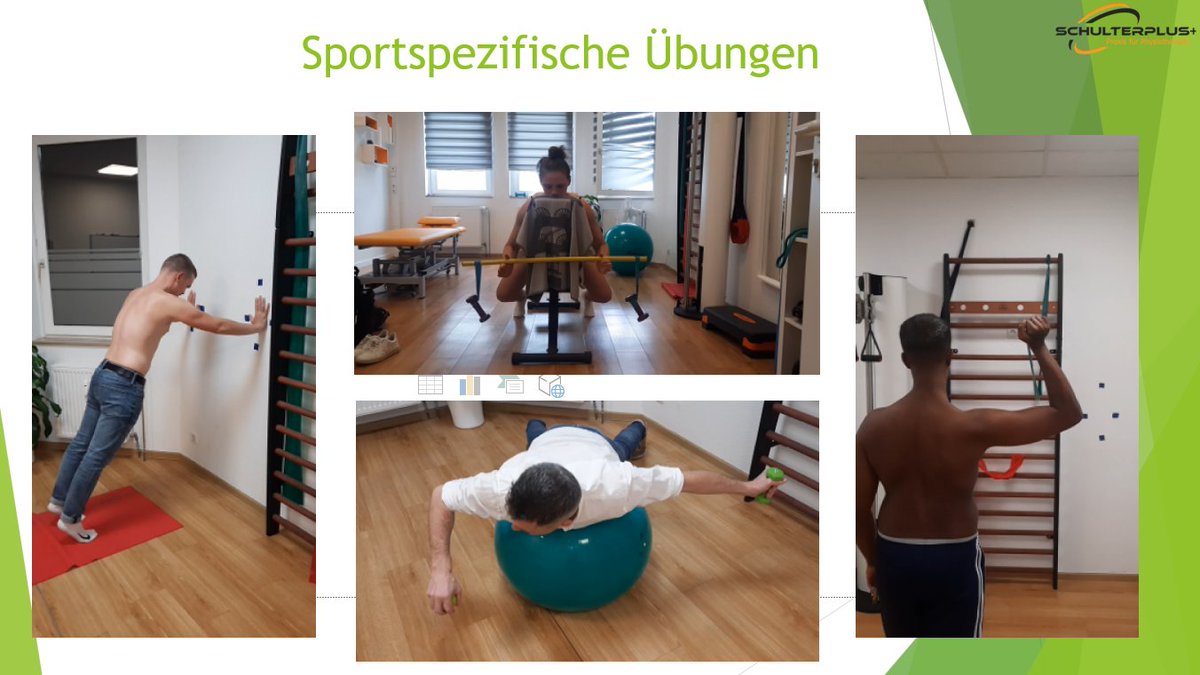
Absolute recommendation for physiotherapists who are interested in athletic shoulder rehabilitation. Well done @Physiotutors and @edel_fanning!👍🙌 https://t.co/R1hZRI78DD
@PhysioDaveA@sececessse@EUSSERBOARD@edel_fanning I also wanted to thank you for your insights on scapular movement in the rehabilitation of ACJ injuries. I will definitely incorporate those into my rehab program.
Thanks to @sececessse and @EUSSERBOARD for the beautiful days in Munich. The lectures and discussions were once again of the highest quality. My personal favorites this year were @PhysioDaveA with "ACJ injury" and @edel_fanning with "traumatic shoulder dislocation.👏🙏
@PhysioDaveA@sececessse@EUSSERBOARD@edel_fanning Thank you! I also enjoyed our conversation and would love to stay in touch for future exchanges. But for today, we are most excited to reunite with our children and families — I'm sure you feel the same!✌️
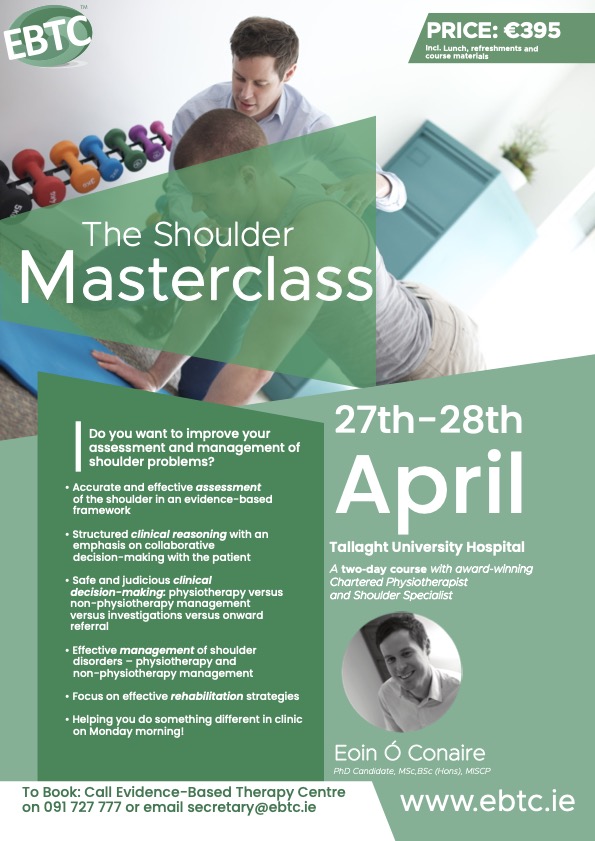
Delighted to announce that my next #shouldermasterclass is @TUH_Tallaght on 27th & 28th April. So if you fancy a very clinically-focused course learning all about stiff, weak and wobbly shoulders and really getting into how to get people better, this could be the course for you!
Being a physio is hard. We must consider everything from the cell to society and the philosophical paradigm underpinning it all. We are the polymaths of health care 🤩
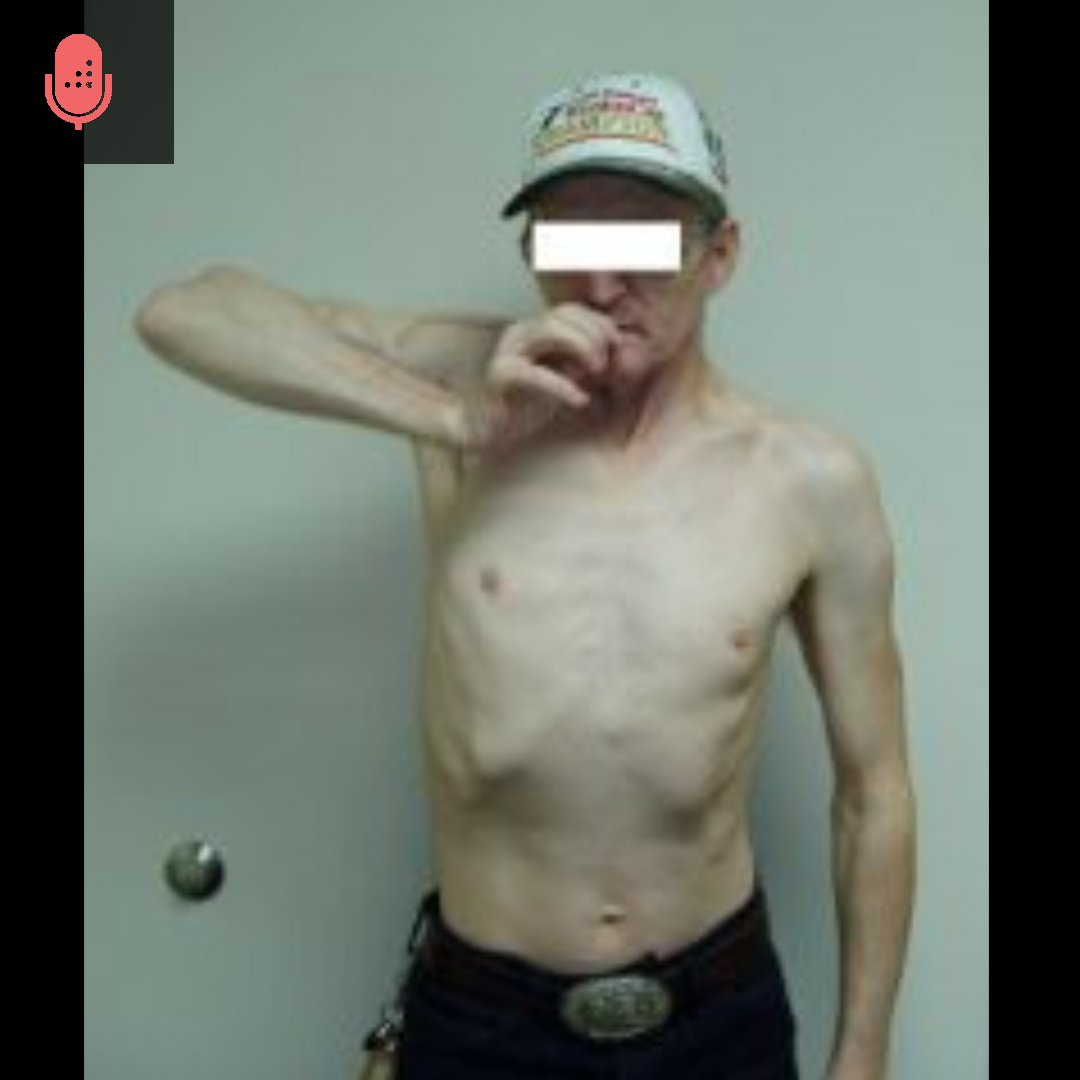
The shoulder exam involves inspection, palpation, range of motion, neurovascular exam, and provocative tests. Inspection is important to evaluate for symmetry, swelling, and hypertrophy. Palpation should include all bony prominences such as the sternoclavicular joint, acromioclavicular joint, and scapular spine. Range of motion should involve six planes, forward elevation of 180°, abduction to 90°, external rotation at 90° of abduction, external rotation at side to 80°, internal rotation to T4-8, and internal rotation at 90° abduction. Neurovascular exam should evaluate nerve roots C4-T1. Provocative tests should evaluate for impingement, rotator cuff pathology, labral injuries, bicep injuries, AC joint pathology, and instability.
Learn more on our DAILY Orthobullets podcast. #orthotwitter
https://t.co/RH9TmNnME7
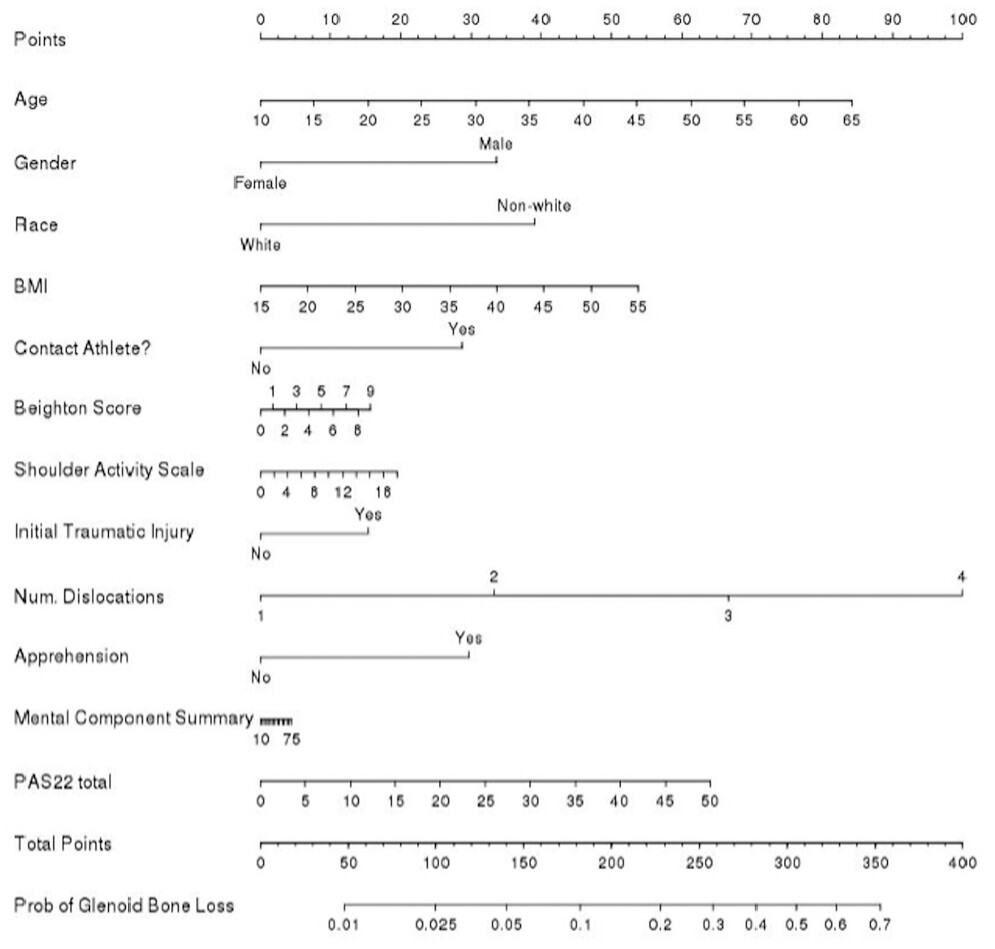
This study from @MOON_Shoulder
shows that the strongest predictor of bone loss in patients with anterior instability is the number of dislocations; with each subsequent dislocation, the risk for bone loss increases significantly. #shoulderinstability https://t.co/75c9TYy4V6