The Science of Mindfulness is a scientific blog that disseminates and discusses the latest news and perspectives relating to the science of mindfulness
“Mindfulness practices like critical analysis can reveal the mental formations behind these tools.”
New Op-Ed by the Educating Gossip introduces us to the Oppositional Cultural Practice and the way that it can help us reshape society.
New interview with Dr. Linda Carlson, Professor of Psychosocial Oncology at the University of Calgary, shares her knowledge about the field of psychosocial oncology and how mindfulness can help.
https://t.co/XA44I7fRlQ
“Mixed method approach is incredibly important for any type of science, but especially contemplative neuroscience research, where there are many different ways of obtaining insight into the impact of contemplative practices on the human experience.”
https://t.co/1mwTTJBm9m
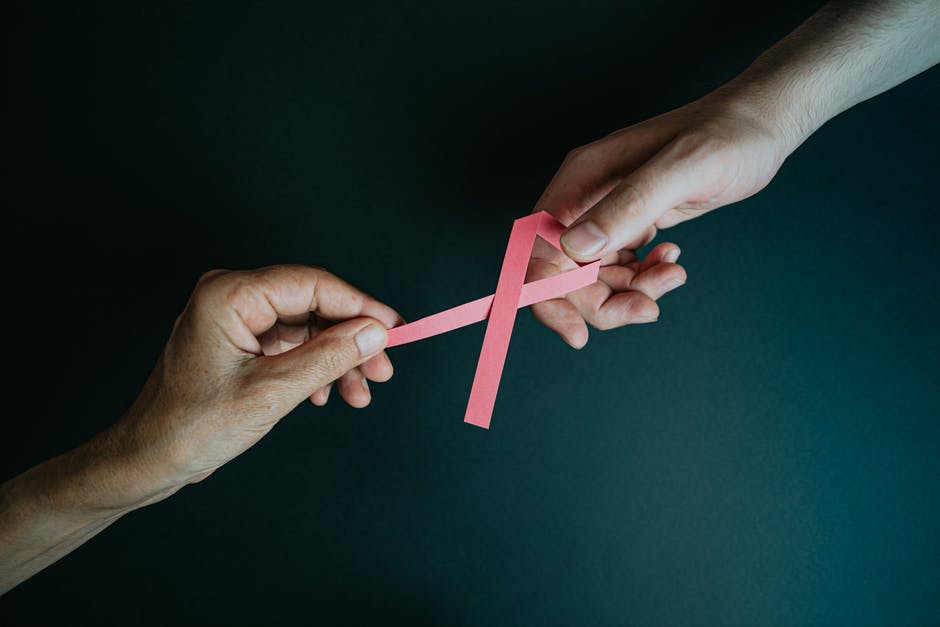
A new study shows that mindfulness yoga + standard intervention for women with early-stage breast cancer performed better than standard treatment alone for anxiety, depression, and health-related quality of life. It didn't improve pain nor fatigue. https://t.co/XyUF5Xx77I
New longitudinal research shows that mindfulness was a moderator of childhood abuse and family strain over a 10-year period in women, but not men. These findings indicate that mindfulness programs may be helpful for women who were abused in childhood. https://t.co/zRQ1qAJ63f
New research shows the feasibility and effect of an online mindfulness intervention for teens with chronic migraine and high-frequency episodic migraine without aura. Improvements were seen for headache reduction, depression, catastrophizing and disability https://t.co/IjjT0NlQF1
New research found that a brief mindfulness intervention for medical students increased mindfulness levels and decreased perceived stress compared to the control group. Emotional IQ improved in both groups, but more significantly for the mindfulness group. https://t.co/OcrQqQAcW8
New research explored concepts of happiness in relation to mindfulness in students. Results indicate mindfulness was positively related to eudemonism, transformative suffering and negatively related to externality, inflexibility, and fear of happiness https://t.co/Su4p5IiXWi
New research reveals how mindfulness reduces guilt and prosocial reparation, or the drive to repair harm caused by others. Mindfulness reduces guilt, weakens the link between transgressions and reparations, and loving-kindness increases reparations. https://t.co/tgxmFHuCr4
New research explores how mindfulness interventions could safely work for youth at risk for psychosis. Practitioners and youth saw potential benefits for stress, managing thoughts and emotions, and increasing positive emotions. Barriers also recognized. https://t.co/T3cdT2XW0R
Researchers studied how 2 mindfulness interventions affected distinct phases of stress responses in multiple physiological systems. Results indicate that these interventions reduce stress response in nearly all systems compared to the control group. https://t.co/KlxX8o5q7N
New research explores how mindfulness moderates the relationship between PTSD and concurrent depression in veterans. One facet of mindfulness, nonreactivity, was shown to change this relationship such that depression and PTSD are less significantly related https://t.co/Ohl4vdKi8W
Research explored how mindfulness affects physiological response to uncertainty in anxiety. Results showed that intolerance for uncertainty mediated the effects of the ix for social anxiety & worry, but didn't change physiological responses to uncertainty. https://t.co/ShsYGl7osm
“Mindfulness asks the question, ‘What am I experiencing?’ whereas self-compassion asks the question, ‘What do I need?’”
Read the full interview with Harvard Lecturer and Self-Compassion expert Dr. Christopher Germer
https://t.co/F9iIyfe2t7
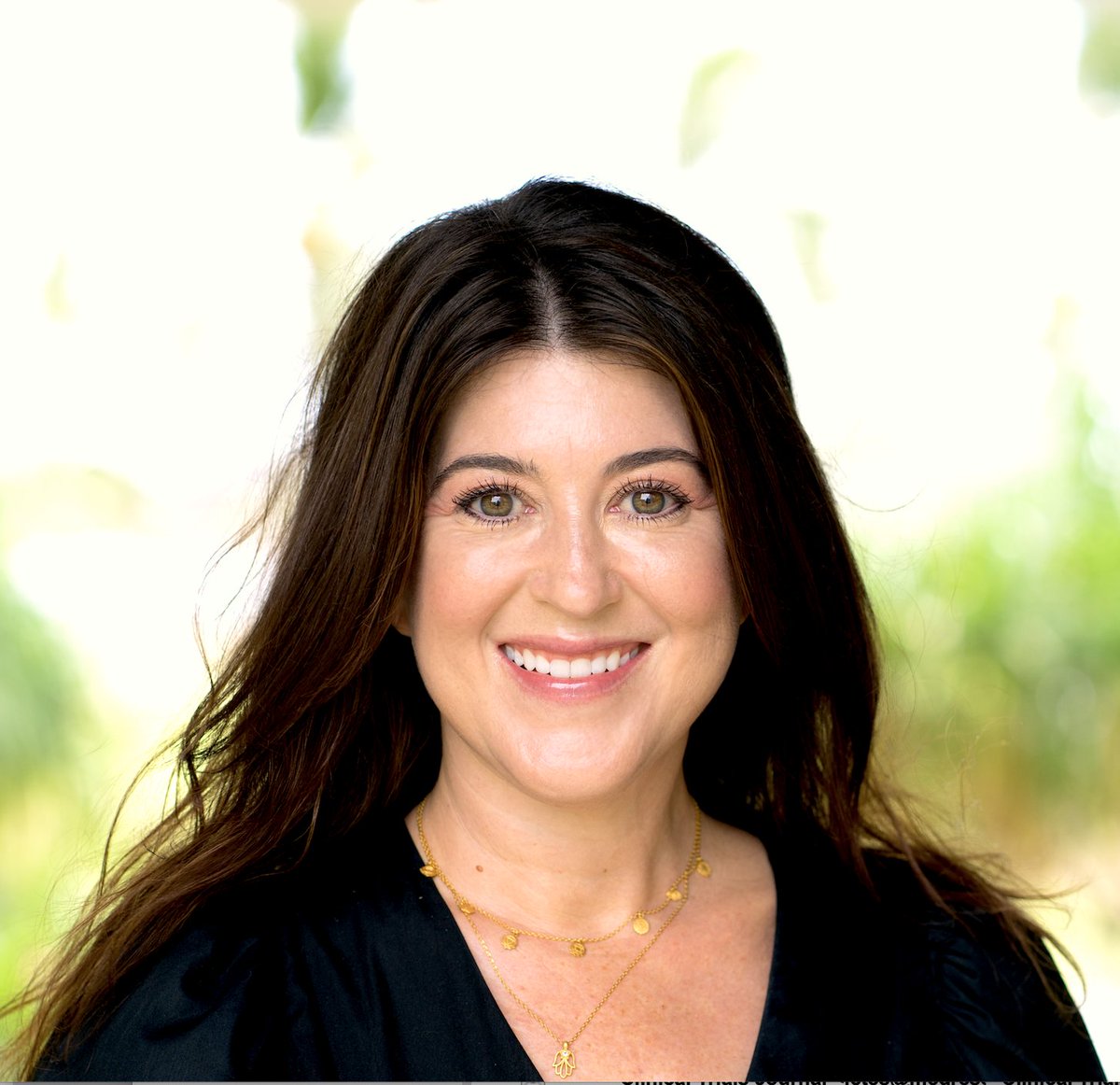
Dr. Erin Bantum is a clinical psychologist working as an Associate Professor at the University of Hawai'i Cancer Center. She designs and tests online mindfulness interventions for cancer patients. Read her interview here:
https://t.co/UlmQToo1yQ
Campus communities are struggling to adjust to the new norm. Learn how Dr. Amy Brown has been successful in offering and sustaining mindfulness classes in her campus community at the University of Hawai'i, Mānoa.
https://t.co/4DWVA1gF75
This back-to-school season we're featuring innovators who have brought mindfulness into schools. The first of the series is Dr. Thao Le of the University of Hawai'i. Read her interview and learn how she successfully launched a mindfulness class.
https://t.co/9HnDzRHUf8