Seeds of the Next War: WWI (Part 30/30)
The Great War ended, but its ghosts never left. Every decision made in 1918-1919 would echo through the next two decades, ultimately exploding into an even deadlier conflict.
The German Humiliation:
Versailles didn't just punish Germany - it created the perfect conditions for extremism. Economic collapse, national shame, and territorial losses gave a failed Austrian painter named Adolf Hitler exactly what he needed: a broken nation desperate for someone to blame.
The Russian Revolution:
The war's chaos birthed the Soviet Union. Lenin's communist experiment would terrify the West and create the ideological battlefield that would define the 20th century.
The Unfinished Business:
Italy felt cheated by the peace settlement
Japan's rise as a Pacific power was ignored
Colonial empires were weakened but not dismantled
Ethnic tensions across Europe remained unsolved
The False Peace:
The League of Nations was born toothless. America never joined. The "war to end all wars" had only created a 20-year intermission.
The Prophecy Fulfilled:
Marshal Foch's prediction came true in September 1939. The unresolved tensions, the humiliated nations, the economic devastation - all became the foundation for Hitler's rise.
The Great War didn't end in 1918. It just took a breath. This concludes our WWI series.
The lesson?
Peace is not the absence of war - it's the presence of justice. Something the world forgot in 1919.
The Cost of War - A World Forever Changed: WWI (Part 29/30)
When the guns finally fell silent at 11 AM on November 11, 1918, the world counted its losses. The numbers were staggering, but they told only part of the story.
The Human Cost:
20 million dead
21 million wounded
7 million missing or prisoners
But behind every number was a name, a family and a future that would never be.
The Empires That Died:
Austrian-Hungarian Empire: Shattered into 7 new nations
Ottoman Empire: Carved up, Turkey born from its ashes
German Empire: Reduced, humiliated, angry
Russian Empire: Already consumed by revolution
The World That Emerged:
Women had proven they could do "men's work"
Colonies questioned why they fought for empires that didn't value them
Technology leaped forward - from biplanes to tanks to poison gas
Medicine advanced through necessity
The Trauma That Lingered:
An entire generation was scarred. Shell shock (now PTSD) was a cultural phenomenon. Art, literature and music all reflected the horror.
The map of Europe was redrawn. The balance of power shifted. The old world order was dead.
But the biggest cost wasn't measured in money or territory. It was measured in innocence lost and optimism shattered.
The Great War truly was the end of one world and the violent birth of another.
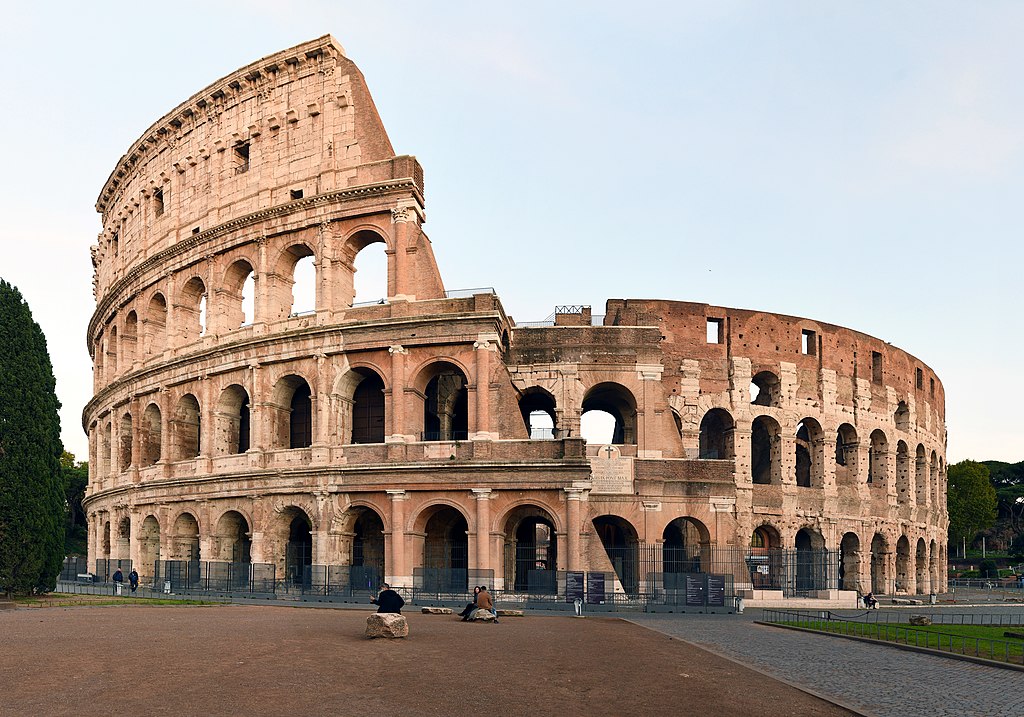
If you’ve seen the movie Gladiator, you’ve witnessed a glimpse of the Colosseum’s brutal yet mesmerizing history. But the reality of this iconic arena was far more fascinating - and far more ruthless.
Built nearly 2,000 years ago, the Colosseum, originally called the "Flavian Amphitheater", was the crown jewel of Roman engineering and a symbol of the empire’s power which could hold up to 80,000 spectators.
This architectural marvel wasn’t just for gladiator battles. It hosted animal hunts, executions, and even mock naval battles - yes, the Romans could flood the arena!
Today, the Colosseum is a reminder of Rome’s grand legacy, its culture of spectacle, and the paradox of brilliance and brutality in human history.
@zaqrider Felt this in my bones. I have spent hours crafting threads on my WWI posts but those barely moved. But still that makes me happy that I went that far .....