+NEW+ A new, fully funded 4-year PhD project on the boundary of collider experiment, theory, and data-science to start this autumn: https://t.co/kn3m0Vubyk @agbuckley@ScotDIST_CDT@UofGPhysAstro
@rh1210, @ademus4 and myself have been working on a #ML course for #physics students covering supervised, unsupervised and deep learning. It's all open source, so feel free to check it out and play with the exercises yourself! @ScotDIST_CDT@UofGPhysAstro
https://t.co/WOoYhADwMC
NEW OPPORTUNITY: applications open for immediate appointment to a PhD position at Glasgow @UofGPhysAstro in any of our target areas: astro, gravitational waves, nuclear, and particle physics, with extra training in data science and AI!
https://t.co/yLUeRbejXK
Want to join us for a #PhD? Visit https://t.co/mNN7PcwwGX and apply for a College Scholarship. These Scholarships will part or fully support exceptional students in all areas of research study across the College, including #Physics and #Astronomy.
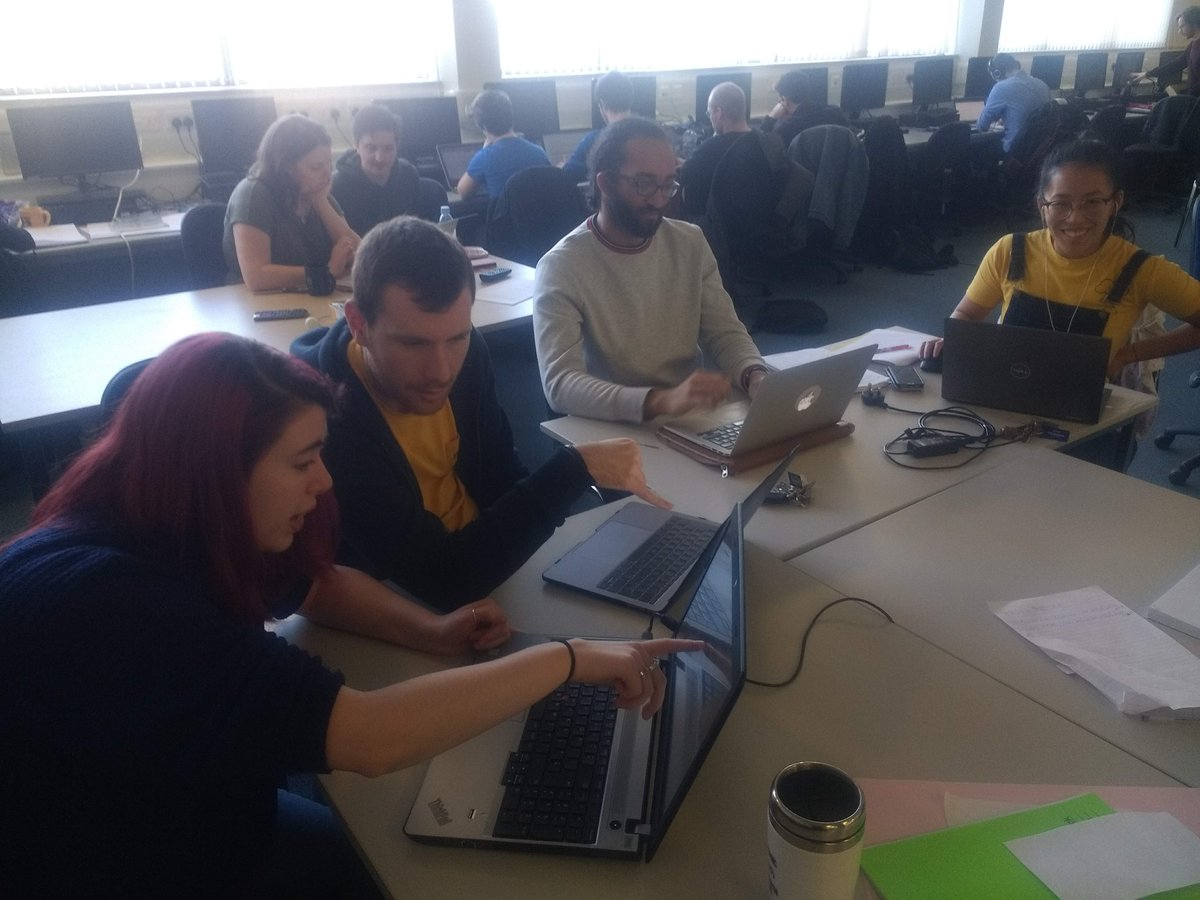
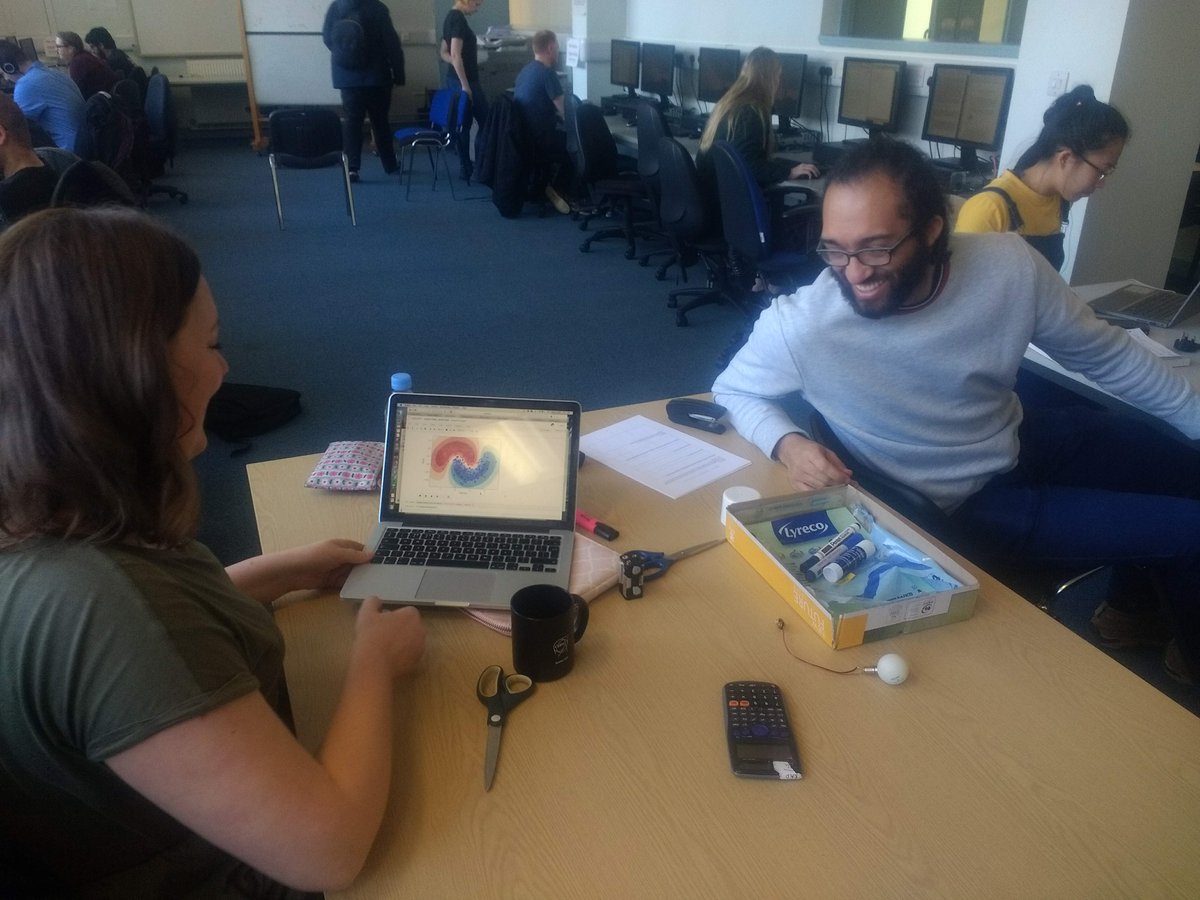
2nd year PhD student John Armstrong from @UofGPhysAstro telling us naive 1st years about about classical unsupervised machine learning at Day 3 of @ScotDIST_CDT National CDT intro event in Edinburgh
A very good and informative quora answer about ML etc with many helpful links!
How can I code in machine learning, artificial intelligence, and deep learning? by Peter Yuan https://t.co/wMTBQB8LE7
#MachineLearning will become an even more important tool when scientists upgrade to the High-Luminosity Large Hadron Collider.
https://t.co/xmu1E7aElH #computing#science
First lead-author paper published in @PhysRevLett!
In the paper we describe how #machinelearning may improve upon current @LIGO computational methods to search for #gravitationalwaves.
https://t.co/bUOLcCLrma
Amazing to hear that #SCOPE has connected @UofGlasgow Postgraduate students with real available roles in industry right now!! Thank you @leonardo_live and @Enericoy for supporting this event! 🙌🏻✨ https://t.co/p7UU9sI5T9