Tsunami expected to reach Yap with estimated height of 0.3 to 1 meter above the tide level; initial tsunami wave is forecasted to arrive at Yap approximately between 01:00 and 02:00 UTC on July 30, 2025. @Scott__Bierly
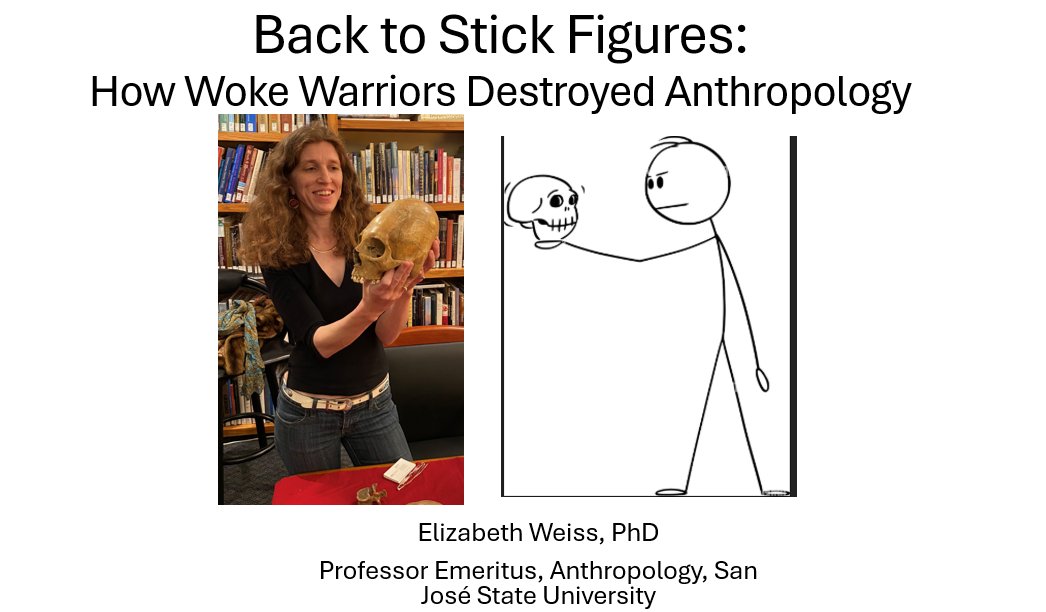
I spoke of censorship in anthropology and archaeology -- no longer are photos of skeletal remains allowed in many journals; museum exhibits are being shuttered; and professors are being prevented from showing students teaching materials.
It’s been 57 hours since the terrorist attack on Bourbon.I was one of the first reporters on the scene and have been going non stop since it happened. It has been emotional.I have been trying to hold it together but finally broke down hearing amazing Grace. God bless #nolastrong
One of the great mysteries of Egypt: Serapeum of Saqqara. The word Serapeum comes from Serapis, a combination of Apis, the name of the sacred bull, and the gods Sorok and Osiris.
In 1850 a man named Auguste Mariette (French) found half of a sphinx sticking out of the sand, and he and his men began to excavate. Once the team got inside the Serapeum of Saqqara Egypt, they found many corridors. Inside the first 24 corridors were gigantic, granite sarcophagi.
The 24 tombs of the Great Vault, as well as 40 other giant sarcophagi Mariette discovered buried under sand, represent generations of bulls and the survival of a cult that may have originated as early as 4,000 BC. Each sarcophagus weighs 70 to 100 metric tons and was carved on site from a single block of granite floated down the Nile by barge from Upper Egypt's quarries.
#archaeohistories
MY STORY: The Last D-Day Pathfinder C-47 pilot’s return flight over Normandy, a memorable WWll interview. #DDAY80th#DDAY#Normandy https://t.co/lOhAoOixSS
American WWII Hero returns to the Belgian town he helped liberate from German forces.
Reid Clanton, from the 84th Infantry Division, received an emotional welcome by locals in the town of Verdenne.
Ubaid Lizardmen :
The Ubaidian culture is a prehistoric culture in Mesopotamia that dates between 4000 and 5500 BC. The origins of the Ubaidian people is unknown. They lived in large village settlements in mud-brick houses and had developed architecture, agriculture and farmed the land using irrigation.
The main site where these unusual Ubaid anthropomorphic figures with lizard features were discovered is called Tell Al’Ubaid – although figurines were also found in Ur and Eridu. The Al’Ubaid site is a small mound of about half a kilometer (0.3 mi) in diameter and two meters (6.56 ft) above ground. First excavated by Harry Reginald Hal in 1919, male and female figurines were found in different postures. Most of the figurines are presented with long heads, almond shaped eyes, long tapered faces and a lizard-type nose. Figures generally appear to be naked.
The marks on the bodies may indicate tattoos or ritual scarification or a combination of the two (or something else entirely). We have figures representing both males and females, but sexual dimorphism is less evident in figures of the Ubaid period. The Ubaid figurines tend to show male and female figures with similar proportions, and rather than emphasizing the differences between the sexes they tend to emphasize the forms of body ornamentation (assuming the marks do actually represent tattoos or ritual scarification) and cranial deformation common to both. These stylized heads have given the figures their name - lizard figurines. Bitumen is often used to suggest the hair. Ears are not shown and the nose is only represented by holes for the nostrils. The figures seem to have some kind of padding on the shoulders.
Some figurines were found to hold a staff or scepter, possibly as a symbol of justice and ruling. Each figurine has a different pose. Some female figurines hold babies suckling milk, with the child also represented as a lizard-type creature.
What the figures exactly represent is completely unknown.
#drthehistories