Digwapa 🤎
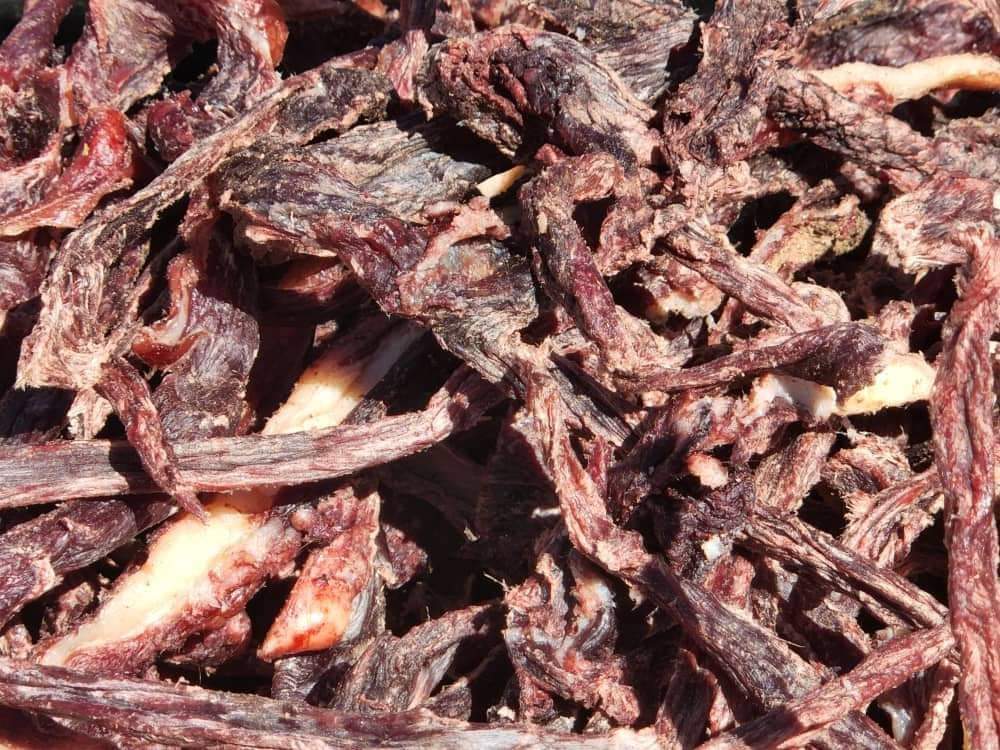
The history of digwapa is woven into the very fabric of indigenous Southern African survival. As early as the 6th century (600 AD), our ancestors of Tswana pastoralist cattle herders settled in a semi-arid landscape with a critical challenge: how to preserve their meat from a large slaughter without modern refrigeration.
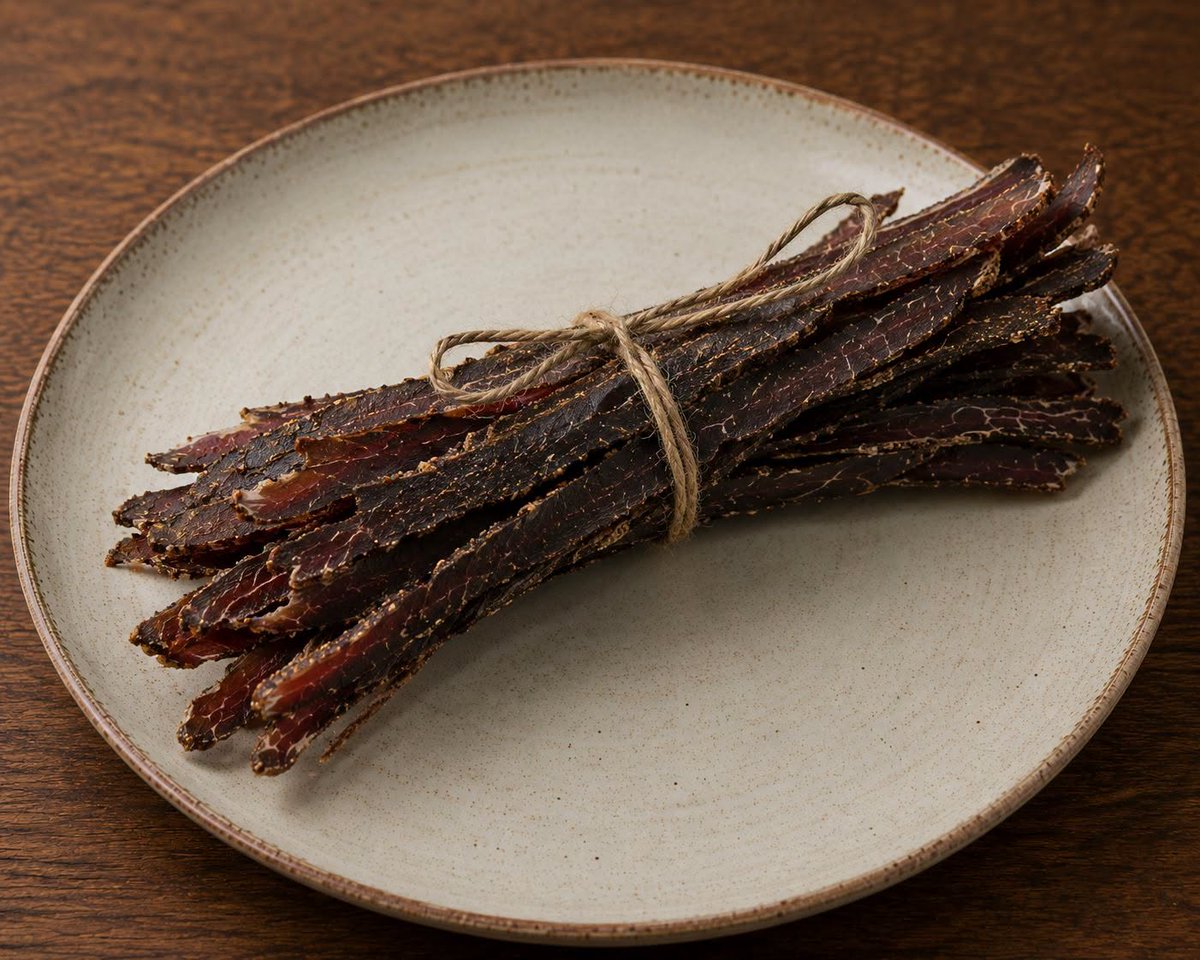
This is often cited as an indigenous innovation born of necessity. By slicing beef or the game into thin strips, rubbing them with salt, and hanging them to dry in the dry Kalahari air, they created their own lifeline.
However, a distinct historical difference exists between digwapa and what is now known as biltong, though they are often compared today. Digwapa is an indigenous precursor to biltong in the region - relying strictly on sun, wind, and basic salt, representing an ancient Southern African way of life.
On the other hand, biltong was introduced later by European settlers in the 17th and 18th centuries who adapted the existing indigenous drying concepts but infused them with their own European curing traditions, including ingredients like vinegar, coriander, cloves, and brown sugar.
Today, digwapa is far more than a snack; it is a profound part of Setswana cultural identity. Digwapa endures as a delicious testament to indigenous ingenuity that shaped the culinary map of Southern Africa.
I would be interested to know what it is called in the context of other cultures.
South African National Parks is today marking #WorldRangerDay by paying tribute to rangers who have lost their lives or were injured in the line of duty.
This year's event is being held at the Augrabies National Park in Upington.
SANParks Arid Region Manager Angela Isaks..