USA v BIH World Cup audience on Fox:
Averaged 24.4 million
Peaked at 31.9 million
Most-watched soccer telecast in English-language U.S. history, per Fox Sports
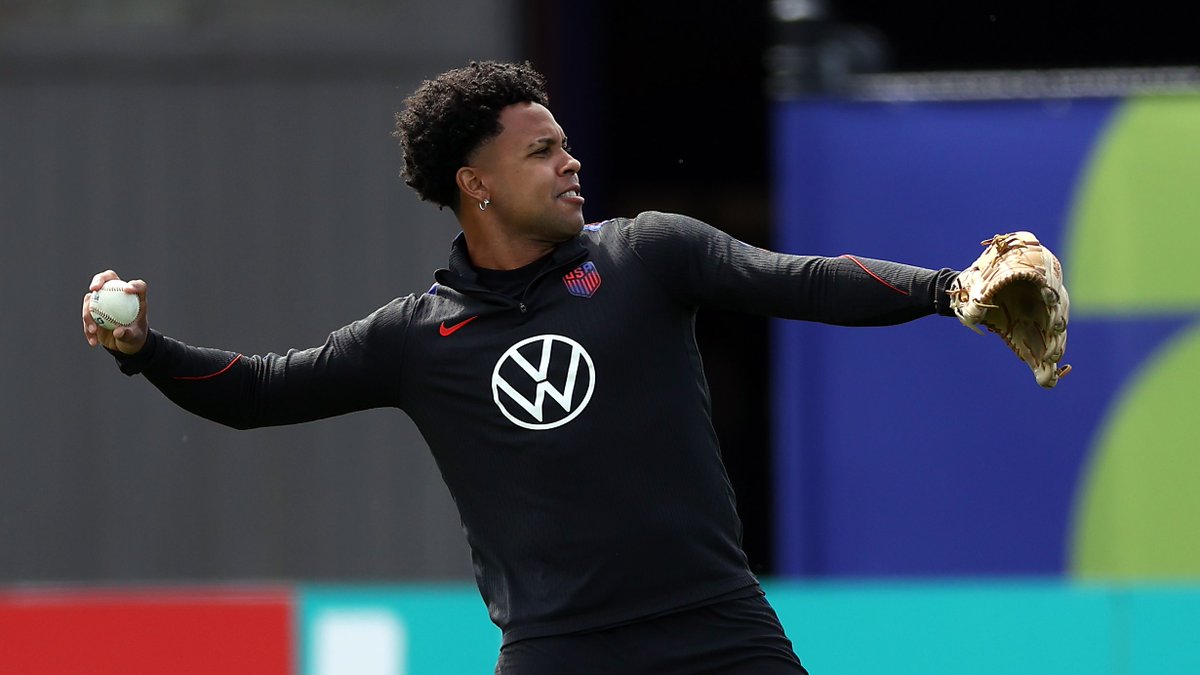
On the basis of the images made available to referee Raphael Claus, the decision to send off USA forward Folarin Balogun is understandable. From the vantage point presented, via slow motion and still images, the threshold of serious foul play is met.
This challenge did appear to endanger the safety of an opponent. Those ensconced in FIFA’s refereeing hub may see that as an open and shut case. Yet to most observers and many of those who have played the game, at any level at all, this was a miscarriage of justice.
To show the challenge to the referee at a different speed to the incident he originally adjudicated upon is to warp and distort the judgment, removing context from the call. Slowed down, an accidental collision can resemble a premeditated challenge. A bad challenge can become a horror challenge.
In the case of Balogun, the freeze frame and slow-motion images eliminated the essential context. This was a simple ball played forward by Antonee Robinson, where two players jostled for position, and as Bosnia and Herzegovina defender Tarik Muharemovic got in front of Balogun, the forward, off balance, landed in an unfortunate — but clearly unintentional manner — on the ankle of his opponent.
In football’s history, it has sometimes required major incidents at big international tournaments to accelerate change.
FIFA must use Balogun’s injustice as a line in the sand, ending once and for all the unfair and disfiguring use of slow-motion and freeze frames.
📝 @AdamCrafton_
https://t.co/pSW8R7RbSS
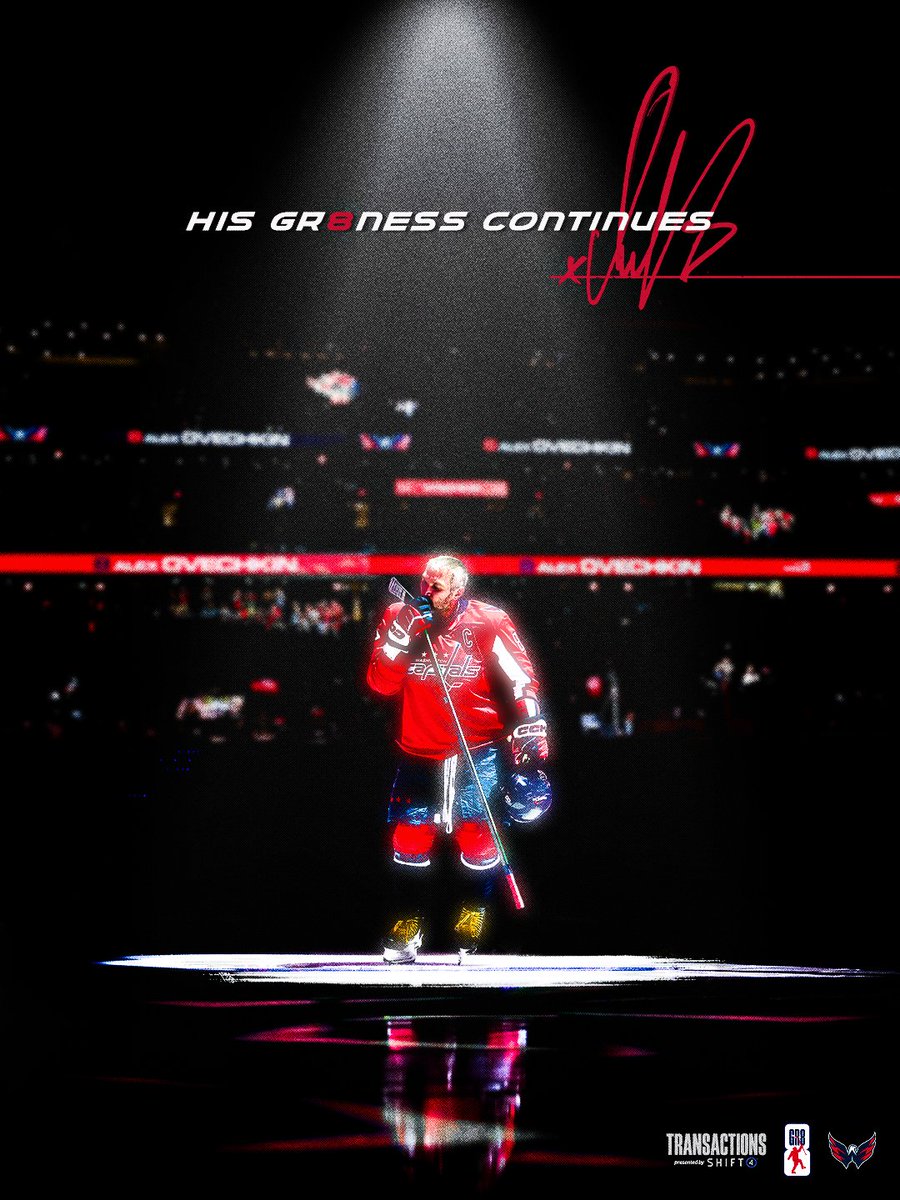
IT'S SO NOT O-VER, BABES‼️
The Washington Capitals have re-signed captain Alex Ovechkin to a one-year contract extension. Ovechkin’s contract will carry an average annual value of $4.25 million.
#ALLCAPS | #Gr8ness