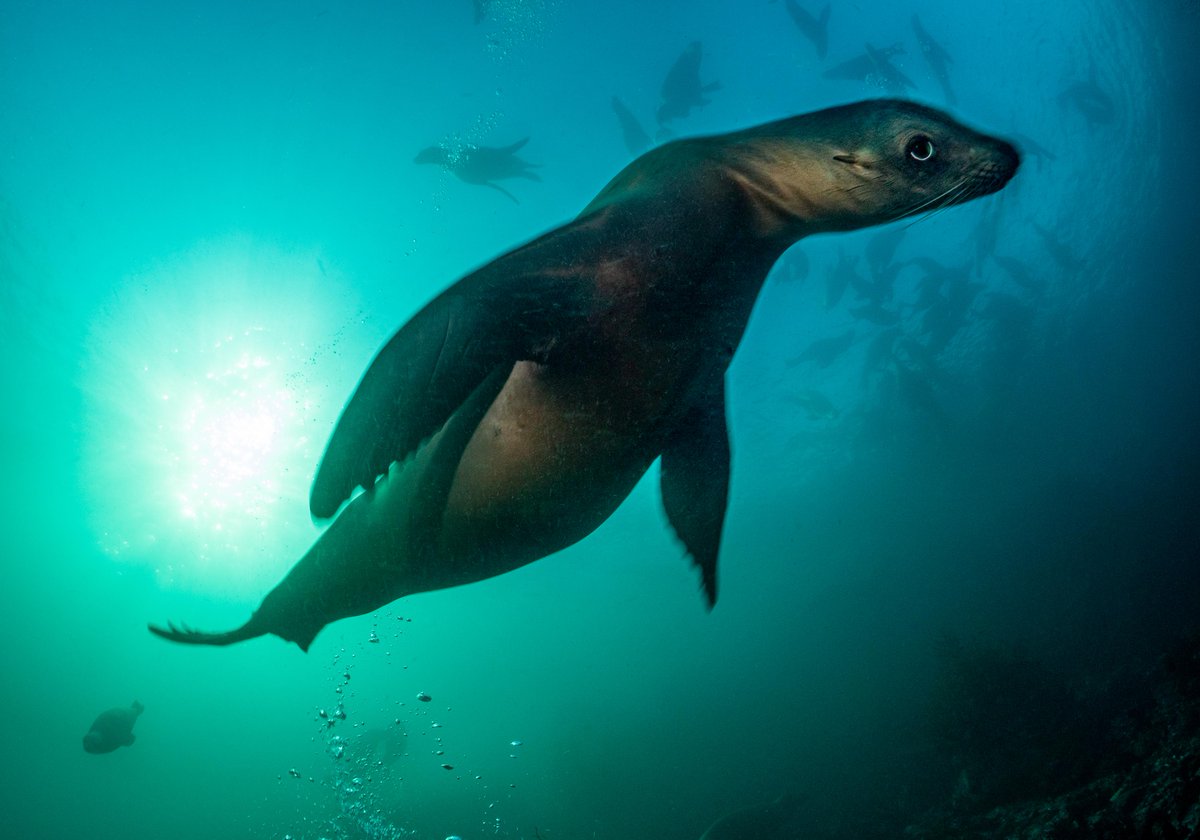
Megafauna vs. Microcritters: Which Is More Popular? 🌟
Who wins the competition to capture the attention of divers the most?
Head to our link in bio to read more about this popularity contest.
🖊 & 📸: Patrick Webster
#ScubaDivingMag#MegaVsMicroCritters
Boxer crabs are the cheerleaders of the sea! 🦀
These little crabs have specialized claws for holding small creatures, giving them the appearance of a boxer or a little cheerleader with pom poms!
Learn more animal facts with our Marine Life Encyclopedia: https://t.co/jQcy4aBTQT
Standout Stay: Turneffe Island Resort in Belize 🇧🇿
Click the link below to learn more about why conservation is at the heart of the resort.
https://t.co/R0nJqLP3di
🖊: IG @alexandraco11
📸: IG @kikidives
Waving hello to #WhaleWeek 2024! 🐋
Stay tuned this week as we celebrate these ocean giants! We'll explore whale science and conservation, and share cool facts, new features, videos, podcasts, and more: https://t.co/bAHRrTkjNd
Credit: Bethany Riggle/NOAA Fisheries
Our #SharkoftheWeek, the Basking shark, is currently listed as an endangered species. Overexploitation has reduced its populations to the point where some have disappeared and others need protection.
As part of our mission to promote dive #safety, DAN has made numerous e-learning courses, videos, planning tools, and other resources available for divers and dive professionals.
Check out our free #dive safety resources here: https://t.co/RJLOz2qx0X.
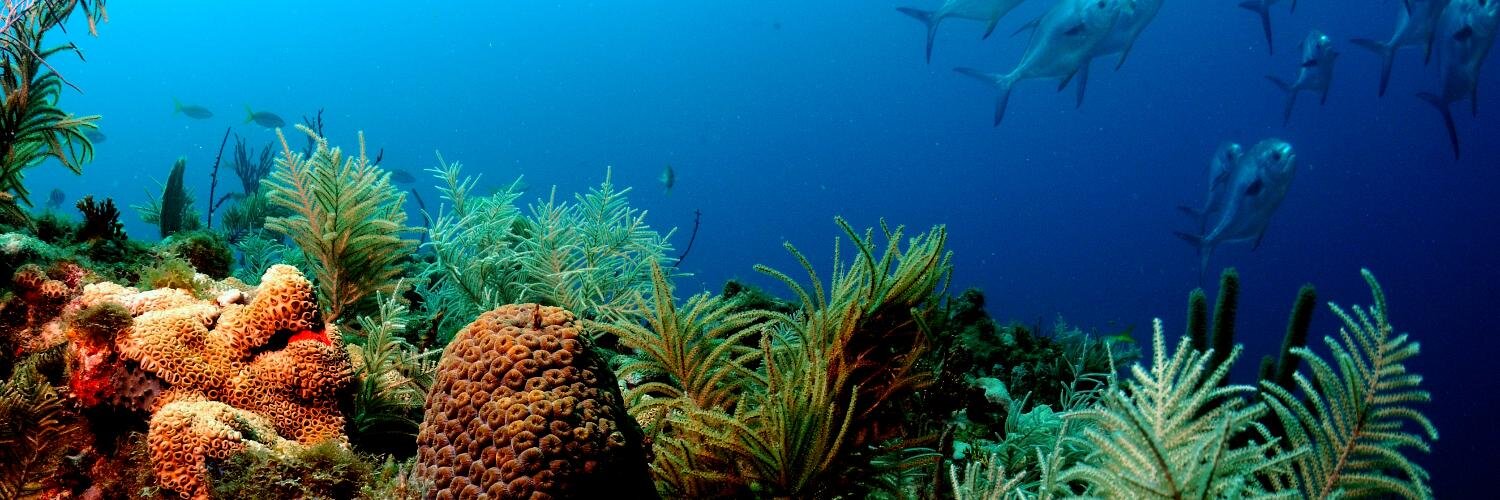
An Ode to Coral Reef 🪸
Within coral reefs exists an intimate marriage between land and sea. Learn more about how these reef ecosystems have shaped our planet—and why it’s important to protect them. 👇
https://t.co/axjCoTErSE
🖊 & 📸: Patrick Webster
Our #SharkoftheWeek, the Basking shark, is known to migrate with the seasons. Despite their large size and threatening appearance, Basking sharks are not aggressive and are harmless to humans. They can either be found in small shoals or alone.
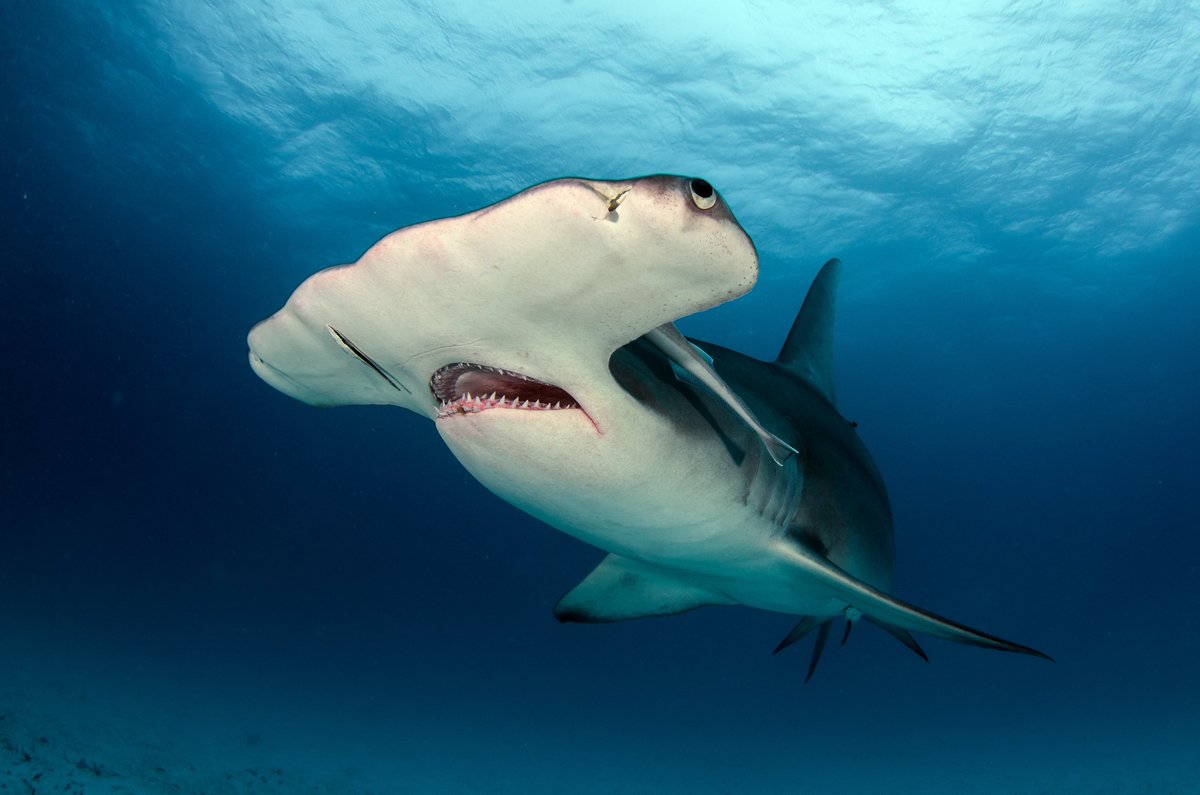
Our #SharkoftheWeek, the Great Hammerhead, is currently listed as critically endangered by the International Union for Conservation of Nature (IUCN) as of 2019.
This week’s #SharkoftheWeek is the Basking shark, or scientifically known as Cetorhinus maximus. Being the second-largest living shark and fish, it is one of the three plankton-eating shark species along with the whale shark and megamouth shark.
The number of eggs a nudibranch can lay varies widely, from just one or two to an estimated 25 million. The eggs contain toxins from sea sponges to deter predators.
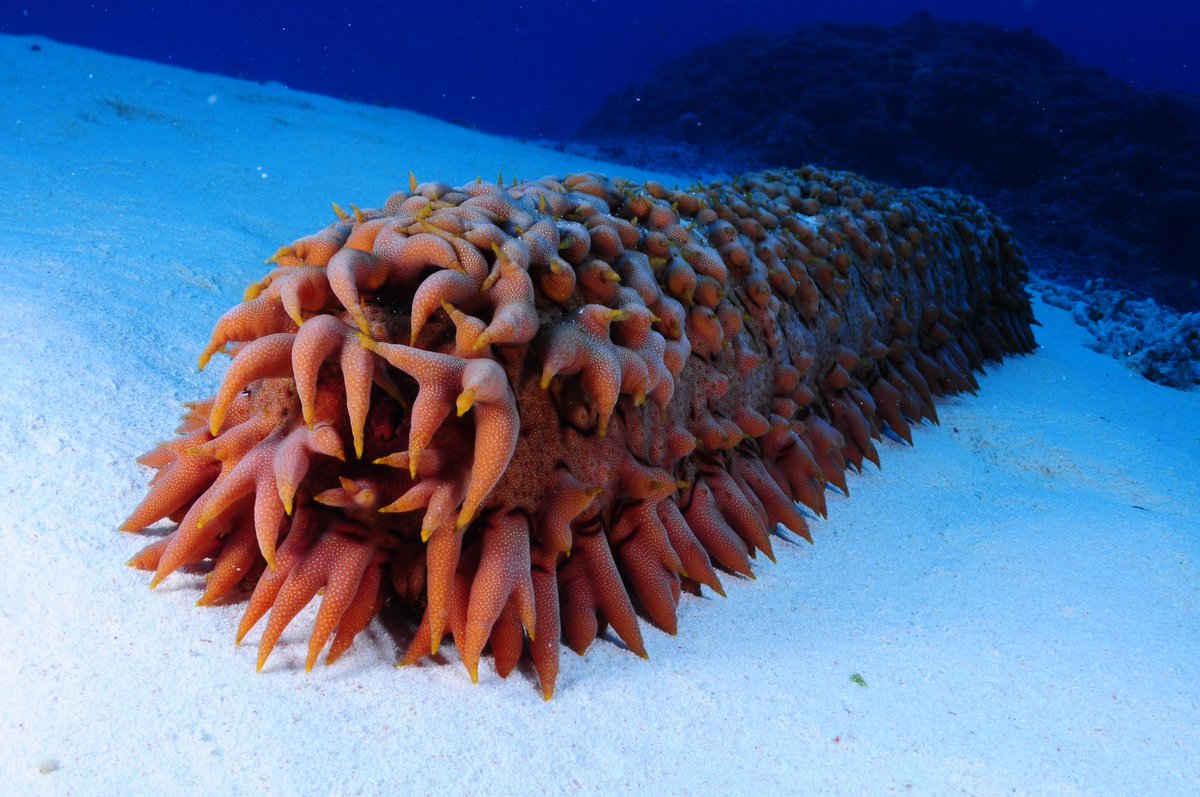
Sea cucumbers don't have a true brain! A nerve ring surrounds their oral cavity, extending to their tentacles and pharynx. Even if this ring is removed, they continue functioning and moving about. This shows it doesn't play a central role in their nervous coordination.