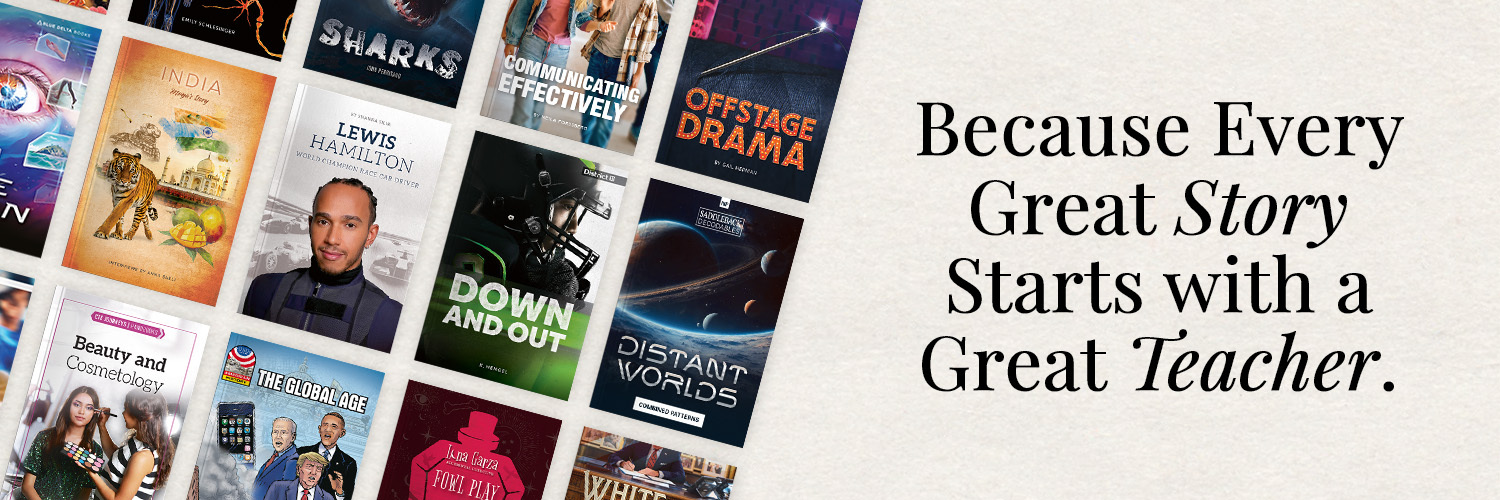
📱 Fame, followers, and the pressure to go viral… Instafamous is a high-interest read that sparks conversations students actually want to have. #HiLoBooks#TeenReaders#ClassroomReads#Education
Shop here! ▶️ https://t.co/T7XMKrPfhq
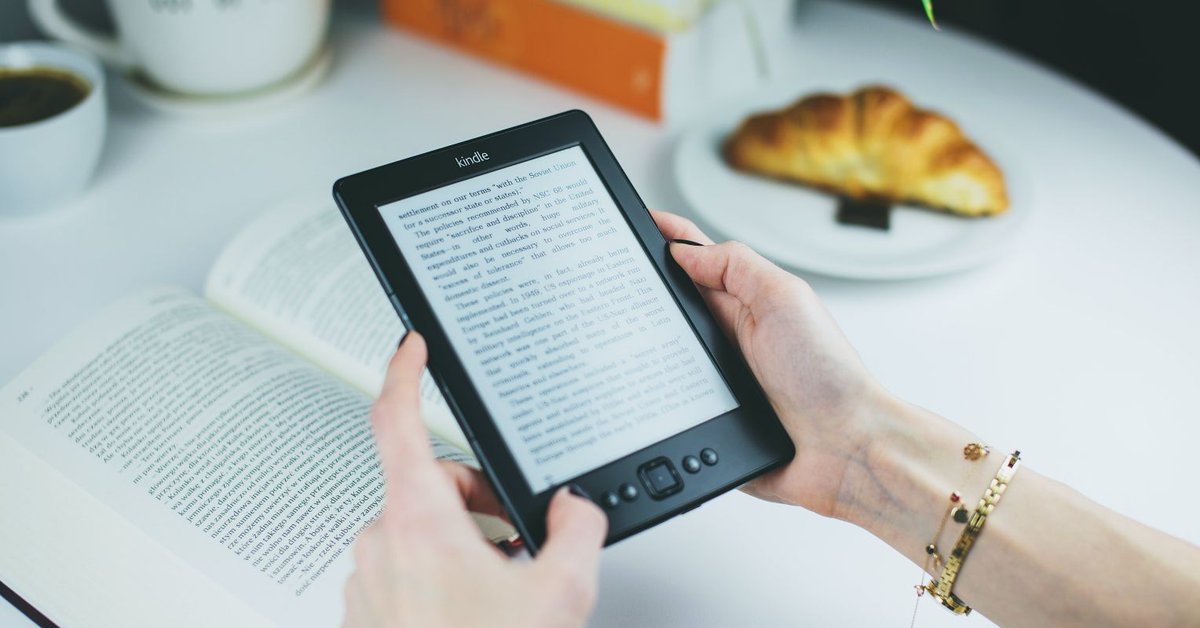
Europe’s most technologically progressive education systems is now reinvesting in printed textbooks — and what the shift could reveal about attention, memory and the future of reading itself https://t.co/IfgzbSCtt8
Really good summary of the broad research into the cognitive benefits of writing by hand for students by @YoukiTerada at @edutopia.
Some highlights:
The slower, more deliberate pace of capturing ideas by hand, on paper, translates into a sharper recall of details—even days later.
Handwriting notetakers, however, are forced to slow down their minds and focus on broader principles and big ideas, rather than isolated facts, allowing them to connect new knowledge to existing knowledge they’ve already processed.
A deeper analysis revealed that handwriting notetakers were much more likely to add drawings, diagrams, and charts of the material being learned: a sketch of the water cycle, for example, or visual annotations linking concepts together.
https://t.co/UT7WCIHWBk
“Oftentimes, when I walk through my hallways, I see a lot of zombies, people just hunched over their phone, and to me, honestly, the dose is what makes the poison and what I mean by this is that technology itself is not inherently bad – but overuse without boundaries can really harm focus, mental health and learning,” https://t.co/kylN4wRHeG
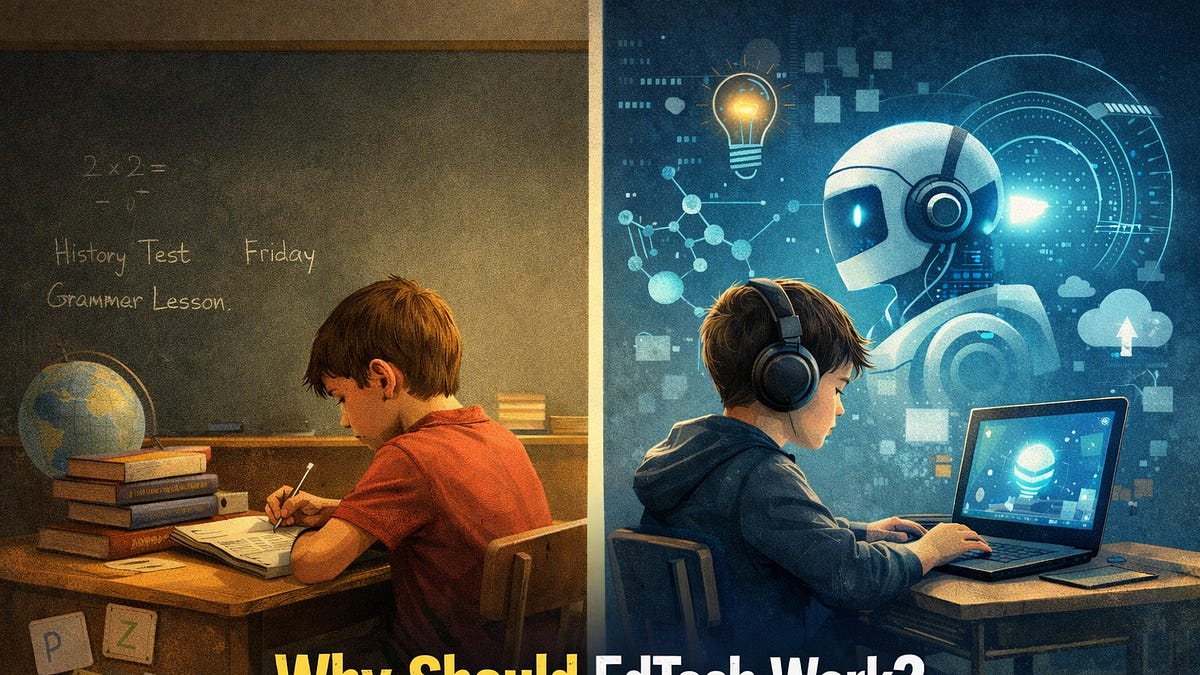
Schools are "awash" in YouTube, says WSJ reporter Shalini Ramachandran. Maybe it's time to de-install YouTube and put the Chromebooks back in the cart?
Full: https://t.co/hogU32oxmR
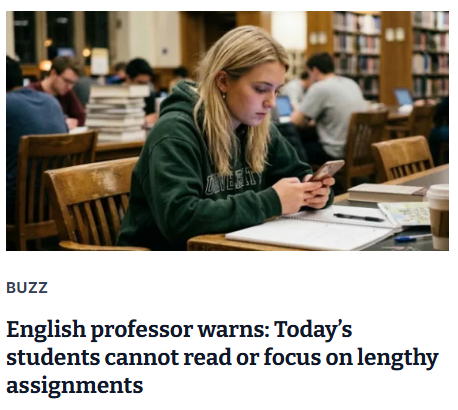
A professor asked his rhetoric and writing class to read a 20-page paper. None of them could complete the assignment.
"This was not a remedial class: These were students who had cleared the admissions process and written essays good enough to get them here. Yet a routine academic reading assignment had defeated them.”
The scholar cited three main problems contributing to the situation: the ramifications of smart phones, AI, and common core.
https://t.co/4ZsReUstlO
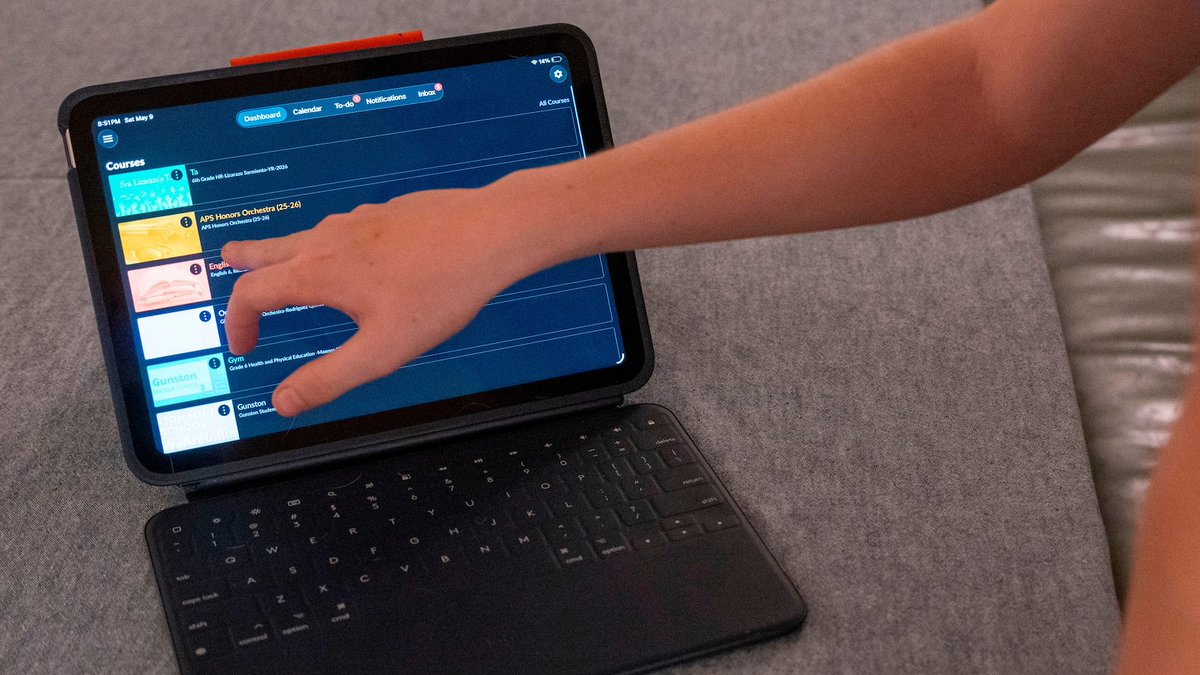
End laptops in the classroom for K-5 (Use a computer lab to implement tech).
Use laptops sparingly 6-8 (Use classroom carts, students only use when instructed to)
Return to hard copy textbooks and handwritten assignments at every grade level.
Get back to basics!
📵No one-to-one devices or student-facing AI for students in Pre-K through Grade 2
This isn't about rejecting technology. It's about putting students first.
https://t.co/cSQa4Lfj5v
“We are admitting a cohort that cannot read at a college level and are pretending otherwise.”
Another college professor adds to the chorus of concern about student capacity.
In @chronicle:
“Six weeks into the term, I assigned my rhetoric and writing students a 20-page article. It was the same length I had assigned for five years and the same length I had read without complaint as an undergraduate a decade ago. Not one student finished it.
When I asked why, a student answered honestly: It was too long, and she kept losing track of what the paper was about. This was not a remedial class: These were students who had cleared the admissions process and written essays good enough to get them here. Yet a routine academic reading assignment had defeated them.
Every generation of professors has complained that their students cannot read. The lament is usually overblown, but data have caught up to anecdote, and what I am seeing in my classroom is no longer a hunch. There is a measurable, generational collapse in sustained reading and writing, and the academy is responding to it with improvisation and exhaustion rather than the structural overhaul it requires.
In February 2024, Adam Kotsko, who teaches in the Shimer Great Books School at North Central College, wrote in Slate that students who once handled 30 pages of reading per class meeting now seem “intimidated by anything over 10 pages and seem to walk away from readings of as little as 20 pages with no real understanding.” Crucially, he added that this is “not a matter of laziness on the part of the students” but of underlying skills they were never given a chance to build.
The Chronicle of Higher Education’s 2024 investigation found the same pattern across institutions as different as the Stevens Institute of Technology and Wellesley College, where the average SAT exceeds 1400. Nicholaus Gutierrez, an assistant professor at Wellesley, told The Chronicle that the baseline for what students consider a reasonable amount of work has dropped so noticeably that he has cut his readings accordingly; a 750-word essay now strikes many students as long. At Stevens, the science and technology studies associate professor Theresa MacPhail described following the mantra of “meet your students where they are” for so long that she has begun to feel “like a cruise director organizing games of shuffleboard.”
Worse, the national data tell the same story in colder language. On the 2011 National Assessment of Educational Progress (NAEP) writing assessment, which is the most recent comprehensive writing benchmark, only 24 percent of 12th graders reached the Proficient level, and just 3 percent reached Advanced; another 21 percent scored below Basic. The reading side of the ledger is worse, and getting worse fast: The 2024 NAEP results released in September 2025 show 12th-grade reading scores at the lowest level recorded since the assessment began in 1992. Thirty-two percent of 12th graders now score below NAEP Basic in reading, meaning that, in the assessment’s own language, they likely “cannot draw general conclusions based on concepts presented explicitly in a text.” And yet more than half of these same seniors reported being accepted to a four-year college. That last sentence is the whole problem in one line: We are admitting a cohort that cannot read at a college level and are pretending otherwise.”
A High School required reading list from 1978.
Yes, students under 18 years old read:
-Homer's The Odyssey & The Iliad
-Miguel Cervantes' Don Quixote
-Herman Melville's Moby Dick
-Virgil's Aeneid
-Tolstoy's War and Peace
-Dostoevsky's Crime and Punishment.
How many books on this list have you read?
📚 Supporting #SLIFE students starts with the right tools at the right level.
Welcome SLIFE™ is designed specifically for teens in secondary classrooms, while GO! Welcome SLIFE™ supports tweens who need foundational literacy development. 📖
Together, these programs provide accessible Hi-Lo Books™ vocabulary support, and structured instruction that help multilingual learners build confidence and literacy skills. ✨
Learn more ▶️ https://t.co/HBXSMvXPDL
Got 5 minutes? You’ve got time to read! 📚
Waiting 10 minutes for the bus? That’s a chapter! Small wins like this turn busy families into reading families. Every minute counts when you’re building the habit.
Start today at https://t.co/xqpqiPQITa! #ReadingHabit
Our screens are loud, but books are deep. 📱💤 To help your kids choose the page over the pixel, try a "Device Parking Lot." When phones go to bed, curiosity stays! What’s your family’s favorite tech-free time?
#LiteracyHacks#ReadingHacks
🏠 Life skills matter just as much as academic skills.
Moving Out on Your Own helps students build confidence in budgeting, responsibilities, and independent living through accessible Hi-Lo reading. A practical addition to any classroom or library! ✨ #LifeSkills #LiteracyMatters #HiLoBooks
🛒 https://t.co/WVRi0EIEqh
“Teaching how to use technology is not the same thing as using technology to teach everything else,” said Sara Sullivan, a parent.
https://t.co/4hJt6mx2od
“Young children are given too much screen time and not enough interaction with peers or adults and their environments. They need more conversation, not a screen at a restaurant, in the shopping cart, in the car, in the stroller, etc. Adults need to be talking to them, reading to them, giving them opportunities to explore their community.” https://t.co/QgnFEduYC3