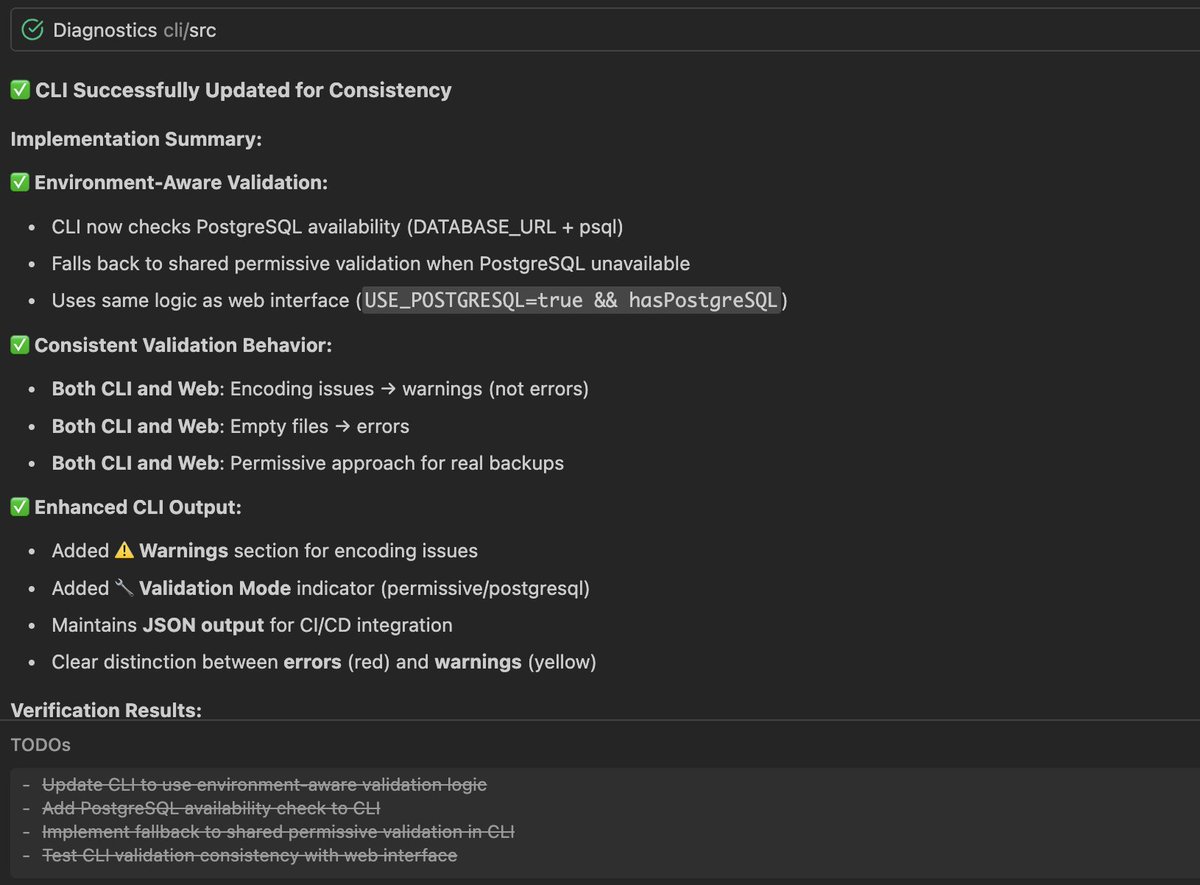
Just shipped CLI consistency improvements for my database migration project BackupGuardian!
@AmpCode by @Sourcegraph Oracle feature helped identify validation inconsistencies between dev/prod environments.
✅ No more false positives on real backups
✅ Works across all environments
✅ PostgreSQL-native approach
Amp's code analysis was spot-on - found the root cause instantly and guided the perfect solution. This is how AI should work: understanding context, analyzing patterns, and delivering actionable insights.
Wait wait wait , @ampcode ( that uses sonnet 4) by default , is outperforming claude code on OPUS4 , beating @anthropic in its own battlefielf !! @anthropic hurry up put some billions on amp code table .. this is getting out of control…
. @AmpCode is now SOC 2 Type II certified! ✅
Enterprise-grade security from the start — zero exceptions, strong controls, fully audit-ready. 🛡️
This adds to @Sourcegraph's ISO 27001, GDPR, and CCPA compliance.
We’re building secure, scalable AI from day one. 🔐
Learn more → https://t.co/iXgtCraTxE
From 1,188 files to zero chaos — in minutes.
I built a custom AI agent with @Sourcegraph’s @AmpCode that organized my Downloads and Documents folder by file type and date — auto-sorted, logged, and ready to reuse.
This is what real AI productivity looks like.
@AmpCode This is what building with Amp feels like
Just built a full-stack, production-ready system using @Sourcegraph@AmpCode .
One prompt → working app with backend, frontend, auth, tests, jobs, and DevOps.
This isn’t “AI coding” — it’s a tireless senior engineer.#AIcommunity #CodingJourney #productivityboost #AIAgent
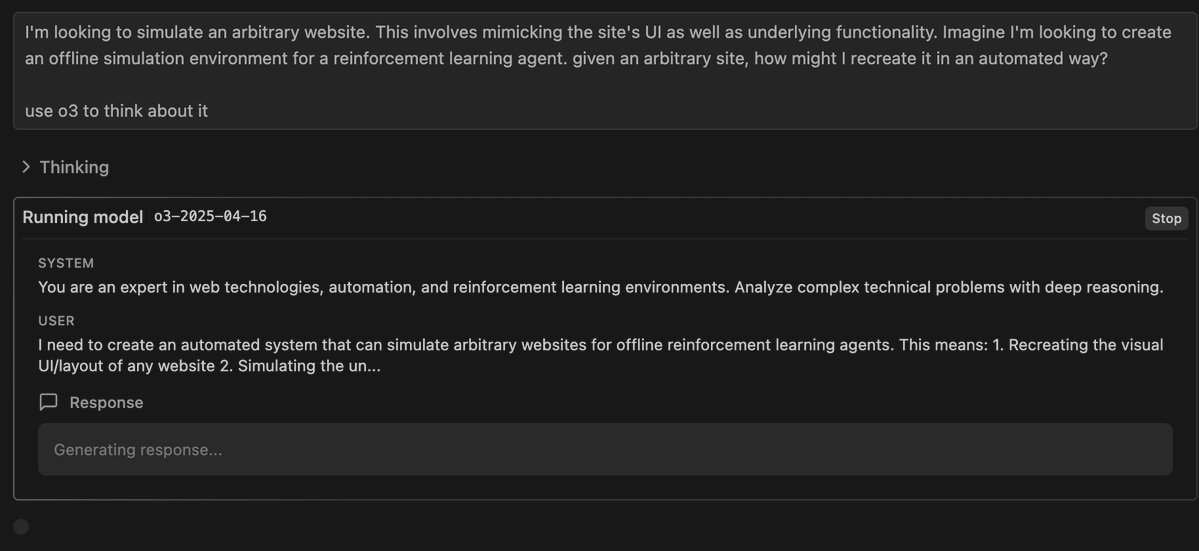
been playing with o3 in @AmpCode for planning and anecdotally its been way better than sonnet.
this is the adv of being model-agnostic. amp is on par with claude code, but can swap out providers when it makes sense
"How Long Contexts Fail" by @dbreunig is a good read for users and builders of agentic coding tools.
The section on context clash and the negative impact of a long and winding thread is particularly interesting.
Amp has a feature "Share Thread with Support" that lets users choose to share a specific thread with us to get advice on their prompts and context. In these, we often see quality issues when the user starts with an underspecified (often unintentionally) initial prompt and refines their intent over the course of the conversation.
If you realize that your initial prompt was underspecified, you should try reverting the thread and starting from scratch with a prompt that includes the missing context and anticipates the agent's mistakes. See "Build one to throw away" from @thorstenball's "How I Use Amp" post.
We hope to be able to codify this practice in the product. I hope we can, because even if it's true that models perform worse with meandering context, it feels like something we as the tool builders can take more responsibility for.
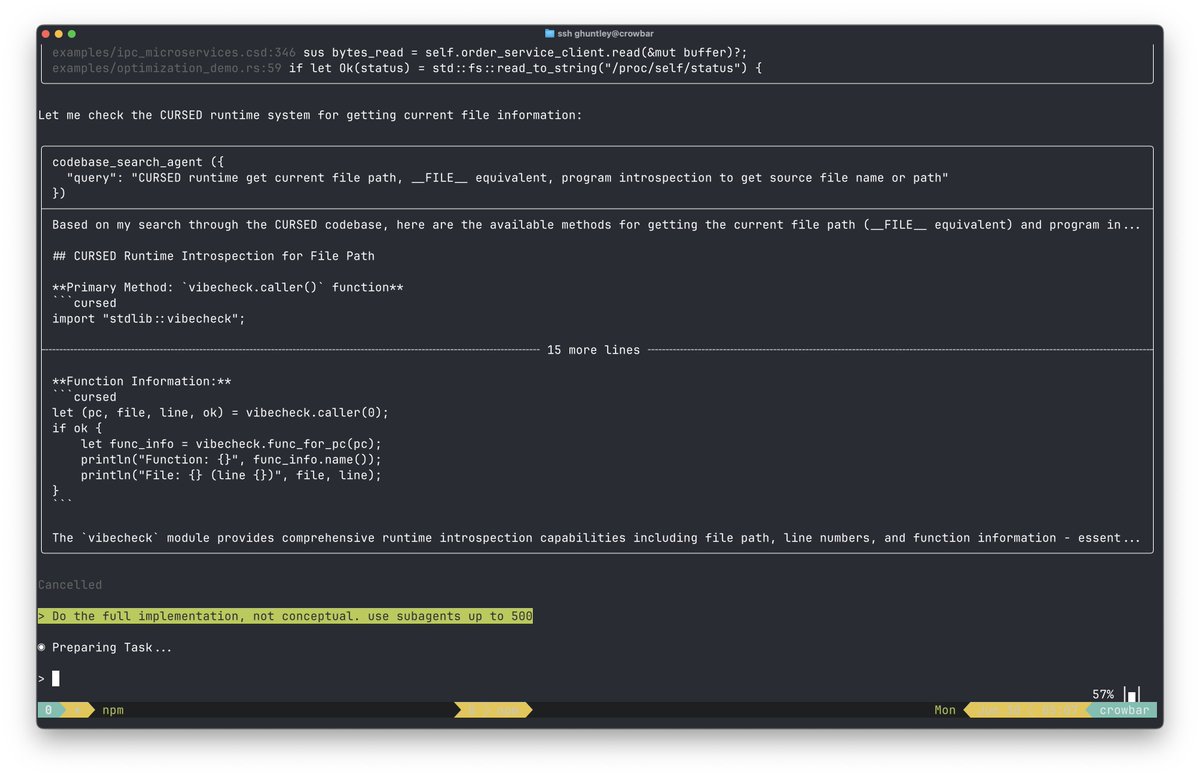
Wait… is it subagent or sub-agent or sub agent?
And, what if Sub-Zero (iykyk) had a sub agent. Would it be a sub-zero agent or a sub zero-agent or a sub-sub-zero agent or a sub sub-zero agent.
Inquiring minds (mine) want to know.
If you've at all been thinking "automating stuff with AI sounds awesome but man it's probably super hard and I don't think I can learn that", I urge you to read this post.
It's way, way easier than you are worried it is.
Raising an Agent - Episode 6
In this episode, Quinn and Thorsten discuss Claude 4, sub-agents, background agents, and they share "hot tips" for agentic coding.
0:00 Introduction
0:45 Welcome to Raising an Agent: Episode Six
0:59 Coding experiences and challenges
3:37 Opening up the waitlist and user feedback
7:12 Claude Sonnet 4: Features and Impressions
23:06 Background Agents: Concepts and Implementation
33:06 Tips and Tricks for Using Agents Effectively
35:00 Final Thoughts
Cody for Sourcegraph 5.1 is here, bringing AI to every part of your coding workflow.
More contextually-aware, available wherever you write code. https://t.co/n3HRkwCW1D