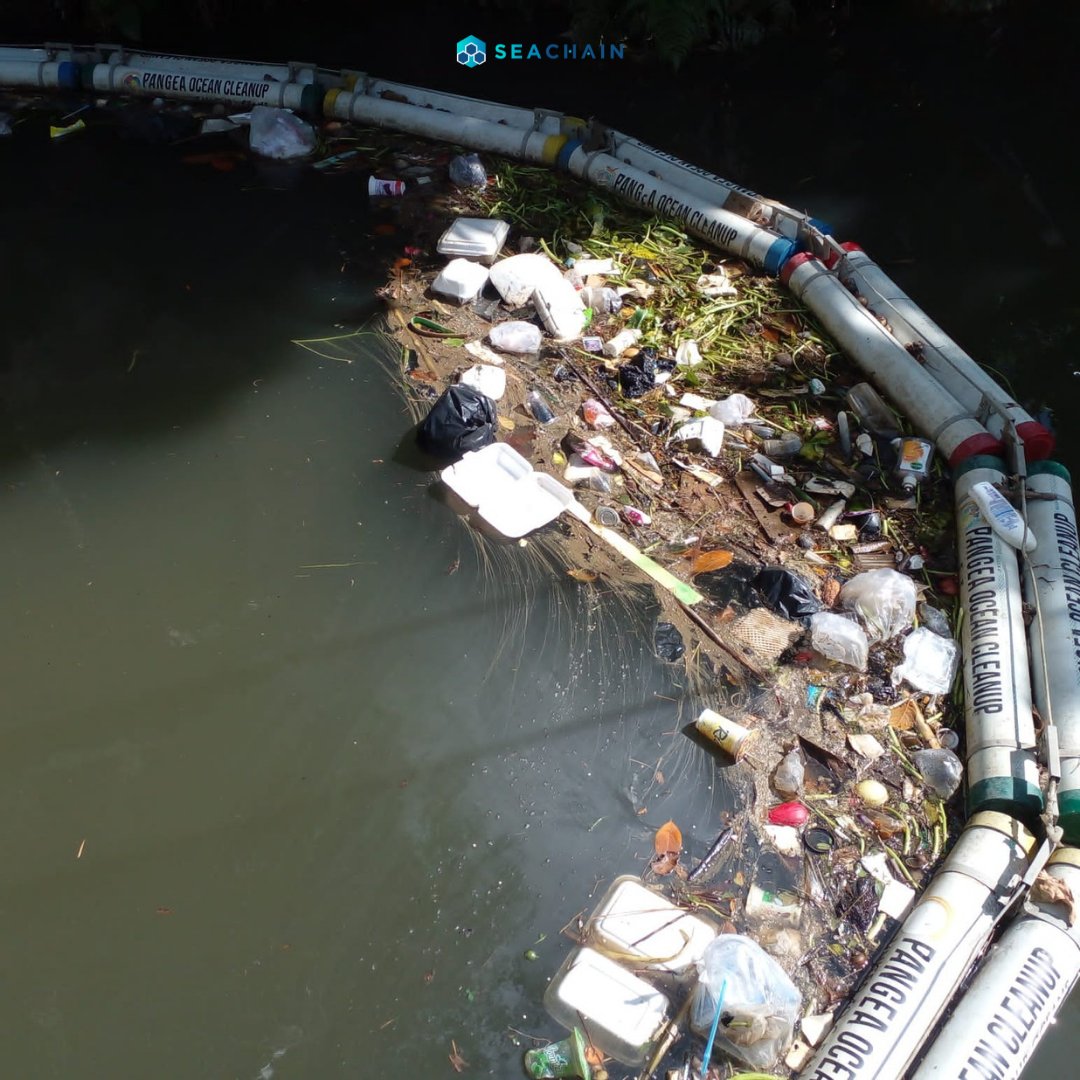
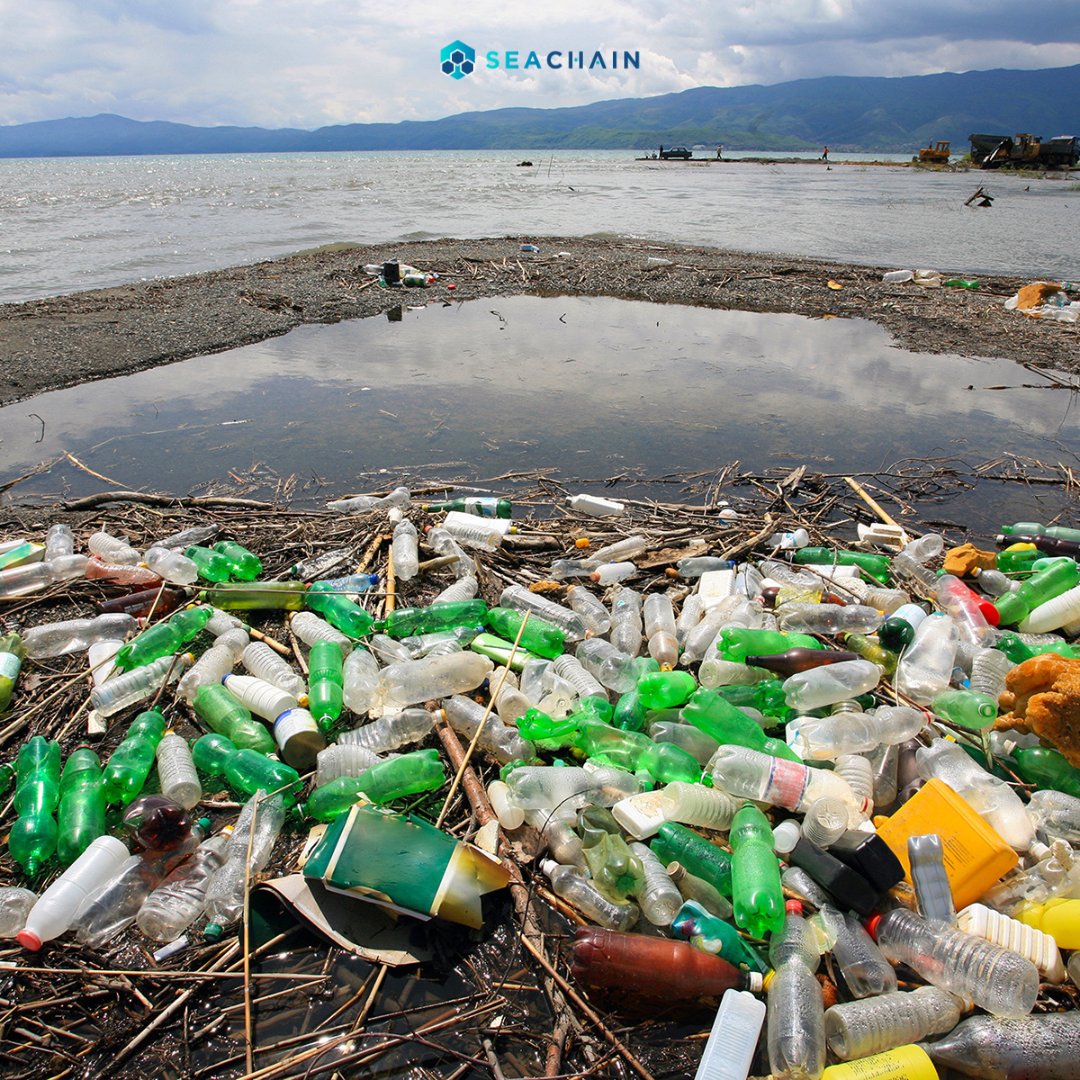
Much of the garbage reaches the oceans through the rivers, especially in places that do not have a proper disposal. By disposing of our garbage correctly, we are saving several marine animals and entire ecosystems!
More than half of the planet Earth is occupied by large oceans and seas. It is estimated that around 7 million tons of marine debris are dumped into the oceans and seas each year, the main victims being sea turtles, seals, sea lions, dolphins, and sea birds.
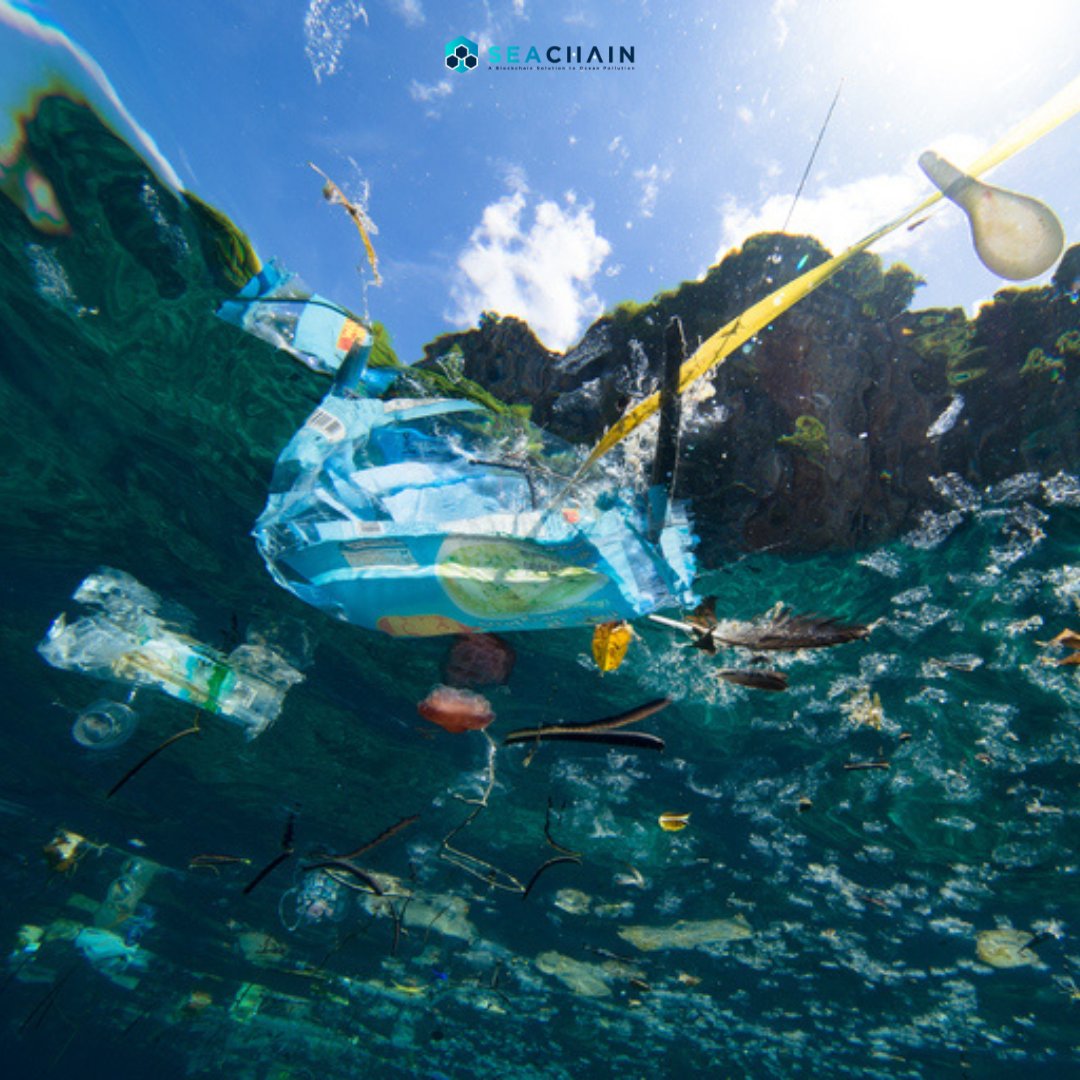
Most of the garbage that reaches the oceans comes from rivers, and can reach the rivers in different ways, such as through wastewater, wind, rain, and floods, and its destination will always be the sea.
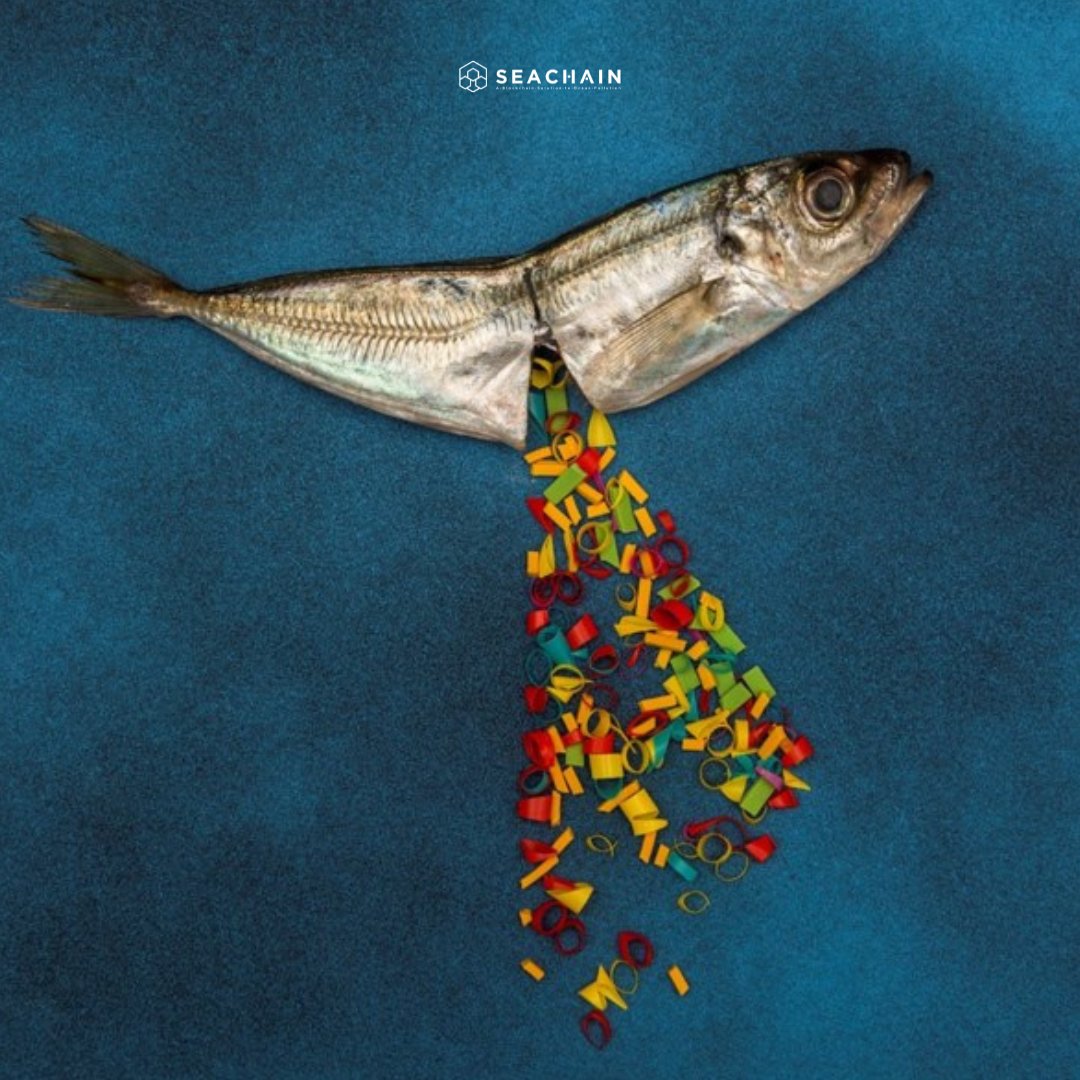
About 11 million tons of plastic ends up in the oceans each year! The pollution in the waters is responsible for a chain catastrophe affecting marine animals that can die by ingesting the microplastics and suffocating.
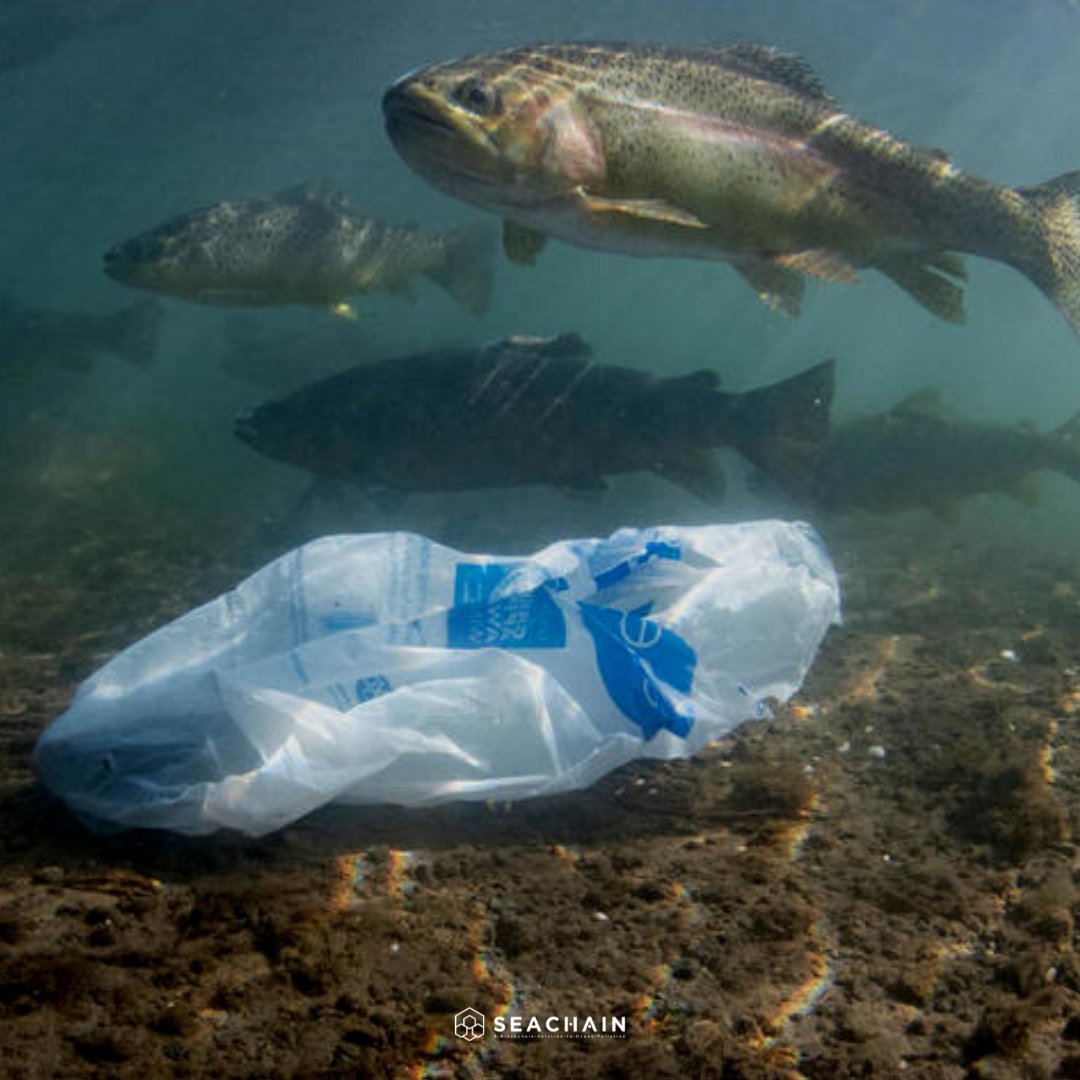
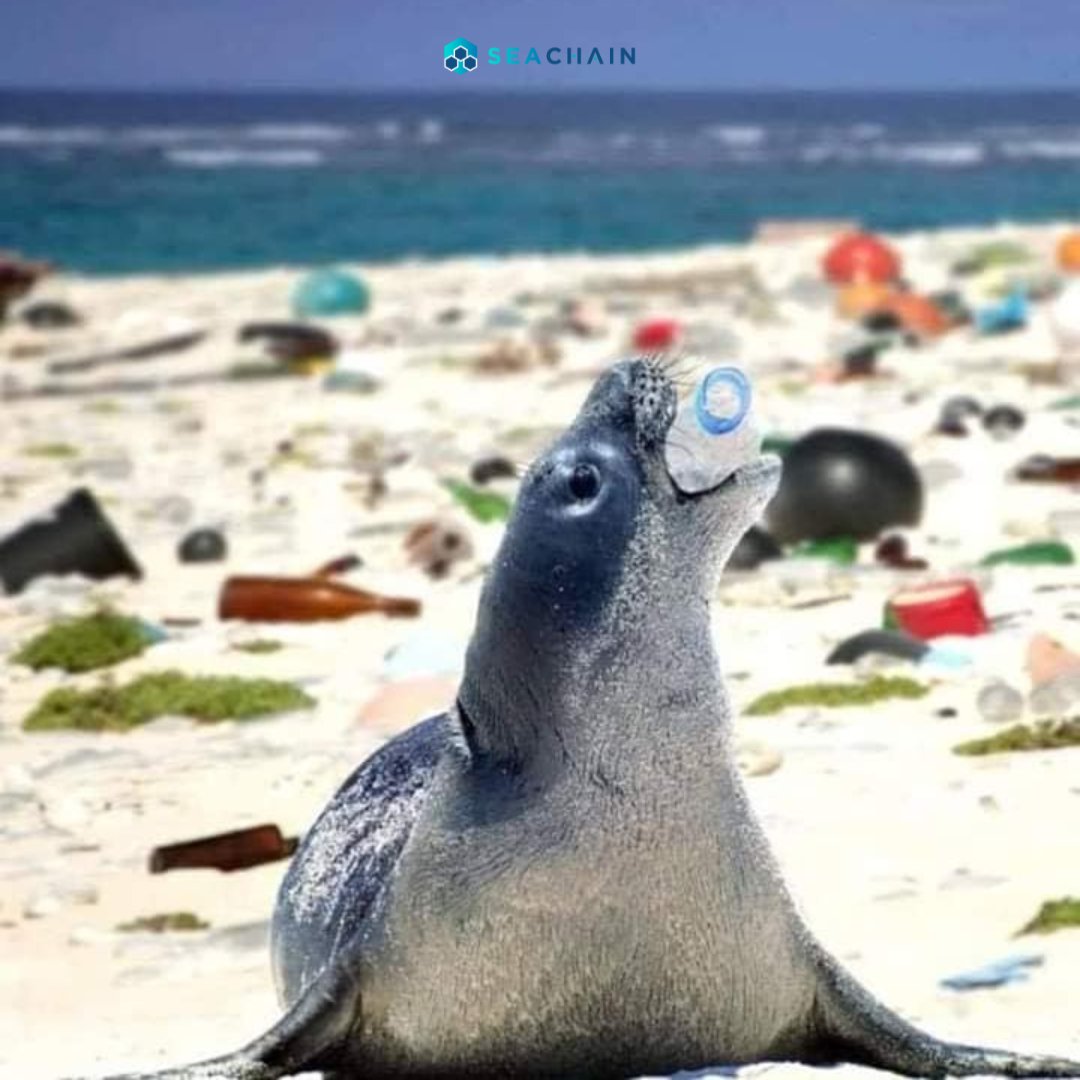
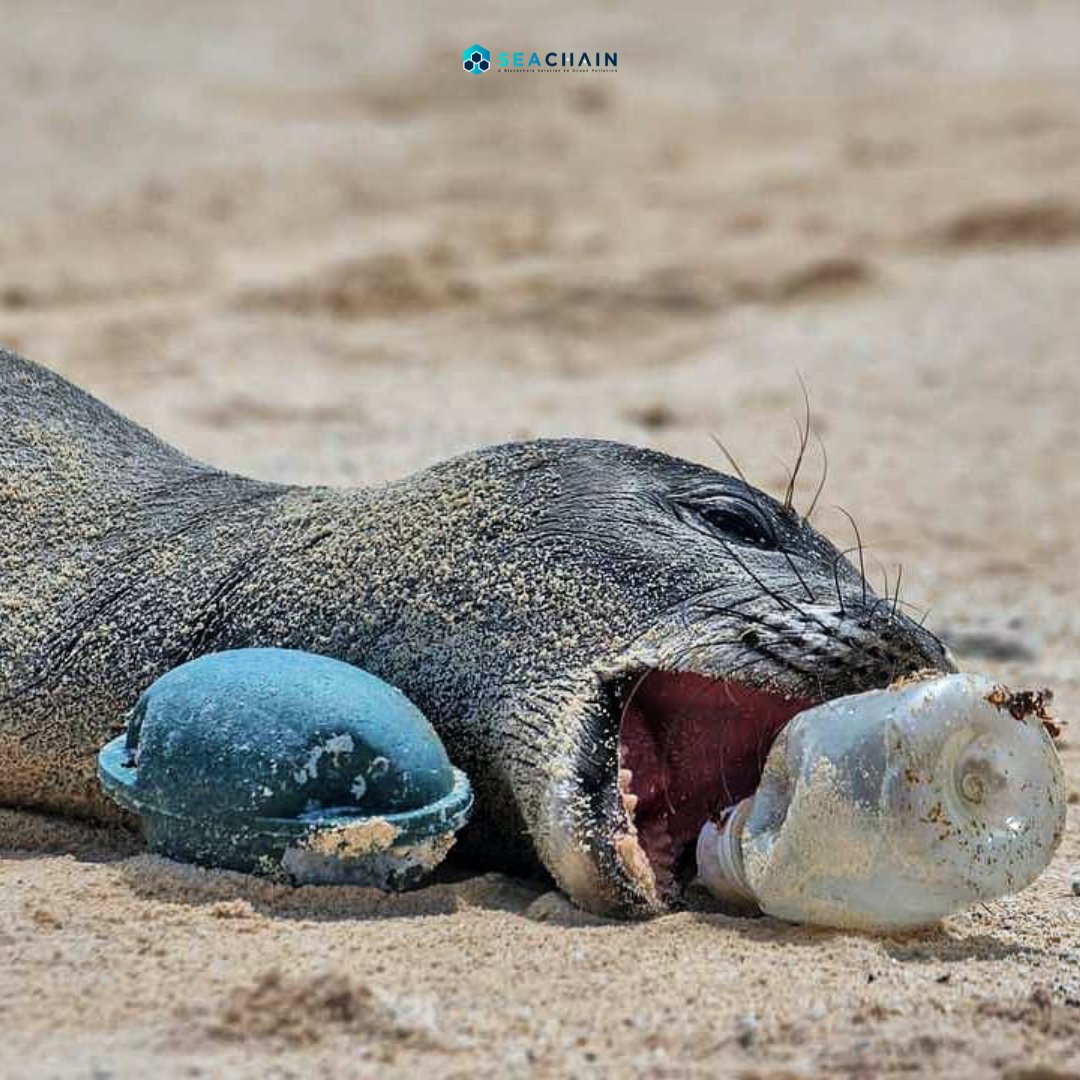
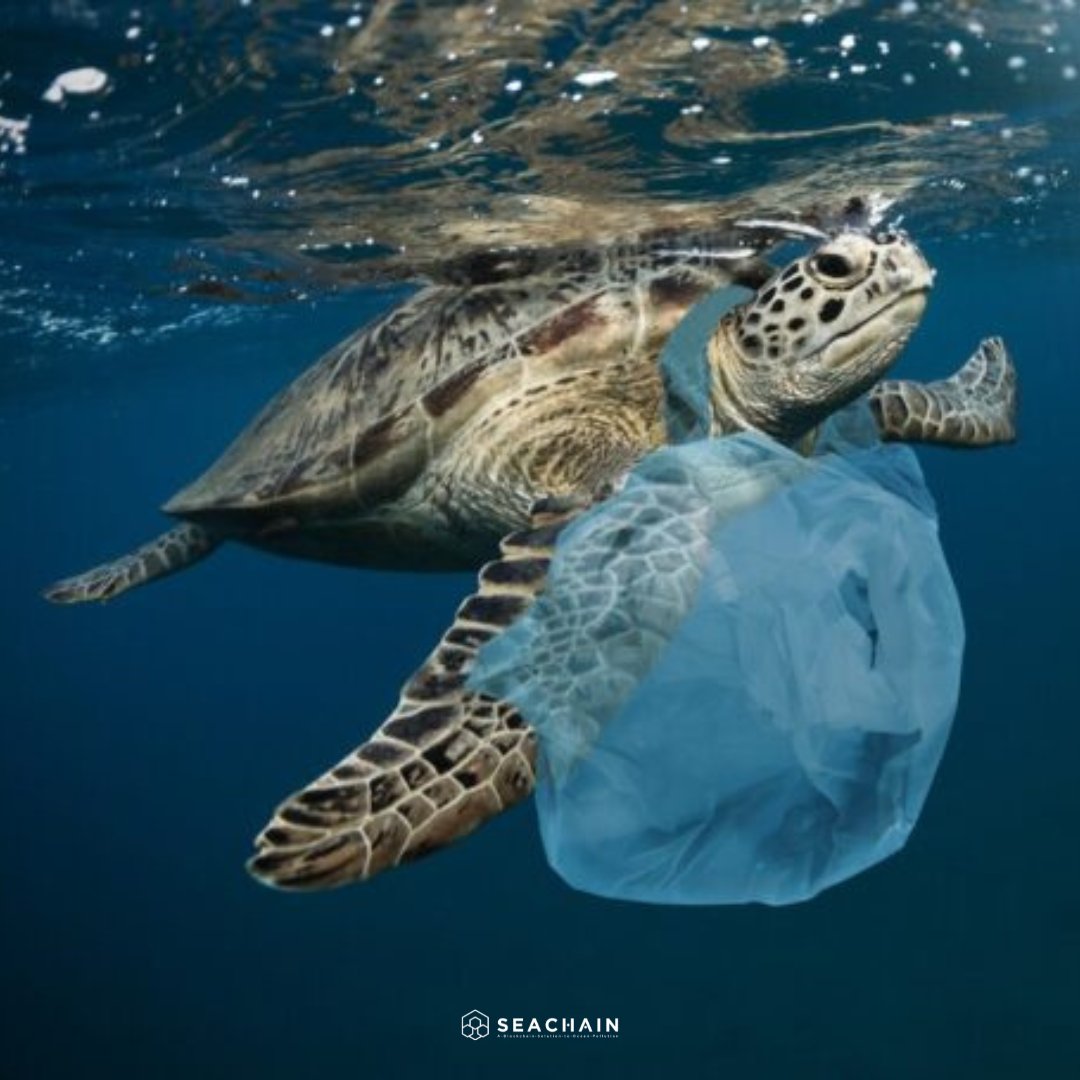
Animals often suffocate on floating garbage and many ingest this waste, mistaking it for food. By ingesting the plastic, the animals suffer false satiety and, with their stomachs stuffed with plastic, they are unable to ingest food particles and die of malnutrition
SeaChain is a network that funds effective waste collection systems in response to the growing plastic pollution crisis that kills ocean habitats and wildlife.
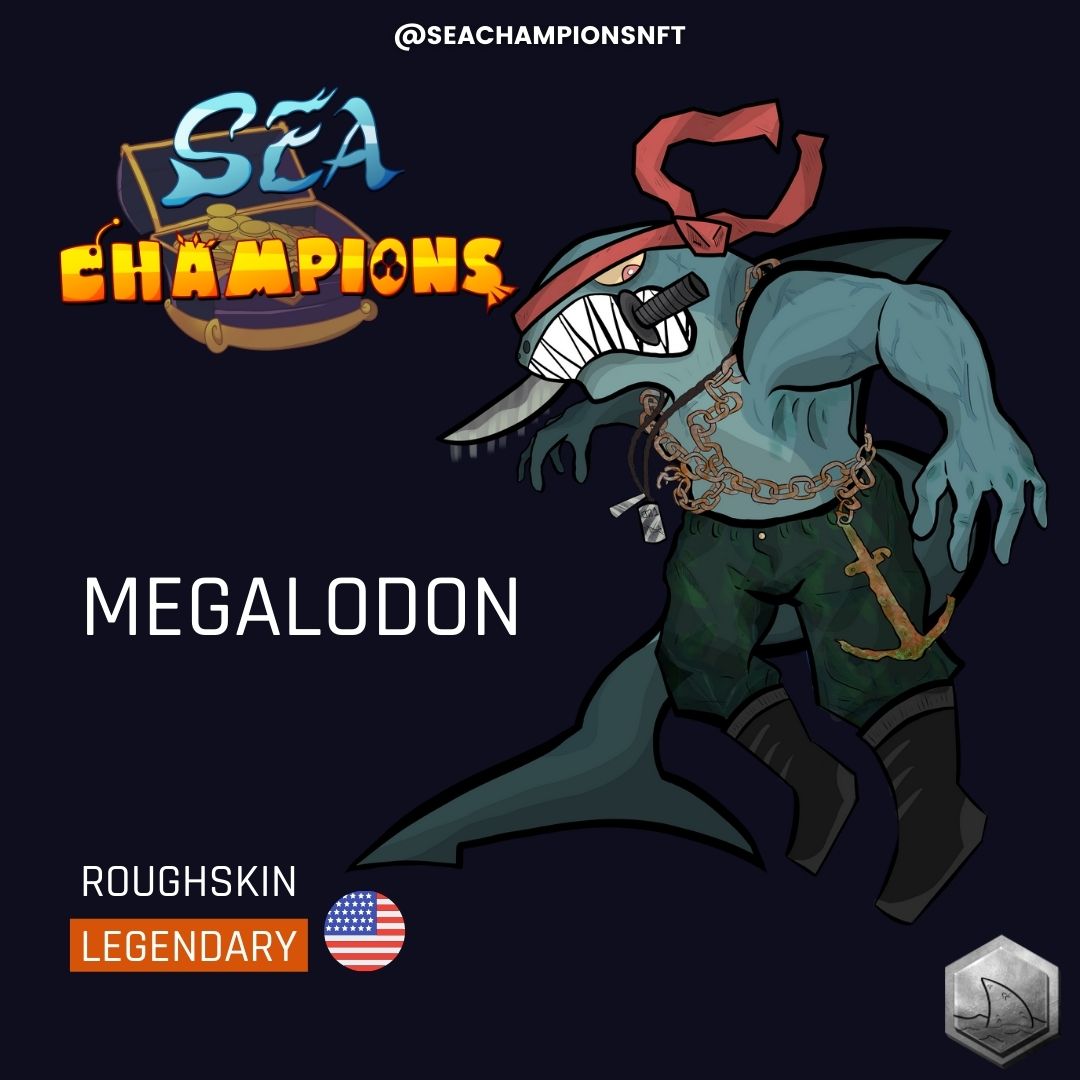
Get to know a little better one of our champions of the seven seas.
John Fango the Tactical Megalodon(Megalodon) lived approximately 23 to 3.6 million years ago, considered one of the largest and most powerful predators that ever existed.
Each year, eight million tons of plastic ends up in the ocean waters, leading to the death of more than 100,000 marine animals. Taking care of our garbage is taking care of the environment!
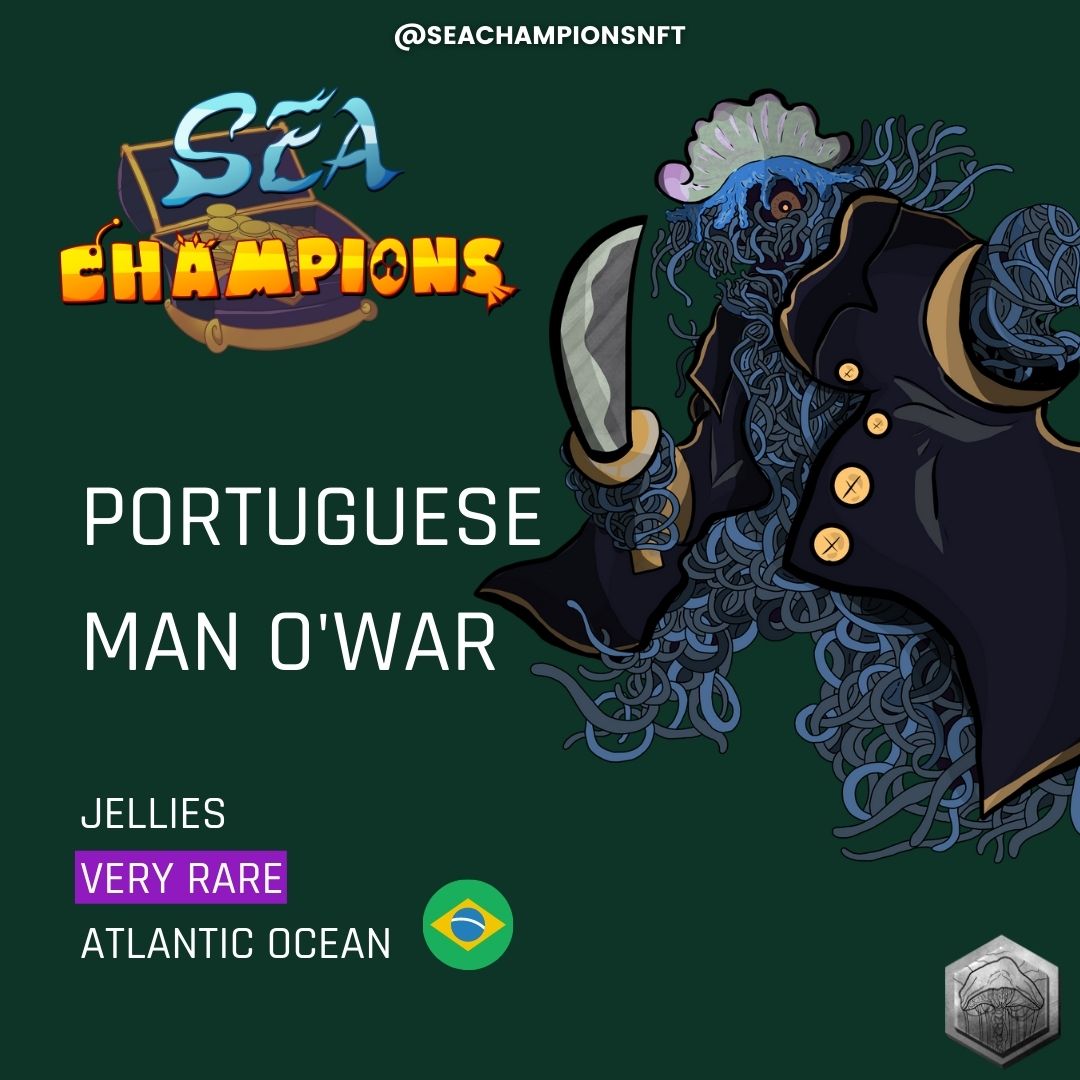
Get to know a little better one of our champions of the seven seas.
Captain Costa the Man O’War(Portuguese Man O'War)has a beauty with its colors and tones, but this animal is dangerous, the bite is extremely painful and can evolve into something more serious.
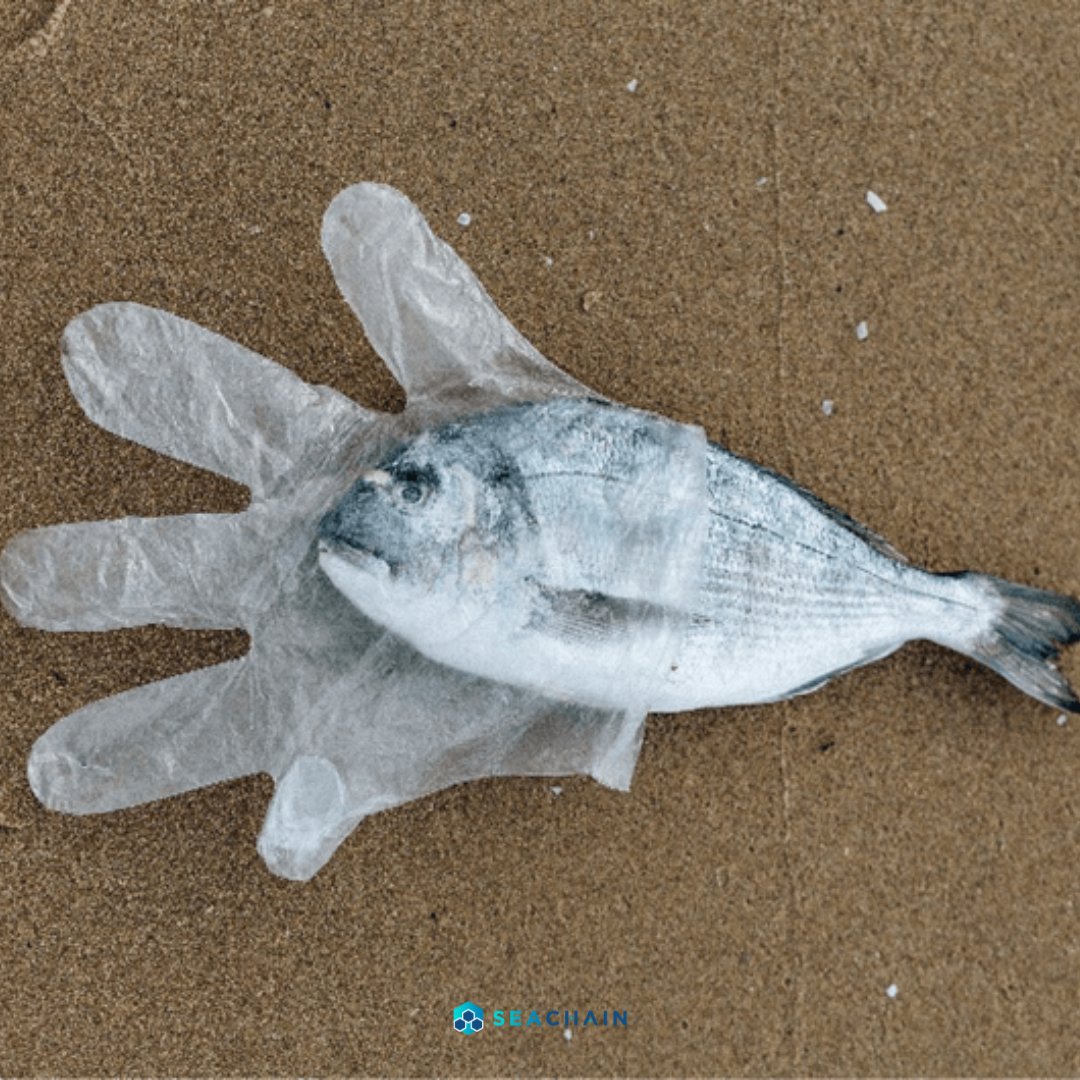
Turtles and seabirds are the most harmed by mistaking plastic bags for food in the food chain, such as living waters and small organisms. We must properly dispose of our garbage to avoid harming marine animals.
Get to know a little better one of our champions of the seven seas.
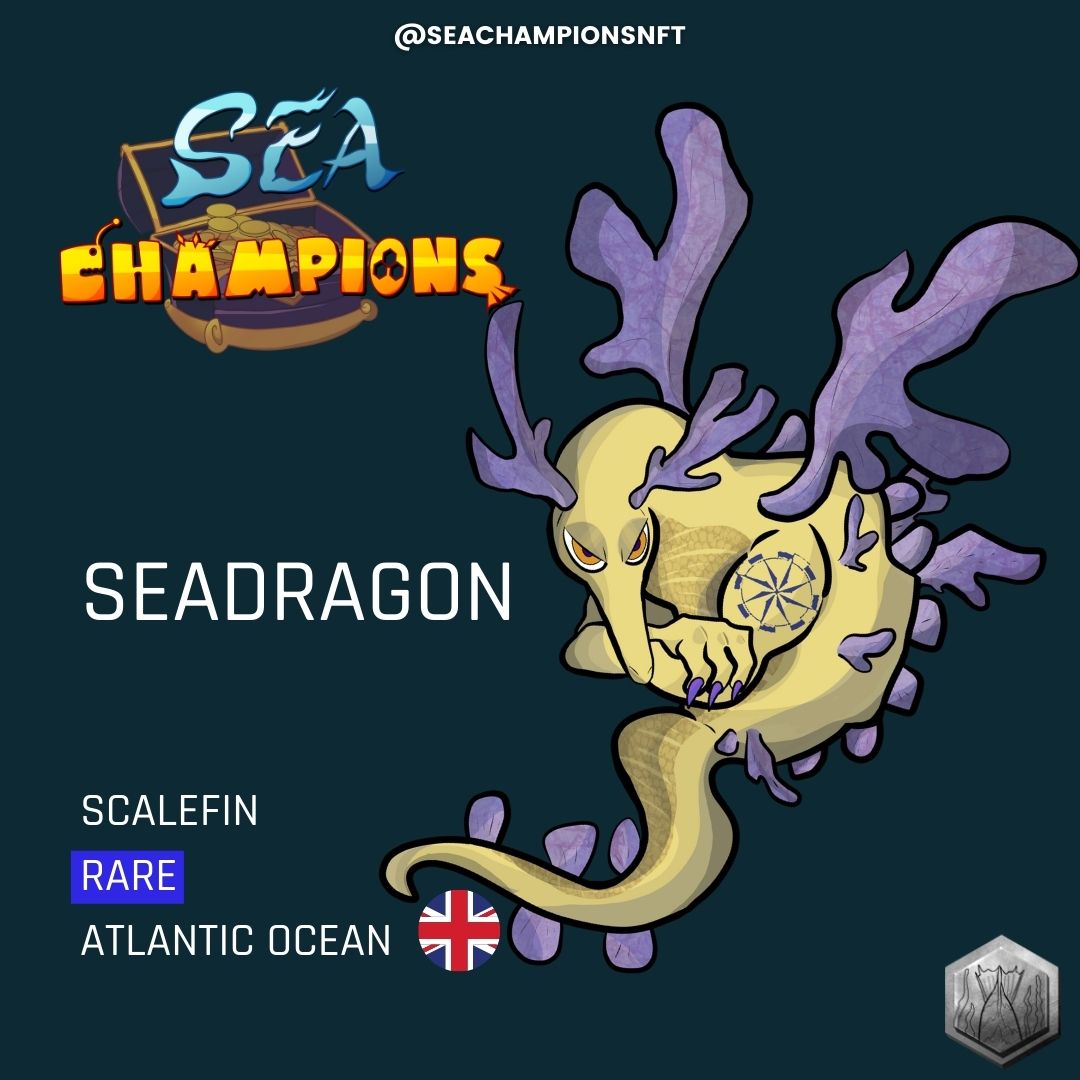
Nenrung the Dragon(Sea Dragon)They have a brown or yellow coloration on their body. They can be up to 35 cm long, are carnivorous and feed mainly on small crustaceans and sea lice.
🎉 PGNFT CLUB and @Fist__NFT reach ecological cooperation with @SeaChainToken
🥰 SeaChain is the first crypto-social enterprise to invest in preventing ocean pollution
💪 Let's work together to create a new #Metaverse marine ecosystem
Plastic waste pollution is only increasing due to the many disposable products made of this material. Much of this waste is discarded in inappropriate places and ends up in the oceans, polluting and harming marine animals in many ways.
Get to know a little better one of our champions of the seven seas.
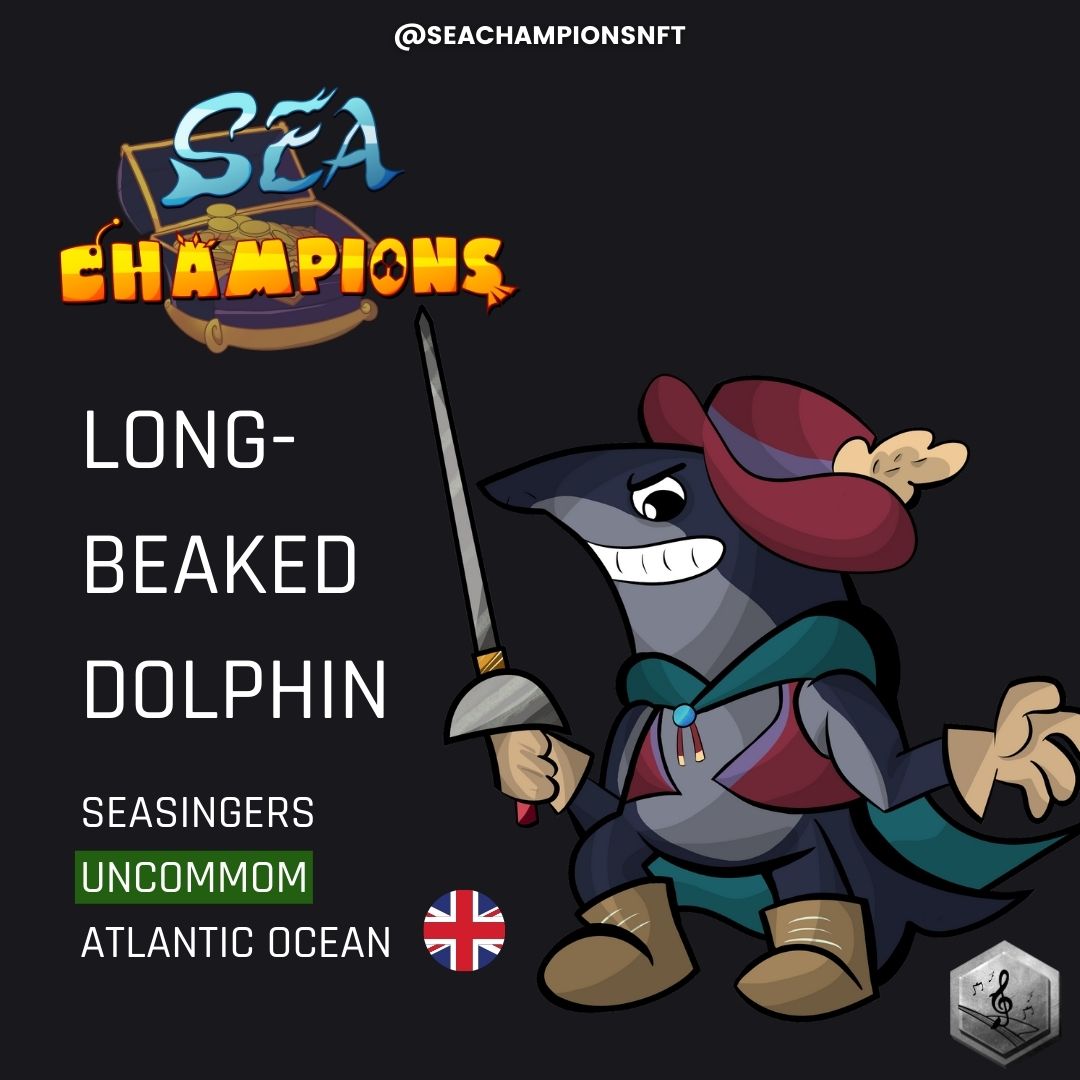
Sir Westley the Fencing Dolphin(Long-Beaked Dolphin)are considered to be very intelligent animals. They are nocturnal hunters that feed mainly on small fish and squid.
SeaChain is saving the marine environment by reducing the amount of trash that reaches the ocean. Our barriers protect the rivers and oceans by stopping trash from passing through, preventing it from polluting our waters, saving many ecosystems!
Get to know a little better one of our champions of the seven seas.
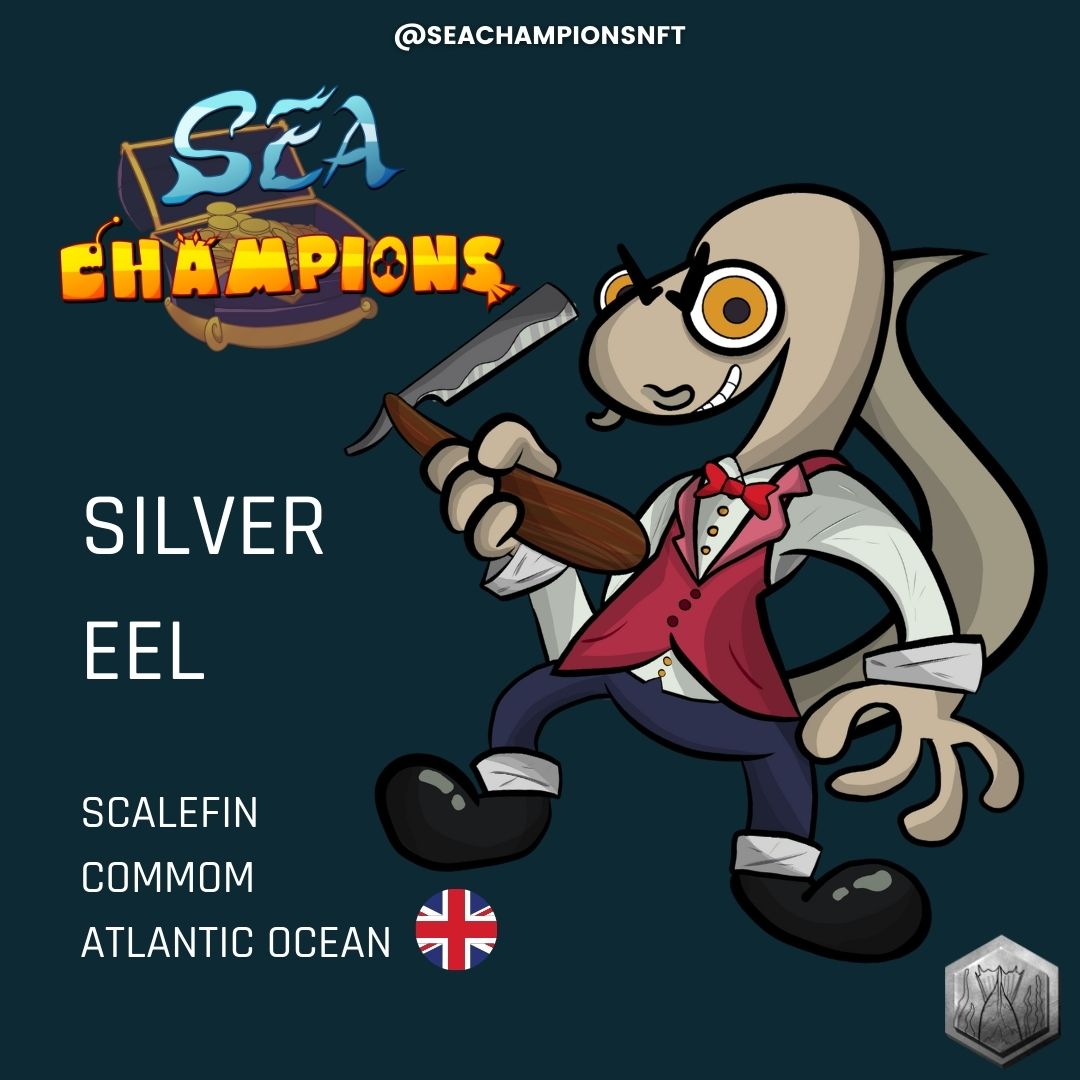
Todd the Barber Eel(Silver Eel)They are omnivorous, but feed mainly on small fish, crustaceans, mollusks, worms and insects, and have been found individuals weighing 14 kg and with a maximum age of 85 years.
Plastic is responsible for 80% of all garbage found in the oceans, every day tons of this waste arrives in the seas, a good way for everyone to help avoid single-use plastic, such as straws, cups, plates among others, so the environment thanks you!
🎉 We are excited to announce our partnership with
@CeresDAO
✨Ceres DAO enables decentralized Asset Management Protocol on Web3
This is a long-term partnership and we are looking forward to working together!
Read more about our partnership here
https://t.co/e5mIO2s3mb
Get to know a little better one of our champions of the seven seas.
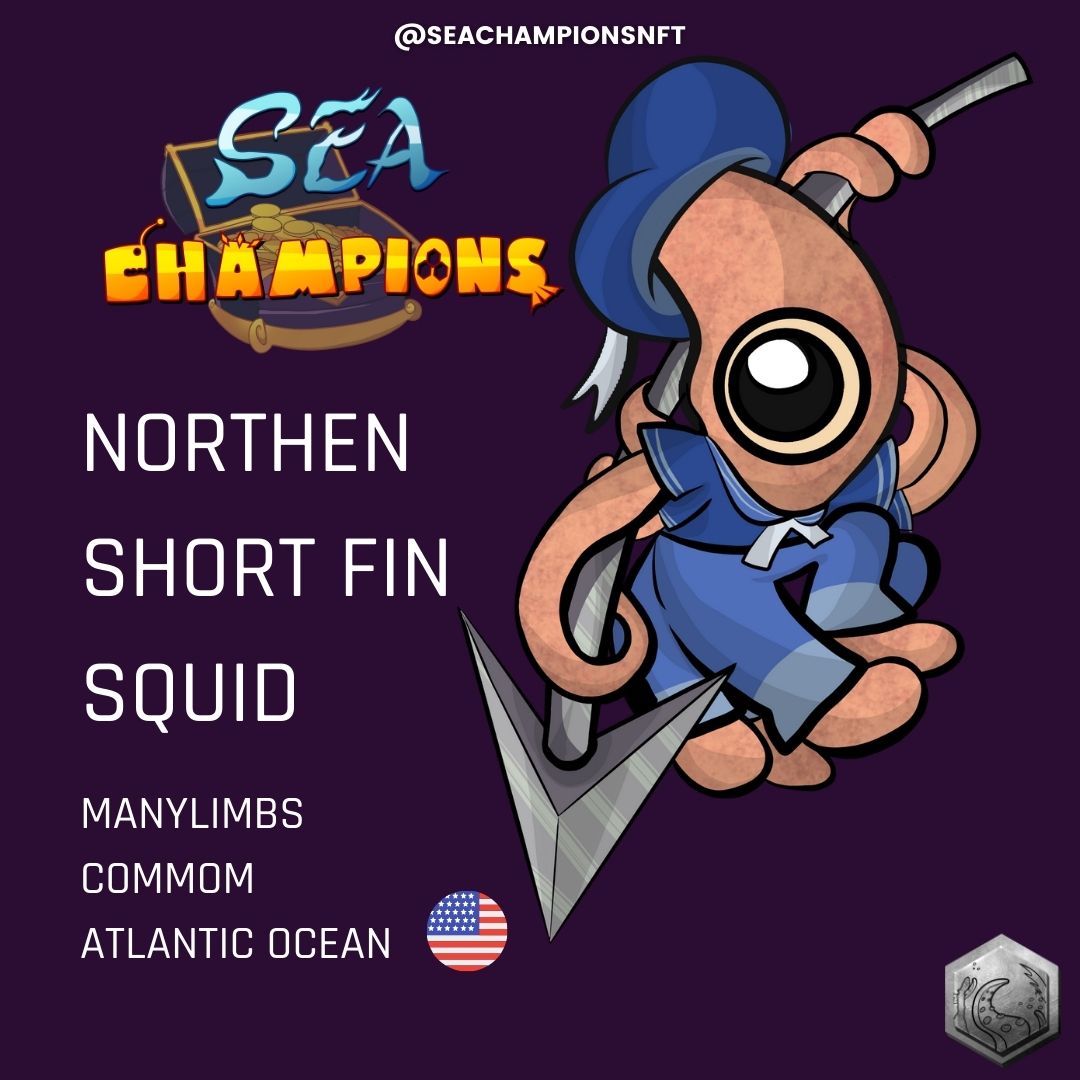
Johnny the Sailor Squid(Northen Short Fin Squid)They are a highly migratory and short-lived species, with a lifespan of less than a year, feeding mainly on fish and crustaceans.