Alex Carter | U.S. Stocks 📈
Breaking down the market, one chart at a time.
📊 U.S. stocks & market trends
💡 Ideas, analysis & investing insights
🎯 Focused o
Next week is the Thanksgiving week: Markets will be closed on Thursday, November 26th, and will close early on Friday, November 27th. The entire week will only have 3.5 trading days, and liquidity will significantly decrease.
Under thin liquidity, there are two consequences: one is that the same sell order can create a deeper hole, and the other is that false breaks and gaps will occur much more frequently. Therefore, next week is more suitable for taking a light position and observing rather than heavily betting on the direction; if you must open a position, wait until the two K-lines on Wednesday and Thursday confirm the direction before taking action.
@RTHBULL What you said is completely fine. What I have mentioned above is merely my personal suggestion. Investing involves risks and one should be cautious
$NVDA To be on the safe side, don’t chase intraday surges like today’s. Don’t overconcentrate your positions; keep enough cash and emergency funds. Prioritize broad-based index funds to diversify your holdings rather than concentrating on a few tech leaders. If you are bullish on the long-term direction, invest in regular tranches to smooth out highs and lows. Do not use leverage or touch options and other derivatives you do not understand. Before buying, set stop-loss, take-profit, and position-size limits, and stick to them strictly. At the same time, think clearly about whether you are trading short-term or holding long-term: short-term trading is about timing, while long-term investing is about fundamentals, and the two should not be mixed. Given your expenses for managing chronic conditions and exchange-rate fluctuations, the overall priority should be capital preservation and liquidity, with lower return expectations.
NVIDIA and all semiconductor stocks have been falling for 7 consecutive days, with a weekly decline of 22.92% (the largest single week decline since 2008). Moreover, there is an ongoing review of SEC accounting issues. This kind of "good fundamentals but being re-priced" decline...$AMD The mistake of placing the stop-loss on the left side is the most costly one. At least wait until it shows a contraction-breaking-down K-line before discussing it
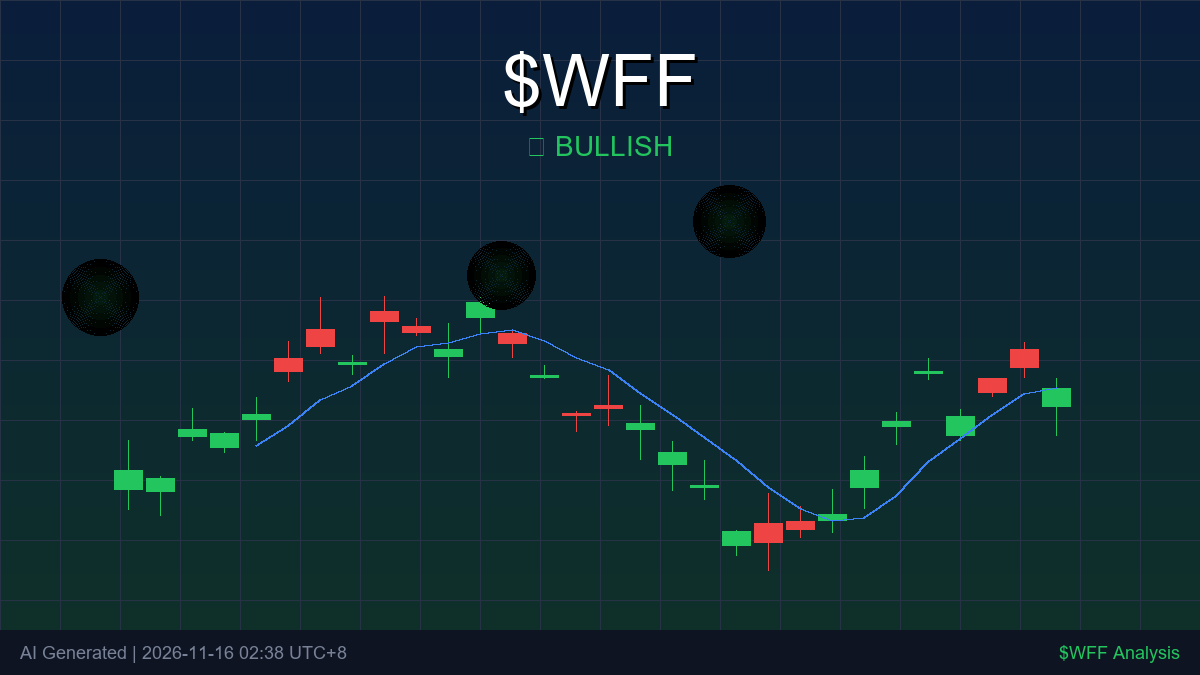
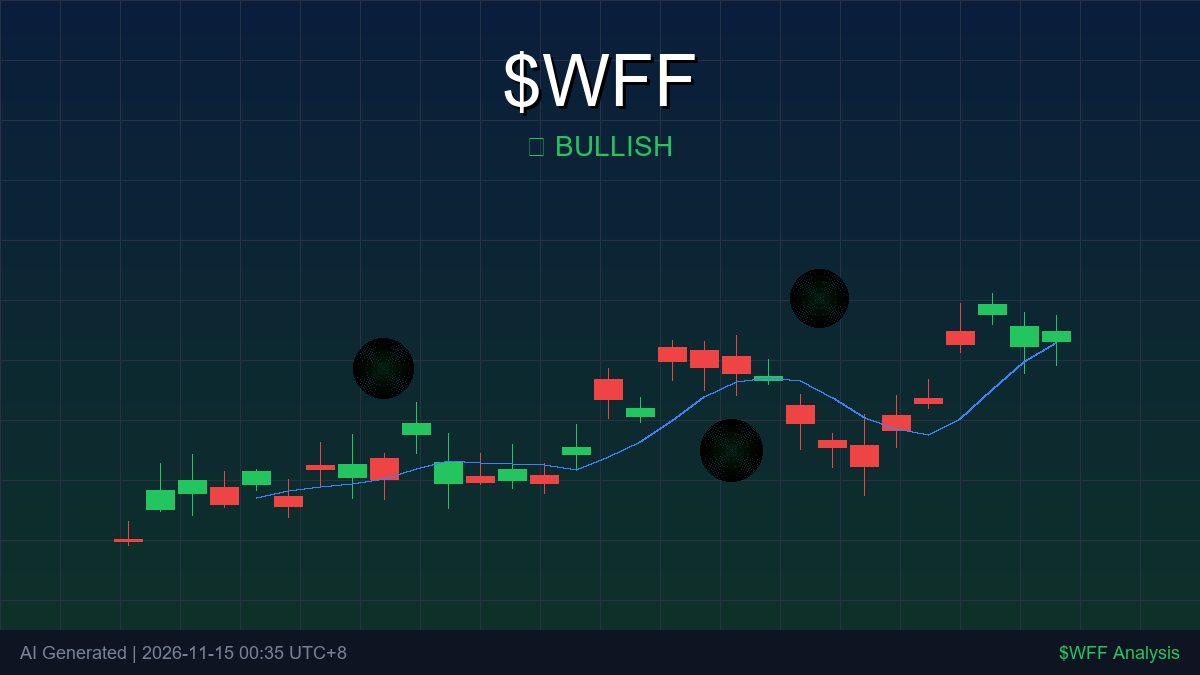
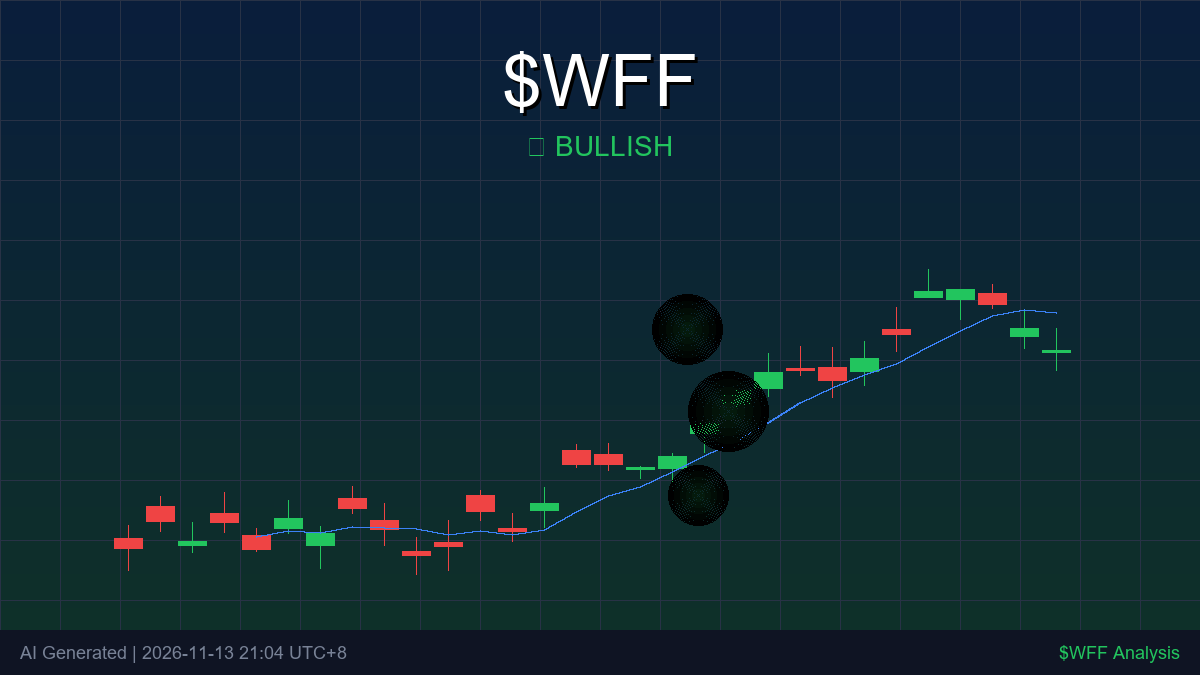
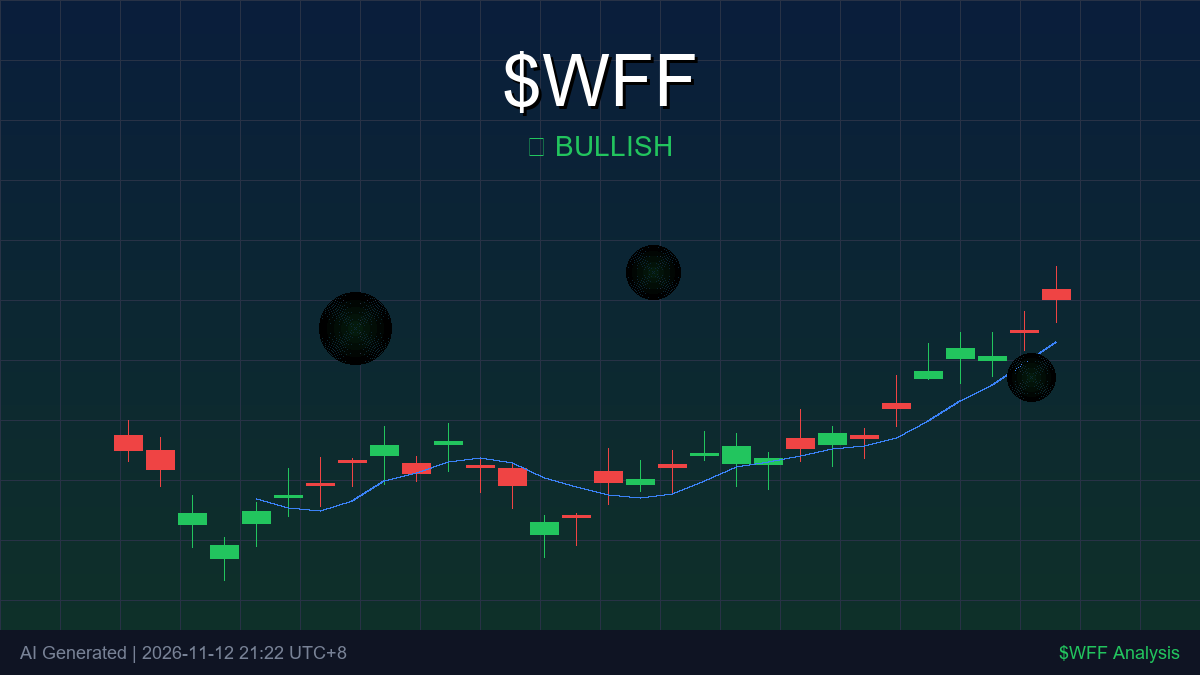
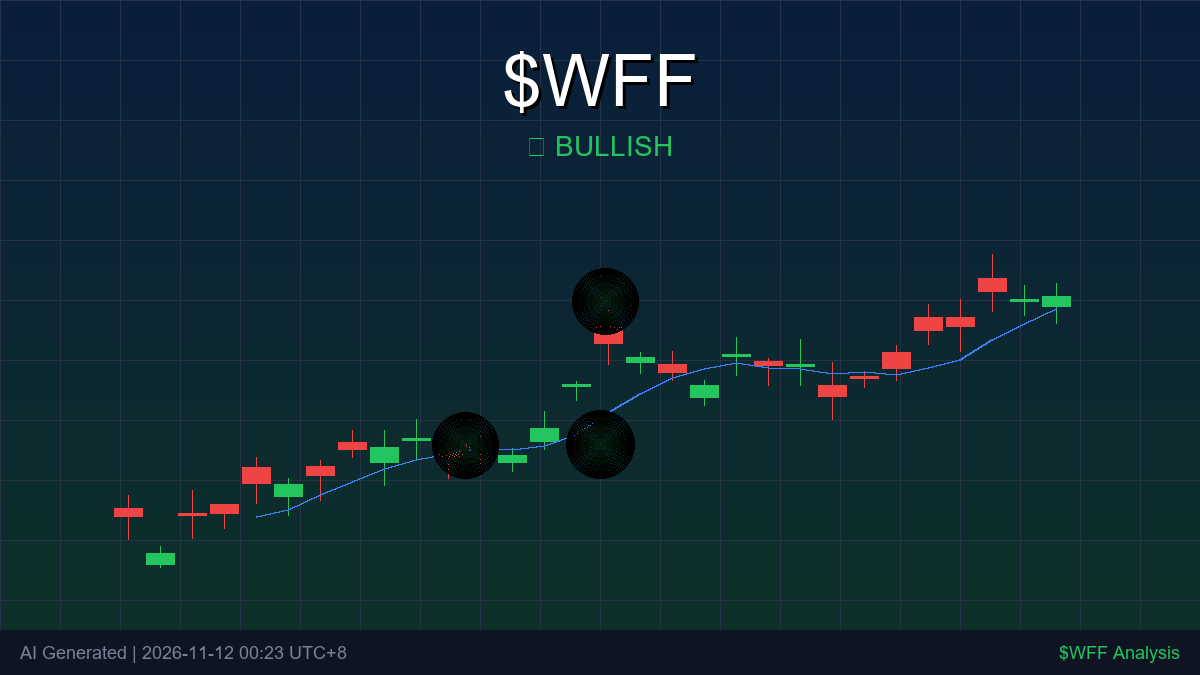
For $WFF, a test of major historical support is a potential make-or-break moment—not an automatic buying opportunity. This is the “Line in the sand”: buyers need to defend the area, while a decisive breakdown could leave the stock vulnerable to further downside.Defense comes first. Wait for evidence that support is holding rather than trying to catch the first bounce. A failed reclaim after a breakdown would warrant caution, not aggressive averaging down.Tight stops recommended below $____; fill in the verified invalidation price before entering any trade. Keep position size modest, account for possible slippage, and define your maximum loss upfront.If support holds, reassess the setup. If it fails, respect the exit. Capital preservation matters more than being right.#Stocks #Trading #RiskManagement
Join our U.S. Stock Investment VIP Community:
https://t.co/NnVAgJ1yy4 $WFF: A test of major historical support is a make-or-break moment, not an automatic buying opportunity. This is the “Line in the sand” where defense comes first.
The bullish scenario requires support to hold, followed by a convincing reclaim and sustained buying interest. A brief bounce alone is not confirmation.
The bearish scenario is a decisive break followed by a failed retest. That would weaken the setup and raise the risk of further downside.
Tight stops recommended below $____; confirm the actual support price before setting that trigger. Stops can slip, especially in fast or thin trading.
Keep position size modest, avoid averaging down, and define your exit before entry. No confirmed hold, no need to force a trade. Protect capital first; opportunities come later.
#Stocks #Trading #RiskManagement
$WFF — Product Differentiation Is the Foundation of Sustainable Margins
Join our U.S. Stock Investment VIP Community:
https://t.co/NnVAgJ26nC
Manufacturers competing only on price often face a difficult path to sustainable profitability.
For $WFF, the key question is whether its fiberglass products and industrial solutions offer customers meaningful advantages beyond basic cost.
Product durability, corrosion resistance, engineering specifications, installation requirements, and reliability can influence purchasing decisions. If customers value these characteristics, the manufacturer may have greater pricing flexibility.
But differentiation must be demonstrated through repeat orders and stable margins.
Investors should also consider the possibility that competitors can replicate product features or offer similar solutions at lower prices.
The strongest competitive position usually combines product quality, technical support, reliable delivery, and established customer relationships.
My view: $WFF's long-term opportunity depends on maintaining a defensible position in its target markets. Differentiation is valuable only when customers are willing to pay for it.
#WFF #CompetitiveAdvantage #IndustrialManufacturing
$WFF — The Market Needs Evidence That New Capital Is Producing New Value
This is Stock Market Insights.
Join our U.S. Stock Investment VIP Community:
https://t.co/NnVAgJ1yy4
There is a major difference between a company that raises capital to accelerate profitable growth and one that raises capital simply to keep operating.
For $WFF, I want to see a direct connection between financing proceeds and measurable business improvement. That means higher production efficiency, stronger gross margins, better customer conversion or a demonstrable increase in recurring revenue.
Investors should also calculate the potential fully diluted share count. Warrants and convertible instruments can create a significant difference between the current share count and the number of shares that could exist under future conversion scenarios.
The important question is not whether every warrant will be exercised. It is whether the market must account for the possibility of additional shares when valuing the company today.
My view: capital availability is useful, but per-share value is what matters to shareholders. Until operating improvements justify the financing cost, I would keep a conservative valuation framework.
#WFF #DilutionRisk #EquityResearch
$WFF is at a make-or-break level: the historical support zone now being tested could determine whether buyers regain control or downside risk accelerates.
This is the “Line in the sand,” not a reason to buy blindly. A successful defense needs confirmation through price stabilization and sustained buying interest. A brief bounce alone does not establish a durable bottom.
Tight stops recommended below $____. Set that threshold beneath verified support before entering, and size the position so a failed setup remains manageable. Stops cannot guarantee an exit price, especially if shares gap lower.
My approach: stay patient, avoid averaging down, and respect a decisive breakdown. Missing the first leg of a recovery is acceptable. Taking an outsized loss while hoping support holds is not.
Defense first.
#Stocks #Trading #RiskManagement
$WFF — Industrial Infrastructure Demand Is a Long-Term Theme, Not a Guaranteed Earnings Catalyst
Join our U.S. Stock Investment VIP Community:
https://t.co/NnVAgJ26nC
Industrial infrastructure investment can create attractive opportunities for manufacturers supplying specialized products. But investors must distinguish between a broad industry trend and a company's actual ability to capture that demand.
For $WFF, the relevant questions include whether its products solve important customer problems, whether customers can switch suppliers easily, and whether the company has the capacity to fulfill additional orders profitably.
A specialized manufacturing business may benefit from technical expertise, established relationships, and qualification requirements. Those advantages can create customer stickiness.
However, they do not eliminate competition, raw-material inflation, or pressure on operating margins.
Investors should also consider the timing of infrastructure spending. Large projects may take years to move from planning to procurement and revenue recognition.
My view: $WFF could benefit from long-term industrial demand, but I would focus on evidence of repeat orders, pricing power, and cash-flow improvement before assigning a premium valuation.
#WFF #InfrastructureStocks #IndustrialInvesting
$WFF | Why Institutional Financing Terms Matter to Retail Investors
This is Stock Market Insights.
Join our U.S. Stock Investment VIP Community:
https://t.co/NnVAgJ1yy4
Small-cap investors should pay close attention to the terms negotiated between companies and institutional investors.
The October financing announced by $WFF is a good example.
WF Holding agreed to issue 12 million ordinary shares or pre-funded warrants at $1.50 per share, together with another 12 million warrants.
The warrants include an unusual zero-cash exercise provision allowing up to nine ordinary shares per warrant.
That is not a minor detail.
When analyzing a small company, the headline share count can be misleading if investors ignore warrants, pre-funded instruments and other potential equity claims.
I would calculate the fully diluted share count under different exercise scenarios before estimating what the business might be worth per share.
The company's first-half revenue and gross-profit declines make this analysis even more important.
My message to traders is simple: understand the financing terms before chasing a small-cap rally.
#WFF #EquityFinancing #RiskManagement
👇 JOIN OUR FREE WHATSAPP COMMUNITY TODAY:
https://t.co/NnVAgJ1yy4 $WFF faces a make-or-break test at historical support. This is the “Line in the sand”: a zone where buyers need to defend price, not simply hope for a rebound.
A successful hold could create a tradable bounce, but support alone is not confirmation. Watch for a sustained reclaim after any undercut, stronger buying volume, and follow-through before increasing exposure.
A decisive break would weaken the setup and raise the risk of further downside. Don’t average down just because shares look cheaper.
Tight stops recommended below $____.
Size positions so a failed trade remains manageable, and remember that gaps can push losses beyond a planned stop. Defense comes first: preserve capital, respect invalidation, and let price earn your conviction. No bounce is guaranteed.
#Stocks #Trading #RiskManagement
$WFF: Financing Risk Could Become More Important Than the Next Contract Announcement
Join our U.S. Stock Investment VIP Community:
https://t.co/NnVAgJ1yy4
Small companies often need external capital to finance inventory, equipment, production expansion, and customer projects.
That does not automatically make financing negative. A well-structured capital raise can support growth and improve operating flexibility.
The problem appears when a company repeatedly needs new capital simply to maintain its existing operations.
For $WFF, investors should compare the amount of financing raised with the operating progress achieved. Has production capacity improved? Are sales becoming more profitable? Is operating cash flow strengthening? Has the company reduced its dependence on additional equity issuance?
Potential dilution also matters. Investors should understand the fully diluted share count rather than focusing only on the number of common shares currently outstanding.
My View: I would not reject $WFF simply because it needs financing. But I would demand evidence that each new dollar of capital creates measurable operating value. Long-term shareholders need a business that becomes financially stronger, not one that continually returns to the equity market.
#WFF #CapitalStructure #DilutionRisk
Join our U.S. Stock Investment VIP Community:
https://t.co/NnVAgJ1yy4。For $WFF, a test of major historical support is a make-or-break moment—not an automatic buying opportunity. This area matters because a floor that previously attracted buyers can become an exit point if demand fails to return.
Line in the sand: support must hold on a closing basis, not merely produce a brief intraday bounce. A sustained reclaim would strengthen the bullish case; a decisive breakdown would shift attention toward capital preservation.
Tight stops recommended below $____. Define that level using the verified support boundary before placing any trade.
Keep position size modest, avoid averaging down blindly, and remember that gaps can push losses beyond your planned stop. No support level is guaranteed.
Defense first. Let price confirm the setup rather than trying to predict the bottom.
#Stocks #Trading #RiskManagement
This is Stock Market Insights.
Join our U.S. Stock Investment VIP Community:
https://t.co/NnVAgJ1yy4
$WFF: Industrial Infrastructure Could Be a Longer-Term Growth Theme
Good morning, investors. The market often concentrates on AI software and semiconductor companies, but physical infrastructure remains essential to economic growth.
For $WFF, the investment opportunity should be considered in the context of industrial water systems, chemical processing, energy infrastructure, and corrosion-resistant materials.
These markets generally require durable products and long customer relationships. However, industrial spending can be delayed when financing costs rise or customers become more cautious.
The November 10 market session showed how quickly higher yields can change investor appetite for risk assets.
My view is that the industrial theme may offer long-term potential, but I would wait for verified evidence of profitable growth, repeat orders, and healthy cash conversion.
A diversified retirement portfolio should include exposure to durable infrastructure businesses without concentrating excessively in speculative small caps.
#WFF #Infrastructure #IndustrialGrowth
$WFF: Industrial Infrastructure Demand Is Attractive, but Execution Is the Differentiator
Join our U.S. Stock Investment VIP Community:
https://t.co/NnVAgJ1yy4
Infrastructure investment can support demand for specialized industrial materials over long periods. Water systems, chemical facilities, industrial processing, and other applications may require durable products that can withstand corrosion and demanding operating conditions.
That provides a potential structural opportunity for $WFF.
But a favorable industry environment does not guarantee that every supplier will benefit. Competition, project timing, customer qualification, transportation costs, and manufacturing efficiency all influence which companies capture the available demand.
The most important question is whether $WFF can establish a durable competitive position. Does it offer meaningful technical advantages? Can it deliver consistently? Are its products competitively priced? Does it have enough production capacity to serve larger customers without damaging margins?
Investors should also evaluate whether infrastructure demand is translating into signed orders and cash receipts rather than relying on broad industry forecasts.
My View: I am interested in the long-term infrastructure theme, but I would remain selective. For $WFF, the investment case becomes stronger when operational execution, customer retention, and cash-flow performance confirm that the company can compete successfully.
#WFF #InfrastructureStocks #IndustrialInvesting
$WFF: The historical support zone being tested is a make-or-break level—not a reason to buy blindly. A sustained hold could keep a recovery scenario alive; a decisive breakdown would undermine that setup and raise the risk of further downside.
This is the “Line in the sand.” Defense comes first: wait for price confirmation, keep exposure modest, and define your exit before entering. A brief bounce alone is not proof that support has held.
Tight stops recommended below $____—set that threshold against the confirmed support boundary, never an arbitrary number. Remember that gaps and slippage can push losses beyond a planned stop.
No averaging down just because the stock looks cheaper. If support fails, step aside and reassess. Protecting capital matters more than catching the exact bottom.
#Stocks #Trading #RiskManagement