It's a beautiful day in the political neighborhood — all nine of them.
From the Liberal Arts Left to Cul-de-Sac Conservatives, Lawn Sign Liberals to the Center Square.
What kind of neighbor are you? Take the quiz!
https://t.co/GUjBZUXU62
OBBBA included a whole bunch of tax cuts for the wealthiest owners of pass-through businesses, resulting in the loss of around $1,000,000,000,000 in federal revenue.
Congress will need to figure out how to walk those cuts back.
When it comes to taxes, the government should look to @omzidar's "Everywhere Millionaires." Just focusing on the richest of the rich won't bring in enough revenue.
"If we want to raise revenue it's helpful to think about a broader set."
When Americans think about wealth in this country they tend to picture the Taylor Swifts and Jamie Dimons of the world. But that doesn't really capture the full picture.
@omzidar: "Private business owners are really a central player in the story of inequality."
WHO ARE THE 1%? AND HOW SHOULD WE TAX THEM?
@omzidar is a professor of Economics and Public Affairs at Princeton and the author of "The Everywhere Millionaire: Who Is Really Rich in America and How They Got There."
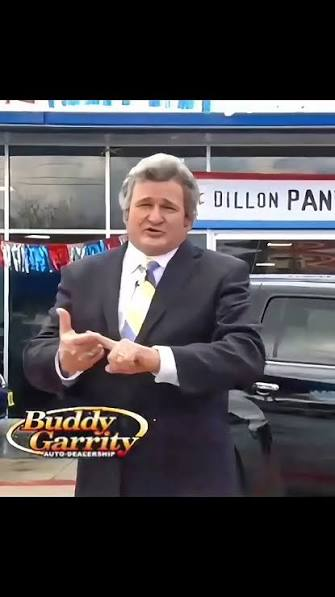
He found the secret subset of wealthy Americans that no one was talking about — people like the regional car dealer who spent $60 million on his daughter's wedding.
Owen sat down with @EKraschel to talk about these multimillionaires, and how we can reform the tax code to make sure they pay their fair share.
0:00 - A request from the Treasury
3:47 - Who the 1% actually are
6:15 - Finding the Everywhere Millionaires
8:00 - How we should tax the wealthy
14:10 - Challenges in the tax code
20:45 - Bigger pie vs. bigger slice
27:00 - Going beyond the data
Most Americans contribute their fair share. They aren't frustrated by the fact that they have to pay taxes, they just think that other people are gaming the system.
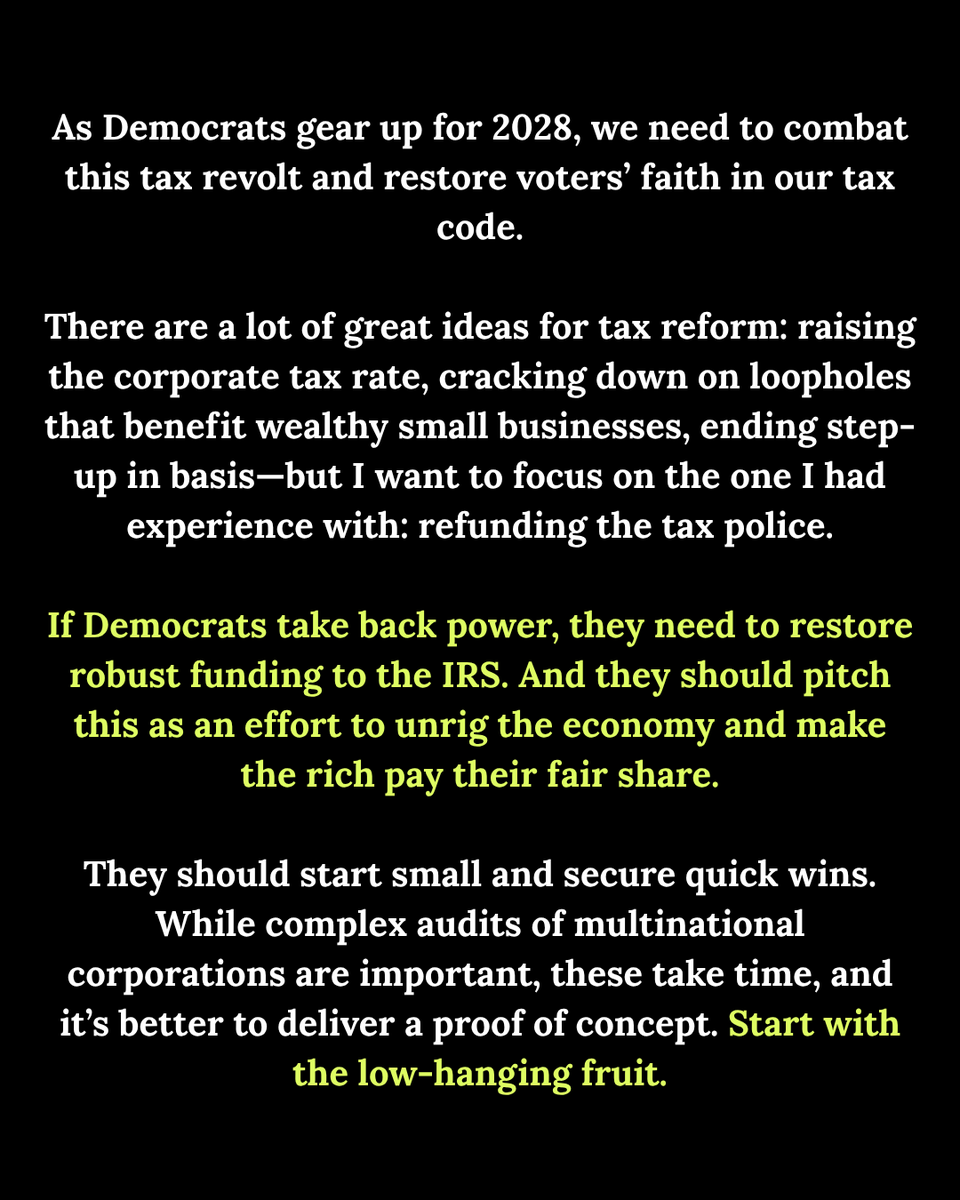
That's why @AshleySchapitl thinks that Democrats need to re-fund the tax police.
A system and a culture built around evading, cutting, or eliminating taxes can't coexist with a vision for universal health care and an expanded social safety net.
Patriots pay their taxes.
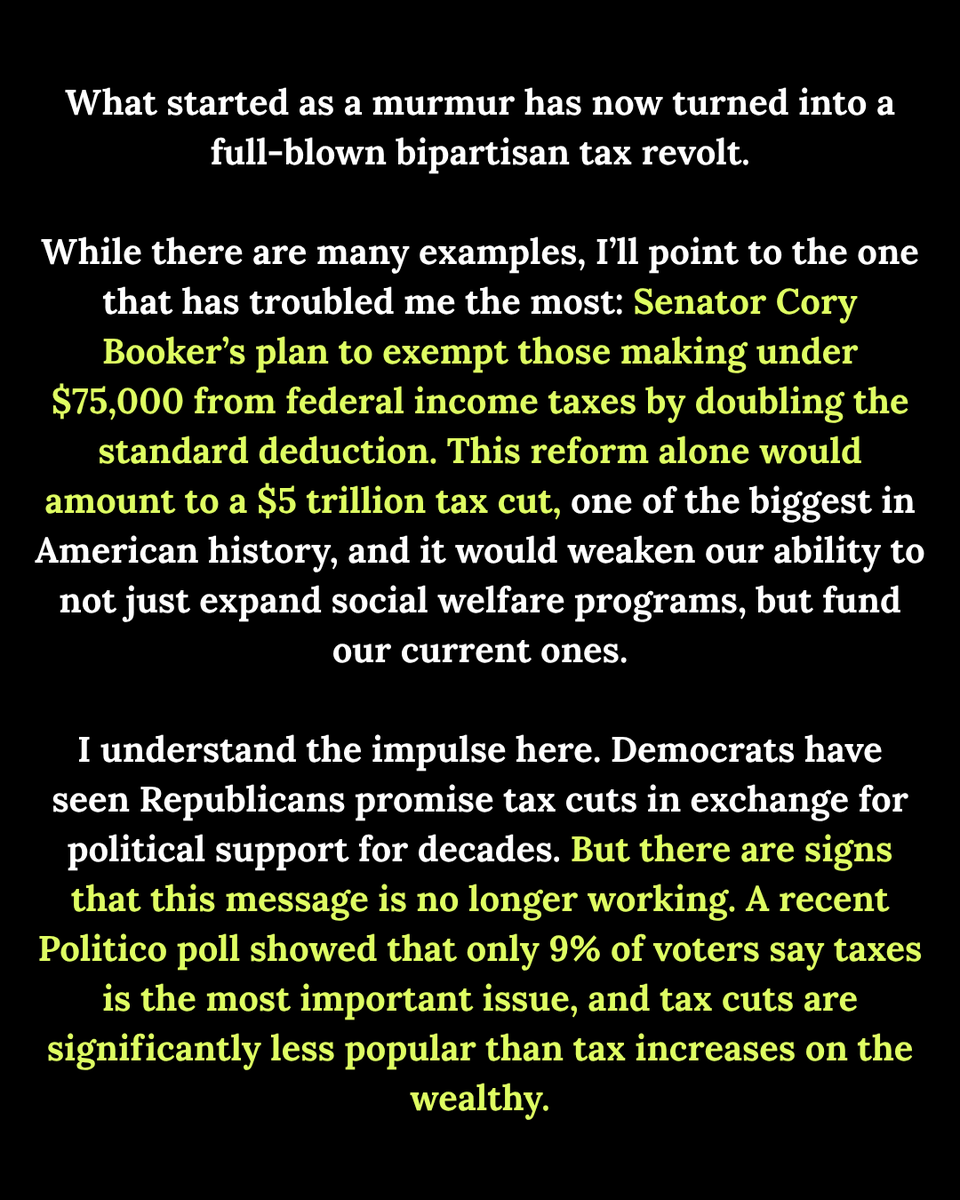
No more “No Tax On” slop! No more plans to exempt the majority of taxpayers from any taxes at all!
Fund the tax police and restore some credibility in the tax system. Me for @SearchlightInst https://t.co/CrcmD5HnG3
To counter the bipartisan tax revolt, start by funding the tax police, @AshleySchapitl says:
I saw what the IRS could do when it had the resources to do its job and change the incentives for tax avoidance at the very top of society.
We pursued high-income non-filers, audited corporate jets, and unwound byzantine partnership structures.
Unfortunately, Trump and his GOP majority defunded our nation’s tax police, and much of this work was reversed.
But this experience gave me a window into what America would look like if we had the sort of trust in our tax system that many Scandinavian countries have — when the public knows that everyone, including the ultra-wealthy, is paying their fair share.
https://t.co/CBlpP71VxN
Like many in tax world, I’ve been dismayed at how bipartisan the tax revolt has become. Exempting more people and income from taxes. How do we combat these bad ideas? Fund the tax police again to restore credibility. My guest piece for @SearchlightInst. https://t.co/CrcmD5HnG3
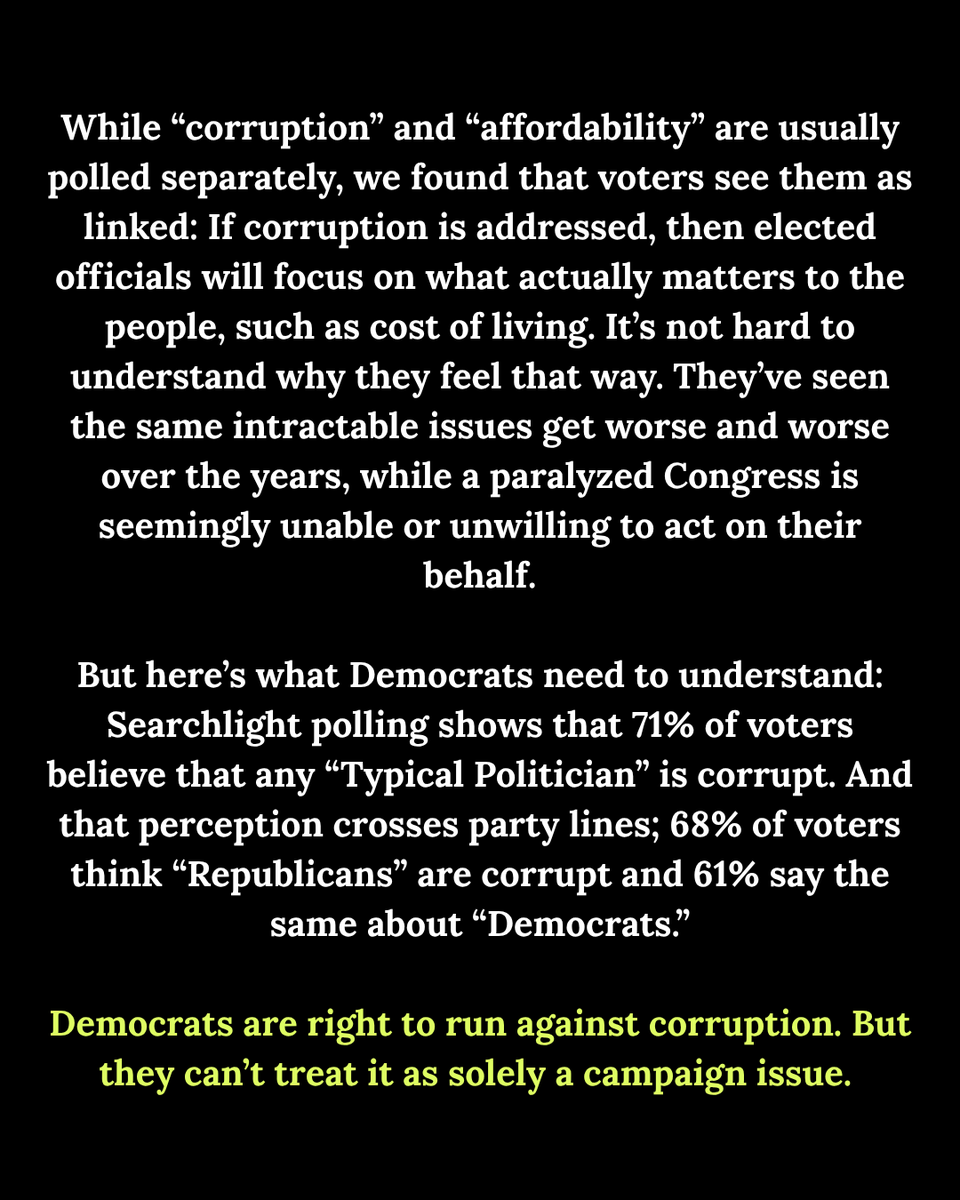
Ads accusing Republicans of corruption are dominating the airwaves. Polling suggests that's a powerful closing message for Democrats.
But @HMBWhite wants Democrats to remember that voters see MOST politicians as corrupt — not just Trump and Republicans.