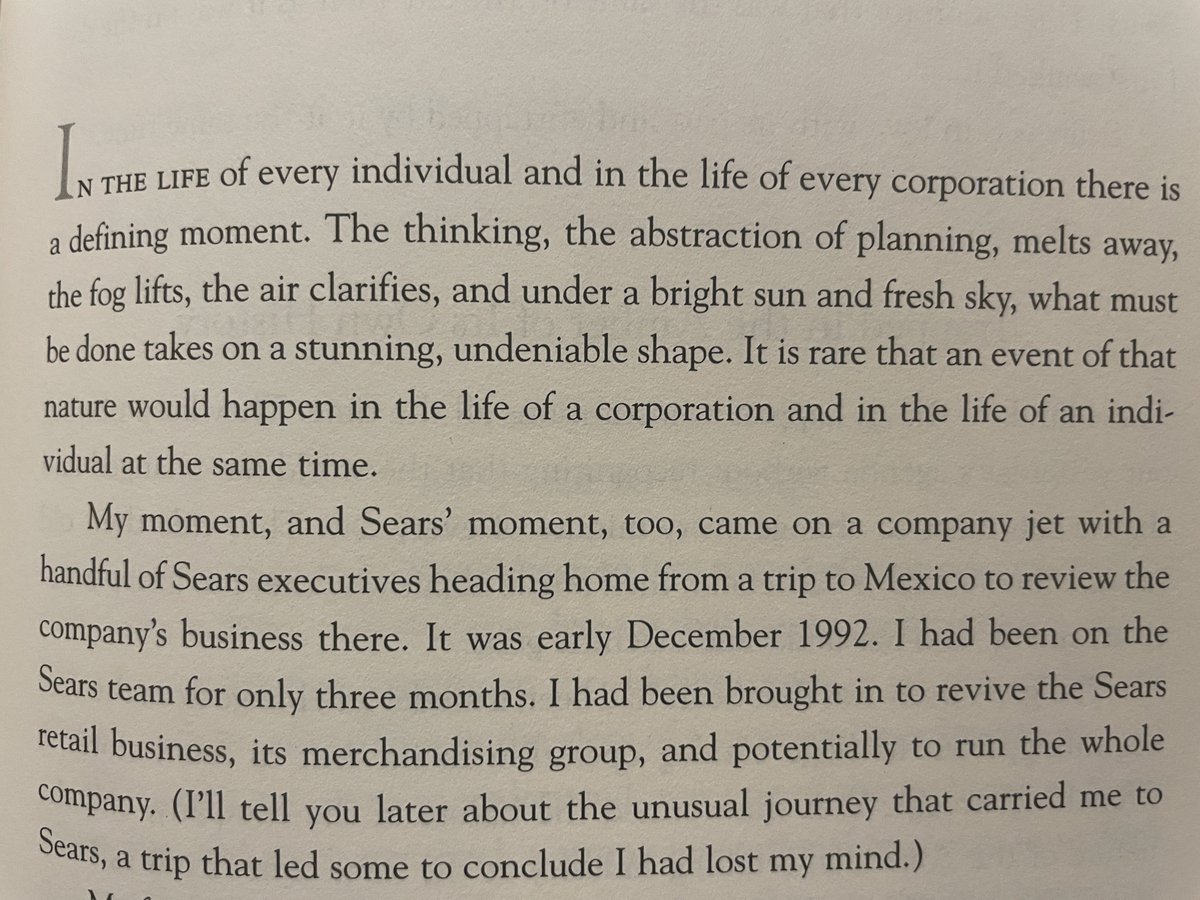
The last roadblock to the merger of the Sears Holdings shell with TransformCo/ESL was cleared on Oct 26th in the form of a settlement with a director of Sears Hometown.
He was paid 94 million for his 6,275,000 shares of Sears Hometown @ $15 a share.
Interesting timing…
#SHLDQ
NOL carryforward is indefinite.
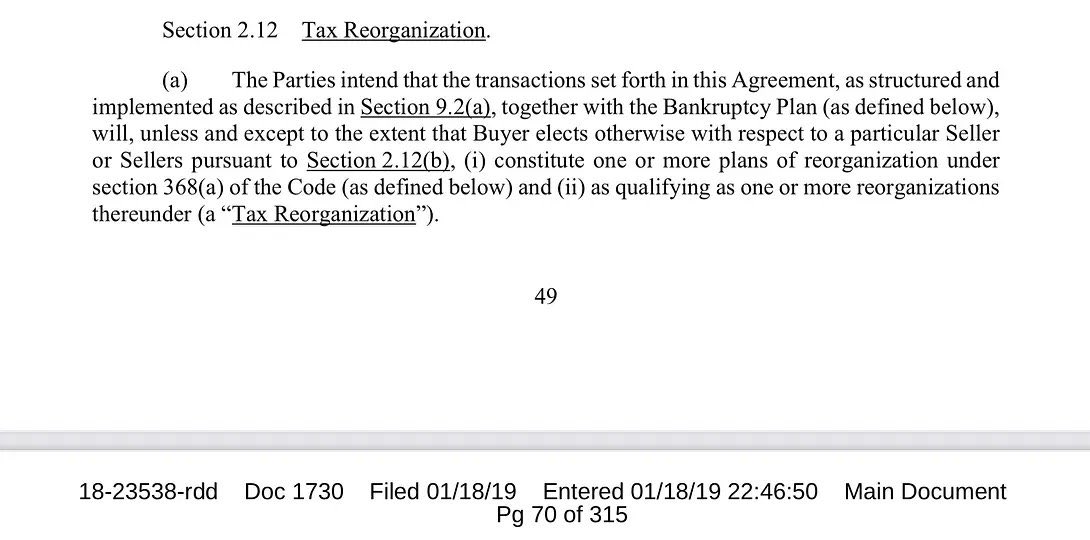
For Sears’s NOLs to go to ESL, the plan must constitute a reorganization under tax code Section 368(a)(1)(G)
— Robert Willens, professor of finance at Columbia University Graduate School of Business.
https://t.co/g7rjzqJ8WH
The Sears Chapter 11 Plan effective date was Oct 29th 2022.
This was for the Liquidation Plan of the shell, as part of a Reorganisation Plan where stock of the acquiring company must be distributed to OldCo shareholders.
Sears Docket defines the BK as a 368(a) dual plan reorg.
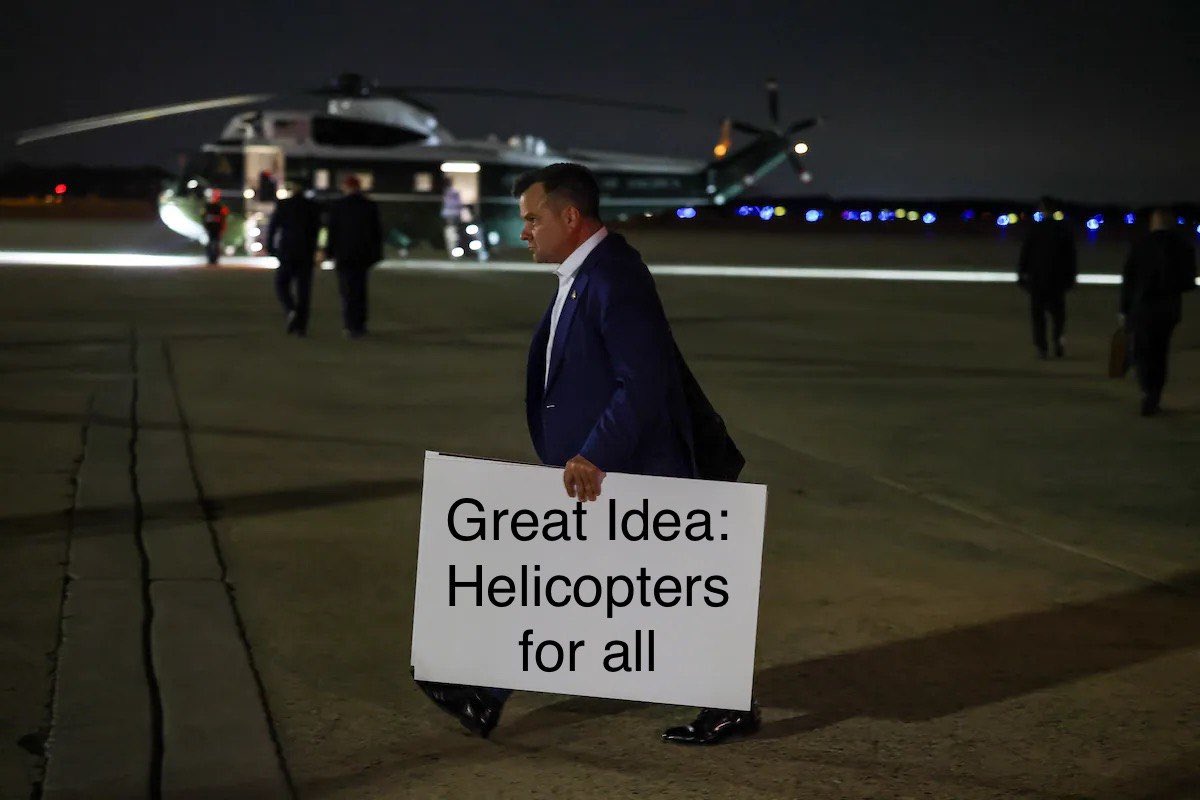
A former administration official said Pulte often stands around the West Wing, with a poster in hand, waiting to “intercept the president” and present Trump with his latest idea.
He has pitched numerous braindead ideas to the president, sources said.
https://t.co/zESQeushGV
Great thread on the Warrant situation from AJ, who is apparently a foreign agent and major vector in a vast shill network according to some of our most retarded community members.
#GME#Gamestop#GMEWS#Warrants
project genesis, why i believe GameStop will extend the warrants,
I’ve spent a considerable amount of time studying the warrants, their original agreement, GameStop’s recent capital allocation decisions, and the market mechanics surrounding GME WS. The closer we get to October 30, the more convinced I become that extending the warrants, or introducing an alternative arrangement that preserves their value, makes considerably more sense than allowing them to expire.
GameStop distributed approximately 59.15 million warrants in October 2025, each entitling its holder to purchase one share at $32. Full exercise would generate approximately $1.89 billion in additional cash for the company. The prospectus explicitly identified investments and potential acquisitions among the intended uses of those proceeds.
At issuance, GME was trading around $25. The $32 strike was therefore approximately 28% above the prevailing share price, making the financing contingent on substantial appreciation within a relatively short period. If the sole objective was to raise capital before October 30, why establish such an ambitious threshold?
I think the more compelling explanation is that management wanted to establish a premium-priced source of contingent financing while giving shareholders an opportunity to participate in future appreciation. An extension would preserve that arrangement, allowing GameStop to raise capital at the original $32 exercise price while giving its broader strategy more time to develop.
And that broader strategy has evolved considerably since the warrants were issued.
GameStop made a $55.5 billion proposal to acquire eBay, subsequently accumulated a 9.8% equity stake worth approximately $4.9 billion as of August 1, and reported approximately $5.1 billion in cash, cash equivalents and marketable securities. This is a company actively deploying capital and pursuing transactions on a scale that would have been difficult to imagine just a few years ago.
Another potential $1.89 billion is meaningful in that context. It could replenish liquidity, reduce reliance on external financing or support subsequent transactions. The proceeds are obviously contingent on exercise, but preserving access to that capital has strategic value even if GameStop doesn’t need the money immediately.
The company’s recent financing decisions make this argument even stronger.
On July 7, shareholders approved increasing authorized Class A shares from 1 billion to 2.5 billion, providing substantial additional capacity for future equity transactions. Management subsequently negotiated the retirement of approximately $1.4 billion in convertible debt through an exchange involving approximately 55.5 million newly issued shares and $358.4 million in cash.
What’s especially interesting is that the original exchange contemplated settlement entirely in stock. GameStop subsequently amended the agreement, substituted cash for part of the consideration and reduced the number of shares issued.
That tells us something important about how @ryancohen approaches capital allocation. He’s willing to issue substantial equity when the transaction makes economic sense, but he’s equally willing to revise the structure when circumstances justify it.
I therefore find the argument that management would refuse to extend the warrants simply to avoid dilution, or even dumber, that time “ran out,” rather unconvincing. An extension creates no immediate share issuance, and the original $32 exercise price would allow GameStop to raise additional capital at a premium to the share price prevailing when the warrants were distributed. There is an economic cost to keeping potentially dilutive claims outstanding, but GameStop has repeatedly demonstrated that it evaluates dilution in the context of what the company receives in return.
1/
And unlike an entirely new financing arrangement, the warrants already exist, have been distributed, are publicly traded and have established contractual terms.
Which brings me to what I consider one of the most important details in the entire thesis.
Section 4.06(a) of the original warrant agreement explicitly allows GameStop to extend the expiration date without warrant-holder consent. It also permits the company to reduce the exercise price, increase the exercise rate, provide additional cash, securities or other property upon exercise, and introduce alternative settlement mechanisms, including cashless exercise or cash settlement.
These aren’t hypothetical powers that management would need to negotiate from scratch. They’re already written into the agreement, subject to the applicable procedures and legal requirements.
A straightforward extension preserves the original financing opportunity. A reduction in the exercise price increases the likelihood of exercise, albeit with lower proceeds per share. An increase in the exercise rate changes the equity entitlement, while alternative settlement provisions provide flexibility if the company’s strategic priorities have evolved.
The agreement also anticipates mergers, reorganizations, reclassifications, spinoffs and other corporate actions. Its reference-property provisions allow the warrants to remain economically relevant through certain transactions in which GME shareholders receive different securities or consideration.
This is where the Teddy thesis becomes particularly interesting. If RC ultimately pursues a holding-company structure involving GameStop and other businesses, the warrants could potentially participate through the appropriate merger or exchange arrangements. That would require an actual transaction and the necessary legal structure, but the agreement already contemplates changes in the securities underlying the warrants.
I’m keeping this piece tinfoil-free, so I’m going to avoid suggesting Teddy is confirmed or that the warrants guarantee access to it. My point is that these instruments are sufficiently flexible to remain useful through a much larger corporate transformation.
2/
Is RC hinting that warrant holders are gonna make money or that they can’t complain if warrants go to zero, because “everyone that’s invested with me has made money”
Could go either way.
Larry posting about value hidden in perceived risk…
We’ll see.
As part of my online patriot training, I learned that anyone who holds a different opinion to me, is a secret agent of the cabal.
I was taught this TRUTH by an anonymous poster on 4chan with no ulterior motives.
He constructed my worldview with thousands of vague coincidences.
Morning patriots!
Keep your eyes peeled for any Canadians out there.
Canada is a major vector in the shill network because it’s a foreign place which equals foreign influence.
We are the foot-soldiers of Q, saving the world by posting dumb shit online 💪🤓
GoWeALLgoWhere 🇺🇸🦅