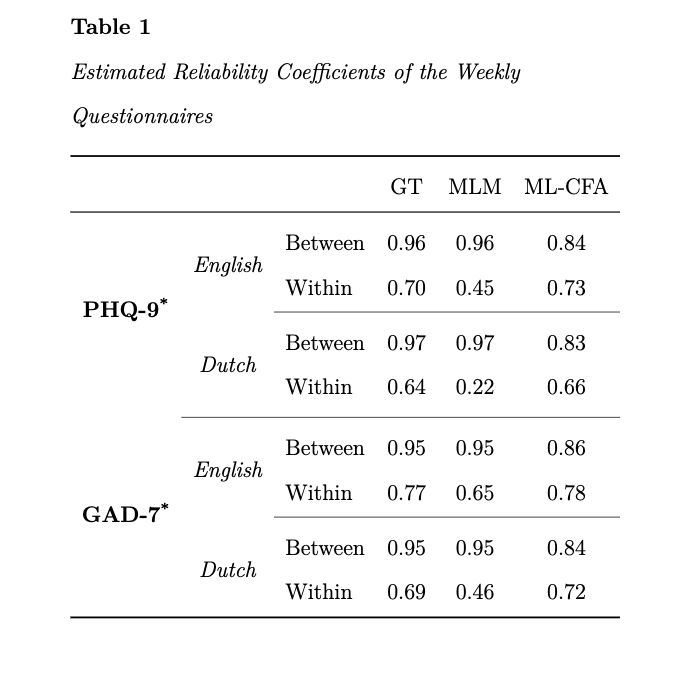
This paper on intensive longitudinal reliability by @SeCastroAl & @bringmann_laura is one of the best I've read in a while -- the review so was thorough, the code was fantastic, and it answered every question I had about IL reliability. Def check it out!
https://t.co/mxrgdxKlco
La Fundación Carolina ha abierto la convocatoria de una beca para estudiantes de América Latina que quieran cursar el Master en Metodología en 2025/26.
+ info: https://t.co/iZDosXTQm9
Gracias a @Red_Carolina
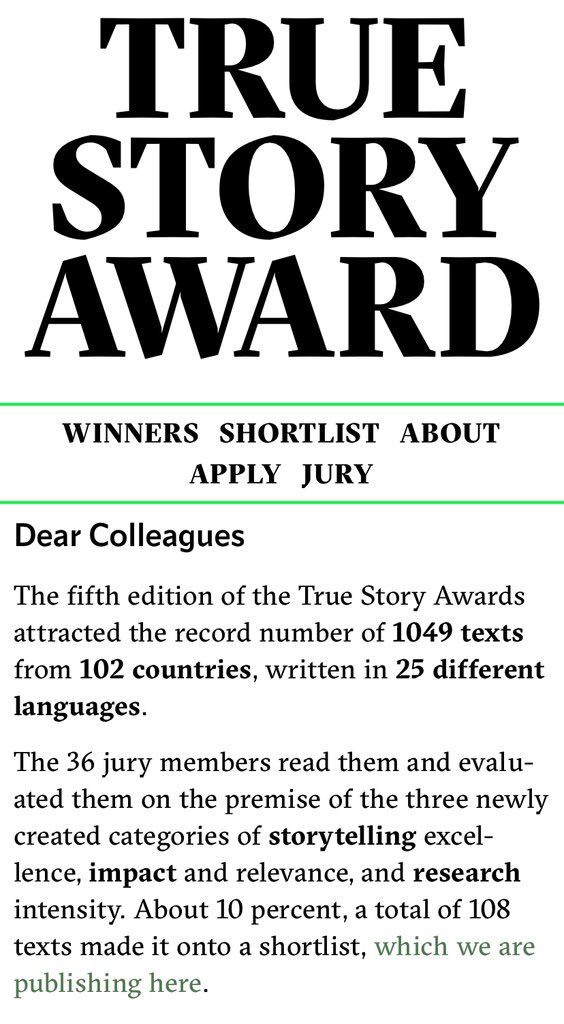
¡Qué felicidad! Cerramos el año de la mejor manera: @Casa_Macondo entró al shortlist de los True Story Awards con la investigación #ElArchivoSecreto. Gracias, @HaciaElUmbral, por tu generosidad, disciplina y rigor en este proyecto. ¡Un logro compartido!
Go check out our latest preprint!
Thank you @EikoFried and colleagues for sharing the data. It has been very interesting and insightful data to work with!
1/2
Our new preprint shows how to estimate internal consistency reliability in EMA data:
➡️n~1150, 3 months data, 4 scales
➡️6 nomothetic & idiographic methods
➡️2 timescales (4/day, 1/week)
➡️2 languages (ENG vs NL)
➡️separation of between & within person reliability.
Now online: 📏Assessing and Accounting for Measurement in Intensive Longitudinal Studies: Current Practices, Considerations, and Avenues for Improvement https://t.co/V5i4nmtzQC
(with @JoranJongerling and Esther Maassen) #measurement#psychometrics#ESM
Excited to share our latest preprint in collaboration with @bringmann_laura, Jason Back, and Siwei Liu. In this manuscript, we explain different approaches to estimate the reliability of ESM data while showing how to use them with empirical data.
The Many Reliabilities of Psychological Dynamics: An Overview of Statistical Approaches to Estimate the Internal Consistency Reliability of Intensive Longitudinal Data https://t.co/BQb8vXt100
No-data psychometric testing with a click!
NLP and AI will boost psychometric testing research quality and speed.
Based on recent research, I have built a beta version of a shinyapp for conducting psychometric testing on text data only.
#Psychometrics#CostSavings#aiapplications
Code to fit the model in @mcmc_stan and custom R functions to assess its goodness of fit are available in the GitHub repository associated with both papers: https://t.co/qE5Qi9jWRl
In this paper, we proposed several test statistics to assess the goodness of fit of the time-varying partial credit model (TV-DPCM). This is an IRT model to analyze multivariate time series data. For more details on the model, see our previous publication: https://t.co/MMtrieWrBs
Thanks to this contribution, empirical researchers interested in analyzing their data with the TV-DPCM will also be able to assess how well the model fits their data.
The last paper of my PhD: "Assessment of fit of the time-varying dynamic partial credit model using the posterior predictive model checking method", is finally out! https://t.co/6XtpMQB2DM
In collaboration with Sandip Sinharay, @bringmann_laura, Rob Meijer, and Jorge Tendeiro
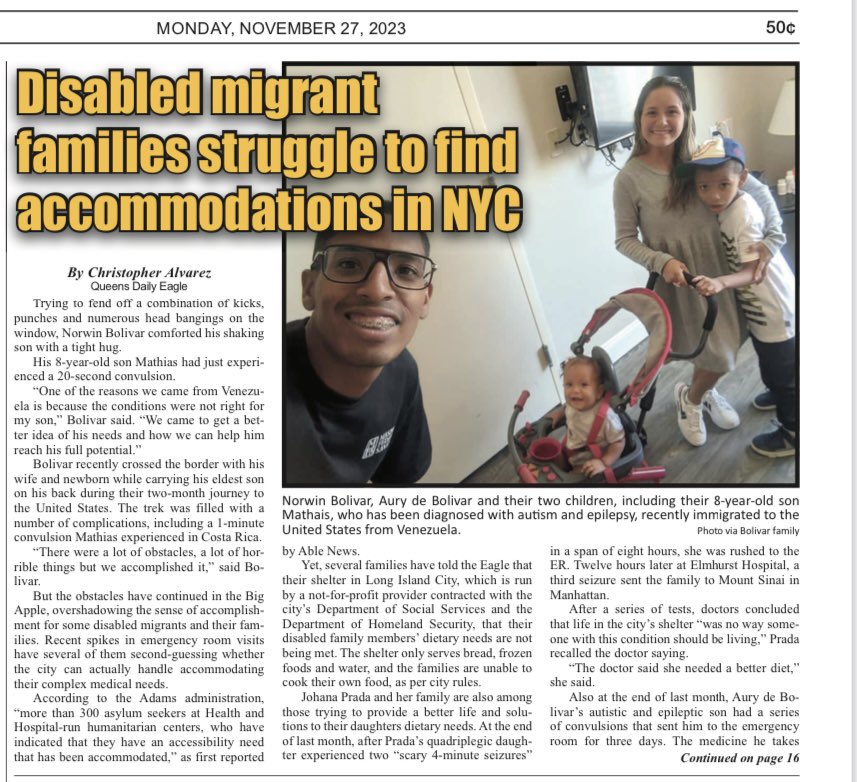
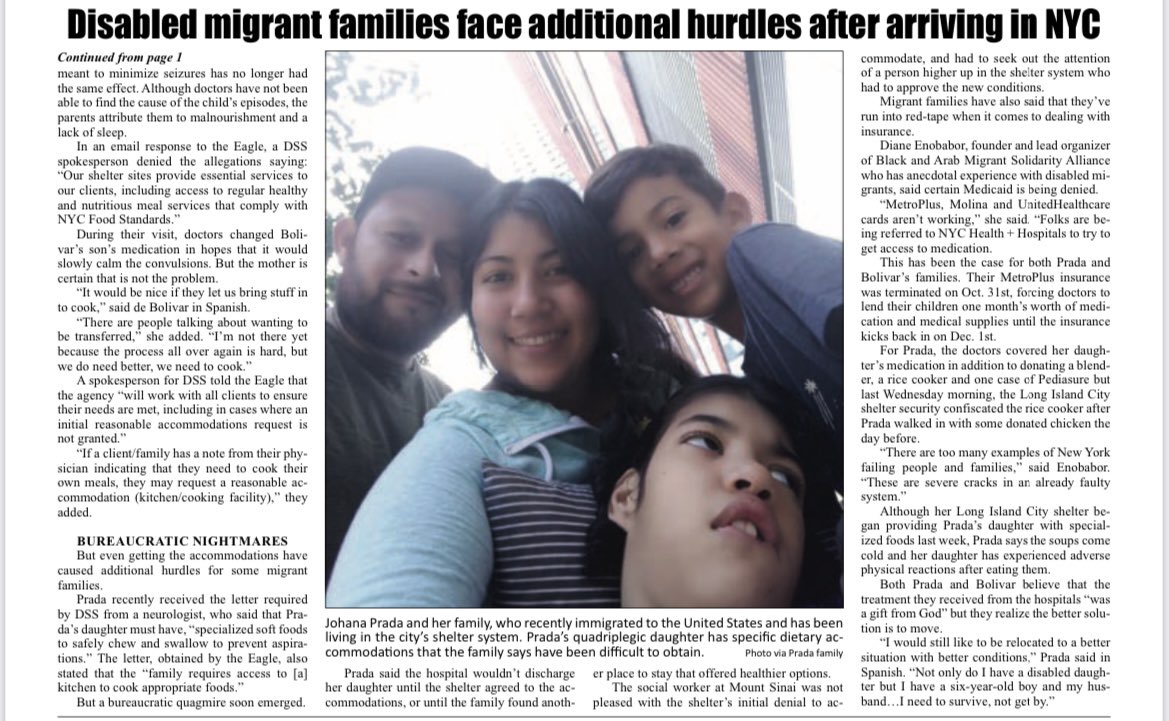
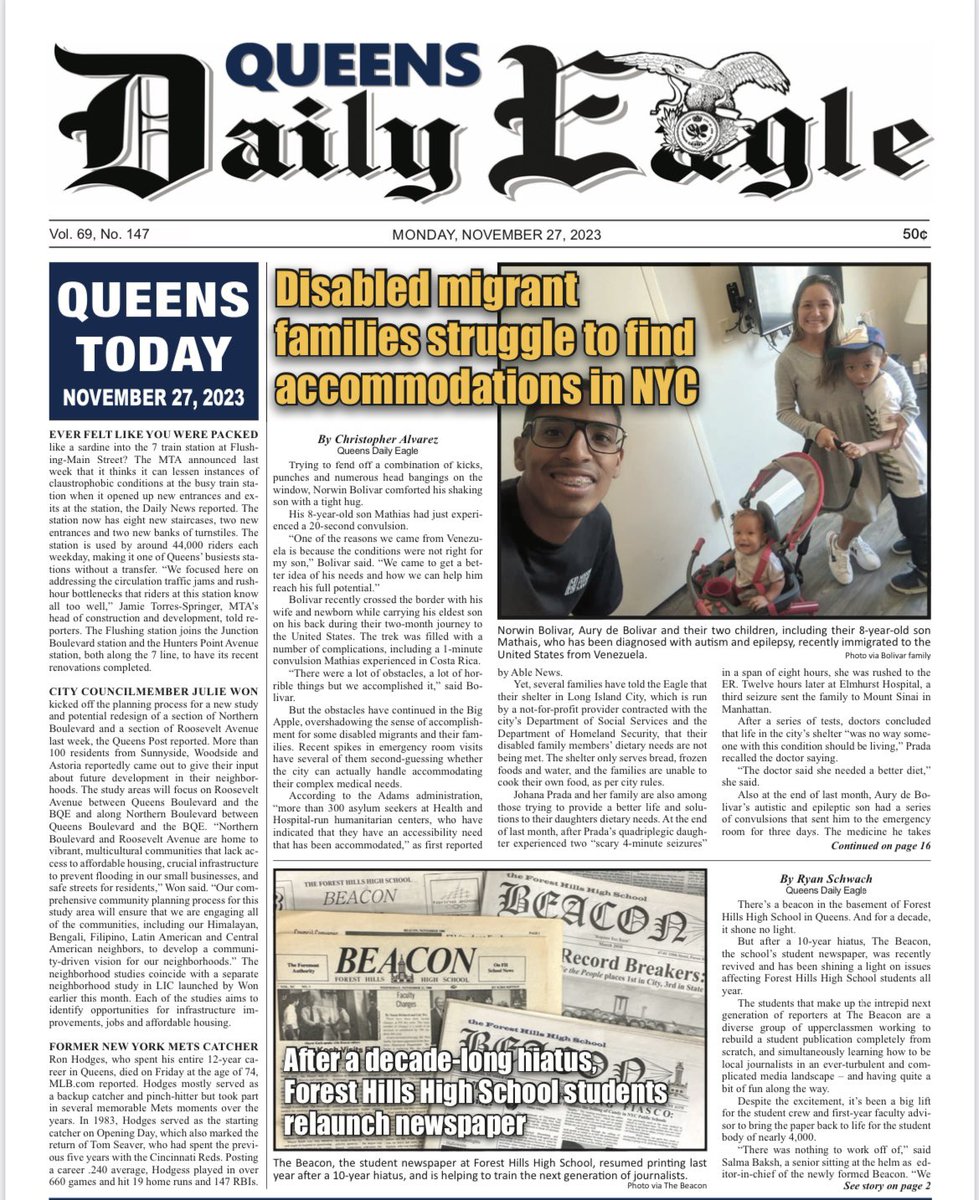
You know you’ve made when you see your first print byline is a front page article @queenseagle. S/o to @jacob_kaye_ for the opportunity!
Click link below to read the full story about the hurdles of disabled migrants in New York City.
https://t.co/8dtxqQy1D8
Are you doing research with ESM & wondering how to make your data ready for analysis? Check the new preprint introducing a comprehensive framework for preprocessing ESM data developed by @JordanRevol. https://t.co/oZMNakASfq materials include a tutorial website and R functions
@OACerebro Otra manera de compartir el manuscrito como open access seria subirlo en alguno de los repositorios de preprints como arxiv o psyarxiv, mientras que este permitido por la revista. Saludos.