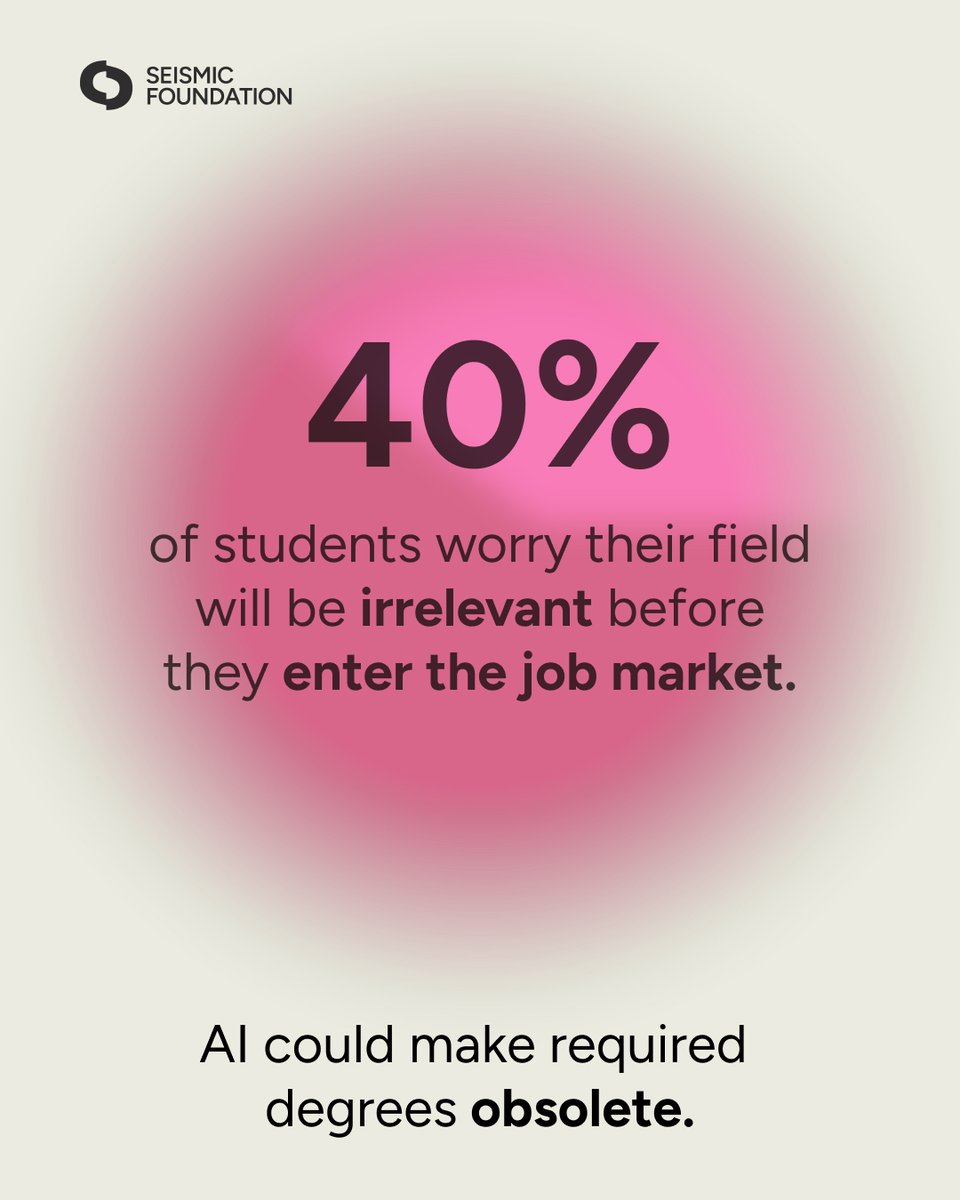
The job market is changing fast, driven by the constant evolution of AI. Students don’t feel ready; they sense that the future is being written without them. Our report "On the Razor's Edge: AI vs. Everything We Care About" puts into data what they’ve been feeling for a while.
AI firms are embedding themselves into universities through campus deals and deep integration into admissions and coursework. As these tools become infrastructure, concerns grow around data, independence, and critical thinking. Transparency and oversight matter.
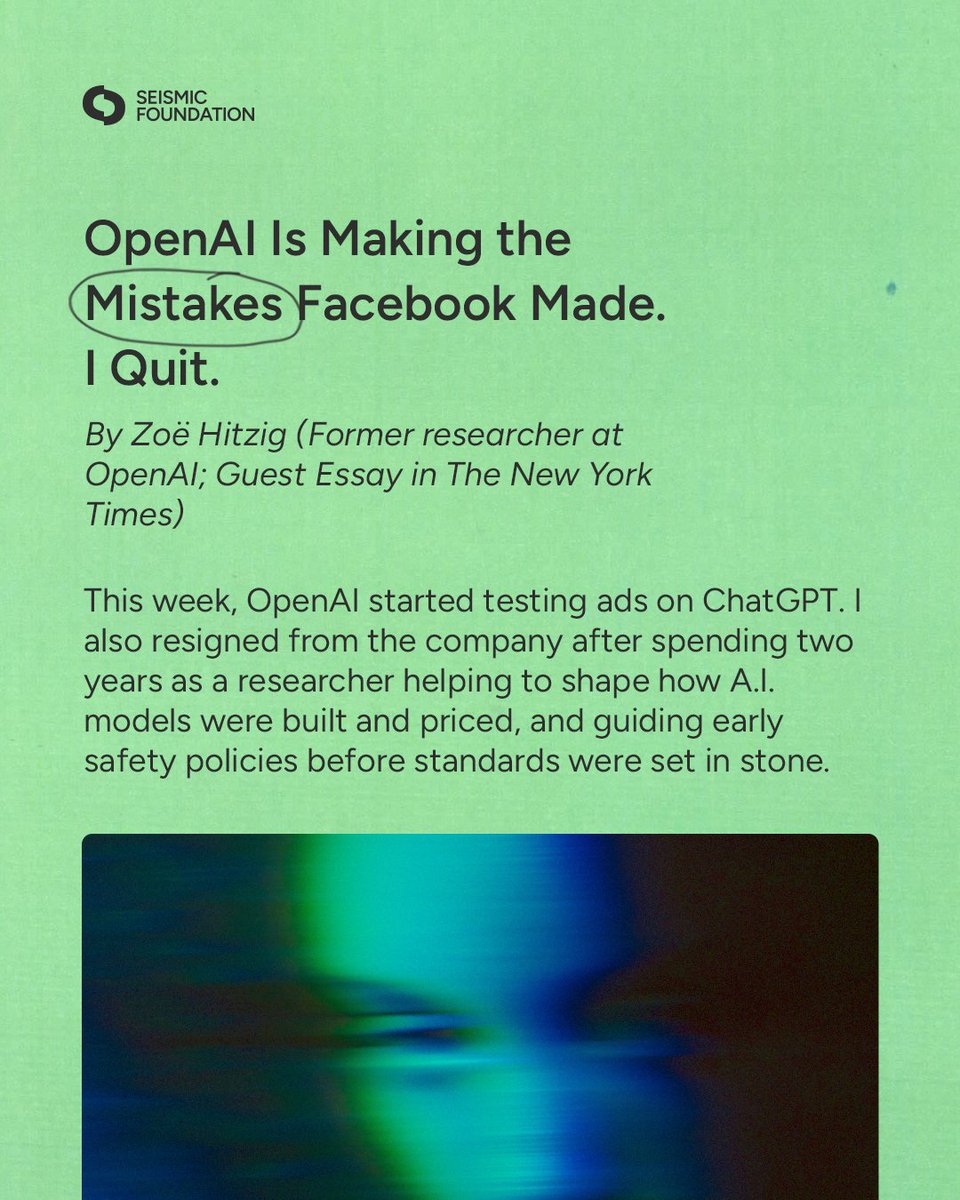
Anthropic safety lead Mrinank Sharma has resigned, warning that “the world is in peril.” His departure follows a recent resignation at OpenAI amid concerns. As AI companies scale powerful systems, the tension between safety, speed, and monetization is drawing closer scrutiny.
This week in AI: State-backed hackers are using AI to scale cyberattacks. OpenAI disbands a key team as it tests ads. Big Tech accounting clouds the AI boom. A former OpenAI researcher resigns publicly. And people are asking: can a machine ever love you?
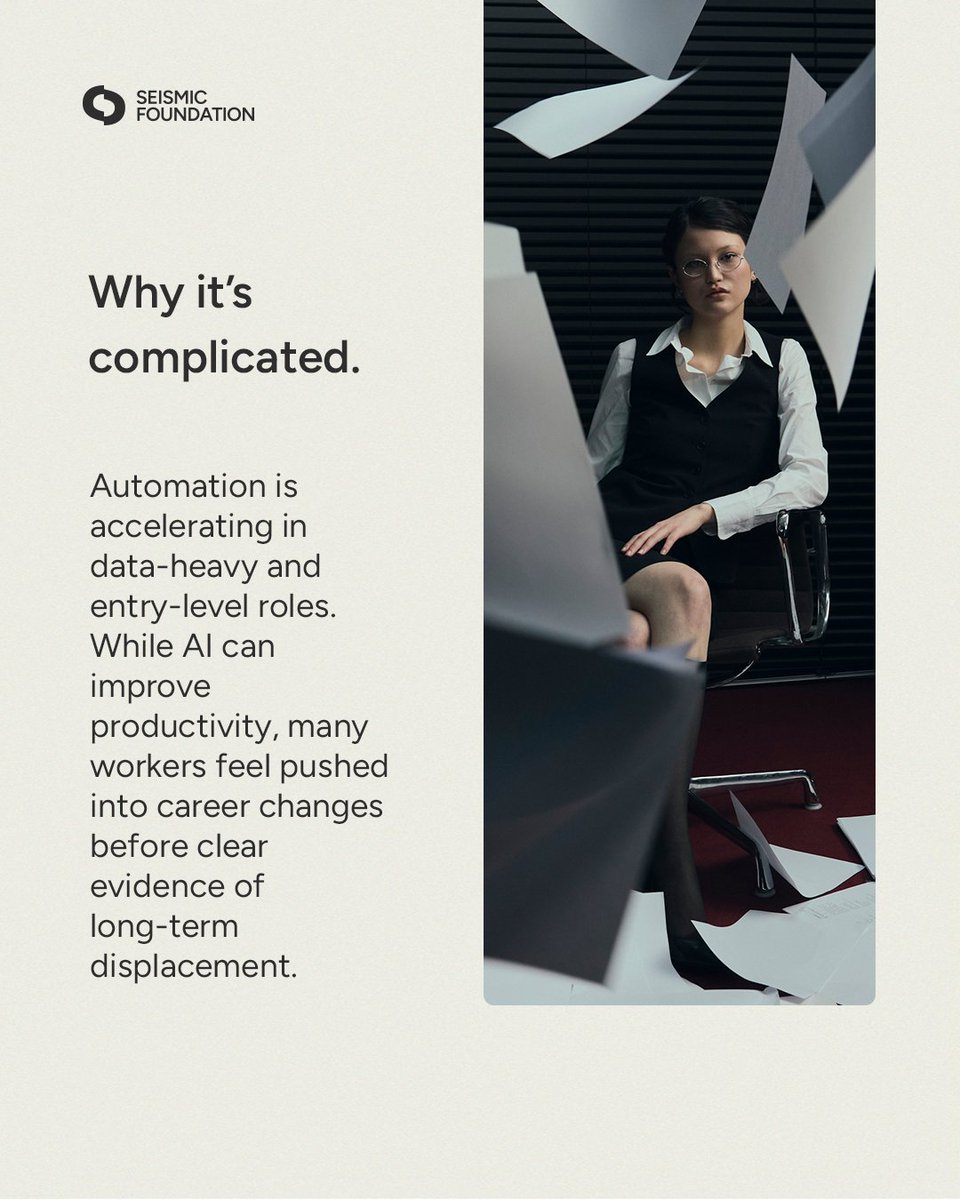
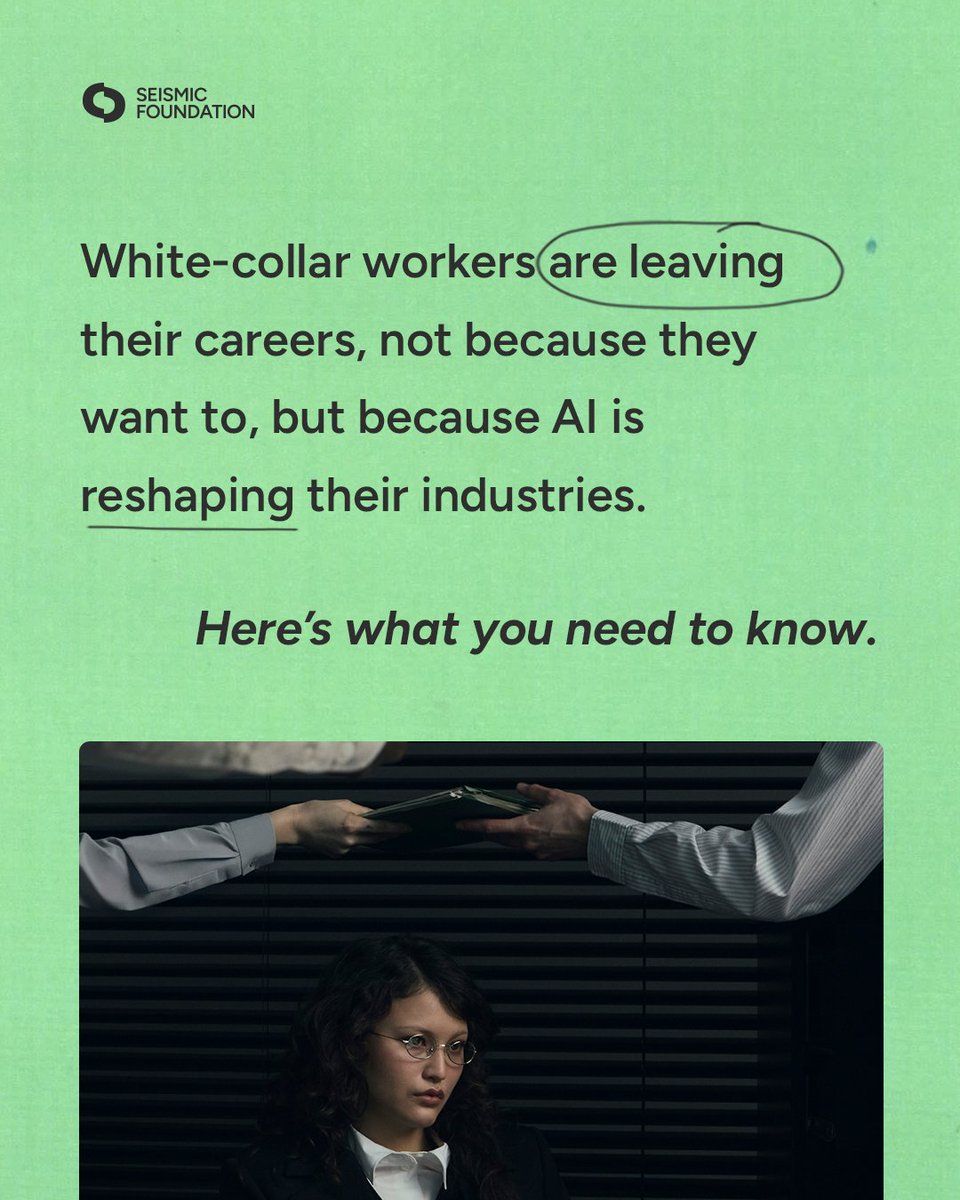
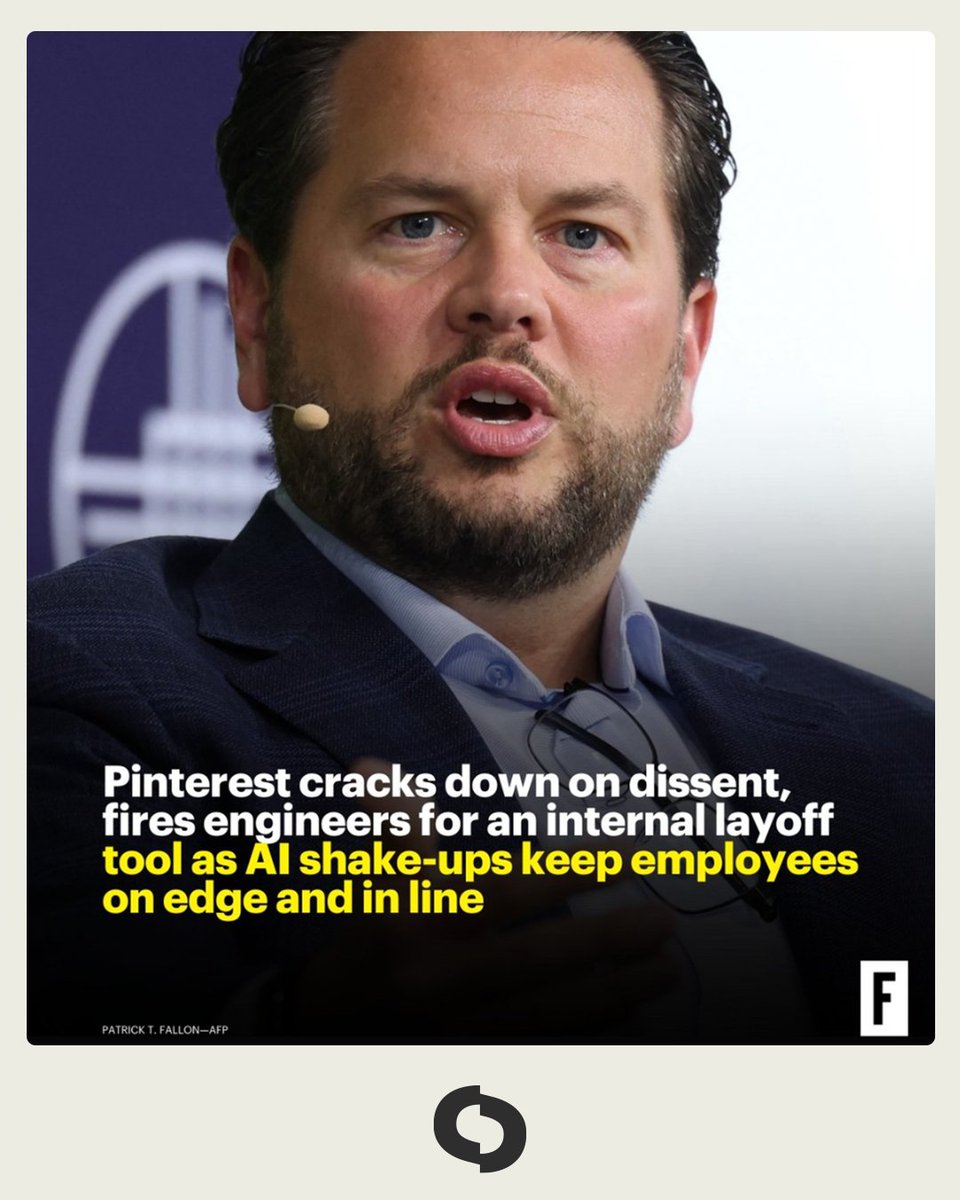
AI is reshaping white-collar work faster than many expected. As automation spreads through data-heavy and entry-level roles, some professionals are retraining in fields seen as harder to automate. The shift raises questions about how human work evolves alongside AI.
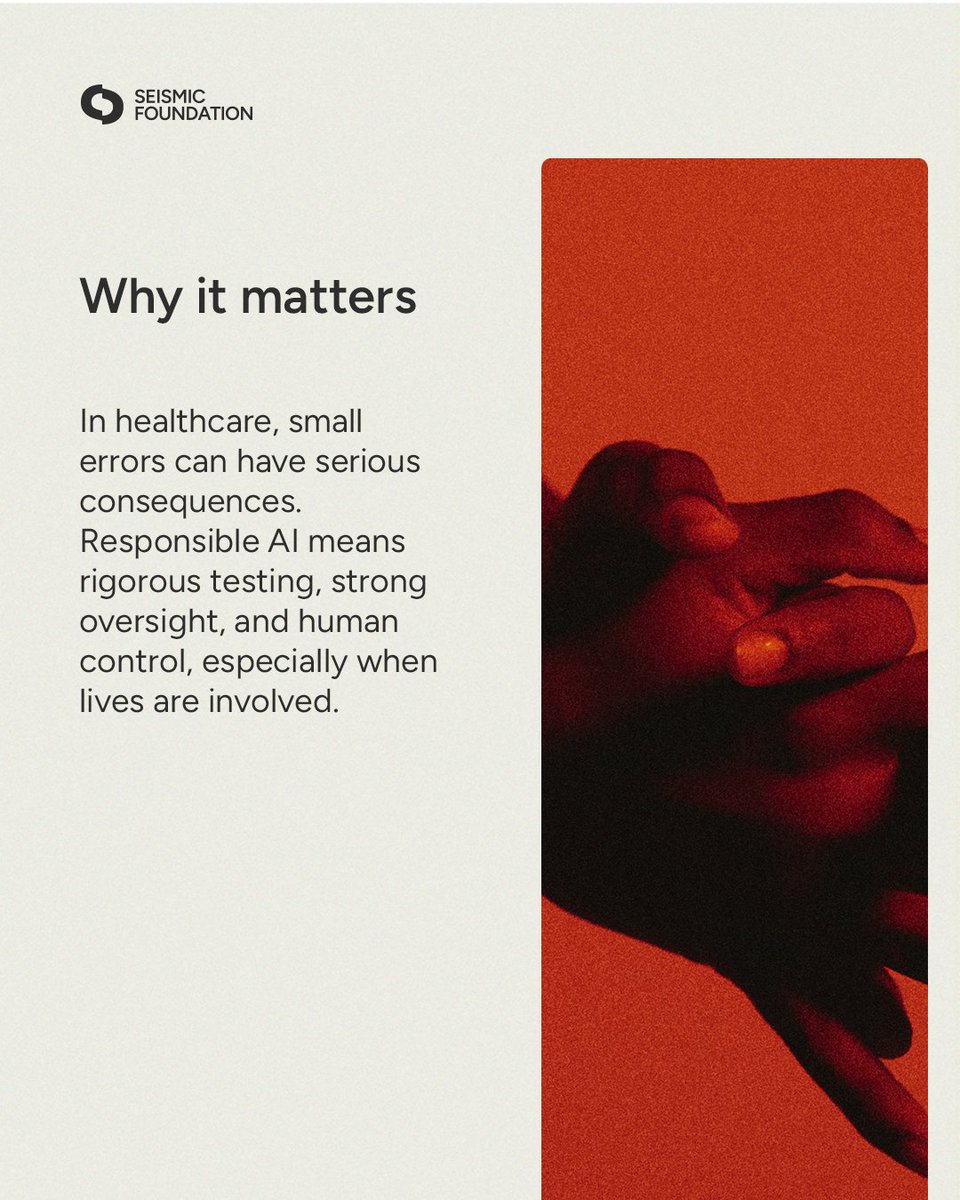
AI is now assisting in surgeries and clinical decisions, but reports show malfunctions, recalls, and accuracy concerns. In healthcare, even small system failures can carry serious consequences. Innovation must be matched with rigorous testing, oversight, and clear human control.
@verge makes an interesting point. What started as something that could have led to the responsible development of artificial intelligence quickly spiraled into a race to push a product while throwing safeguards out of the window.
AI isn’t just a theme on screen; it’s part of how these films and shows are being made. From scripts to visuals, audiences are reacting to AI-driven production itself. AI fatigue is about how automated creation is changing trust, craft, and originality.
#ArtificialIntelligence
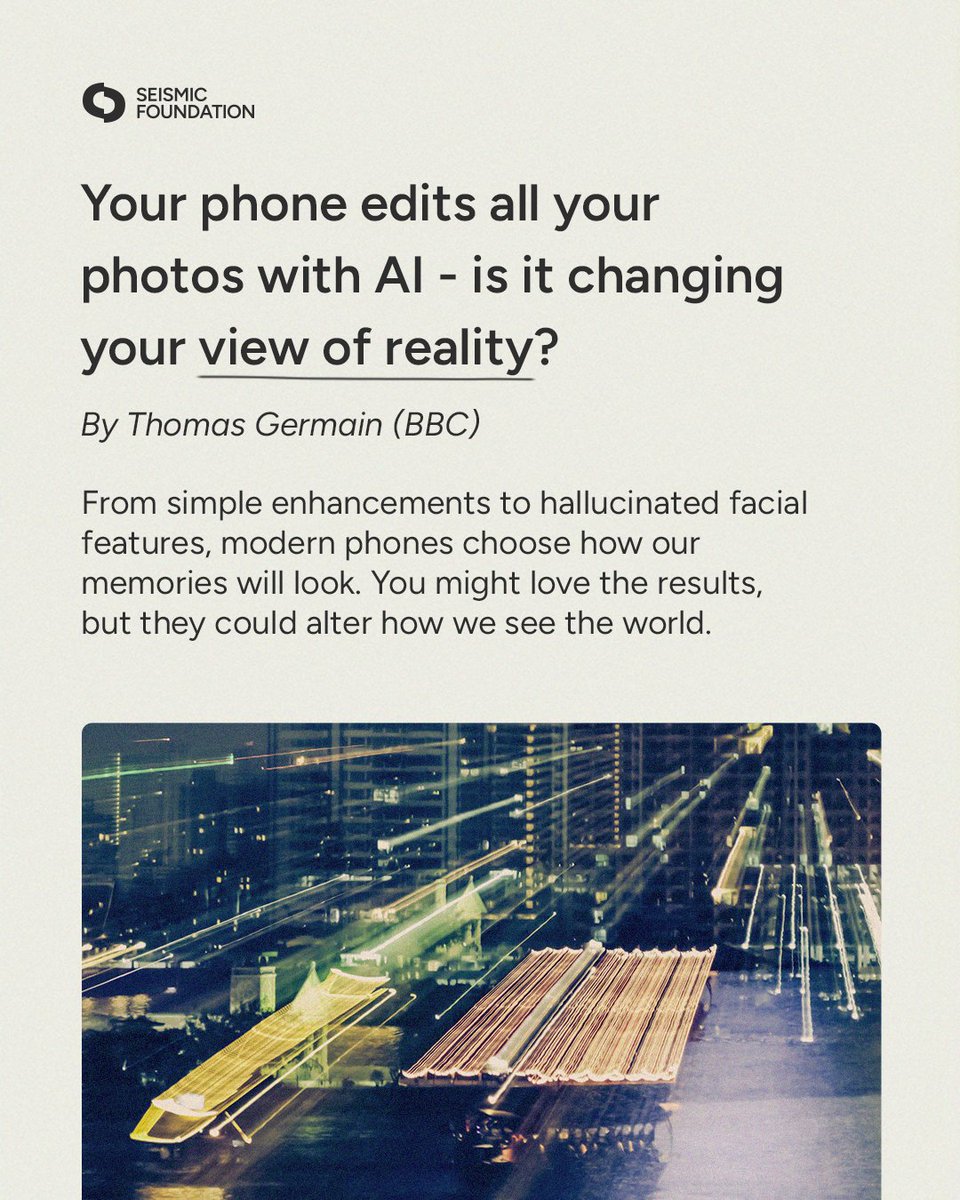
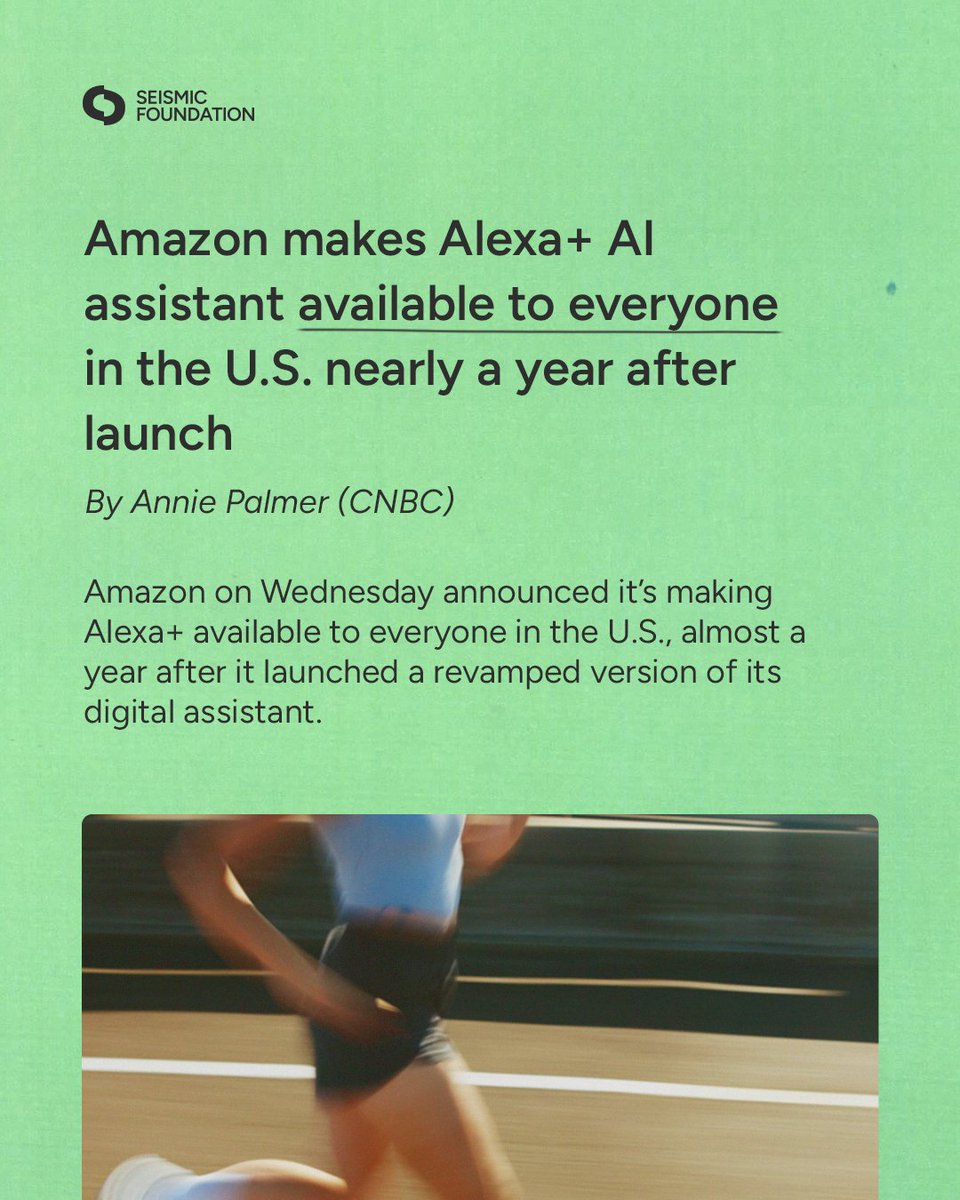
This week in AI: From phones subtly reshaping how our memories look, to developers tuning AI personalities, growing backlash against low-quality AI content on social media, and Amazon expanding Alexa+ nationwide.
@elonmusk calls AI “the most destructive force in history” — and the public already feels the danger. Around half believe AI is moving too fast to be safe, trust in AI companies is weak, and strong majorities want human oversight, accountability, and tighter regulation.
New York lawmakers want to limit AI use in newsrooms and require transparency when it’s used. At stake is a simple question: people deserve to know when the news they read is written by humans, and when it isn’t.
The U.S. may soon use AI to help draft federal regulations. Supporters say speed matters. Critics warn that “good enough” laws, drafted by systems that can hallucinate or miss legal nuance, could put real lives at risk. When AI helps govern, scrutiny matters more than ever.
@bbcnews gives a great crash course on what to look for when determining whether a video you have seen is AI-generated. With the internet flooded with AI slop, it's more important than ever to be able to tell what's real. Do you think mistaking AI for real life has consequences?
If it can be recorded, it can be recreated. #AI-powered deepfakes are making scams harder to spot — even when they appear to come from people you know. Slow down, verify across channels, and never act on urgency alone. Share this to help others stay safe.
#ArtificialIntelligence
@wired is asking the important questions. There are a million things that AI companies should ask themselves before launching a product, but they should all be centered around responsibility. What do you think is the most important question for AI companies to ask themselves?
💯 Agree with Art: per the @Seismicfound 2025 Report, just 31% of people see AI as hopeful development for humanity, and most are concerned about what AI will to do the things they care about, rather than AI as a concept –
e.g. democratic institutions, war and terrorism, crime and violence, mental health and addiction, race relations, climate change, immigration, and of course the economy and their jobs
EXCLUSIVE: Sen. Bernie Sanders says on The Axios Show that OpenAI should be broken up.
He is the first prominent Democrat to suggest that the government should intervene in OpenAI, potentially opening a key fault line in 2028 politics.
https://t.co/gL9nF8xKEH