what is Pax Silica, why should Filipinos pay attention, and why we should reject it?
I did my own research and tried to explain it in the simplest and easiest way to understand. if i missed anything, feel free to add credible sources or corrections.
— a thread 🧵
Israel Zionists now colonizing the Philippines. Our Govt is useless. 😭 just remember most muslims live in peace with us. In years if there will be news of terrorism from Muslim. THIS IS THE starting point. ofc Israel will fake it and cause excuses to rid and abuse locals. F them
i need everyone to realize just how alarming this is. many people of different religions, especially muslim people, have lived in peace in the philippines for decades. by simply allowing them to share a space at any area of our country is already a huge threat in itself.
support local is THIS deep. dapat may centralised system ang gobyerno para 'yung mga produkto ng mga magsasaka natin ay nasa mga palengke at hapagkainan natin.
farm-to-table. pinas-to-pinas. mas mura, mas fresh, mas masustansya—panalo ang pinoy!
“so what? it’s *country name*, it’s expected”
BE MORE OUTRAGED.
STOP NORMALISING HUMAN RIGHTS BEING TAKEN AWAY. YOU SHOULD NOT BE USED TO THIS. YOU SHOULD NOT SEE A POST ABOUT SOMEONE LOSING THEIR RIGHTS TO EXIST, AND /NOT/ BE SHOCKED AND APPALLED.
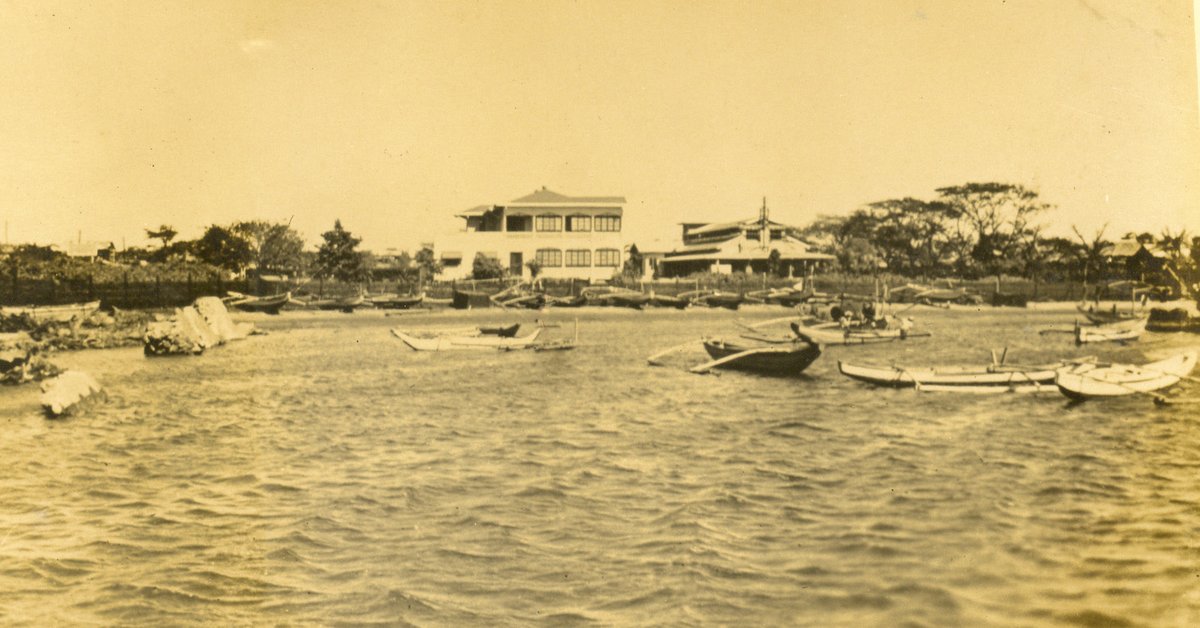
imagine, manila bay once stretched all the way up to the front of baclaran church... paranaque was a bay city and the water was displaced by casinos and office buildings 😔
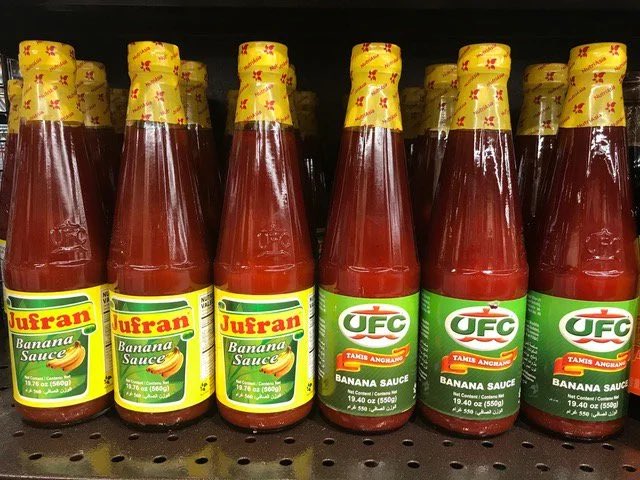
banana ketchup actually emerged in the Philippines during world war 2 as a response to disrupted supply chains and widespread food scarcity. with tomato imports severely limited, local food systems adapted by turning to what was abundant in the archipelago: bananas.
the formulation is credited to "Maria Orosa", a Filipino food technologist who focused on food preservation and nutrition during wartime. using fermentation, vinegar, sugar, spices and red colouring, banana ketchup reproduced the role and familiarity of tomato ketchup while prioritising shelf stability and accessibility to a war-stricken population.
in essence, Filipino cuisine repeatedly shows how necessity drives innovation rather than limitation. techniques like vinegar-based adobo emerged as a practical way to preserve meat in a tropical climate, while fermented staples such as bagoong and patis developed from the need to extend the shelf life of surplus fish. what began as simple preservation strategies under environmental and economic constraint became defining flavour systems of our cuisine.
the creation of banana ketchup was not a novelty, but a material trace of colonial trade dependence, wartime disruption, and local ingenuity turning hardship into a lasting national staple.
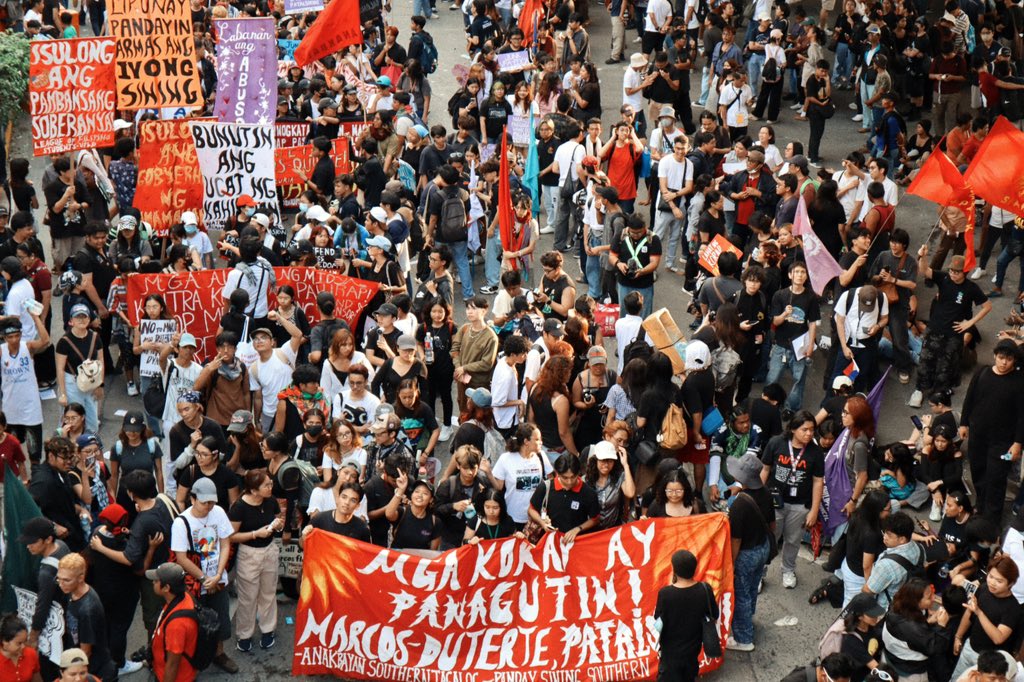
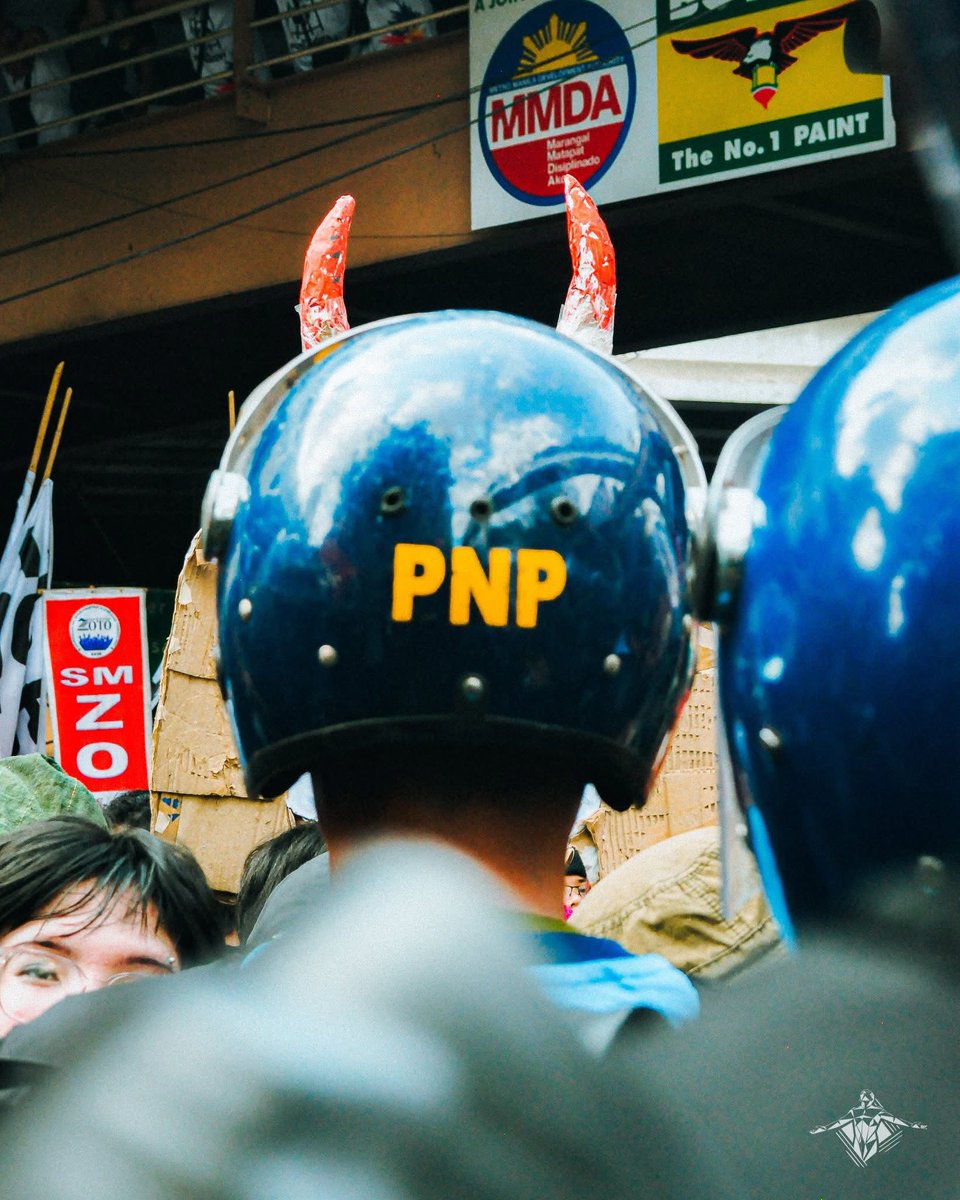
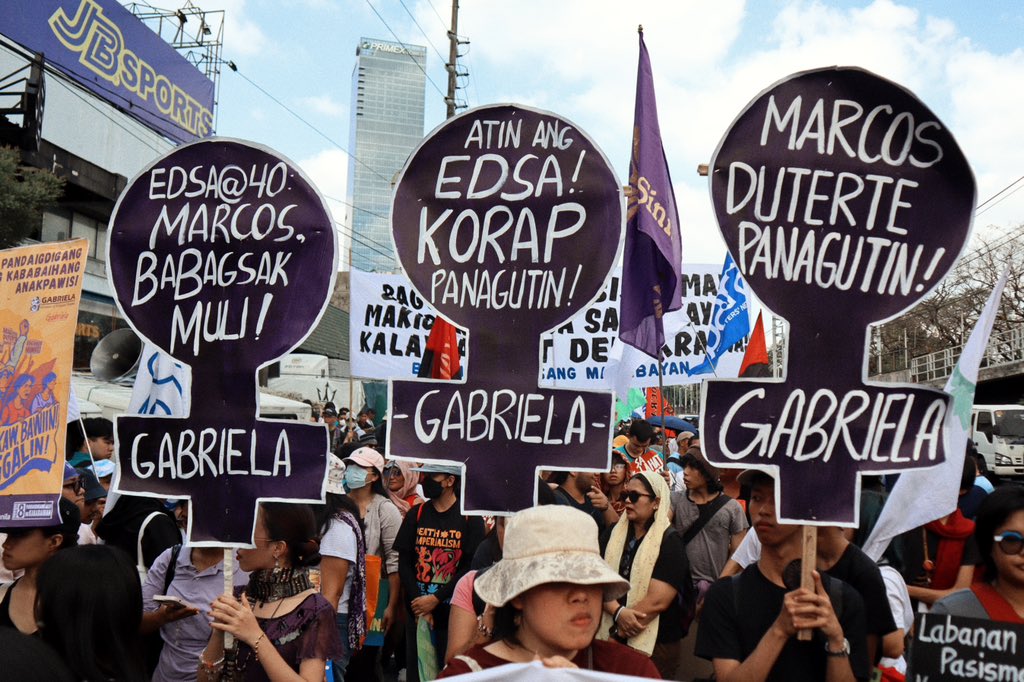
The forces that made People Power possible have different ways of remembering it. Yesterday’s commemorative activities dramatize the continuing struggles to claim and assert not just the space to write its meaning and history, but even the very physical spaces to commemorate it.
as a devcomm graduate, naiiyak ako sa sinabi niya kasi the issue on drugs is deeply rooted in poverty talaga. i’m not saying na it justifies it but it’s to emphasize that the issue is bigger than all of us 💔 at the end of the day, yung mga nasa laylayan pa rin talaga ang kawawa.
The soldiers didn't shoot their own people at EDSA.
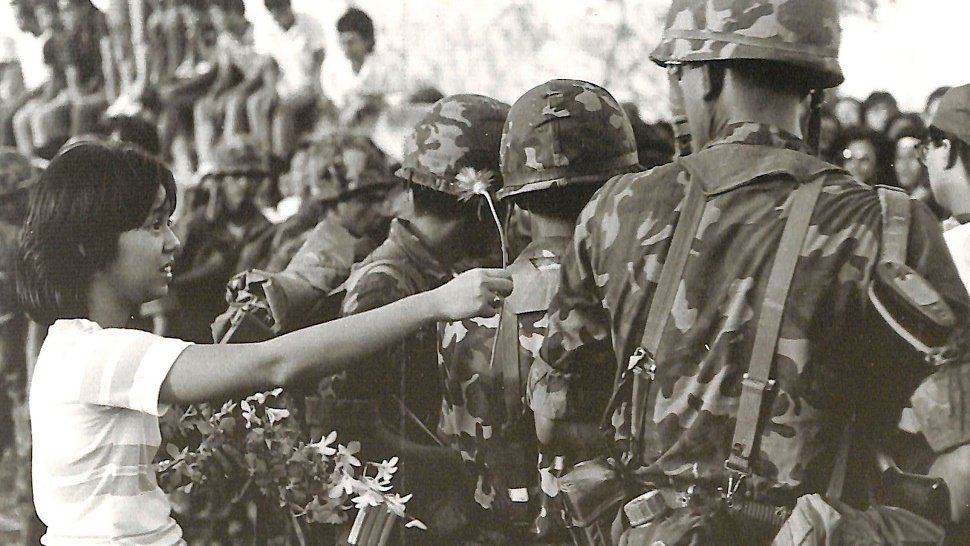
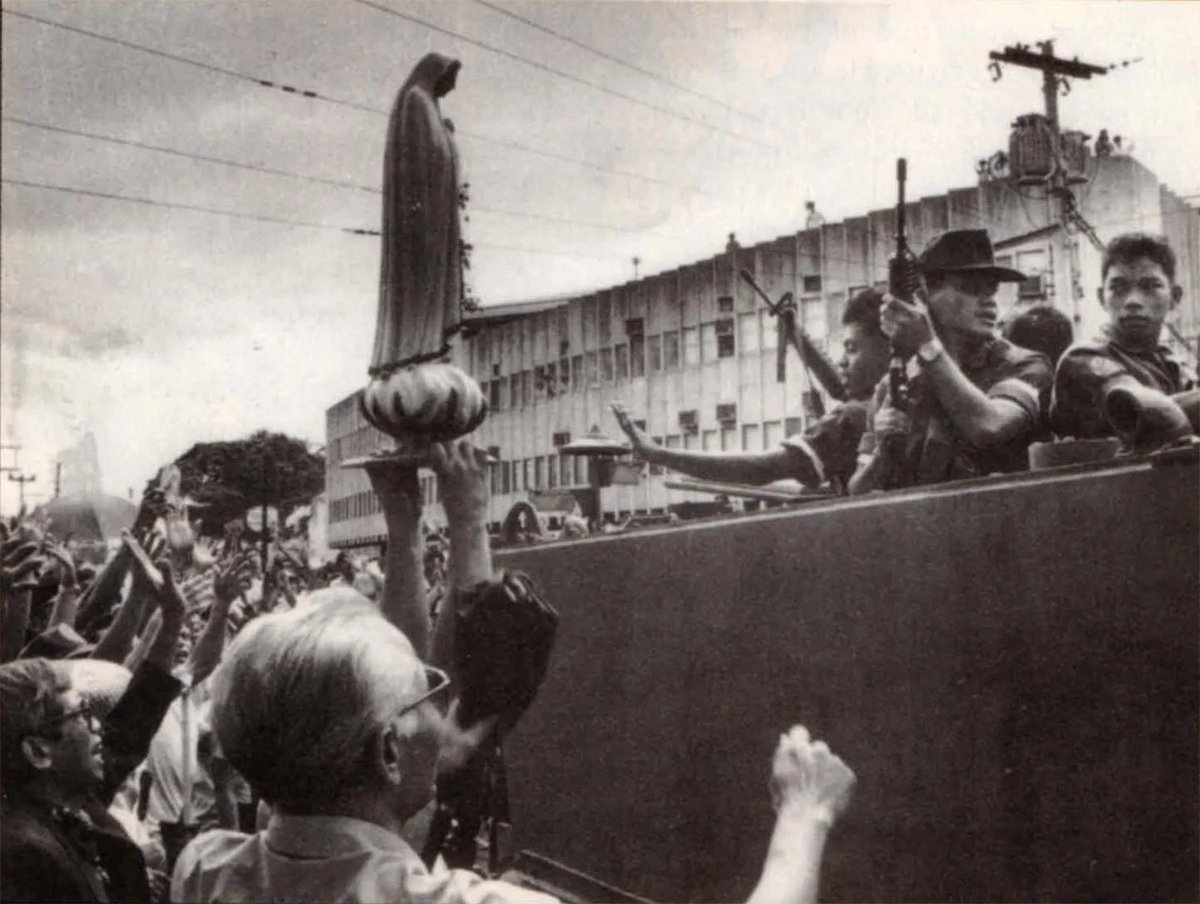
It was always a source of pride for me, as a Filipino growing up abroad, that our people never engaged in the atrocities I read about in the news and in my history books. Our soldiers and police, when faced with the ultimate test, didn't shoot their own people out at EDSA 40 years ago when they were ordered to disperse the millions protesting. Even President Marcos then had to make a scene on TV telling his chief general not to be use extreme force, knowing full well how terrible the sight would be had the tanks crushed the throngs of people. During those days, our people faced down guns and armor with flowers and rosaries. The world was amazed at such a relatively peaceful revolution.
Fast forward 40 years from now. 30,000 or so people are dead as a result of a mad president who announced on live television that he intended to make the streets of our country flow red with flood. Our policemen blindly followed godless orders and shot countless innocent dead to meet arbitrary quotas whilst our military men didn't intervene to stop the brutal killings. Now our country is center stage for the world to see once again, but this time our people's actions are met by appalled gasps in reaction to the mountain of children killed by Duterte's brutal drug war.
Gone are the days of honor, of quiet dignity and prayer, of hope for a better future. Gone is the idealism of a young nation seeking freedom. All that is left is the cold and biting horror of what our people.
I felt such despair watching the scenes from the ICC yesterday as the tales of weeping mothers cradling their dead sons, of children losing their fathers, of teenagers discarded like meat - hit us all. We were slowly drip fed these stories over the last 10 years but to hear them come in a fast, blow-by-blow retelling was an appalling thing to experience. I can no longer hold my head high and carry myself with dignity knowing that we Filipinos are a more caring, compassionate and loving people than others. No, we collectively thought over the last decade that many people need killing without a fair trial.
We fell so hard as a people. Gone is the idealism of my youth which were filled with tales of EDSA told by my family members who were there. Now it's just cold cynicism for me and disgust for what we allowed to take place in these once fair islands.
May God have mercy on the Filipino people.
Weird na hindi non working holiday ang EDSA People Power kaya nakakatuwa na madaming university and schools ang nag declare na walang pasok today para alalahanin at hindi malimutan ang historical day ng bansa 🇵🇭
#NeverAgain#EDSA40
The struggle didn’t begin on EDSA and it didn’t end there. To remember is to understand that history moved slowly, painfully, and it asked something from ordinary lives.
Dekada ‘70 (Roño, Star Cinema, 2002) #EDSA40