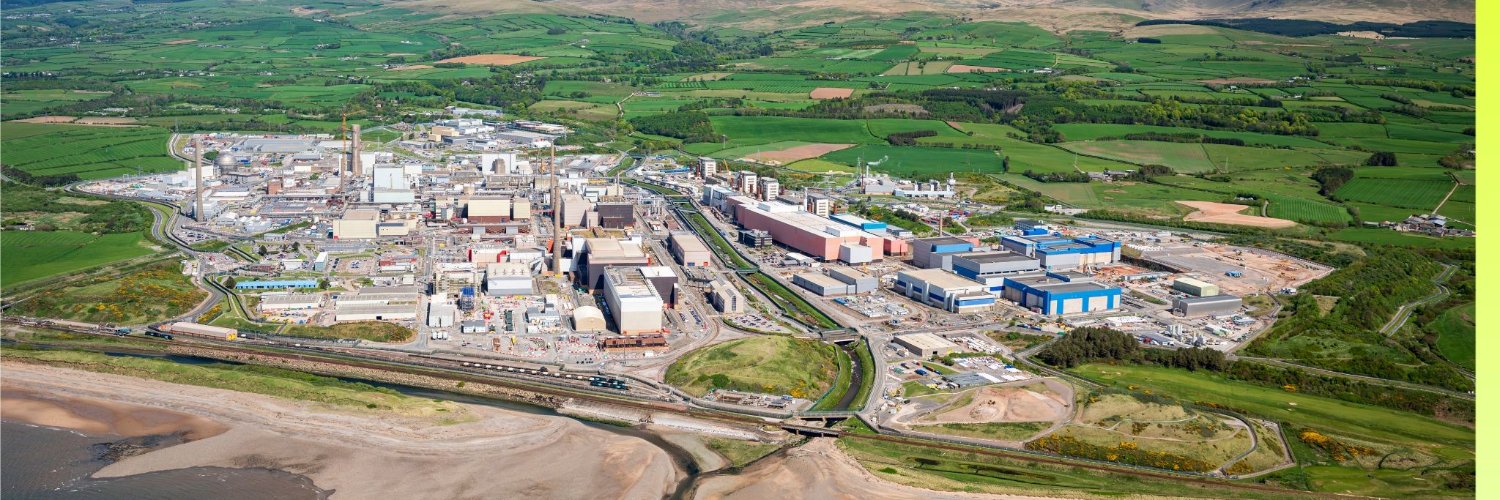
Have you ever wondered what we do? Let us explain.
Here at Sellafield Ltd, our world-class employees solve complex nuclear, engineering, and infrastructure challenges for the UK every single day.
In operating, developing, and decommissioning the Sellafield site, we are also delivering one of the largest environmental restoration projects in Europe.
What sort of work does that include? Find out more below 👇
#SellafieldLtd #WelcomeToSellafield #ProudSellafield #Nuclear #FutureGenerations
#ThrowbackThursday
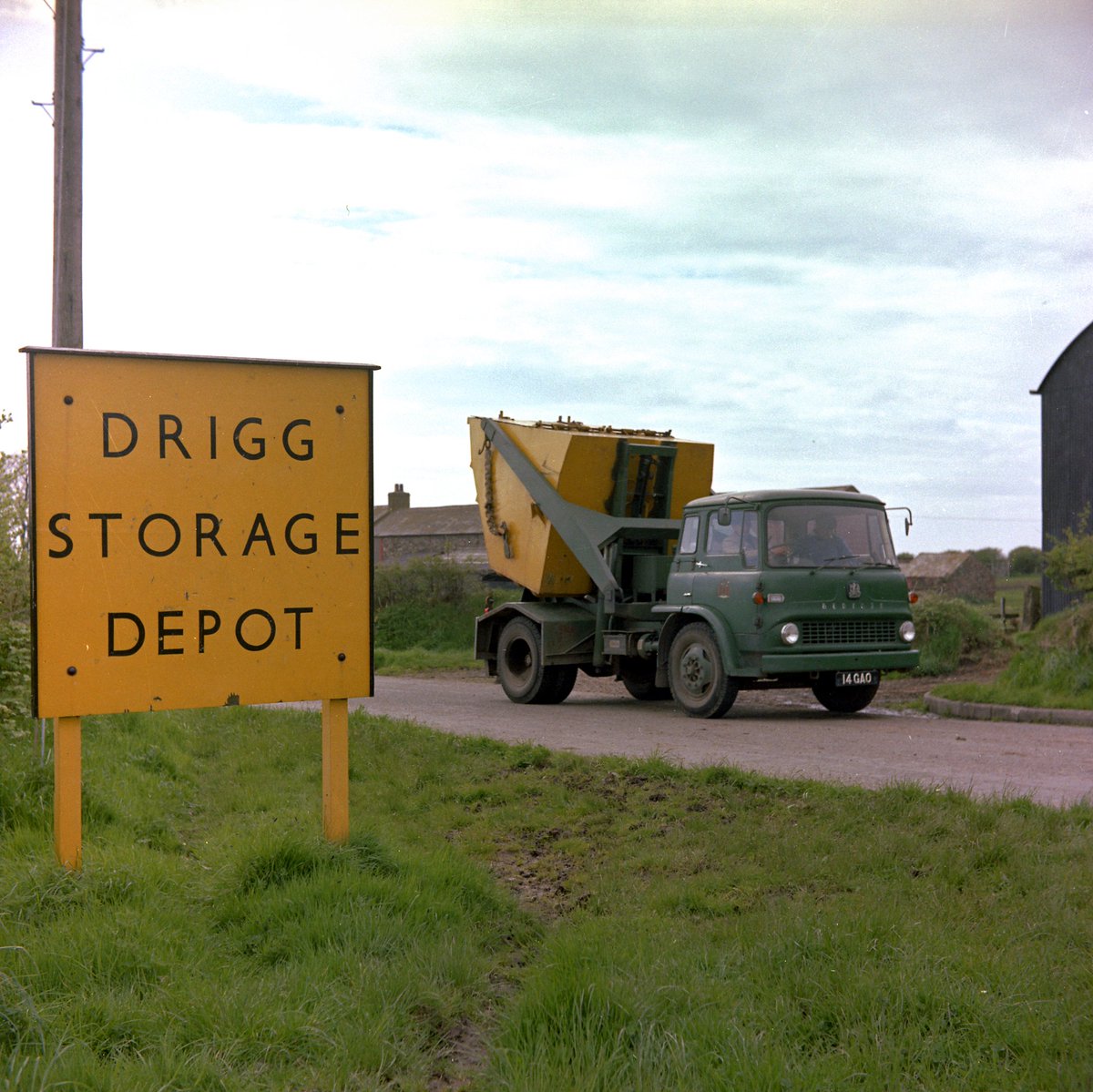
This image from the 1960s, taken for the UK Atomic Energy Authority (UKAEA), is a reminder that Sellafield has been part of the UK's nuclear story for almost 80 years.
The lorry and sign might look very different by today's standards, but one thing hasn't changed. For generations, people at Sellafield have worked to manage nuclear waste safely and help protect the environment.
While we can't pinpoint the exact location, it's almost certainly an area that has since become part of the UK's Low Level Waste Repository, operated by Nuclear Waste Services.
💡 Did you know? Sellafield is the only site in the UK that can process, treat and store every type of nuclear waste.
❓ Any guesses on the exact year this photo was taken?
🔗 Find out more about our waste management work here - https://t.co/BkzdXSOggT
#Sellafield #NuclearHistory #WasteManagement #TBT #ThrowbackThursday @Nuclear_WS
How can we drive robotics innovation through collaboration?
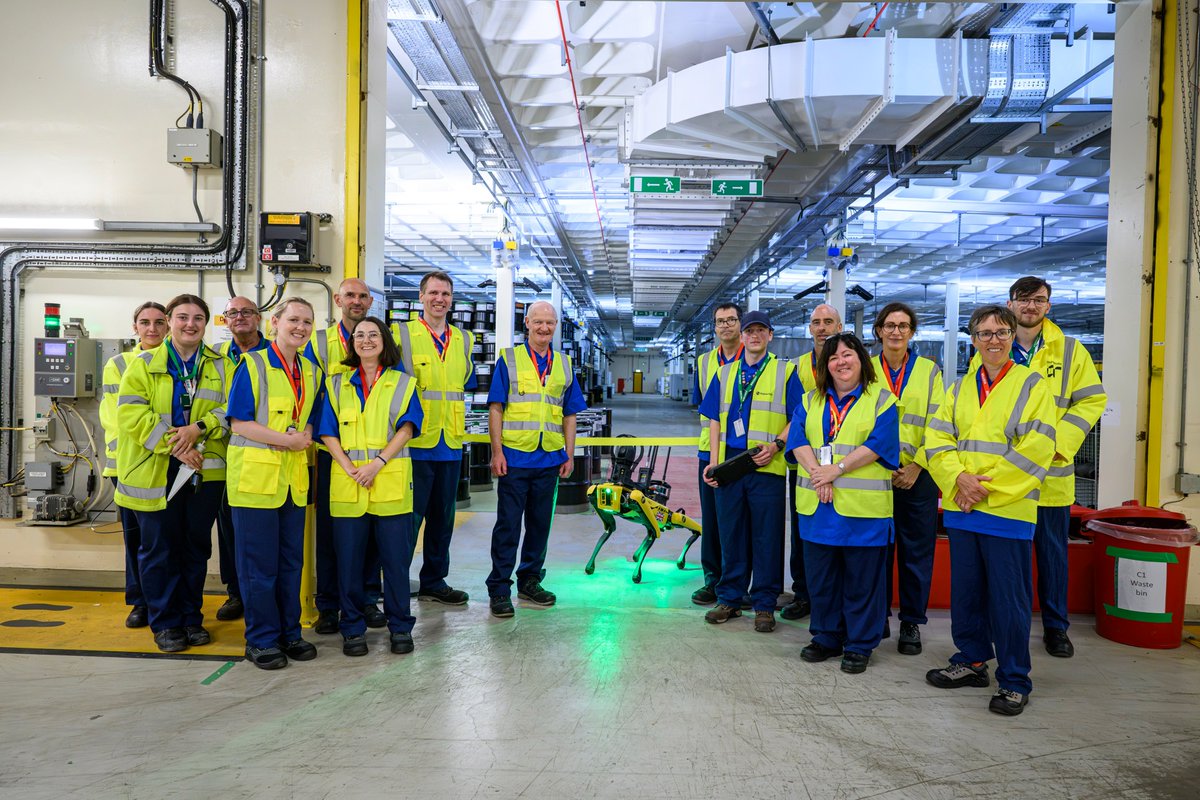
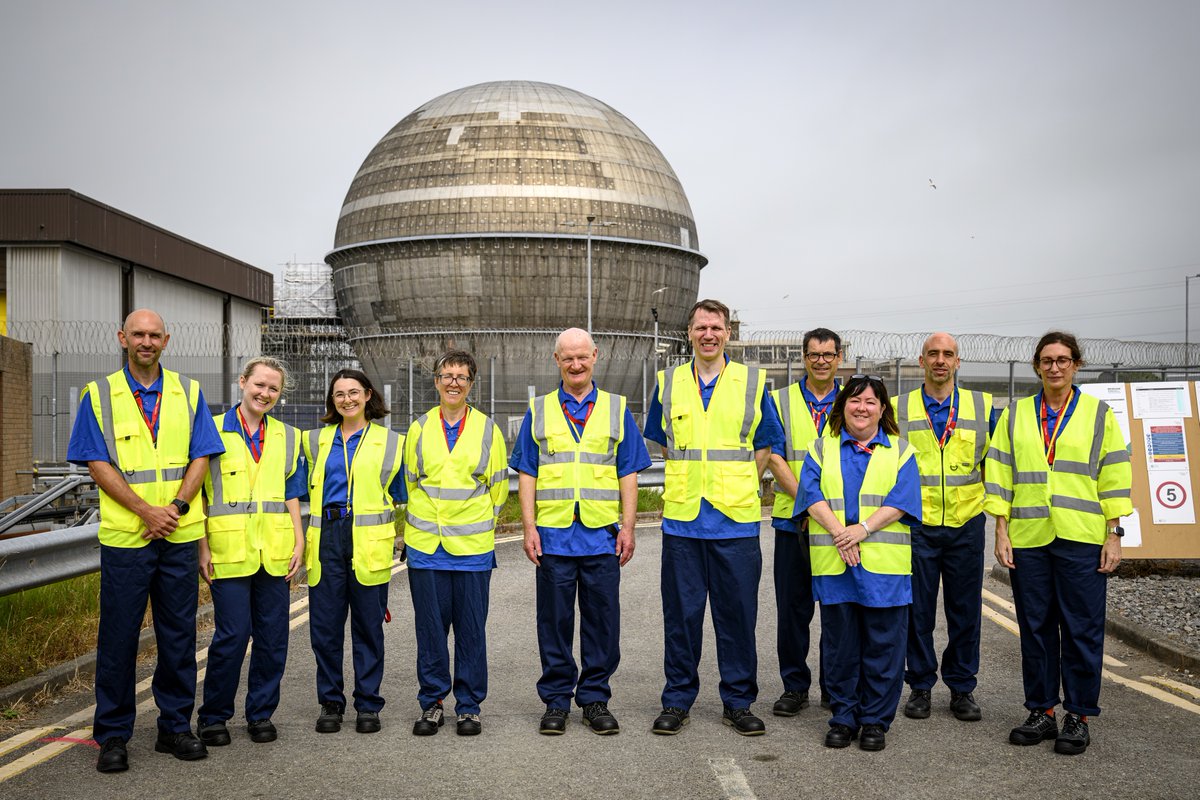
We recently welcomed government and regulator representatives, including Lord Willetts, Chair of the Regulatory Innovation Office, to the Sellafield site to explore that question.
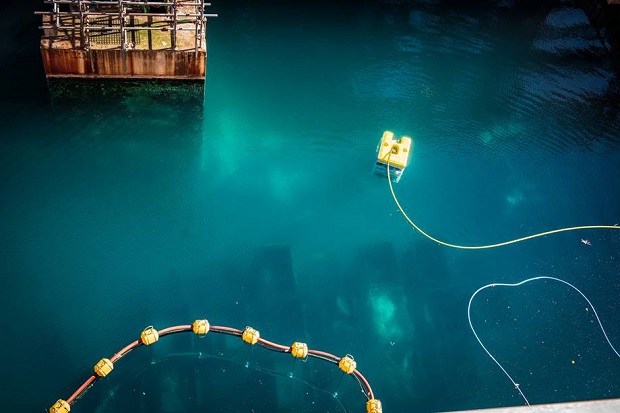
Visitors saw first-hand how we are using advanced robotics to help tackle some of the UK's most complex decommissioning challenges. This included SPOT the quadruped robot and remotely operated vehicles (ROVs) carrying out clean up activities, followed by a visit to the off-site Robotics and Artificial Intelligence Collaboration (RAICo) facility to see how collaborative working is helping to bring new technologies into the nuclear sector.
The visit highlighted the role industry, government, academia and regulators can play in enabling innovation as well as the opportunities robotics offers to accelerate progress across the UK's nuclear industry.
@SciTechgovuk #sellafield #Innovation #robotics #LordWillets
#FutureFriday ⚛️🔗
Our latest Tech Radar explores Technology Integration and the innovations helping connect people, processes and technology across Sellafield.
From edge AI 🤖 to immersive visualisation 🥽 and real-time data sharing 📡, we're exploring how connected technologies could help make operations safer and more efficient.
📖 Read more on https://t.co/frk8bWvFvj: link in comments 👇
#Sellafield #Innovation #TechRadar #TechnologyIntegration #AI #FutureOfWork
🚔#ThrowbackThursday | 10 years of Project Servator 👮♂️👮♀️
As the Civil Nuclear Constabulary (CNC) celebrates 10 years of Project Servator, we're looking back at its introduction at Sellafield in 2016 📅
Over the last decade, Project Servator has become a familiar part of the policing presence across the Sellafield site and surrounding area. The tactic uses unpredictable and highly visible police deployments to provide a reassuring presence for the public while encouraging everyone to remain vigilant and report any suspicious or unusual activity 👀🔍
📣Since it was introduced, specially trained CNC officers have worked alongside Sellafield Ltd security teams, engaging with employees, local businesses and residents, helping to build a strong net-work of vigilance both on and off site.
While much has changed over the years, one thing has stayed the same: security is everyone's responsibility. The awareness and support of our workforce and local communities continue to play an important role in helping keep Sellafield safe and secure.
Since its development by the National Protective Security Authority (NPSA) and the City of London Police in 2014, can you guess how many police forces across the UK have adopted Project Servator?
#ProjectServator #CNC #Sellafield #SecurityAwareness #KeepingPeopleSafe #CommunityPartnership #CivilNuclearConstabulary #SafetyAndSecurity @nuclearpolice
🏗️ What happens after operations stop but before decommissioning begins?
⚛️ Post Operational Clean-Out (POCO).
It's a critical stage that reduces hazards, improves safety and prepares facilities for the future. ♻️
With more than 80 facilities requiring POCO, our teams are developing innovative solutions to tackle some unique challenges.
👇 Learn more: Sellafield Ltd - https://t.co/92ukTGoJXU
#FutureFriday #Sellafield #POCO #Decommissioning #ReducingHazard
🐮⚖️ #ThrowbackThursday
One of our favourite archive photos!
When a local farmer needed to weigh his prize bull for a 'Guess the Weight of the Bull' competition at Muncaster Country Fair, there was only one local weighbridge big enough for the job — at Sellafield.
A rather unusual site visitor, but a great example of our long-standing connection with the local community.
👀 Any guesses:
📅 What year was this photo taken?
#TBT #Sellafield #SellafieldLtd #FarmLife #MuncasterCountryFair
For this week's #ThrowbackThursday, we're turning back the floc… ⏮️
These storage tanks date back to the 1950s and contain complex radioactive sludge, known as floc, created as a byproduct of early reprocessing operations .
Originally outside, the tanks were later enclosed within a specially designed overbuilding to help protect their integrity and support the installation of retrievals equipment. Steel jackets were also added to provide further protection.
At the time, the floc tank overbuilding was the largest moveable structure in the world.
Can you remember what year the overbuilding was constructed? Drop your guesses in the comments below! 👇
And keep your eyes peeled tomorrow for an update on the progress we're making with floc retrievals from these legacy storage tanks.
#ThrowbackThursday #TBT #Sellafield #Engineering #NuclearHistory
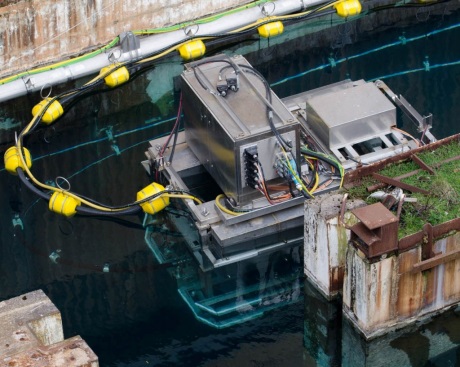
A new system could help to accelerate hazard reduction at the First Generation Magnox Storage Pond.
A high-performance pump being commissioned in one of the pond’s wet bays is already showing significantly faster sludge retrieval rates, supporting the next phase of clean-up at one of the site's highest hazard facilities.
Read more about FGMSP by clicking the link below.
#FutureFriday #Sellafield #Innovation #NuclearDecommissioning
#ThrowbackThursday
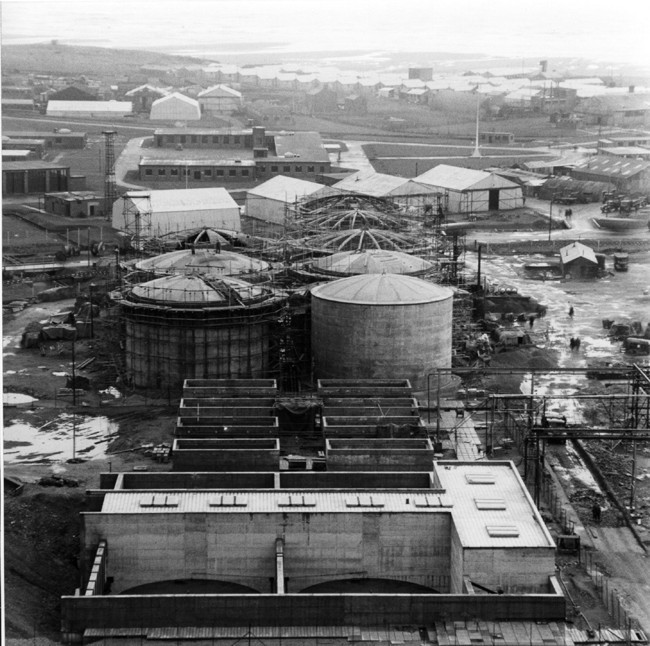
The First Generation Magnox Storage Pond (FGMSP) has been part of the UK's nuclear story since the late 1950s.
Originally built to receive and store Magnox fuel, it supported decades of operations and handled millions of fuel rods.
Today, our teams are using advanced robotics and innovative retrieval techniques to safely remove fuel, sludge and waste, reducing risk and preparing the pond for its future.
👉 Read our latest case study - https://t.co/ibQ8oj6I4m
📷 FGMSP during construction, late 1950s–early 1960s.
#FGMSP #MagnoxStoragePond #Decommissioning #NuclearHistory #NuclearTechnology #Sellafield #ProudSellafield #T
🚁 We’ve committed £195,990 through our SiX programme to support @GNairambulance — funding 30 life-saving missions in West Cumbria.
For our colleague David, it meant a second chance at life 💛
👉 Read his story: https://t.co/7GZ2nvKawq
#Sellafield#SocialImpact#SavingLives
Turning legacy into progress
Our latest First Generation Magnox Storage Pond case study shows how we’re tackling one of our most complex clean-up challenges — reducing risk and preparing for the future.
🔹 Fuel & waste removal
🔹 Sludge retrieval
🔹 Advanced tech
More this week 👀 #ThrowbackThursday #FutureFriday
👉 Read more: https://t.co/ibQ8oj6I4m
#Sellafield #Decommissioning #Nuclear #innovation
#ThrowbackThursday ☀️
With the warm weather this week, we’re looking back at Sellafield on a sunny day in the 1990s.
This aerial view captures the site during a significant period of development, with many familiar buildings—and some that have transformed considerably since then.
Sellafield spans around six square kilometres—roughly the size of 700 football pitches—so there is always more to see than first meets the eye.
While the site itself has evolved over the years, one thing hasn't, the skill, commitment and pride of the people who make it what it is.
Were you on site in the 1990s, or can you spot anything that has changed?
And for a bit of fun—can you guess the year this photo was taken? 👇
Stay safe in the heat everyone ☀️💧
#sellafield #sellafieldltd #archives #nuclear #decommissioning
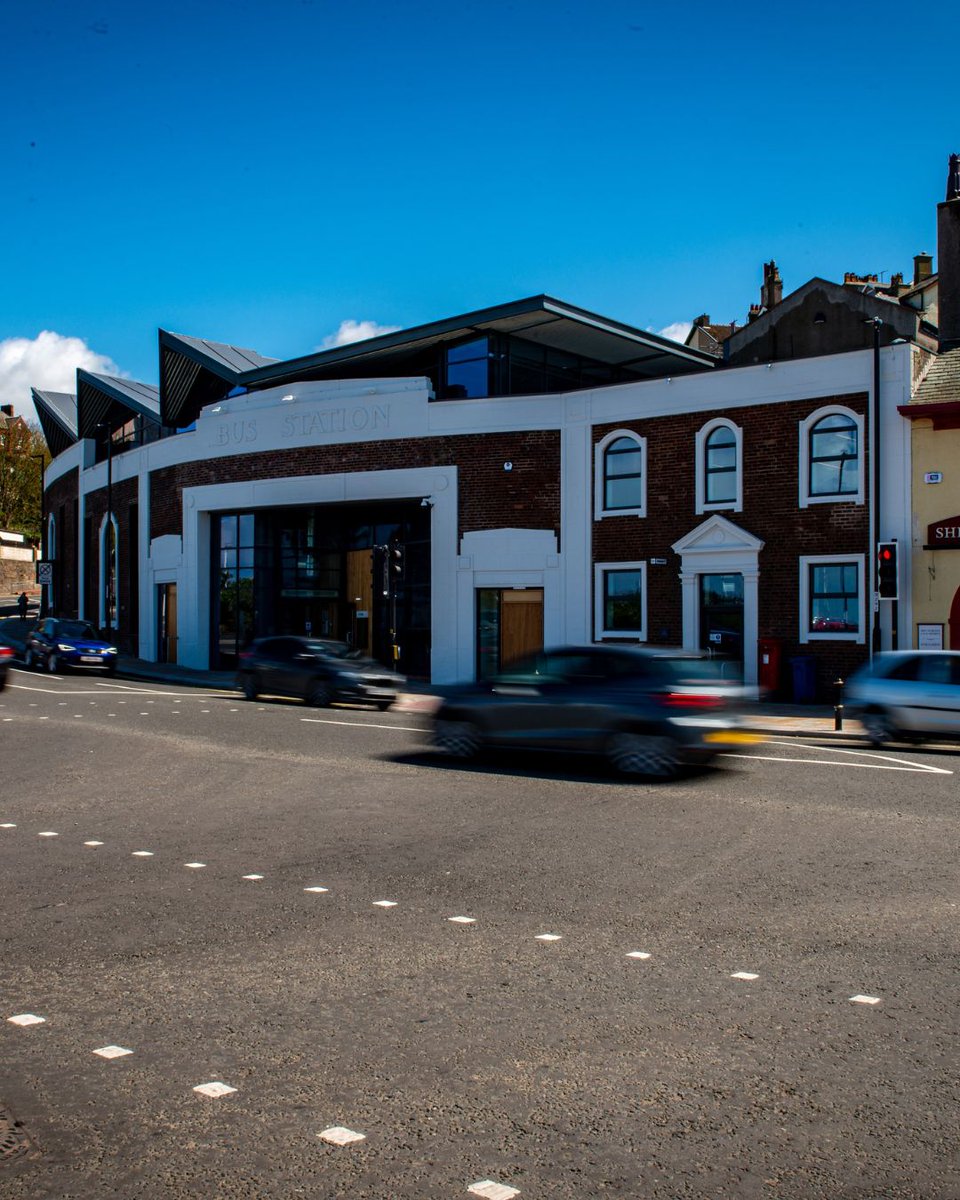
From derelict site to thriving hub!
Since opening in 2021, The Bus Station in Whitehaven has created 80+ jobs, supported dozens of start-ups, and brought new energy to West Cumbria’s economy.
Backed by Sellafield Ltd’s SiX programme, as well as BEC and other partners, it’s proof that partnership and investment can unlock real local growth.
https://t.co/ytScRVWuZq
#WestCumbria #BusinessGrowth #Sellafield
After this week’s site-wide emergency exercise, we’re taking a moment to look back at where it all began.
📷 Sellafield emergency services, 1953
While technology and scale have evolved, our purpose remains the same: protecting our people, our site and our communities.
Do you recognise anyone in this line-up, or remember the old fire station? ⬇️
#ThrowbackThursday #Sellafield #EmergencyResponse #NuclearSafety
🔙 #ThrowbackThursday
The Solvent Recovery Plant may be tucked away, but it played a key role in shaping nuclear reprocessing.
Built in 1949, it evolved into the Thorp Miniature Pilot Plant (TMPP) — testing ideas before scale-up.
From innovation to decommissioning and post-operational clean-out POCO), its story is transformation.
💬 Were you involved? Share your memories 👇
#Sellafield #NuclearHeritage #archives #throwback
Cutting through the challenge ✂️
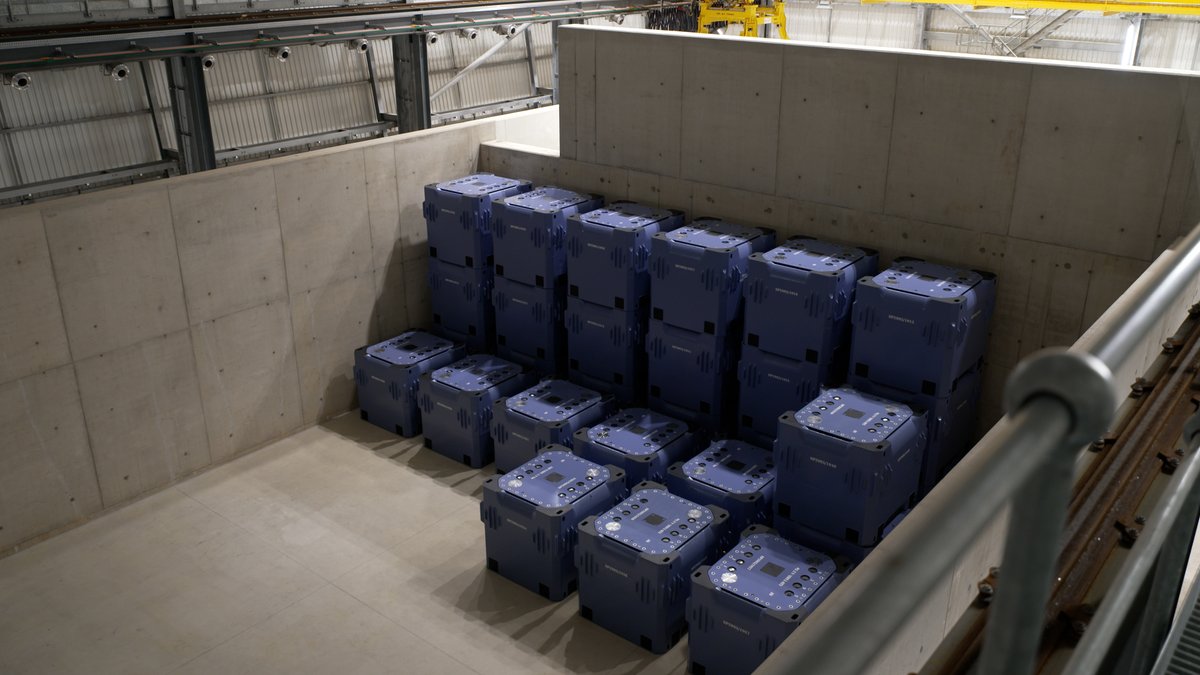
We are continuing to retrieve waste one of our oldest silos – the Pile Fuel Cladding Silo.
There are some larger items, like scaffold poles, cables and more, that are too large to grab and move into storage boxes.
To solve this, we are developing an In Silo Size Reduction tool. Working like the “jaws of life” tool used by the fire service, it will cut these materials down inside the silo so we can safely remove them.
This tool is:
✅ Installed
⚙️Currently being commissioned
🎯 Will be fully deployed in the next 12 months
It’s a step towards a faster pace or retrievals, and moves us closer to our goal of emptying the silo.
🔗 To read more about PFCS, read our case study.
Link in the comments.
📸 1 - PFCS retrieval machine moving a grab of waste inside the silo.
📸 2 - The ISSR cutting tool at our testing facility in Rosyth, Scotland before the tool was installed inside PFCS.
📸 3 - The cutting tool being pushed into PFCS during commissioning.
📸 4 - PFCS building on the Sellafield site.
#nuclear #FutureFriday #innovation #sellafield #nuclearUK #decommissioning #engineering
Almost 4 years ago, we marked the end of an era at Sellafield, as the Magnox Reprocessing Plant took its final feed of spent fuel after 58 years of safe operations.
Now in Post Operational Clean Out (POCO), we’re taking a moment to reflect on its incredible history and the people behind it.
These archive images take us back to where it all began—construction in 1961, rapid build, and commissioning just a few years later. A huge achievement, and a big part of the UK’s nuclear story.
Did you work here, or recognise these moments? Share your memories below 👇
📷 1961–1964: from construction to operations
#ThrowbackThursday #Sellafield #NuclearHistory #Heritage #Engineering #Decommissioning #POCO #UKNuclear #TBT