The Ancient Columns: Pillars of Ancient Architecture -
Columns have been a defining feature of ancient architecture, symbolizing the grandeur and cultural achievements of their respective civilizations. Here's a look at the distinct styles from various ancient cultures:
🇪🇬 Egyptian: Egyptian columns were often massive and characterized by their lotus and papyrus designs, symbolizing life and rebirth. They were typically used in temples and tombs, with capitals often shaped like plants or flowers, representing fertility and growth.
🇮🇷 Persian: Persian columns were grand, featuring simple yet elegant designs, often with animal motifs like bulls or lions as capitals, such as those seen in Persepolis. These columns were made to support vast halls and were part of the immense and monumental Persian architecture.
🇬🇷 Greek: The Greeks are known for their three distinct column orders: Doric, Ionic, and Corinthian. Each order has its own distinctive features: Doric columns are sturdy with simple capitals, Ionic columns are more slender with scroll-like volutes, and Corinthian columns are the most ornate, with acanthus leaf decoration.
🇮🇹 Roman: Roman columns were heavily influenced by Greek architecture but introduced more decorative elements, such as the Tuscan and Composite styles. Roman columns often had more elaborate capitals and were used in the construction of grand structures like temples, basilicas, and aqueducts.
🇮🇳 Indian: Indian columns, especially in ancient Buddhist and Hindu architecture, often featured intricate carvings and sculptures. The Ashoka Pillars are iconic, with their polished stone and inscriptions, symbolizing the influence of Emperor Ashoka. These columns were also used in temples and stupas and often depicted deities, animals, and symbols of spiritual significance.
Each civilization used columns not only for structural purposes but also as a means to convey power, beauty, and artistic achievement.
#archaeohistories
Vous connaissez Simone de Beauvoir, mais peut-être pas sa sœur Hélène. Pourtant, cette artiste peintre s’est elle aussi engagée pour la cause des femmes.
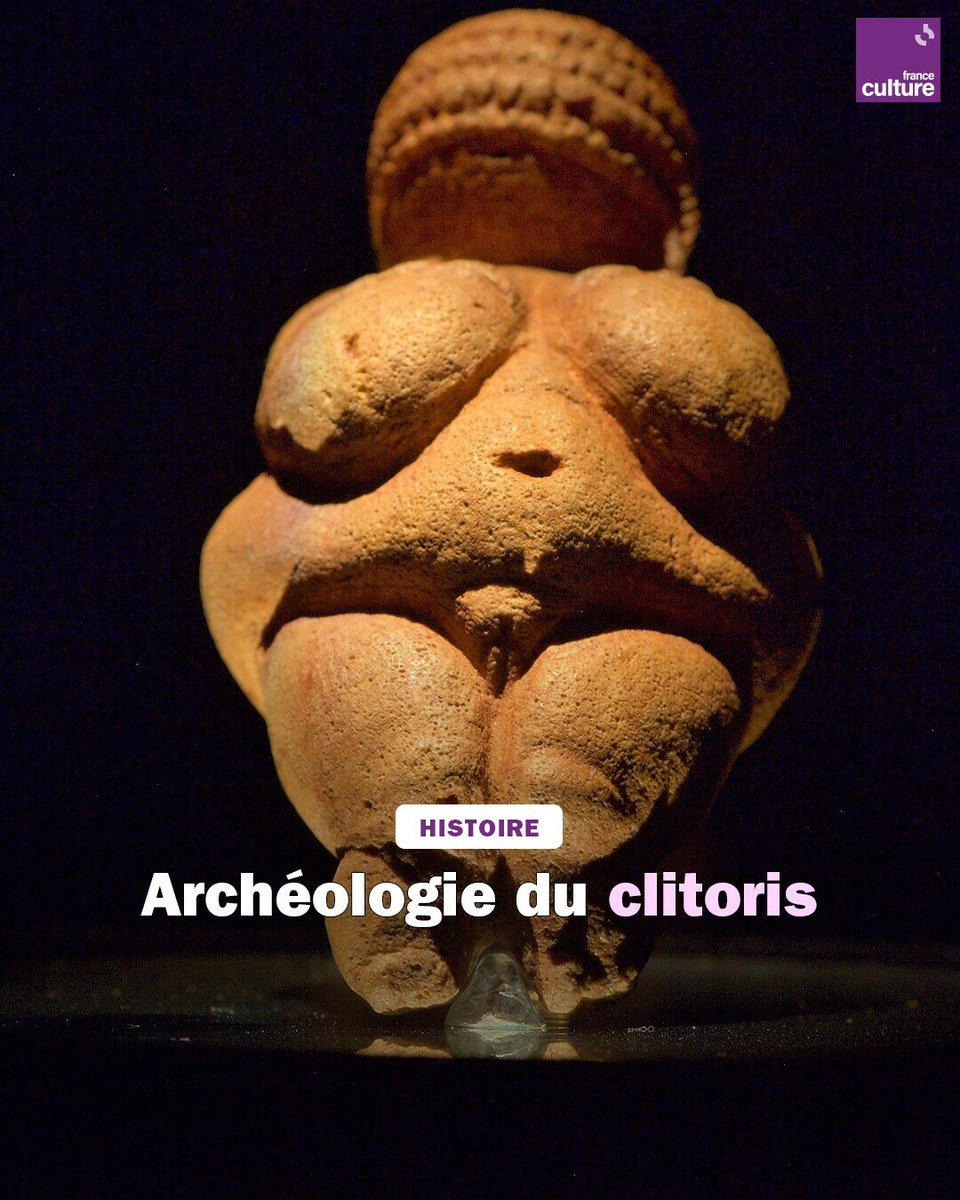
Longtemps occulté, voire diabolisé, il faudra attendre 2017 pour qu’un manuel scolaire propose un schéma scientifiquement exact du clitoris.
➡️ https://t.co/UCNo2lBD0C
Il y a un an mourait Miss.Tic, pionnière du street art français. Jouant sur les mots et les murs, elle laissait des balises poétiques : "Fais de moi ce que je veux", "Je laisse à désirer", "Suivre son désir pour ne pas le rencontrer"…
➡️ https://t.co/GhprZFNbEU
« On pensait naïvement que le blanc était un sauveur et qu'il apportait forcément la paix » : des femmes qui ont survécu au génocide rwandais témoignent des viols commis par des soldats français ⤵
Figure provocante des Ballets russes, pionnière de la performance, mécène, c'est elle qui a commandé à Ravel son Boléro. Voici comment Ida Rubinstein a consacré sa vie à l'art avant de tomber dans l'oubli.
29 avril 1960 : parution de "La Promesse de l'aube" de Romain Gary. Romancier, diplomate, pilote, profondément attaché à la France mais également amoureux des États-Unis, Romain Gary a eu de multiples vies. Cinq entretiens avec un magnifique écrivain.
➡️ https://t.co/WhNpeay6Ok
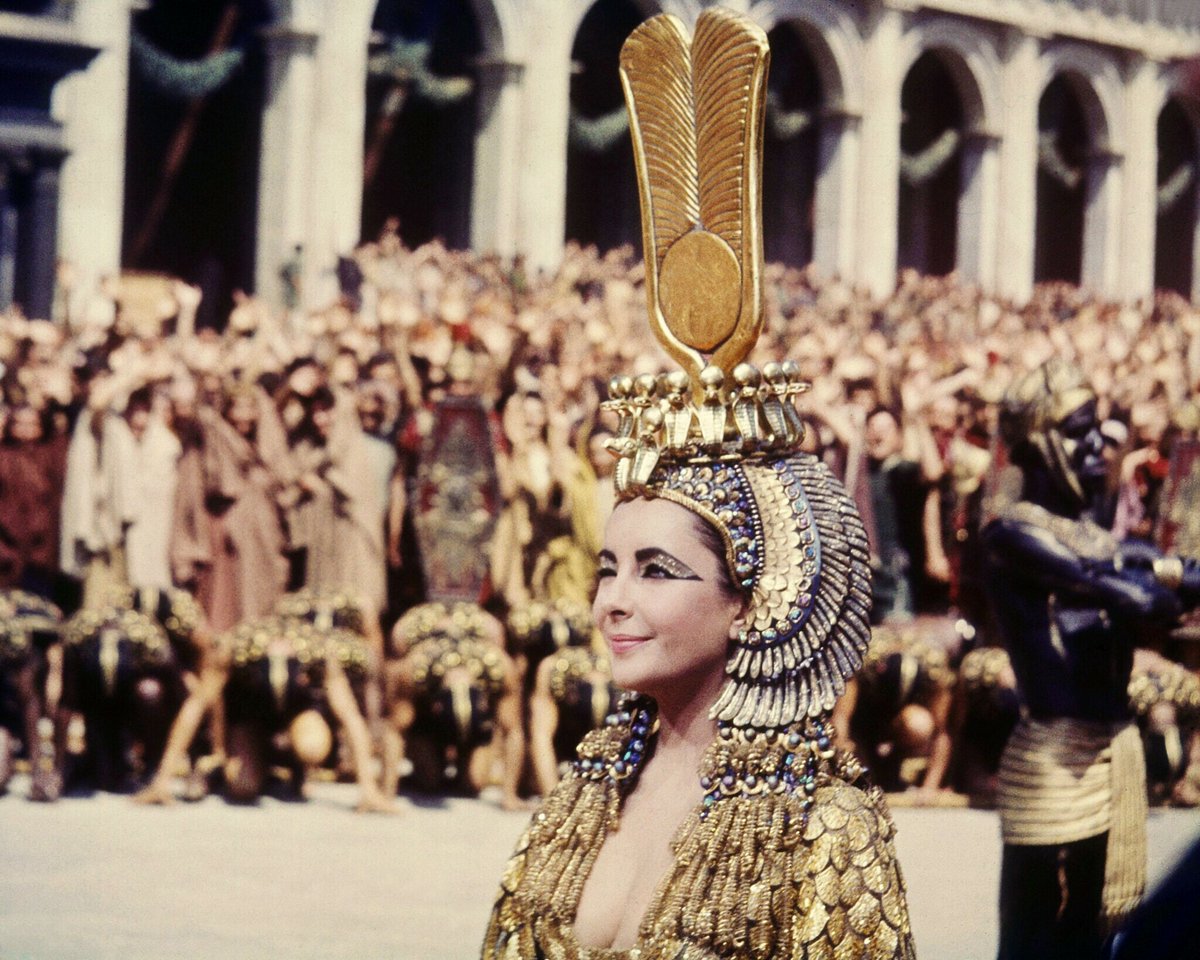
Femmes puissantes, elles s'appelaient Artémise, Aspasie, Cléopâtre, Messaline ou Zénobie. Depuis l'Antiquité, leur éclat est parvenu jusqu'à nous. https://t.co/vxwImVHHCb
Imaginez qu'avec le BDSM se profile la possibilité de comprendre clairement ce que le consentement signifie. Et même mieux, la sexualité égalitaire qu'il esquisse.
➡️ https://t.co/wIKlGQYydl
Gide, Musil, Mann, Green, Valéry, Bernanos, Malraux… Jean-Luc Godard avait forgé sa sensibilité et son regard auprès des livres, bien avant de passer derrière la caméra. On en parle ce mardi dans le #bookclubculture.