1 - Energy storage is having its biggest year yet, and the forecasts keep getting revised
up. 🧵
2 - BloombergNEF now expects 188 GW / 535 GWh of storage to be deployed worldwide
in 2026, up 45% from last year's record.
Six months ago its 2026 estimate was 158 GW / 459 GWh.
3 -The containers keep getting bigger. DC blocks of 5 MWh+ in a 20-foot box are
becoming normal on large US projects.
UL just launched a certification pathway for modular DC systems so code officials can
verify which combinations were tested together.
4 - Chemistry is widening too. Sodium-ion startup Peak Energy closed a $108M Series B
led by GM Ventures, and says it has more than $1B in customer orders.
5 - And durations are stretching. In France, projects were nearly all 2-hour a few months
ago. Now 3- to 4-hour projects are getting financed as the old revenue stream gets
crowded.
Bigger, longer, more varied. Storage is turning into normal grid infrastructure.
Battery storage is quietly changing jobs. It's not just a bulk energy trade anymore.
Governments are writing it into grid rules. Examples from this week:
Portugal: new BESS projects over 45 MW must be able to run in grid-forming mode
and provide synthetic inertia. It's also tendering about 1 GW of connections, with the
grid operator allowed to curtail up to 500 hours a year for standalone projects.
Singapore: its energy regulator wants about 1 GWh of storage by 2030, up from
roughly 350 MWh today. Consultation is open until Jan 29, 2027.
UK: BW ESS financed its 400 MW / 1,424 MWh Hams Hall project, with a 10-year
revenue floor from EDF. Long contracts are what turn batteries into bankable
infrastructure.
California: the Energy Commission released $46M for distributed backup assets
(batteries, microgrids, flexible load) to help avoid blackouts in extreme events. The
pattern: storage is being bought for reliability, not just arbitrage.
AT&T, Verizon and T-Mobile are terrified that some real competition is on the way. This industry is about to see the first real disruption in a long time.
I can't wait to switch to @Starlink Mobile.
AT&T, Verizon and T-Mobile are terrified that some real competition is on the way. This industry is about to see the first real disruption in a long time.
I can't wait to switch to @Starlink Mobile.
Constellation just got a conditional DOE loan commitment of up to $5B to squeeze more
output from 8 nuclear plants it already runs.
Separate deals with Google and Amazon already have it investing $7B+ for about 1,080
MW.
The fastest megawatts are often the ones you already own.
1 - Energy storage is having its biggest year yet, and the forecasts keep getting revised
up. 🧵
2 - BloombergNEF now expects 188 GW / 535 GWh of storage to be deployed worldwide
in 2026, up 45% from last year's record.
Six months ago its 2026 estimate was 158 GW / 459 GWh.
3 -The containers keep getting bigger. DC blocks of 5 MWh+ in a 20-foot box are
becoming normal on large US projects.
UL just launched a certification pathway for modular DC systems so code officials can
verify which combinations were tested together.
4 - Chemistry is widening too. Sodium-ion startup Peak Energy closed a $108M Series B
led by GM Ventures, and says it has more than $1B in customer orders.
5 - And durations are stretching. In France, projects were nearly all 2-hour a few months
ago. Now 3- to 4-hour projects are getting financed as the old revenue stream gets
crowded.
Bigger, longer, more varied. Storage is turning into normal grid infrastructure.
In a pinch unplug the toaster. Everything you need to know about charging https://t.co/Wqcv8fw8wj
*Charging compatibility will vary by location and equipment. Follow your owner’s guide and use properly rated equipment.
GM's Q3: $4.1B in adjusted EBIT, up 22% from a year ago.
Also: $3.6B in "EV strategic realignment" charges so far this year.
That's not an exit. It's an automaker resizing EV plans to the market it actually has.
Expect more of that from everyone.
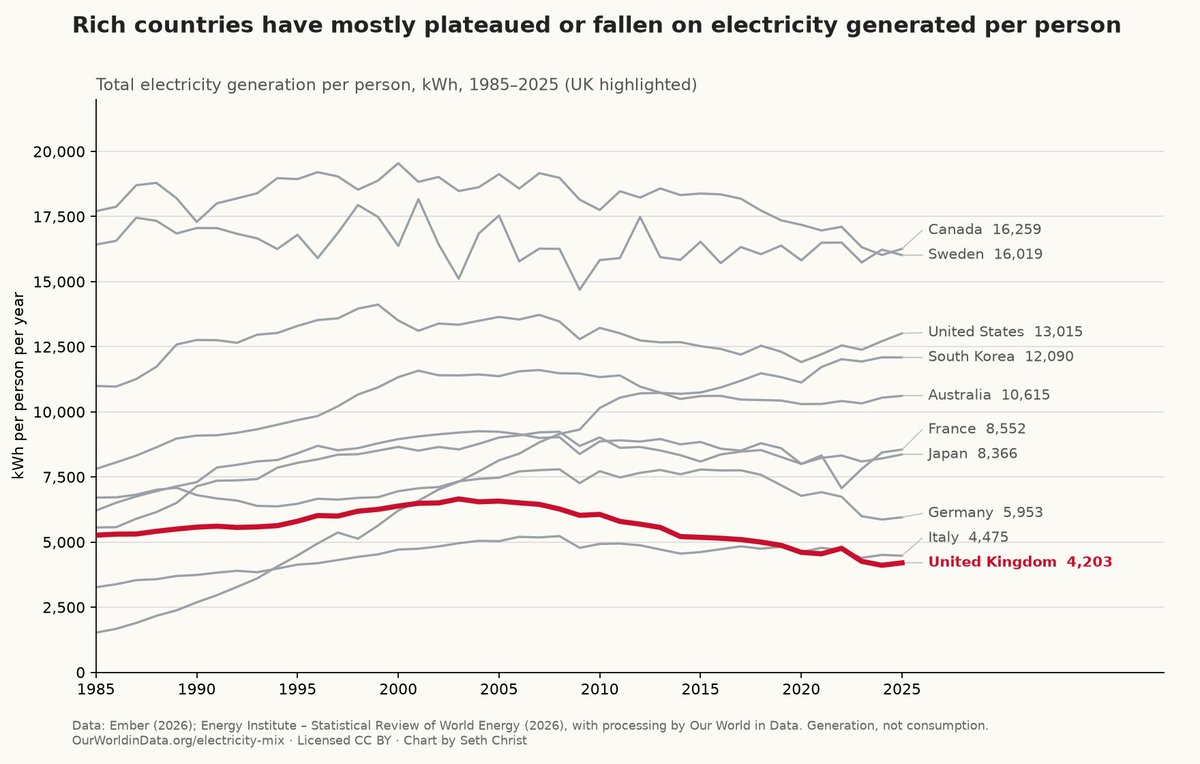
Rich countries generate less electricity per person than they used to.
UK: ~4,200 kWh, about 1968 levels, -37% from 2003.
Germany -24%. Canada -17%. US -8%.
EVs, heat pumps and data centers push the other way. Flat national averages hide local load growth.
Data: OWID, CC BY
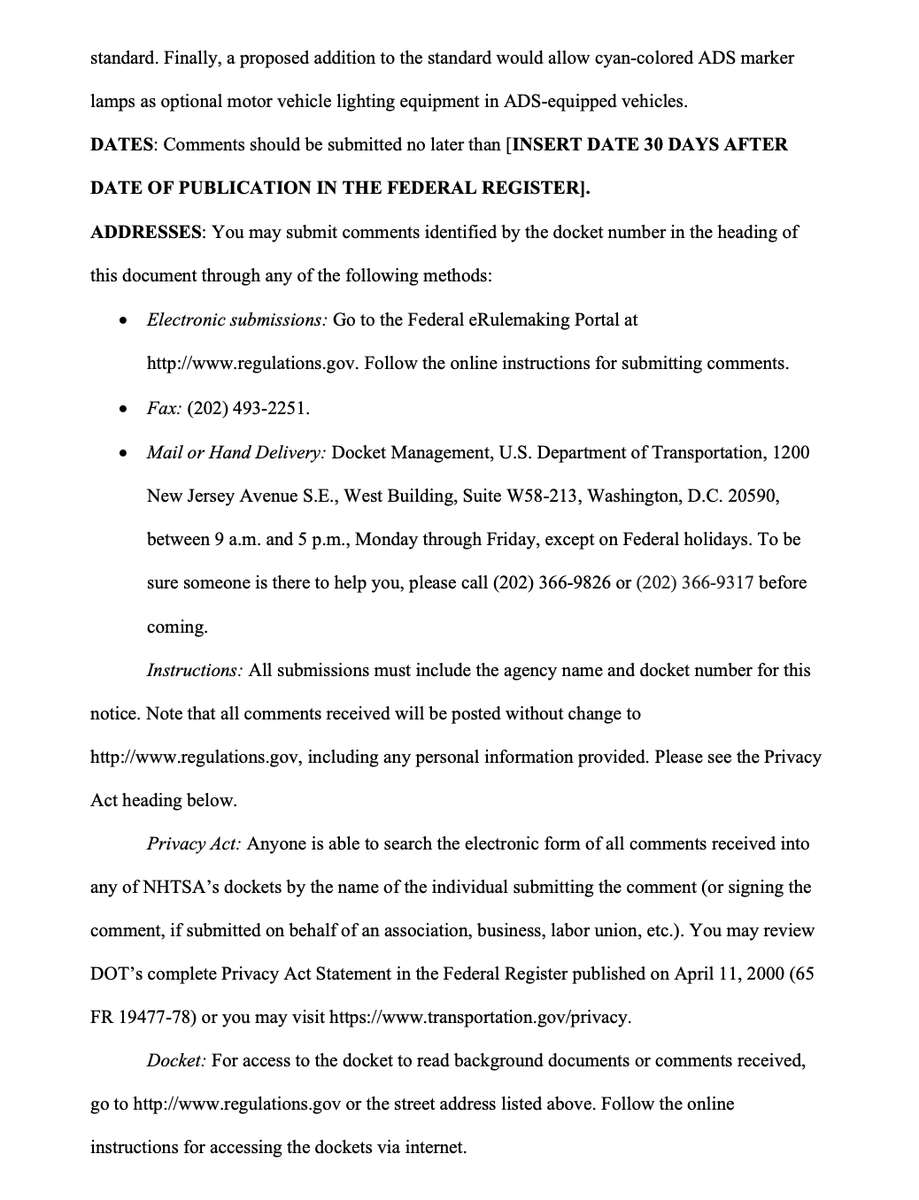
NHTSA announced today that they are proposing new rules aimed at removing U.S. federal regulatory barriers for autonomous vehicles without steering wheels or pedals, such as @Tesla's Cybercab.
The proposed changes include:
• Eliminating requirements for manually operated turn signal controls in vehicles without steering wheels or pedals: "NHTSA has concluded that the self-canceling and manually operated control requirements in the current standard are unnecessary for turn signal operating units that are installed on vehicles without manually operated driving controls."
• Allowing autonomous driving systems to control turn signals, hazard lights, and high/low beams without traditional driver-operated switches.
• Removing certain dashboard indicator requirements for turn signals and high beams in vehicles without manual driving controls.
• Allowing optional cyan-colored exterior lights to indicate when a vehicle is operating autonomously, with standardized requirements for their placement, brightness, and operation.
• Eliminating outdated restrictions on vertical headlight arrangements, giving automakers greater design flexibility.
• Allowing modern integrated headlights to be tested at manufacturer-specified voltages rather than requiring 12.8 volts.
NHTSA says the changes are intended to eliminate unnecessary regulatory barriers, reduce costs, and enable innovation without compromising vehicle safety.
The most useful AI in operations won't look impressive in a demo.
It reads every service ticket, notices the same fault showing up in different places, and flags it before customers do.
Boring work. That's where the payoff is.
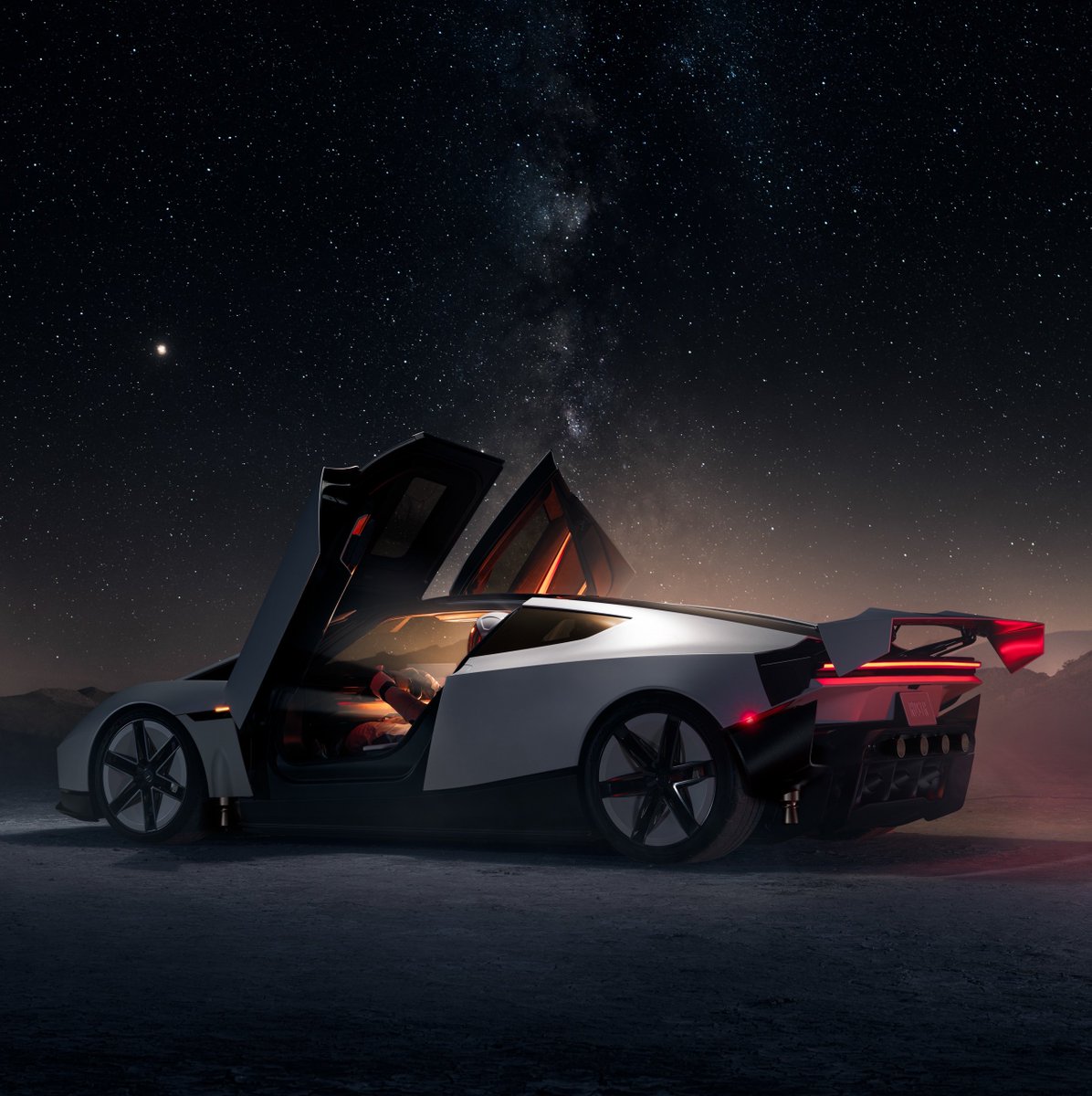
Here’s everything to know about the newly launched @Tesla Roadster:
• Created to be the Ultimate Driver’s Car.
• Deliveries actually begin in 2028, built in Texas.
• Three configurations: Performance, Thrust, and Rocket.
• >300 miles of range for all trims.
• 0-60mph per configuration: <1.6s (Performance), <0.9 (Thrust), <0.59s (Rocket)
• Cold-gas thrusters (@SpaceX-derived, adapted for atmosphere).
• 10 nozzles fed by 600 liters of compressed air allow the car to move forward, upward, and rotate.
• Thrusters generate 4–5x force the tires can handle.
• Multi-mode suction/fan system can hold the car upside-down even when stationary (up to 2G). The car can go upside down.
• Design is inspired by SR-71 and F-35.
• Concealed headlights
• Ano White paint (aerospace coatings: UV, cryogenic, electrostatic, corrosion protection)
• Gold Glazed tinted glass (spacesuit-visor style) + titanium accents
• Ultrawhite interior cabin with gray microsuede detailing and seat bolsters.
• Seats are molded into the chassis.
• Steer-by-wire Yoke
• Made with magnesium, titanium, carbon fiber.
• Height-adjustable spool-valve dampers, which allows the car to raise or lower.
• Can drop up to 1.6 inches (40 mm) in Track Mode.
• Three modes: Road Mode, High-Drag Mode, and Low-Drag Mode.
• Top speed more than 230 mph, but Elon said Tesla is working toward a longer-term goal of 380 mph (Mach 0.5).