Four health headlines. One big question: Are we putting patients first?
This week on #TheHealthAdvocates, we're taking a quick trip through some of the biggest stories shaping healthcare around the world.
🌍 GLOBAL HEALTH: China enters the race to lead the World Health Organization amid major geopolitical changes.
💊 MEDICARE: Open Enrollment is here. Do you know what changes may be coming to your coverage?
💉 MEASLES: More than 4,000 confirmed U.S. cases in 2026. Why are we seeing the resurgence of a vaccine-preventable disease?
🤖 ARTIFICIAL INTELLIGENCE: AI is changing medical billing, raising new questions about transparency, fairness, and patient protections.
🎙️ Join host Steven Newmark for a special, bite-sized edition as we break down what these developments mean for patients.
🎧 Tune in now: https://t.co/IkYS2qnVrU
#GlobalHealth #HealthcareNews #PatientAdvocacy #PublicHealth #Medicare
@GHLForg’s @AngelaDegrassi is at #ACR2026 presenting research on identifying knowledge gaps in polymyalgia rheumatica (PMR).
By bringing patient perspectives and clinical expertise together, this work aims to help shape future research and improve care.
#Rheumatology
In recognition of the second annual Giant Cell Arteritis (GCA) Awareness Day, @GHLForg shares the story of Connecticut State Representative Tom O'Dea, who was diagnosed with GCA after weeks of new, persistent headaches. When his doctor asked about jaw pain, a symptom he hadn't connected to his headaches, she recognized the signs of GCA and started treatment right away. Tom credits her with saving his vision.
GCA is a serious inflammation of the arteries that most often affects adults over 50. Without prompt treatment, it can cause permanent vision loss.
What you'll learn:
• The warning signs of GCA, including new headaches, jaw pain when chewing, scalp tenderness, and vision changes
• Why early diagnosis and treatment can protect your vision
• How the right questions from a doctor can make all the difference
• Tom's advice for anyone over 50 who notices something unusual: don't wait to get checked
New headache, jaw pain, or scalp tenderness and over 50? See your doctor right away. Sudden vision changes need emergency care.
By amplifying voices like Tom's, we can help more people recognize the signs of GCA and get care sooner.
Learn more about GCA: https://t.co/GLT7B1tOrU
#GCAAwarenessDay #GiantCellArteritis #VisionHealth #ChronicIllness #Vasculitis #Inflammation #PatientAdvocacy #HealthyAging #GHLF
Researchers say they may be on the cusp of demonstrating that certain drugs, if they are administered early enough, can slow the development of Alzheimer’s symptoms or prevent them altogether. https://t.co/xEXTuEPTxB
Invisible symptoms can come with a heavy, invisible burden.
Melissa describes the gap between who she knows herself to be and how others see her. From the outside, her Sjögren's fatigue can look like laziness, and her brain fog can look like incompetence. On the inside, she's still the same person, just living with symptoms other people can't see.
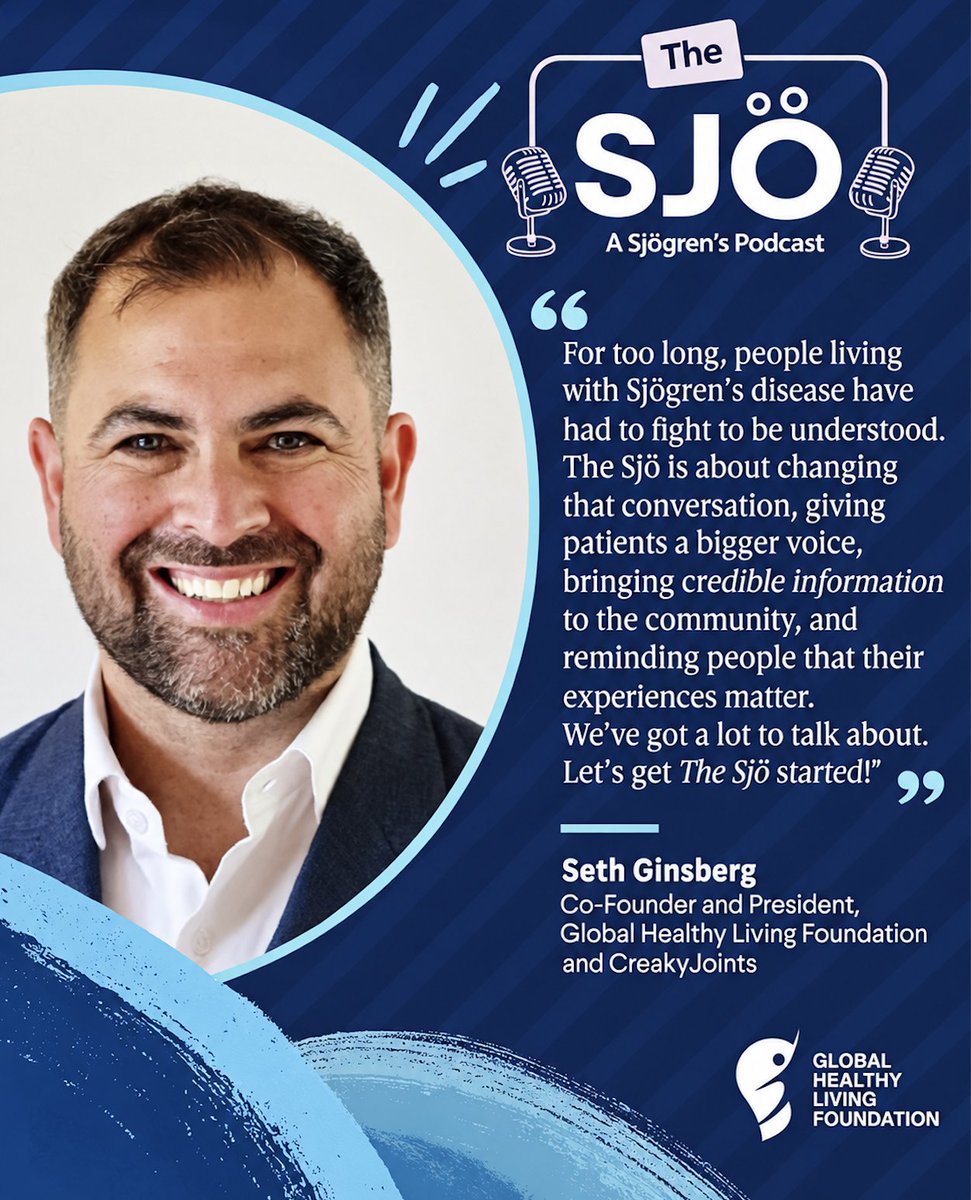
If you've ever felt misunderstood because of your Sjögren's, you're not alone. The Sjö, the new podcast from CreakyJoints, has the answers you need to hear.
Learn more and tune in: https://t.co/dLrnubNP40
#SjögrensDisease #Sjögrens #InvisibleIllness #ChronicFatigue #BrainFog
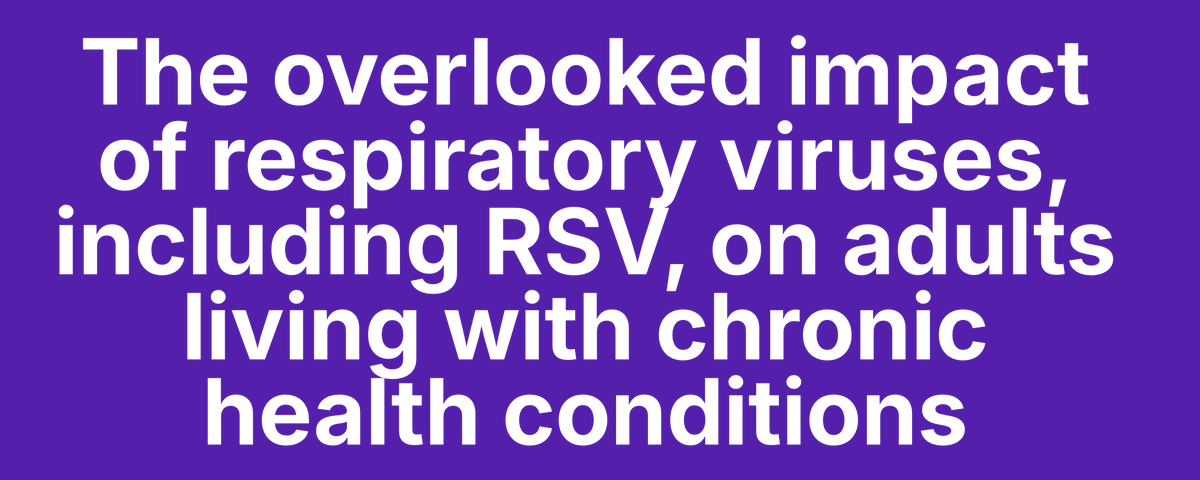
For those living with certain chronic health conditions, including cardiovascular disease, asthma and COPD, as well as older adults aged 65 and over, understanding the risks and potential consequences of Respiratory Syncytial Virus (RSV) can help them better understand how to protect their health.
This RSV Awareness Week, put your health first. Think Me.Not RSV.
If you think you are at risk from RSV, speak to a healthcare professional about how RSV could impact you.
Read here:
https://t.co/1BXa9oMTY8
#MeNotRSV #RSVAwarenessWeek
A headache isn't always just a headache. Sometimes, recognizing the warning signs can save your sight.
Today, October 23, is Giant Cell Arteritis Awareness Day.
Giant cell arteritis (GCA), also known as temporal arteritis, is a serious form of vasculitis that causes inflammation in the arteries, particularly those supplying blood to the head and eyes. It primarily affects adults over age 50.
Warning signs can include:
🔴 New or persistent headaches, especially around the temples
🔴 Scalp tenderness
🔴 Jaw pain while chewing
🔴 Blurred vision, double vision, or sudden vision loss
🔴 Unexplained fatigue, fever, or weight loss
Why does early recognition matter?
Without prompt treatment, GCA can cause irreversible vision loss. Recognizing symptoms and seeking urgent medical care can help prevent serious complications.
Sudden vision changes require emergency medical attention, and suspected GCA should be evaluated urgently, even without vision symptoms.
This #GCAAwarenessDay, we're reminding our community that symptoms shouldn't be dismissed and timely diagnosis matters.
Awareness can protect sight. Early action can change lives.
Learn more about GCA, its symptoms, diagnosis, and treatment:
https://t.co/wj1htvZM65
#GiantCellArteritis #VasculitisAwareness
Living with Sjögren’s disease?
🎙️ The Sjö, our NEW podcast, is officially LIVE!
Real patient stories, expert insights, and honest conversations about life with Sjögren’s.
Listen now: https://t.co/pgiBwxrfd2
#SjögrensDisease#TheSjö
Arthritis is more than joint pain.
It's more than a diagnosis.
And it's certainly not just a part of getting older.
Today, October 12, is World Arthritis Day — a reminder that millions of people are living with conditions that can affect nearly every part of their lives, often in ways others cannot see.
According to the CDC, more than 53 million U.S. adults — roughly 1 in 5 — have been diagnosed with arthritis.
But behind that number are people whose lives don't stop when symptoms begin.
People working through fatigue. Navigating chronic pain and inflammation. Losing sleep. Canceling plans. Adjusting routines. Trying to explain symptoms that may change from one day to the next.
And sometimes, facing the exhausting task of convincing others that what they're experiencing is real.
Arthritis doesn't have one face, one age, or one story.
There are more than 100 types of arthritis and related rheumatic conditions, including osteoarthritis, rheumatoid arthritis, psoriatic arthritis, and juvenile idiopathic arthritis. Each comes with its own challenges, and no two people's experiences are exactly alike.
That's why awareness must go beyond recognizing symptoms.
It means taking pain seriously. Supporting earlier diagnosis and access to appropriate care. Understanding that disability isn't always visible. Making room for accommodations, rest, and the reality that someone's abilities can change from day to day.
It also means listening to patients — not just talking about them.
At CreakyJoints, we believe people living with arthritis deserve reliable information, compassionate care, and a meaningful voice in decisions affecting their health.
And to everyone living with arthritis: You are more than your diagnosis. Your experiences matter. Your voice matters. And you deserve to be heard.
This World Arthritis Day, we want to hear from you:
💬 What's one thing you wish the world understood about living with arthritis?
Your answer might be exactly what someone else needs to hear today.
Explore patient-centered arthritis education and support: https://t.co/eobpvv7pKi
Different journeys. One community. 💜
#WorldArthritisDay #ArthritisAwareness #CreakyJoints
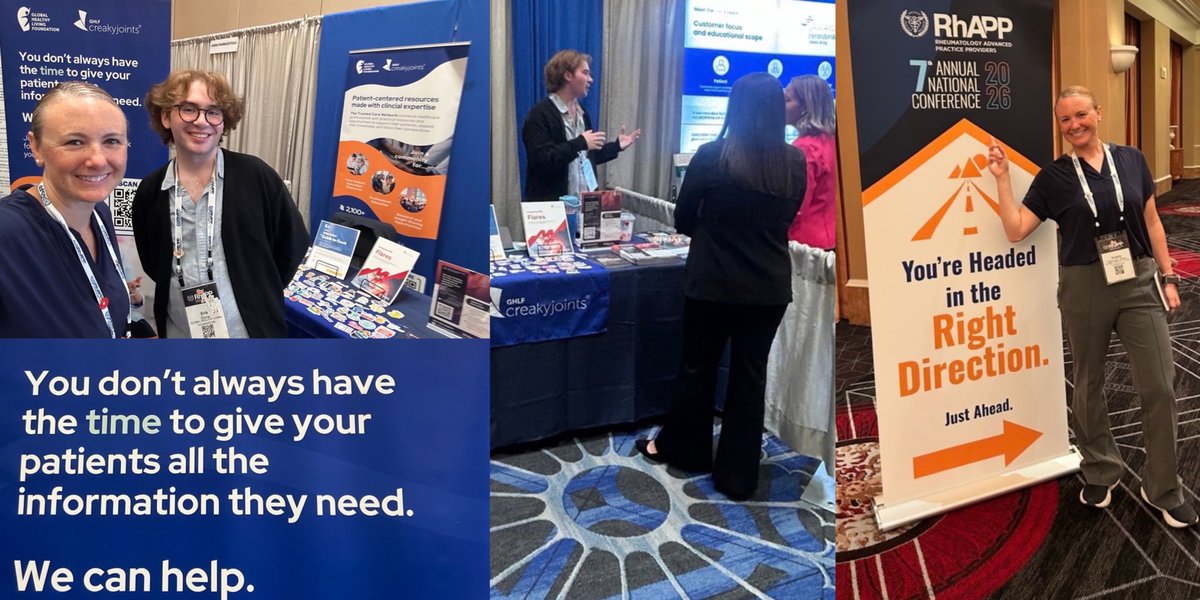
We’re in Las Vegas for the @RheumAPP Annual Conference! 💙
It’s been a great opportunity to connect with rheumatology nurses and share @GHLForg resources designed to help patients better understand their health and navigate their care.
Grateful for our continued partnership with @RhAPP and for everyone stopping by to connect, share insights, and help us keep patients at the center of the conversation.
#PolymyalgiaRheumatica #PMR
Science matters most when people can understand it — and use it.
Today, @GHLForg brought together 22 patient advocacy organizations for a symposium exploring the evolving role of monoclonal antibodies in preventing infectious diseases, including COVID and RSV.
Getting important science from experts to the people who need it takes more than research alone. It takes conversation, questions, and collaboration between scientists, clinicians, advocates, and the organizations communities already know and trust.
Thank you to the experts, moderators, advocates, and partners who joined us for this important conversation.
And this is just the beginning. We’ll be turning what we learned into accessible educational resources — including articles, an explainer video, and more — to help bring this science to the communities we serve.
#PatientAdvocacy #PublicHealth #MonoclonalAntibodies
Not every disability comes with a visible sign.
Some people use wheelchairs, canes, walkers, crutches, or other mobility aids. Others live with chronic pain, fatigue, autoimmune disease, neurological symptoms, or other limitations you can’t see just by looking at them.
And that invisibility can come with its own burden: feeling like you have to prove you’re “disabled enough.”
You can be young and disabled.
You can walk and still need accommodations.
You can have a good day and still be disabled.
You can use a mobility aid sometimes and not others.
You can look “fine” while managing symptoms no one else can see.
Disability isn’t a competition. Someone shouldn’t have to make their symptoms visible before we take their needs seriously.
A little less judgment. A little more understanding. 💜
What’s something you wish more people understood about invisible disabilities?
#InvisibleDisability #ChronicIllness #DisabilityAwareness
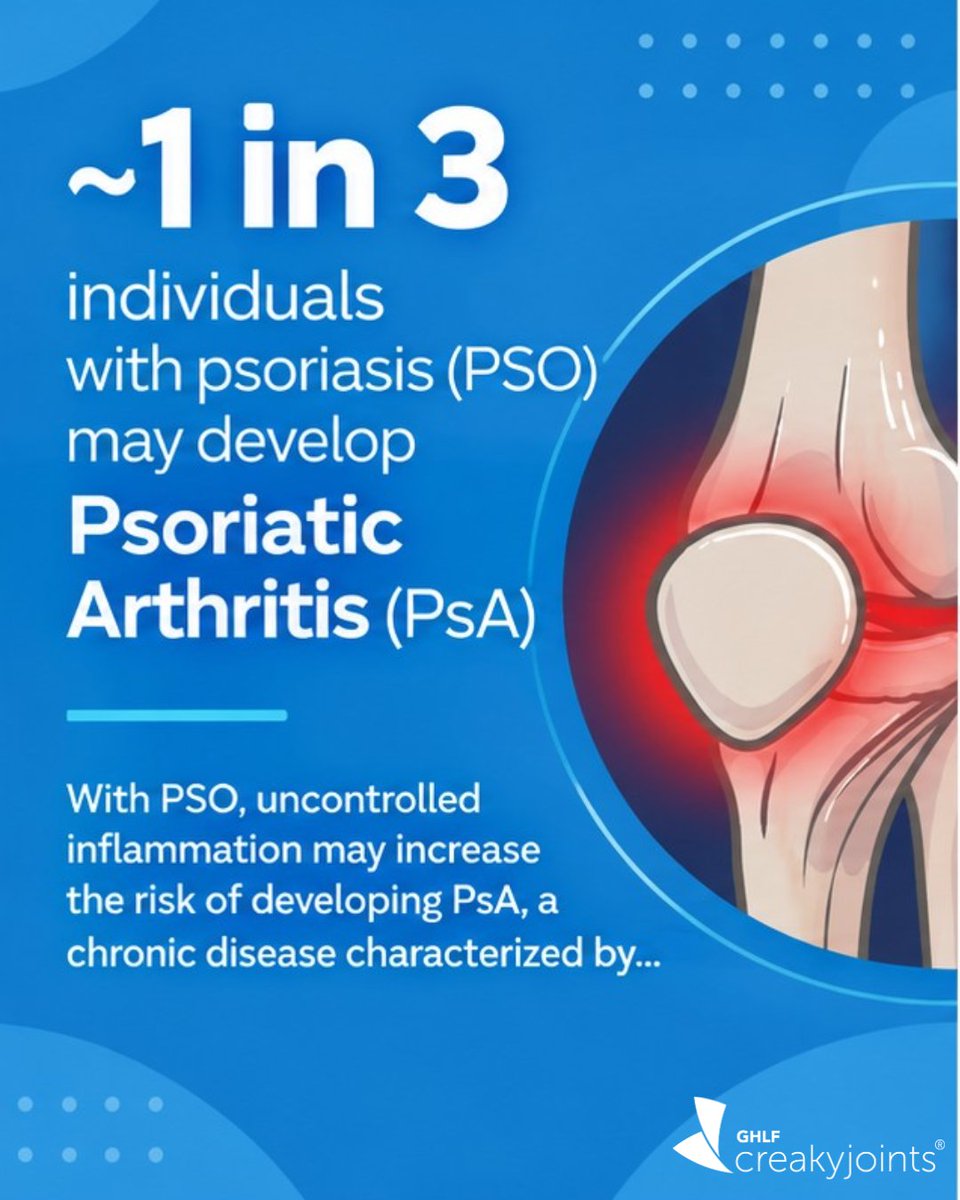
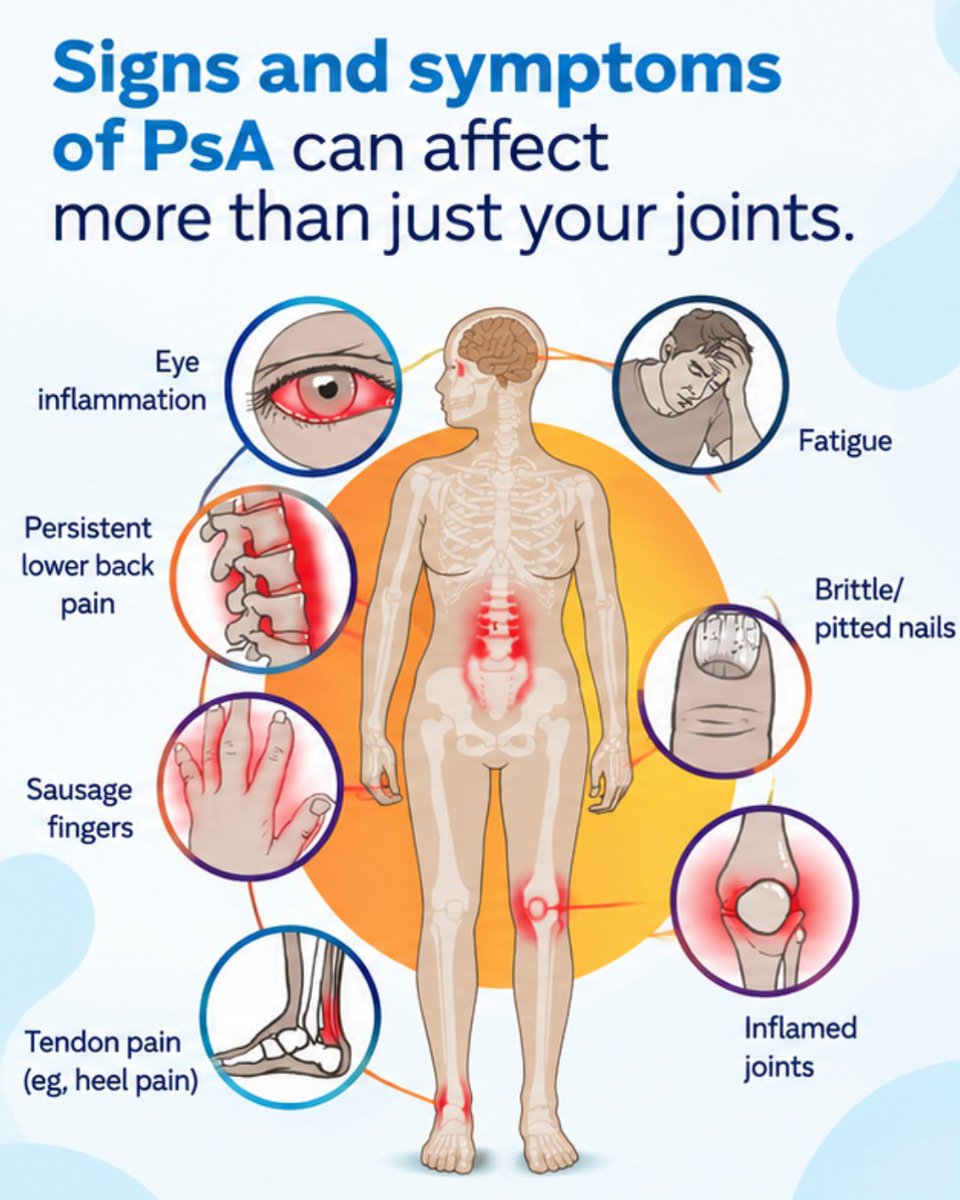
About 1 in 3 people with psoriasis may develop psoriatic arthritis — but would you recognize the signs?
Swollen fingers or toes, heel pain, back pain, nail changes, eye inflammation, and fatigue can all be signs of PsA. If something feels different, it’s worth bringing it up with your health care provider.
Early diagnosis matters. Untreated psoriatic arthritis can lead to permanent joint damage, so knowing what to look for can help you advocate for the care you need.
Hear from people living with PsA and explore resources to help guide your care journey:
https://t.co/qliGeaQBkk
#PsoriaticArthritis #Psoriasis #PsA
Getting a myositis diagnosis can take months — even years.
Because symptoms like muscle weakness, fatigue, and rash can have many causes — and myositis is rare — patients may face multiple appointments and dead ends before getting answers.
Why can diagnosis take so long, and what could help make the road shorter?
https://t.co/a6ZVarg8rK
@shelley_fritz1
#Myositis #WorldMyositisDay #AutoimmuneDisease