Assume the movie had flopped and the director lost his entire $750,000 investment. How many crew members would have voluntarily returned their fees to help offset his loss?
This is the fundamental asymmetry in risk and reward. When someone puts up their own capital and shoulders the real financial risk especially in a high-failure industry like entertainment they alone bear the downside.
Yet the moment the project succeeds, suddenly everyone who was paid upfront wants a bigger piece of the pie. The same people who would not have shared in the loss now feel entitled to share disproportionately in the upside.
If you accept payment for your work regardless of outcome, you’ve already been compensated for your risk (or lack thereof). Why should the person who risked everything not be allowed to reap the rewards when their gamble pays off?
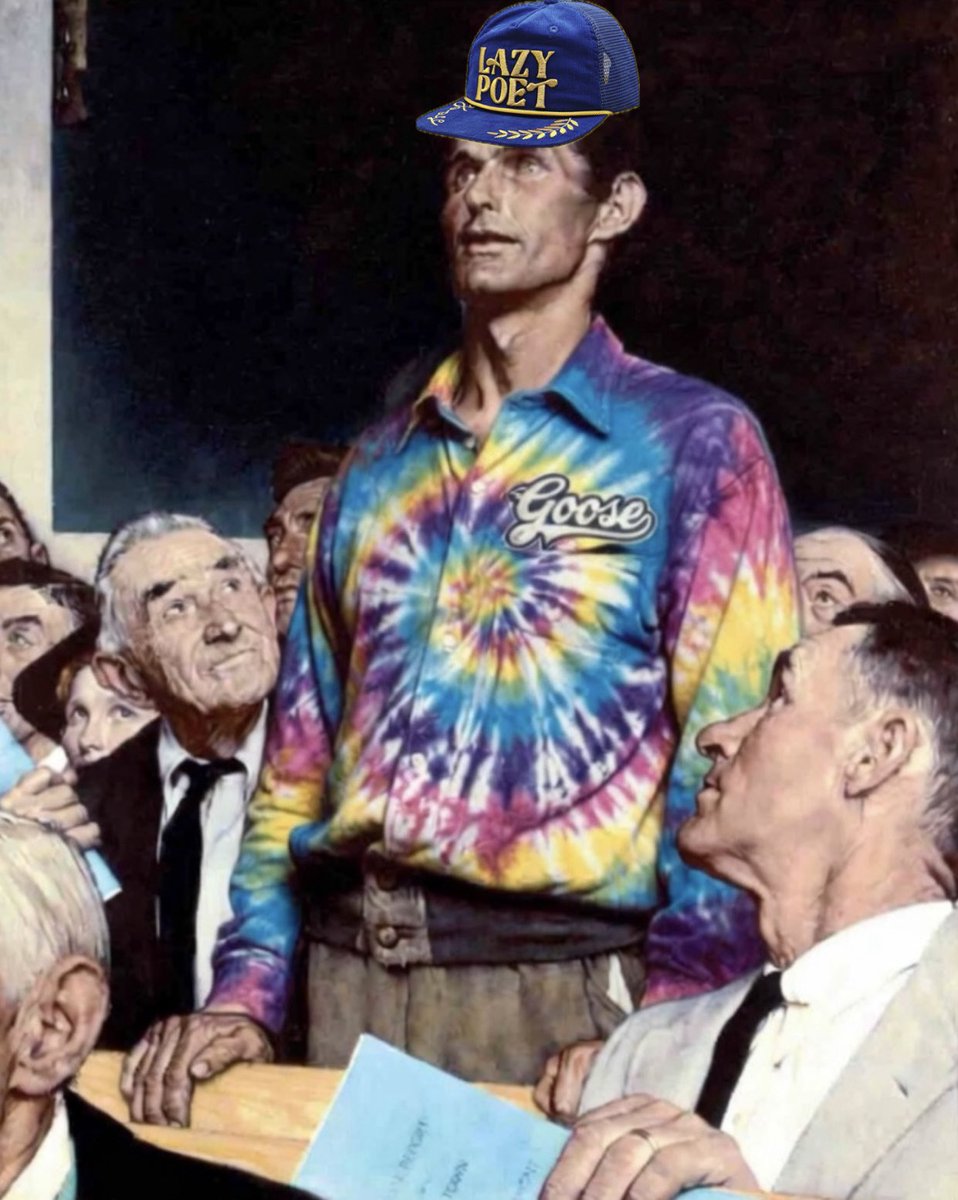
13 years ago today Sturgill Simpson released “High Top Mountain” and I fucking headbanged to “Some Days” for the first time. Core memory. Highly suggest.🐐
One of my favorite tech stories is how Netflix rebuilt itself on AWS.
Netflix didn’t just move to the cloud. They deliberately broke their own monolith into hundreds of services while they were still serving millions of users. Instead of pretending failures wouldn’t happen, they designed for failure as the default state. Instances would die. Networks would partition. Deployments would fail. And the system had to keep streaming anyway.
That’s where ideas like intentionally killing production instances during business hours to force engineers to build resilient systems.
Ownership was brutal and clear: you build it, you run it. If your service went down at 2 AM, it was your pager, not a separate ops team. That single cultural decision shaped everything - stateless services, circuit breakers, graceful degradation, heavy observability.
What I love about this story is that Netflix didn’t win by having the fanciest tech. They won by being honest about reality. Distributed systems fail. Humans make mistakes. So they optimized for fast recovery, not false perfection. That mindset - more than AWS, more than microservices - is what let a relatively small engineering org run a global streaming platform reliably.
Simple idea. Ruthless execution. Massive impact.
@Delta what is up with all the flight cancelations and technical issues with systems at plane boarding? We haven’t been able to leave New York for 2 days now 😭