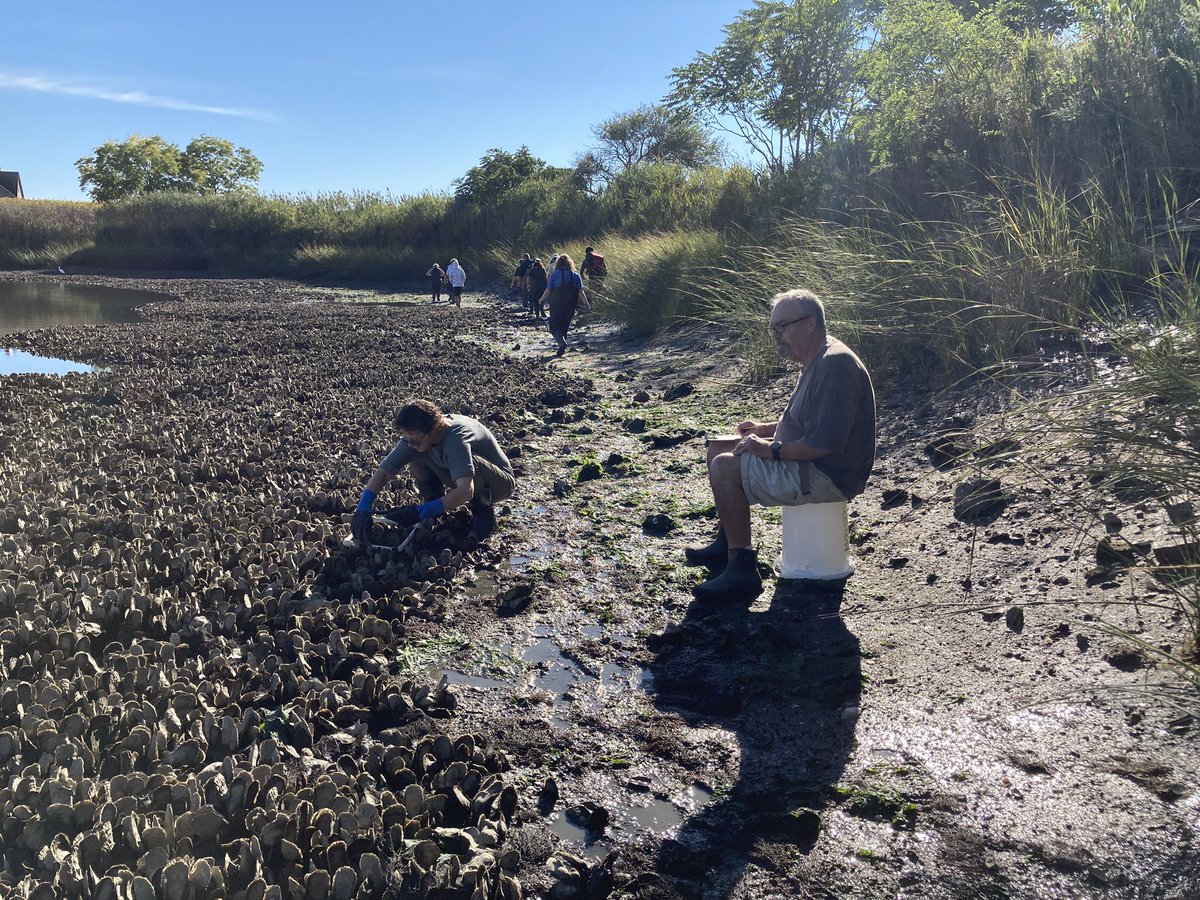
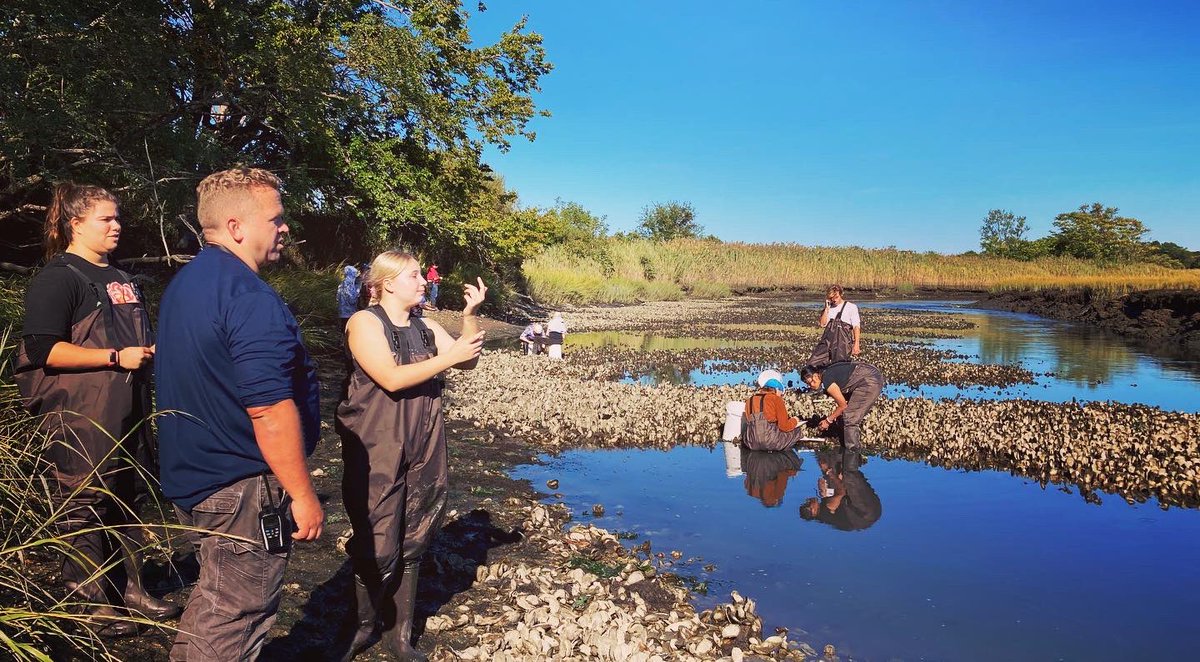
An unexpected find of a healthy, well-established oyster reef tucked away in a shoreline park inspired UConn Marine Science researcher Zofia Baumann to study ways to help these vital ecosystem engineers make a comeback.
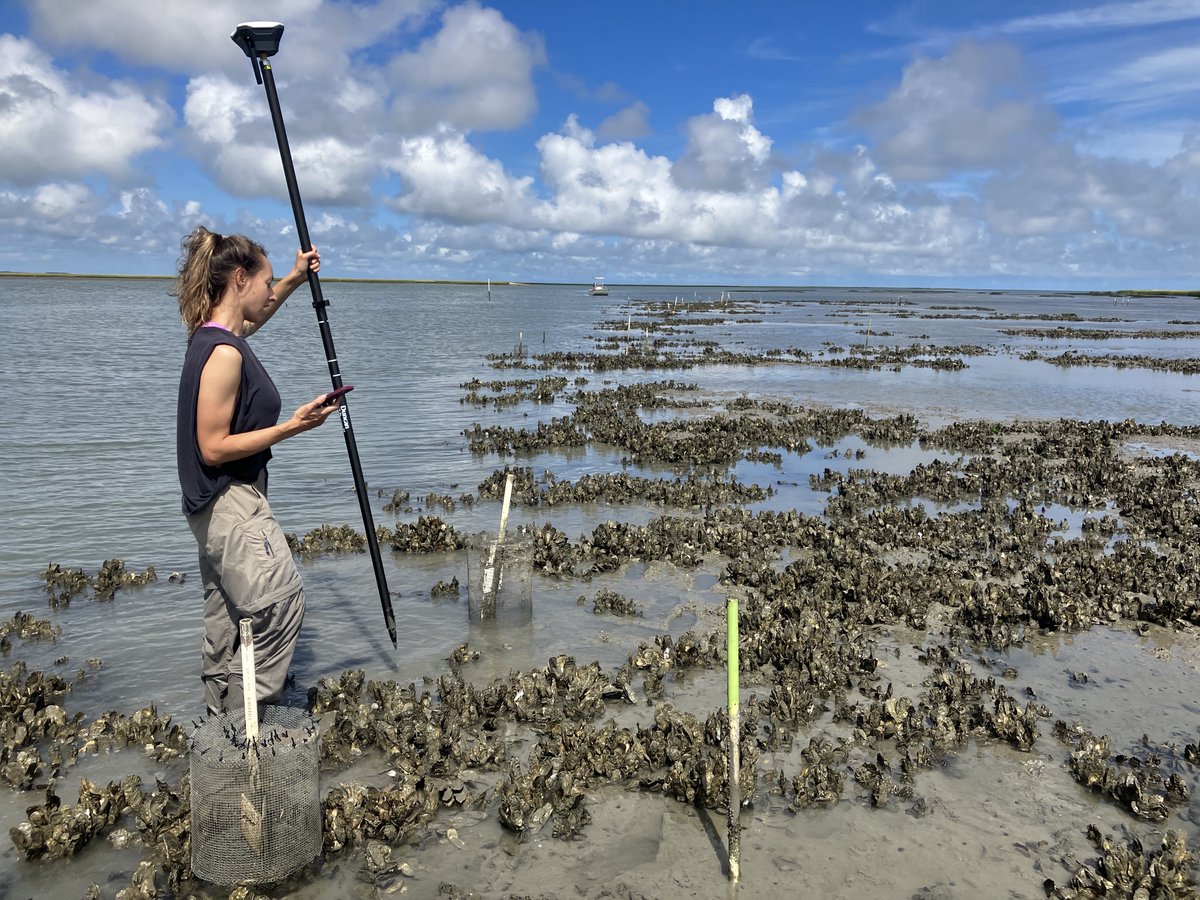
Wanted dead or alive? Or restored? #FishAbundance at #restored#OysterReefs was best predicted by shell height & reef thickness, fish assemblages were similar to natural reefs, & certain fish can be used as indicators of #RestorationSuccess#FeatureArticle
https://t.co/R0TvluyGyt
Shell recycling is a long term process & so very needed to restore reefs that we have lost … but we do have some gems still there revealed by low tide. Community members help understand these hidden gems during monitoring events! #SoundSchool#oystermonitoring#ittakesavillage
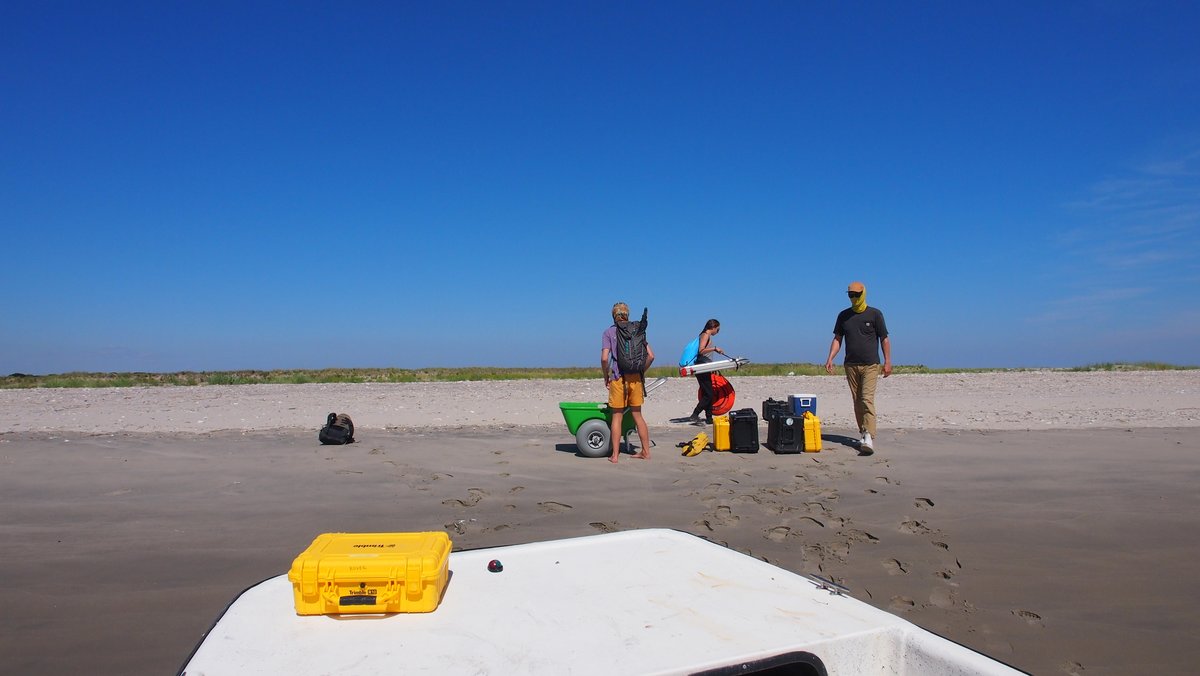
Fall classes started back up, but we're still out here collecting data! This past week grad students and staff were out surveying oyster reefs and barrier island vegetation.
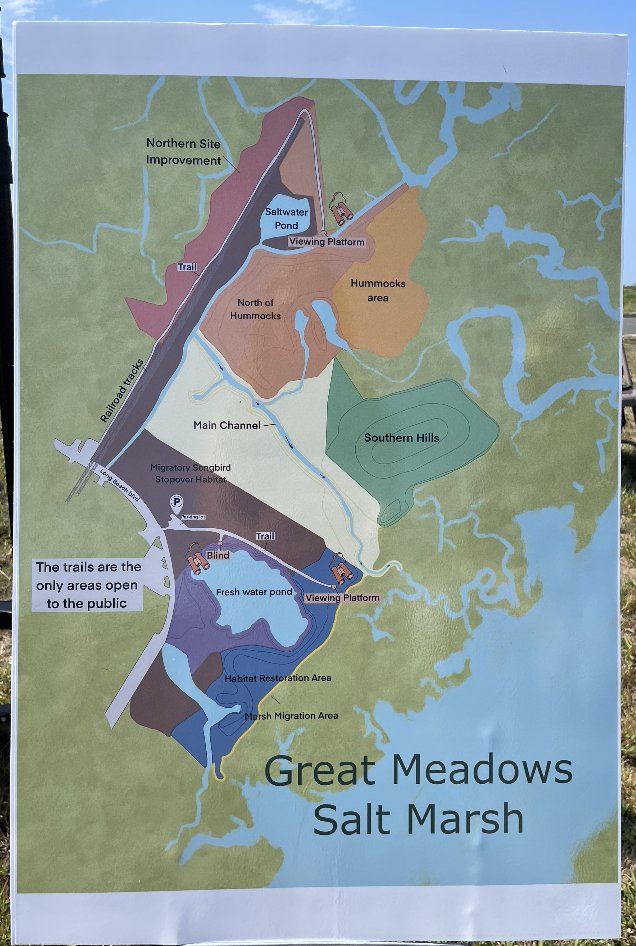
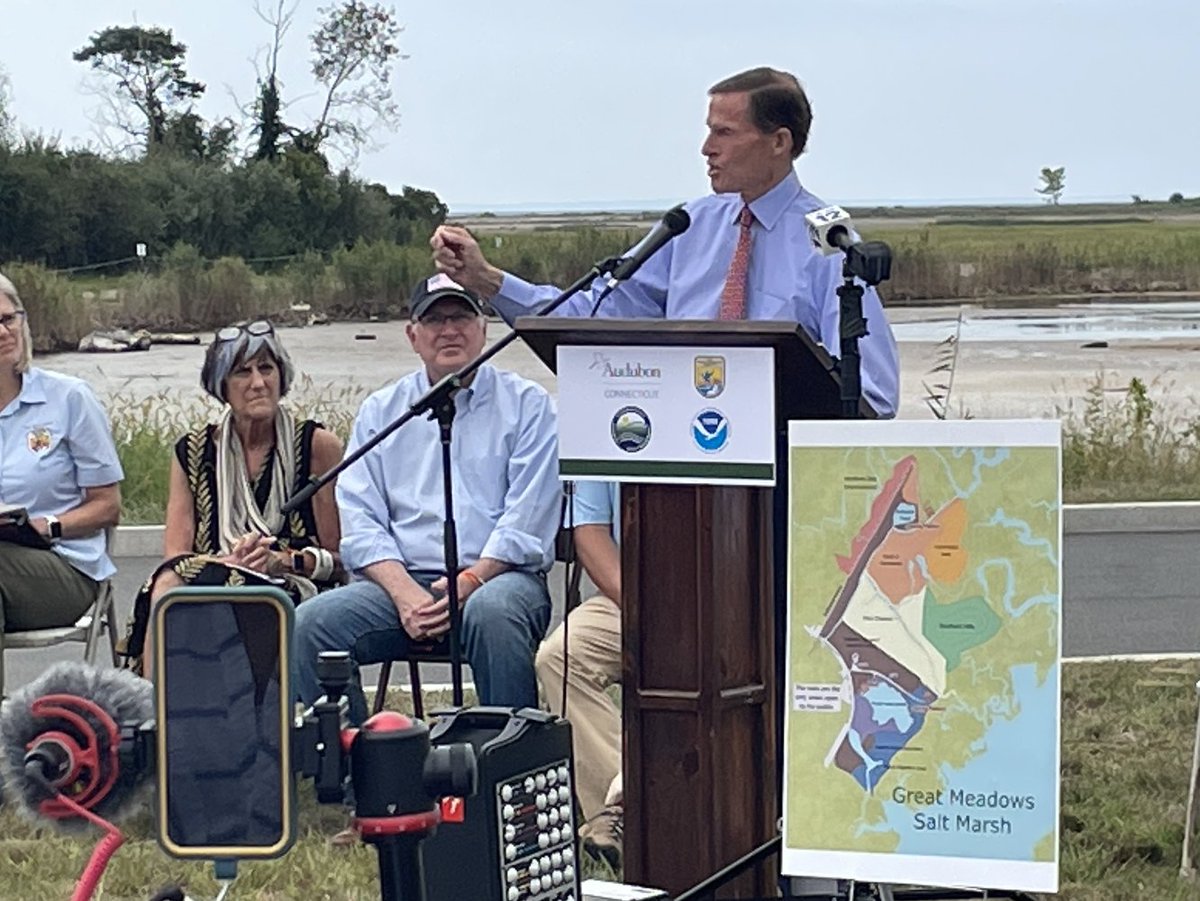
On Tuesday, Audubon CT held a ceremony for the 33-acre Great Meadows Marsh restoration. EPA, through the LISS, provided $2.25 million for the project, which includes removal of dredged soils and invasive plants, and planting of native species. Learn more: https://t.co/blszkL4m09
Bluff Point State Park is one of the Sound's 33 Stewardship Areas and is considered to be the last significant undeveloped area on the CT coast. Bluff Point is also included as a part of CT's National Estuarine Research Reserve. https://t.co/767aAXepwj #sundaysonthesound
The oyster emoji is not perfect but could be worse. Most depict a raw bar style Crassostrea oyster, usually including a pearl. Crassostrea can have pearls but they are not very common, and generally not spherical, lustrous or gem quality.
Did you know: more than 70,000 acres of shellfish farms are now under cultivation in CT’s coastal waters and annually CT shellfish farmers harvest over 200,000 of bushels Oysters. Support your local shellfish farmer on National Oyster Day!