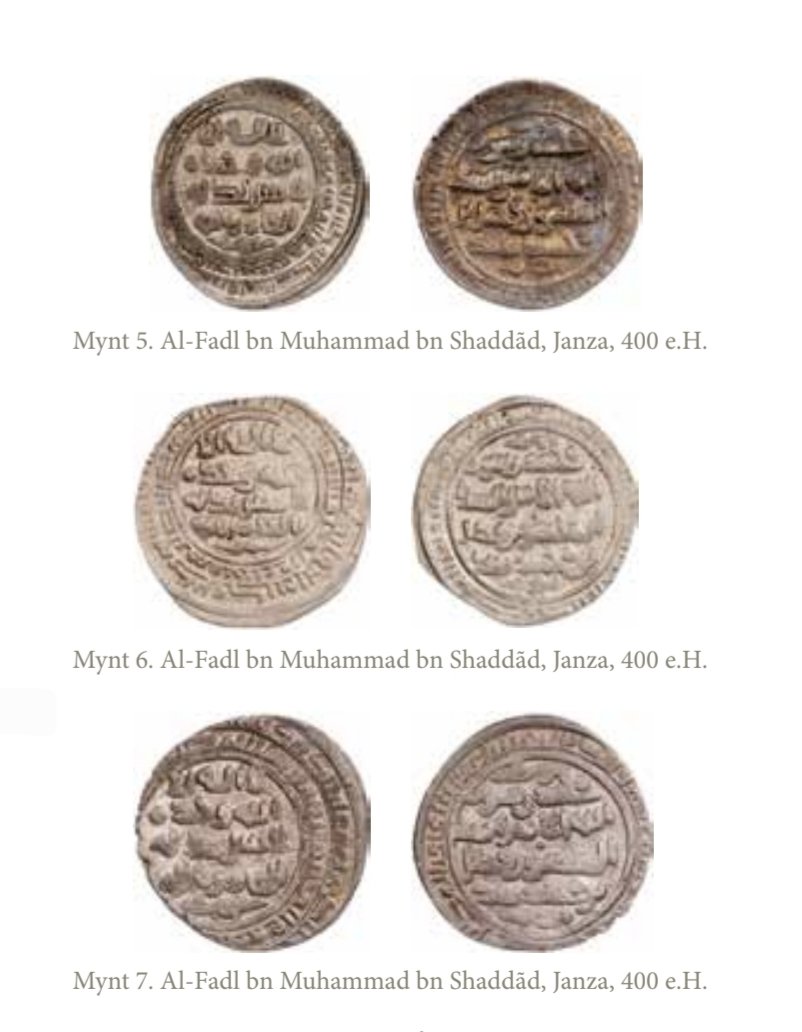
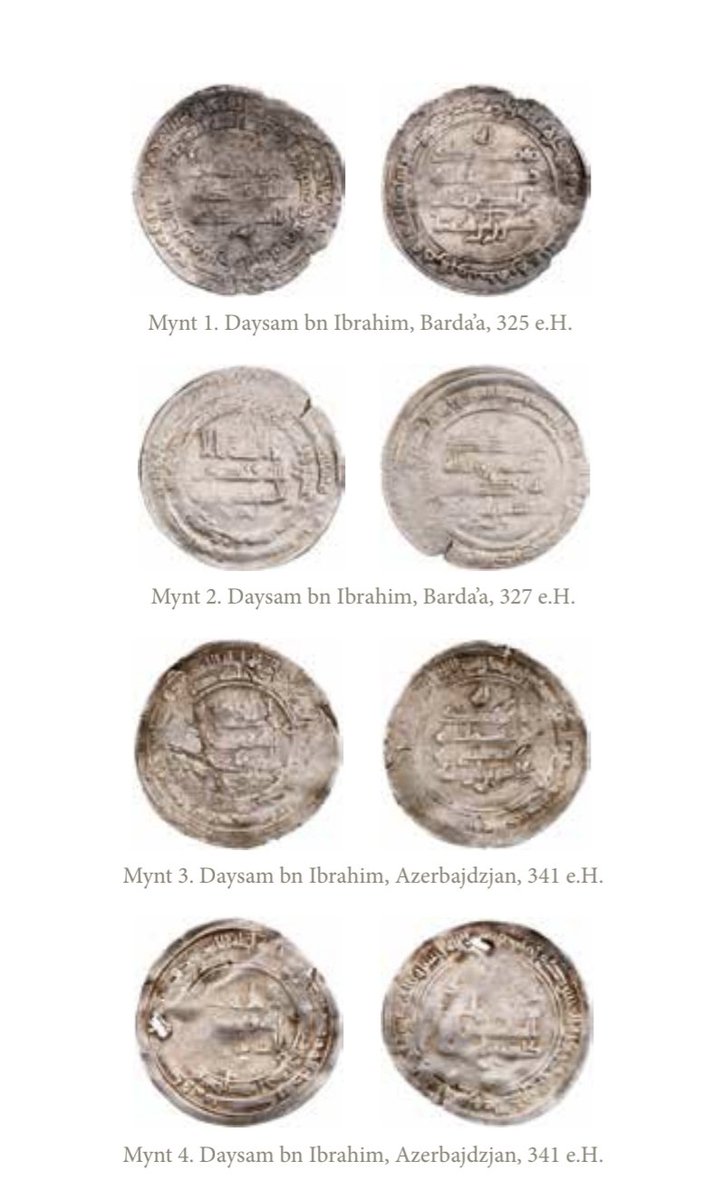
Kurdish coins from the 10th cent. (AD) were discovered a thousand years later on the Swedish island of Gotland.
The coins were minted by Daysam ibn Ibrahim al-Kurdi, the commander of Adharbayjan (938-955) & Fadl ibn Muhammad, emir of the Kurdish Shaddadid dynasty (985-1031).
In her retelling of the last days of the Ardalan dynasty, the 19th-century Mastura Ardalan mentions what is a common theme in Kurdish history.
There is a detail in the Ardalani works of history that deserves mention. The usage of "Kurdistan" was mainly used for the territories under their control, and likewise, the Kurd-label was mainly used for themselves. When the Babans or their dynasty was mentioned in their works, Kurdistan and the Kurd-label went out of the window. They were petty like that.
It is a tragedy because in times of dynastic power and decline, Kurds were there for other Kurds, despite the many battles between the Kurdish dynasties. Even in the final days, it was the Kurds of Baban who opened their homes to the exiled Ardalani aristocracy.
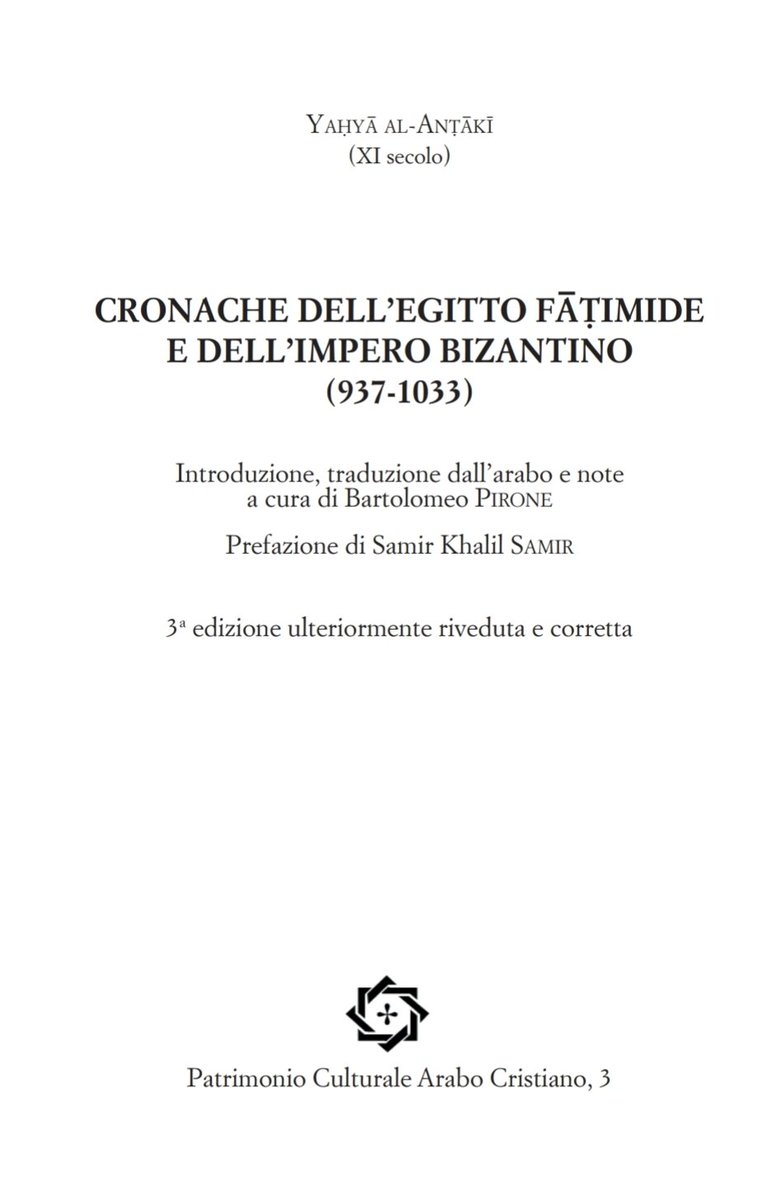
Yahya al-Antaki, writing in the 11th century, recounts how the rebel al-Zugaylī, from Tarsus, seized Antioch in the 10th century. The city was then governed by the Kurd Alūsh, who had many troops. Al-Zugaylī decieved and killed Alūsh; his men fled, and the city was taken.
If Turkic tribes owed their success to their ethnicity, why didn’t they build great states or empires in Central Asia? Why did they only succeed after assimilating into the cultures of Iran and Anatolia?
The proposed link between the Kurdish Ayyubid Rawādiyya and the Arab Banū Rawwād needs to be revisited. This theory still has major historical, genealogical and chronological gaps that need addressing.
Great work by @HemdadArwandi
A Kurdish female ruler. An unexplored source of Kurdish history. The royal court of Shah Safi. The Ardalan royal family's involvement in the fate of a captured Kurdish ruler. A story worthy of an epic movie.
This is the first English translation of an episode recorded by the Safavid chronicler Iskandar. Many more stories of this kind remain buried, unknown to Kurdish readers. As for this, it is too epic to be in need of a commentary. I shall remain silent, for fear of being melted by the Divine Light.
İdris-i Bitlisî'nin 1515 civarında Sultan Selim'e yazdığı mektupta, Diyarbekir ve civarı Bilâd-ı Ekrâd, yani Kürtlerin Ülkesi (Kürdistan'ın Arapça karşılığı) olarak anılıyor
The document dates back to May 28, 1935, and concerns a letter sent by a group of Kurdish notables from the Efrin region to the League of Nations in Geneva, requesting self-administration for the Efrin region
🇬🇧 Dersim political situation c. 1840: tribes, confederacies and lordships before the Ottoman sancak
🇹🇷 1840 civarinda Dersim: Osmanli sancaği öncesi aşiretler, konfederasyonlar ve beylikler
@hrjdjw4862@Ethanol_alt Don't be silly. Though a small community, Kurds have been recorded in Antakiya for over 1,000 years and still live there today. Medieval chronicles, Ottoman records and the 1936 census document their presence. Nearby Afrin and Kurd Dāgh are part of the wider Kurdish homeland.