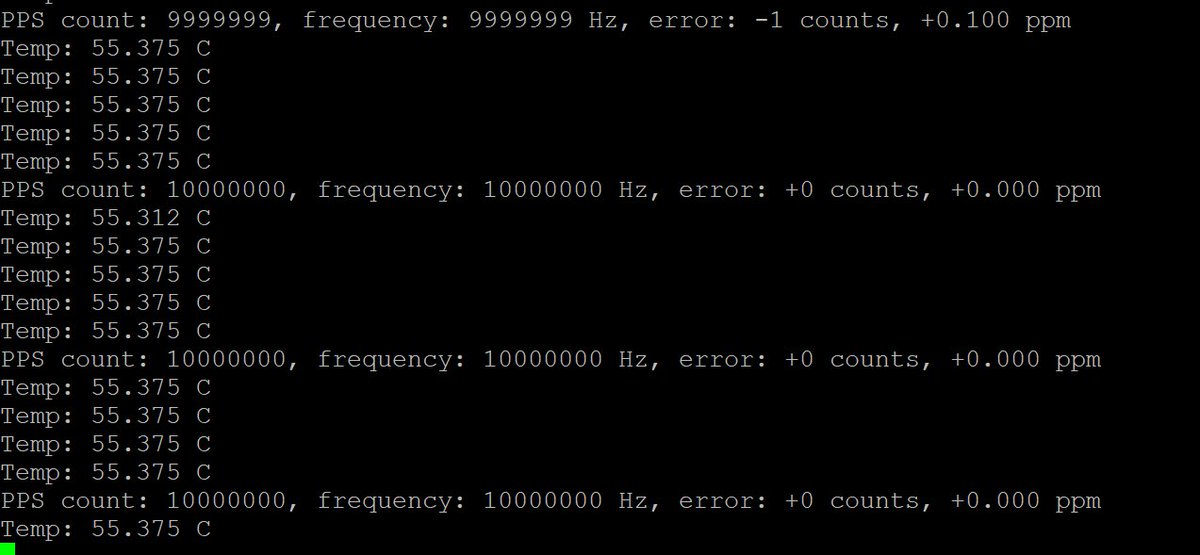
After some more fine tuning by hand I measured the time it takes to miss 1 cycle in the 10 MHz signal, taking nearly 75 s as measured over 5 times. This makes the reference as close to nearly 1.3 ppb !!!
@dosdude1 Can it run iPad os or something like that with just some configuration such as straps.. In an iPad then can i change the straps to run MacOS? What could stop it signed/fused A18 chips?
@RueNahcMohr Use a brushed DC motor in place of the reed switch.. it solves the problem of not burning out the reed switch much
I used to do this as a child as a fast HV generator.
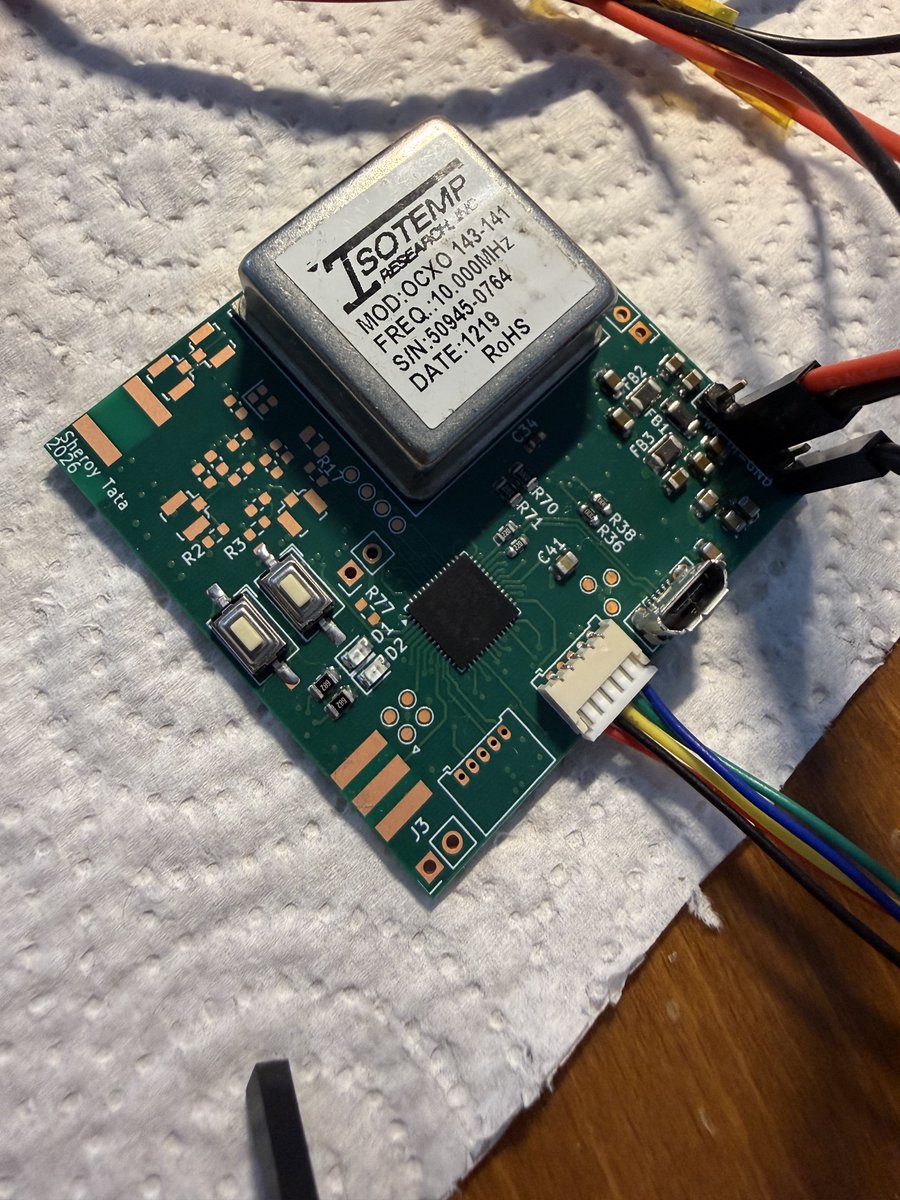
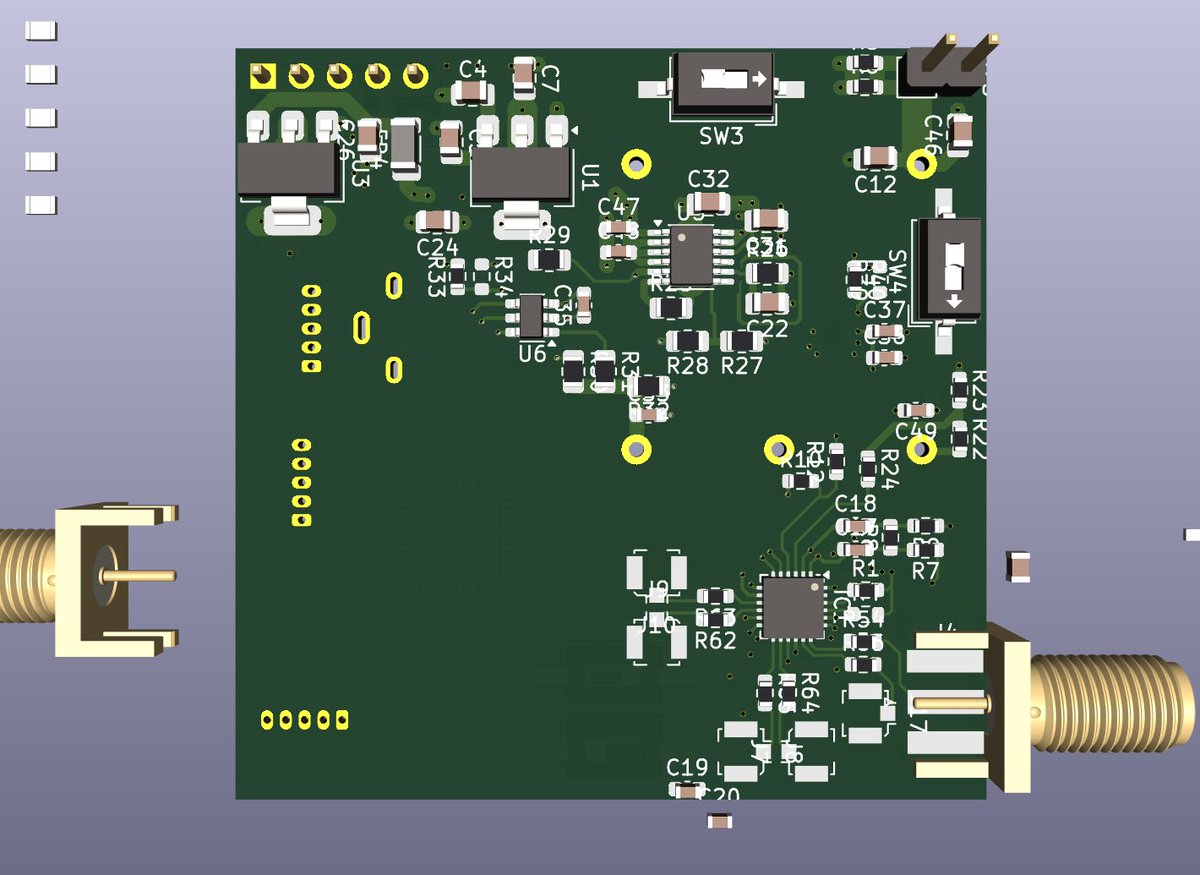
Almost complete, need to fine tune.
Almost missed one feature :: When the 2 boards are away, need to track the number of periods of the OCXO on long term and compare with a sync pulse.. added it.
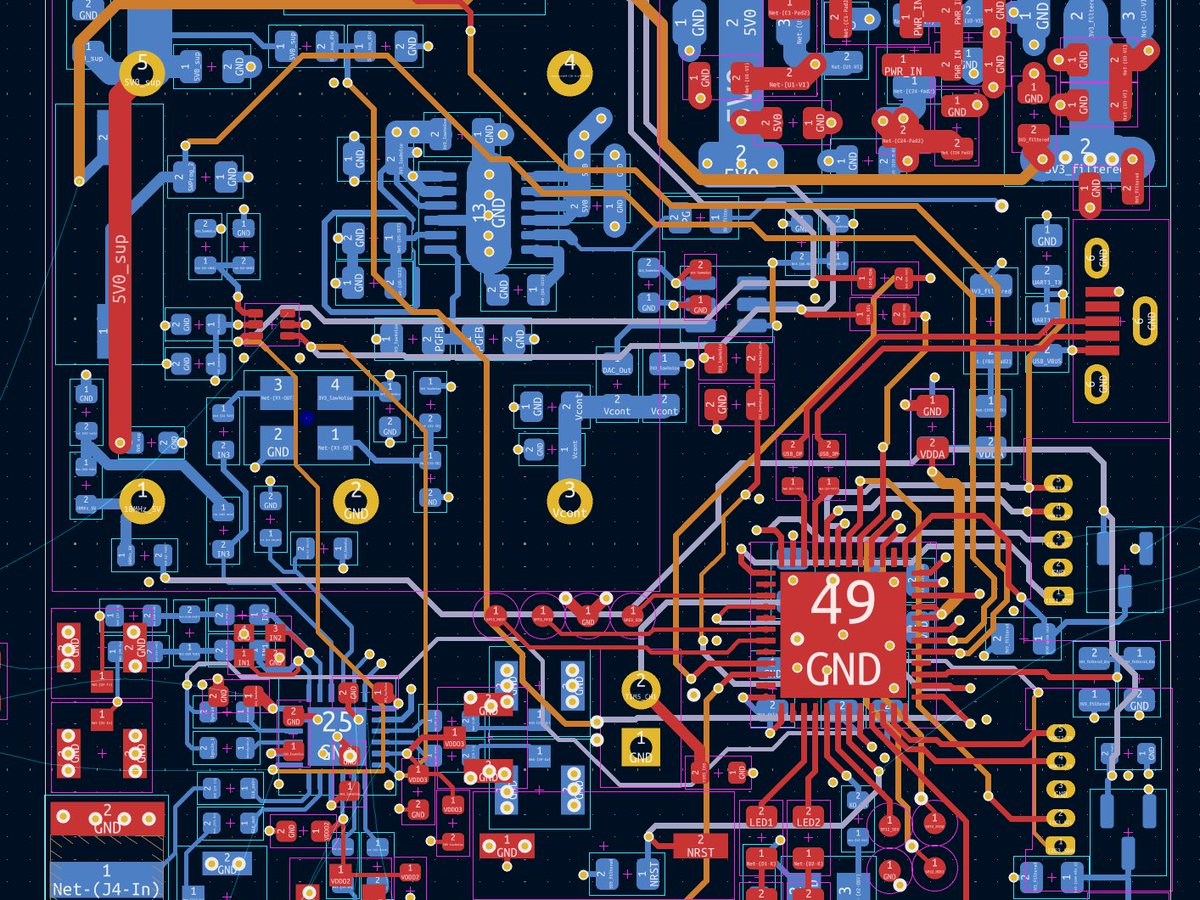
Board space is valuable had to replace connectors with test points.
The design is coming along, the power supply is done. Left is the PLL synth and the STM32 and the routing around it
The OCXO takes up a lot of board space along with keeping “low noise” nets far from the input and OCXO output
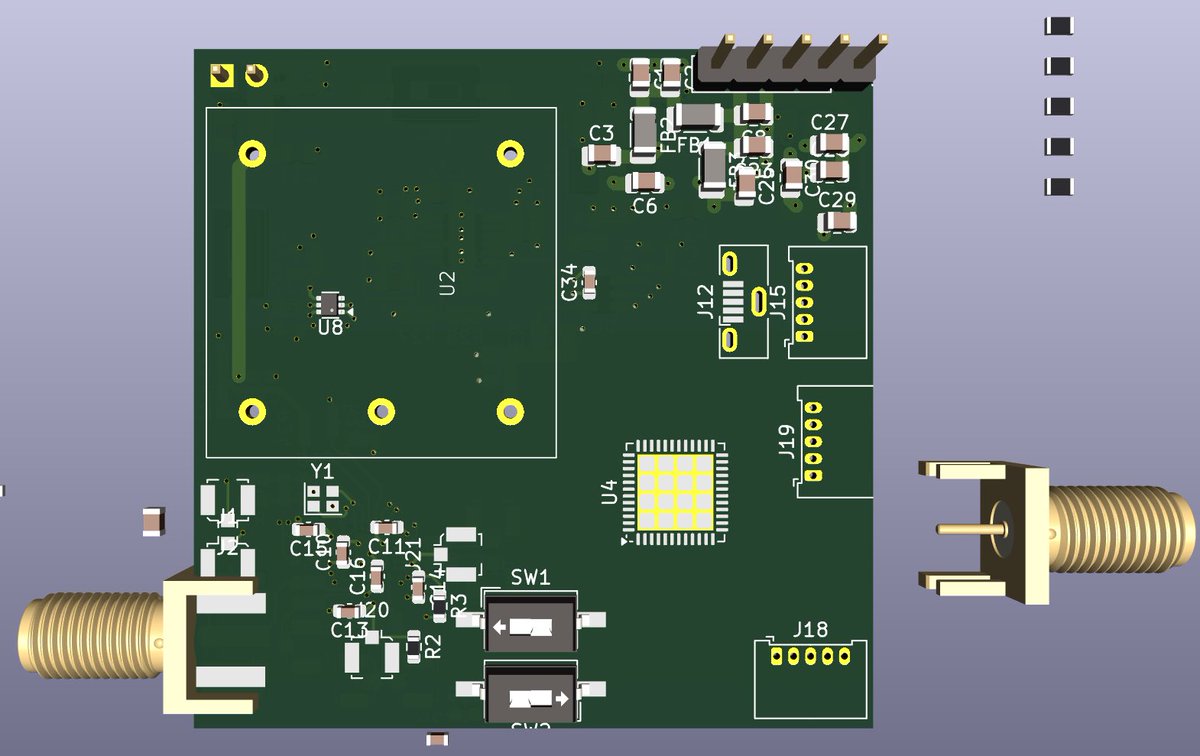
Designing a stable clock reference with an OCXO and DAC at the control input such that 2 separate modules can be in sync.
Logging sync is conducted by an STM32
The design includes a PLL clock gen
Do you think all this can fit on a 50 mm x 50 mm 8 layer PCB?
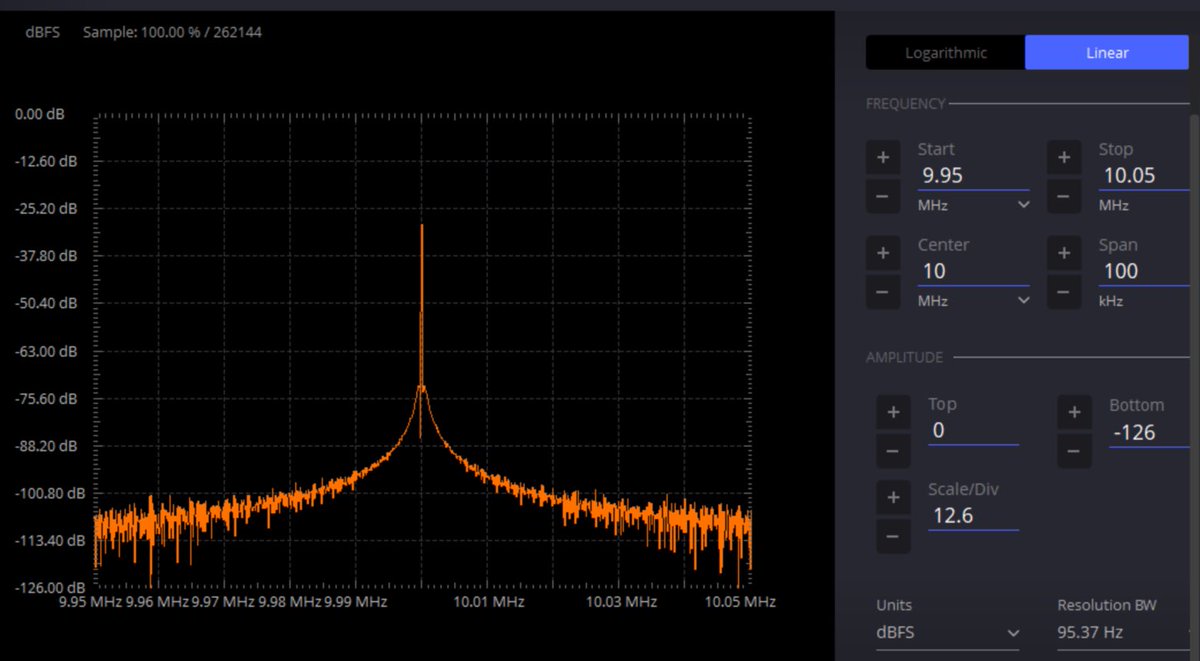
It looks like the spectral quality of my reference oscillator is BAD!!
Below is the spectrum from the reference oscillator vs an OCXO!…
Need to drive my clock generator with an OCXO to get better!!!
Note the spurious tone at about 25.004 MHz!!
Even cheap hardware is cool.