🏆 Our aim at @Southern_NHSFT is to provide the best possible experience and outcomes for the people who use our services, their families, and carers
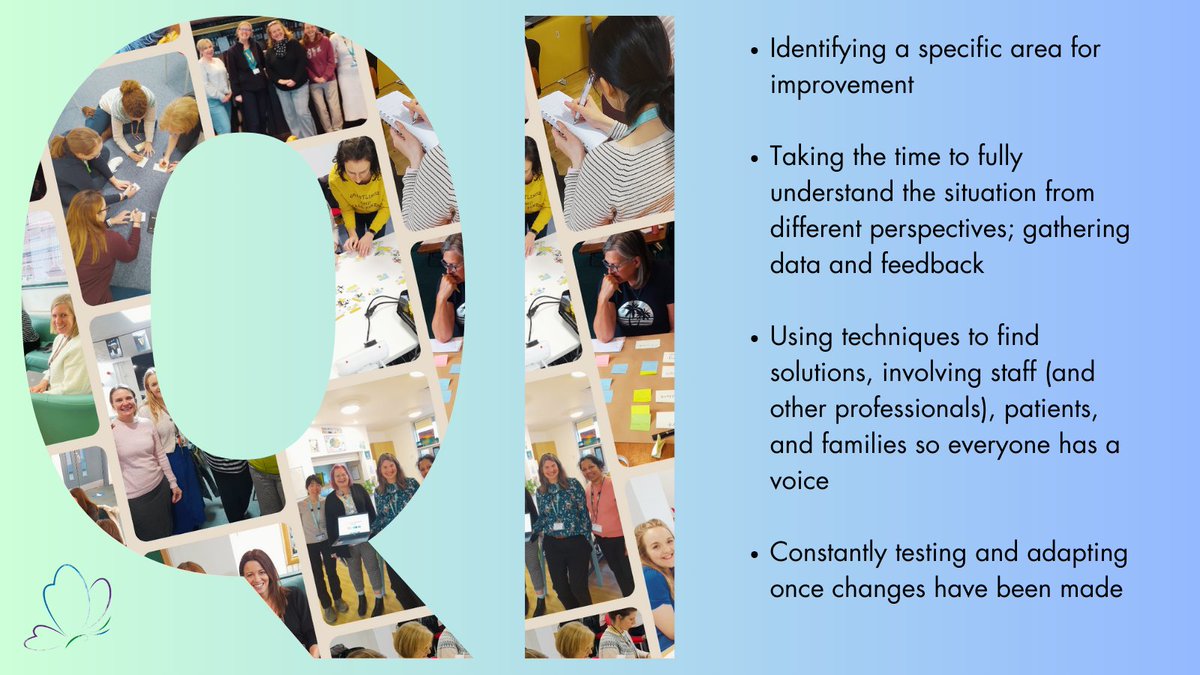
📈 By using the QI approach, we can equip staff with a standard set of tools to enable them to improve their services
#SHFT#QI
Thank you to Amanda and Karen🥳
Demonstrating observation, mapping processes and what this means for next steps when deciding on value vs time saved!
And to Lisa, who's project safe-proofed an existing process🛟
https://t.co/QaTzIJKFsf link to the presentations 📷#QIweek2024
Well done to Anya and Claire!😁
Evidencing their understanding of observation, mapping processes, designing processes without waste!
Find out more about the QI projects presented at the https://t.co/QaTzIJK7CH link to the presentations 💡#QIweek2024
We are so proud of Julie and Nikki 🌟
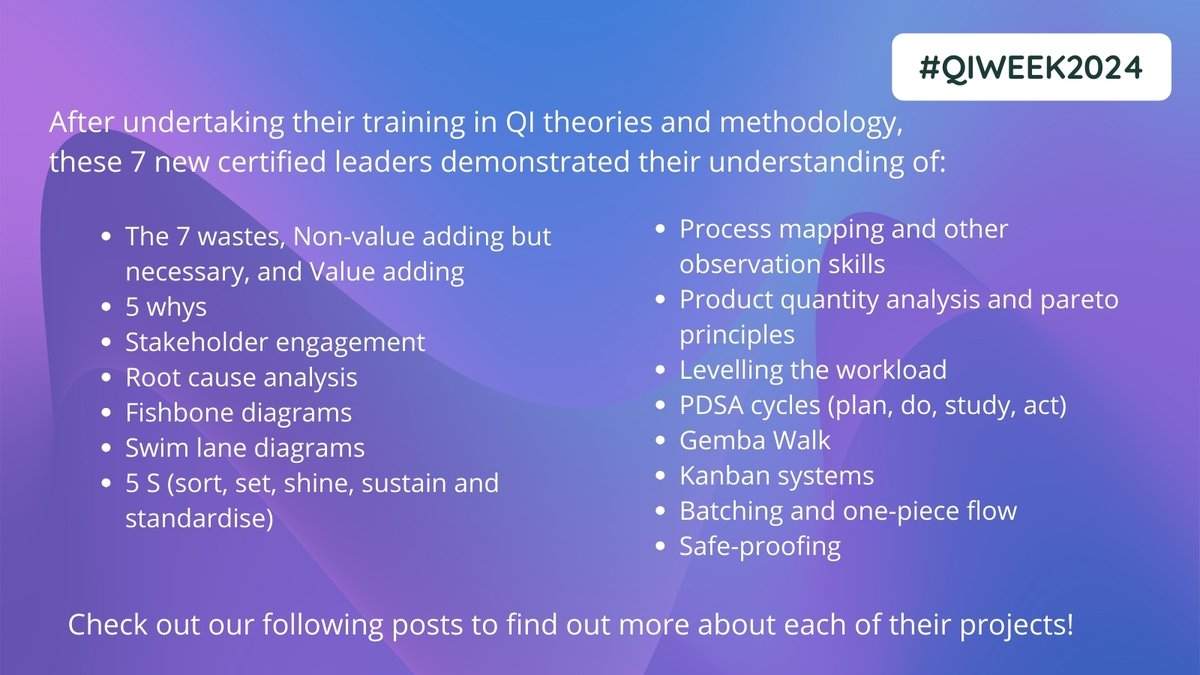
Find out more about the QI projects presented at the QI certified leader celebration event! Excellent demonstrations of the process of improvement, and PDSA cycles 🥳
https://t.co/QaTzIJK7CH link to the presentations
#QIweek2024
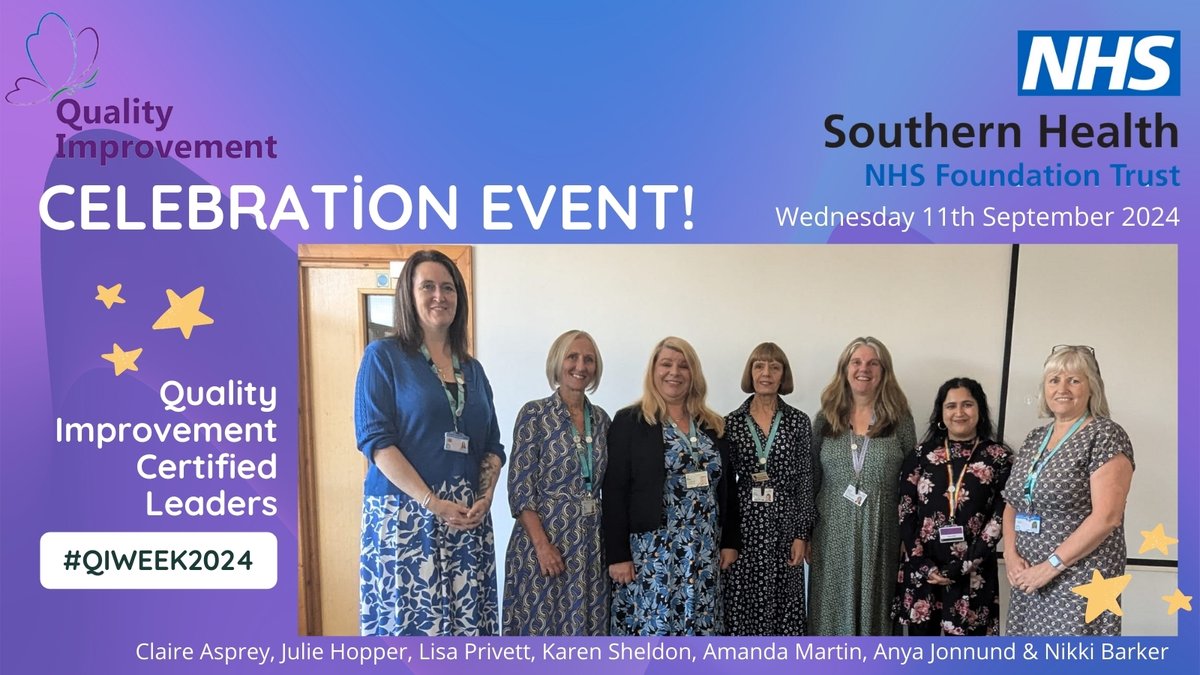
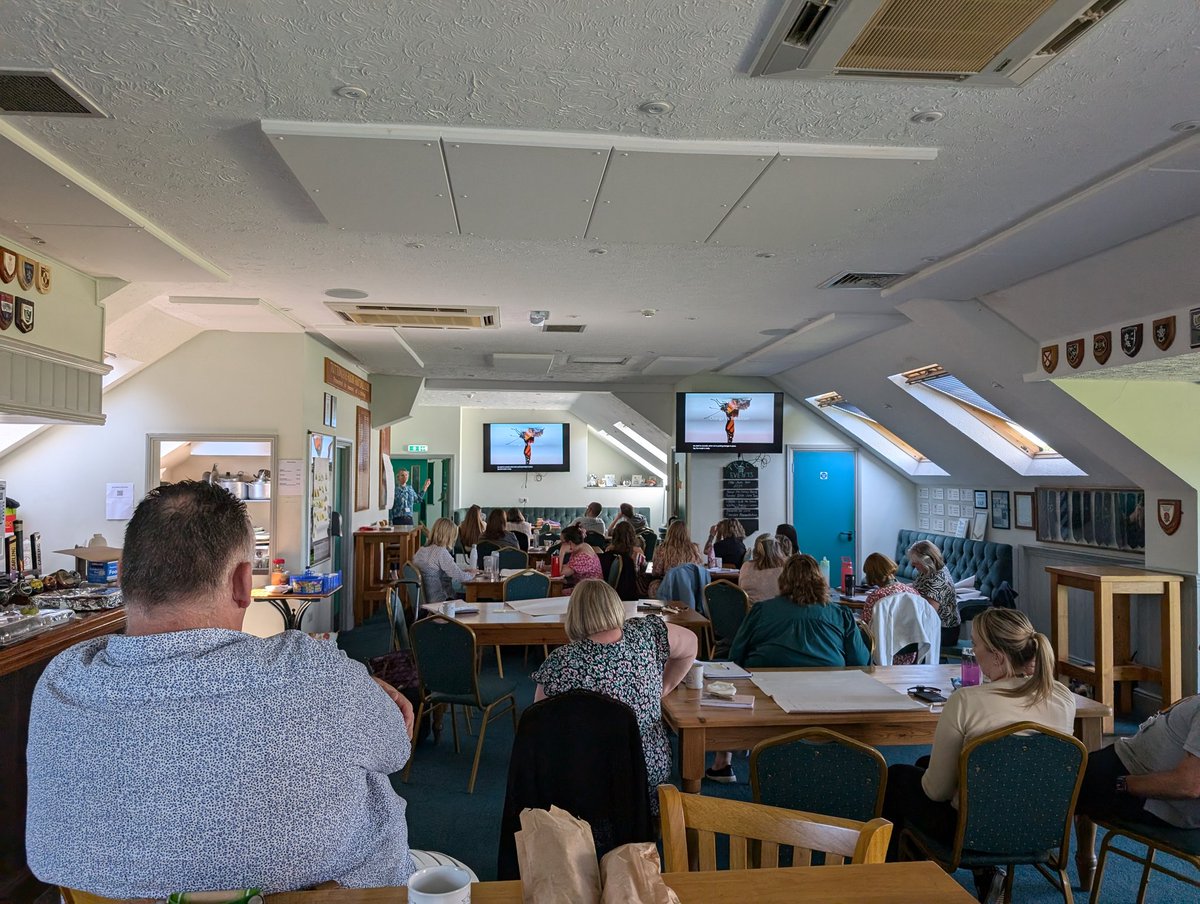
Today, we celebrated our newest QI certified leaders from the Specialist Services division! 🌟
Stay tuned for the rest of #QIweek2024 to find out more about their projects! 👀
@solentacademy @katewalters77 @Southern_NHSFT
Shout Out for Improvement: Congratulations to Yvonne Banda. For more flexible visiting for families/carers. This created many therapeutic benefits for patients as well as increasing staff capacity. #QIweek @Southern_NHSFT
Shout Out for Improvement: Congratulations to Elaine Comez, for including patients in their ward round, supporting communication in the ward environment and reducing incidents. #QIweek @Southern_NHSFT
Shout Out for Improvement: Congratulations @Rebecca98455 who used QI skills to reduce usage of temporary accommodation by 50% and ensuring patients are in the right place for their needs and also saving £££. #QIWeek @Southern_NHSFT
Rachel is up next with a fascinating project talking about how to release yourself from the burden of email. This project spread across the Trust could unlock so much valuable time. And more importantly improve staff fulfilment and joy at work.
#EmailFreedom#QualityImprovement
The last session of the day is @suze77. Talking about how to support and work well through system change. Large scale change isn't easy, trust the process and use the strengths of those involved - empower them!
#change#bridges#transition
Up next was @NathanClifford talking about authentic co-production and how vitally important it is.
Everyone in the room was asked to make a pledge about what they are going to do now or next time they make any changes or improvements.
#copro#coproduction#QI#BeAuthentic
We now have @StevensLesley, our director of improvement and engagement! Really pleased and refreshing to hear about a renewed drive for quality improvement. "Creating a culture of improvement" is a key message. Empowering people to use their QI skills and use of lived experience.
Charlotte Radmore taking the floor to share her work regarding safer medicines administration 💊
Really making a difference for our patients and our staff - keeping everyone safe.
#medicinemanagement#QI#QualityImprovement
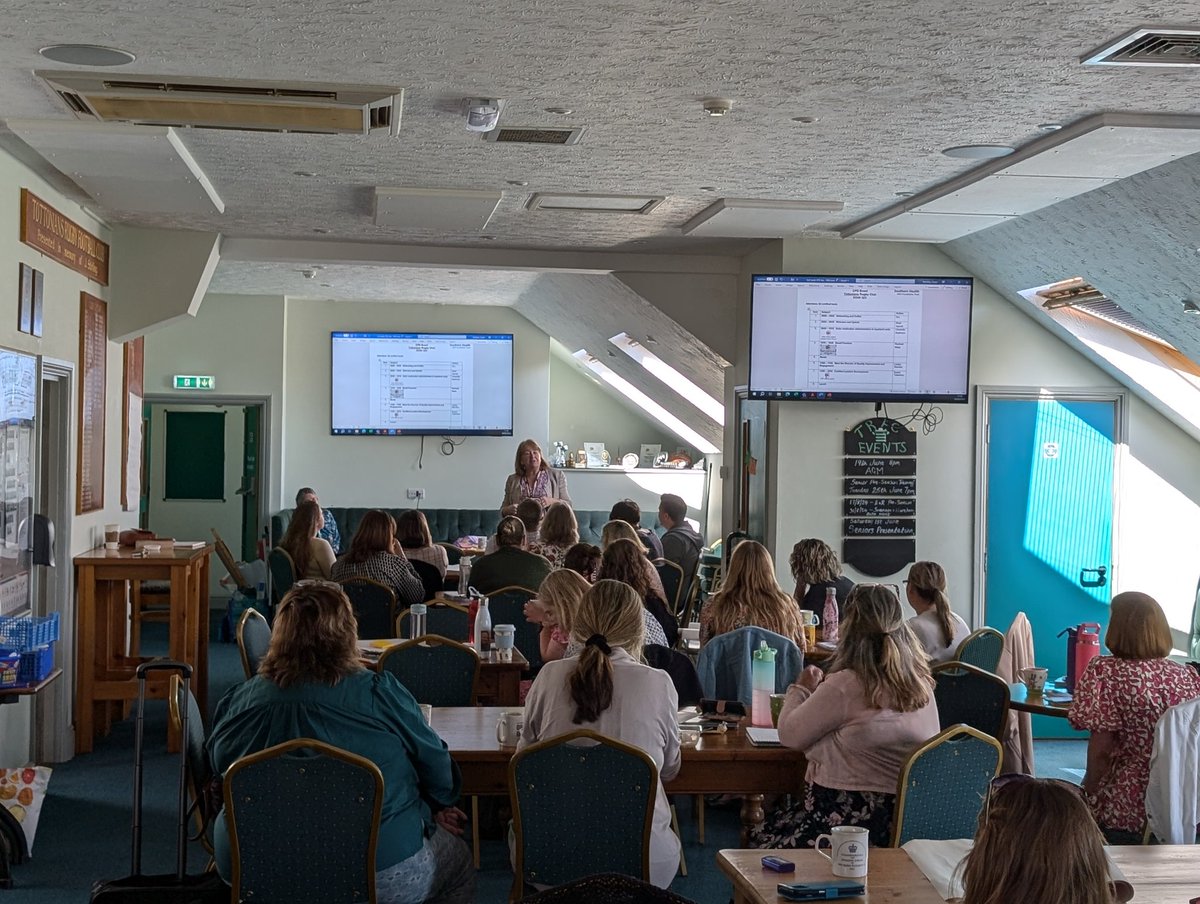
Kicking off the QI certified leaders CPD event with asking everyone who has used QI tools and concepts in the last month to stand up. 🧑🤝🧑
We have a mix of colleagues from all over the organisation and beyond. Great buzz in the room. 💥📈
#QI#QualityImprovement#Fusion
Kerry Walsh, Primrose Ward, OPMH, celebrated project on reducing medication errors, using key QI concepts. Esuring nurses are given time to deliver the right meds, with pt discussion, improving treatment efficacy as well as reducing errors. @Southern_NHSFT
We are all too busy
Time is flying by
We have no time to do things
The only way to make time for things that matter is …to STOP doing things that don’t matter
⏰
We always need to consider our improvement projects in the context of the bigger system of which they are part. Otherwise, there's a risk that by working on discrete parts or processes, we might have a negative impact on the wider system & unintentionally make the overall system of care (as experienced by people who use our services) worse. Great graphic via @Sys_innovation@TCI_ca
I have been asked for advice about improving organisational culture. My view? DON'T start by setting up a "culture change" programme or a direct "culture" intervention. Culture gets changed when people start doing real work differently. Culture change is a byproduct of wider improvements. See for instance: https://t.co/rwNoixl4GJ. Via @HBSWK
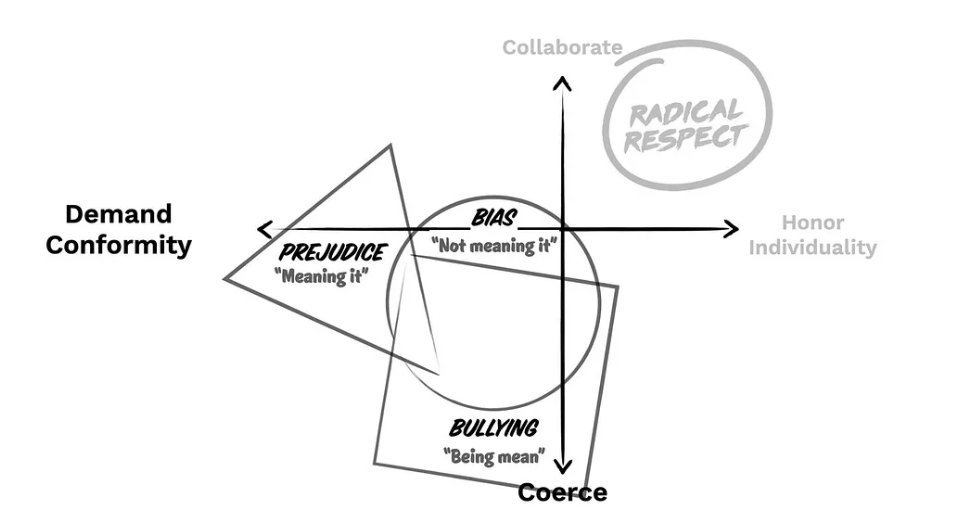
Many people in health & care have been inspired by the book "Radical Candor". The author, @kimballscott has recently published a second book: "Radical Respect". This kind of respect is something we owe to everyone - not something that needs to be “earned.” It means having regard for the feelings, wishes, rights & traditions of others. It brings many benefits to workplaces that do two things at the same time:
1) Optimise for collaboration, not coercion.
2) Honour individuality & don’t demand conformity
What makes it radical is that it rarely occurs:
https://t.co/pQWcIalJzo Via @bigthink, @DavidGurteen