This is a very well written article by Mr. C of Hong Kong, China.
Following the outbreak of the US-Iran war, gold prices unexpectedly fell instead of rising. This caught many investors off guard — particularly those who believed that gold should be bought during times of geopolitical turmoil — resulting in heavy losses.
The market has offered various explanations for this counterintuitive phenomenon. Some attribute the decline in gold prices to a severe liquidity crunch. The fear triggered by the war prompted investors to sell assets aggressively to raise cash. As a result, apart from oil prices surging sharply, almost all other asset classes experienced heavy selling pressure, causing prices to fall rapidly. Leveraged investors, in particular, may have faced margin calls. With gold being one of the few positions still showing a profit, many were forced to sell their gold holdings to meet these calls and cover urgent liquidity needs.
Another explanation is that the sharp rise in oil prices could fuel inflation, prompting the Federal Reserve to reverse course and resume interest rate hikes. Since gold yields no interest and incurs storage costs, higher interest rates would highlight the opportunity cost of holding it, encouraging capital to exit the gold market.
A third theory suggests that countries already facing economic difficulties saw their currencies come under severe pressure after the war broke out. Central banks of these nations had little choice but to sell gold reserves and use the proceeds in US dollars to buy back their own currencies in order to support exchange rates. Turkey was cited as a clear example of this behavior.
Additionally, the countries directly involved in the conflict are major oil producers with substantial “petrodollars” that they normally invest globally. Once hostilities began, their oil exports were disrupted, causing a sharp drop in revenue. As a result, they were forced to sell gold to generate emergency liquidity, adding further downward pressure on gold prices.
While all the above explanations sound plausible, the true underlying cause of the gold price decline remains unclear. In any market, both bullish and bearish factors always coexist. Therefore, regardless of whether prices rise or fall, it is never difficult to find seemingly logical explanations after the fact. The real question is whether these explanations can reliably guide future investment decisions.
If we follow the logic of the reasons mentioned earlier — that war causes gold prices to fall — then one might assume that any signs of peace or reconciliation would lead to a rebound in gold prices. However, I believe this may not necessarily be the case. In my view, whether gold prices rise or fall after the war will ultimately depend on which side emerges victorious.
The victor will seize the spoils of war, gain control over the redistribution of regional resources, and exert significantly greater influence over the global order.
I believe the main reason gold prices fell sharply in the early stages of this conflict is that the United States achieved a swift and decisive victory. By eliminating Iran’s top leadership in one stroke, the US created the possibility of regime change and the installation of a pro-American government in Iran. Should the US succeed in this strategic objective, it would bring the majority of the world’s oil resources under its effective control. If America could then persuade Russia to join it in containing China, China’s rise might be stalled due to energy shortages. This would remove China as a major strategic threat, allowing the United States to solidify its position as the unchallenged global hegemon. In such a scenario, no country would dare push for de-dollarization. Anyone showing the slightest defiance could be dealt with in the same manner as Iran.
Gold should have exploded when the Iran war started. It did not. Understanding why it did not is more important than the price itself.
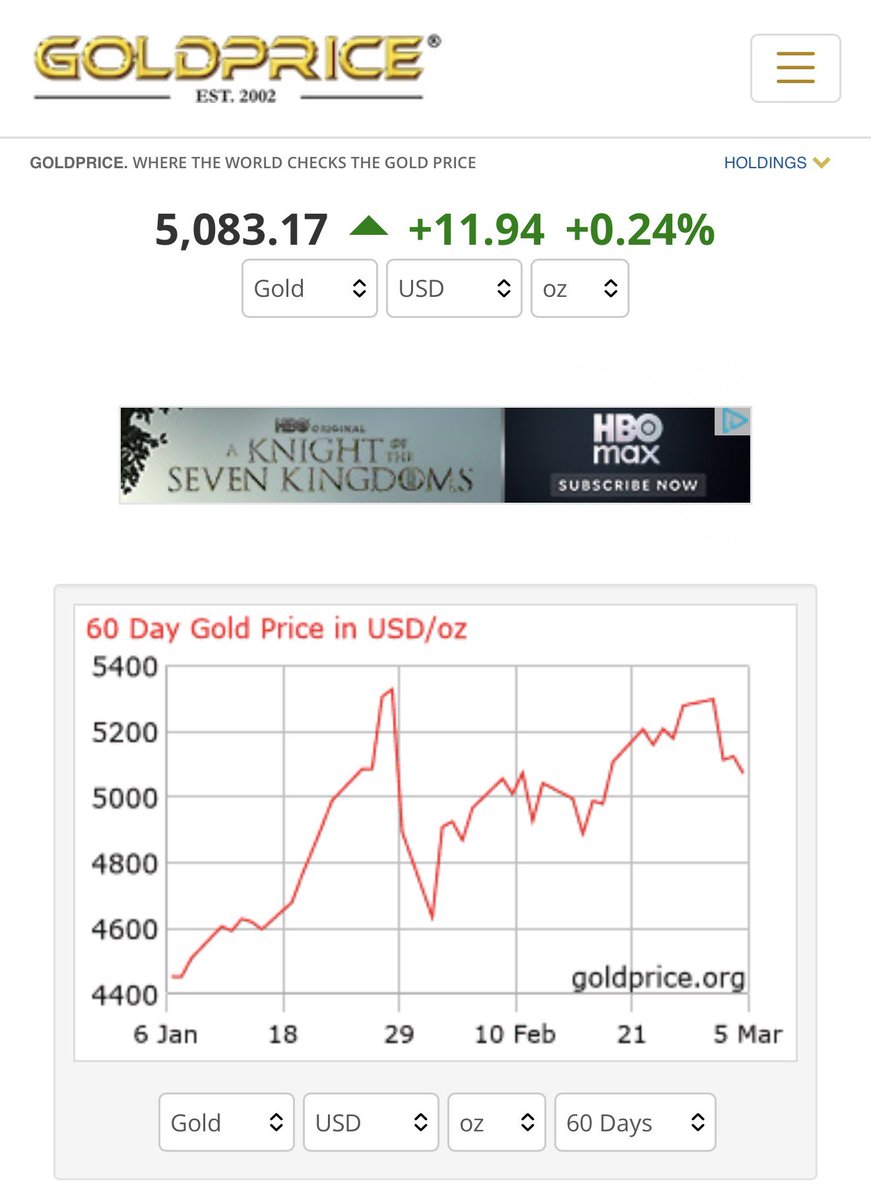
On February 28, when US-Israeli strikes killed Khamenei, closed Hormuz, and destroyed twenty Iranian warships in forty-eight hours, gold spiked to an intraday high of $5,390. By March 4, six days into the largest Middle East military campaign since the Gulf War, gold had dropped approximately 4 percent in a single session. It sits at $5,093 today. Net gain since escalation began: 2.3 percent. Brent crude surged 13 percent. Jet fuel gained 140 percent. Gold gained 2.3 percent.
The question every institutional investor is asking is why.
The answer is the dollar. When oil spikes 13 percent, the mechanism it activates first is not the safe-haven gold bid. It is the inflation expectation channel, which strengthens the dollar, which tightens real yields, which is the one macro environment where gold historically underperforms. The Fed faces its impossible trinity: oil-driven inflation demands rate hikes, growth shock demands rate cuts, war financing demands monetization. Markets read the inflation signal first and bought dollars. The dollar roared. Gold waited.
This is not gold failing. This is gold being temporarily outbid by the dollar in the first phase of an inflation shock. These two phases have played out in sequence in every major energy-driven geopolitical crisis: phase one, dollar strengthens on inflation expectations; phase two, when the sustained economic damage becomes visible and recession probability rises, the dollar weakens and gold surges because the market shifts from pricing inflation to pricing monetary debasement. In 1973 the second phase took roughly six months and produced gold gains of 73 percent. In 2022 Russia-Ukraine it was compressed because the war was geographically contained and the Fed moved fast. In 2026 the relevant question is whether the war duration extends into the second phase window.
Goldman Sachs has already moved. Their end-2026 gold target is $6,300, conditioned on prolonged Hormuz disruption. The probability architecture built from eight days of evidence suggests a 50 percent probability of a one-to-three month conflict. If Goldman’s scenario is correct, the current $5,093 level represents a $1,207 gap between today’s price and year-end target that the market has not yet priced. That gap exists because the market is still betting on a short war. The evidence is betting on a long one.
The $5,000 support level is the number every technical trader is watching. The market is currently defending it. If it holds through the Fed’s March 18 meeting and the UN Security Council session on March 10, the base for the second phase move is intact.
Gold reached $5,062 on February 20, before this war. Thesis Seven predicted $5,000 by Q2. It arrived four months early. The war that arrived February 28 did not create this gold move. It inherited a gold price already priced for civilizational insurance and added a geopolitical premium that is still settling into its correct value.
At $5,093 with Goldman at $6,300, with the Fed paralyzed, with Hormuz closed, with the Israeli Finance Ministry absorbing 9.4 billion shekels per week, and with the dollar’s inflation-driven strength carrying a self-limiting fuse, the gap between what gold is priced at today and what the evidence says it should be priced at is the temporal arbitrage that resolves when the market finishes pricing a short war and starts pricing the one actually being fought.
https://t.co/ULBgEzZ3A8
We need to talk about money — what it is, how it works, and what its value is.
When it comes to gold, some people view it as a commodity to speculate on. But it’s so much more than that. It’s the second largest reserve currency in the world. And it’s an important hedge against risks to fiat currencies.
Interesting that Lu Qiyuan (卢麒元), a well-known Chinese economist, financial commentator, and former investment banker openly talked about the possibility of $20,000 USD/Troy Ounce physical #Gold backing a digital currency of a “country” that has 50,000 metric tons of physical #Gold reserves…
#Gold #Silver
Eric Yeung: 🇨🇳 CHINA'S BRILLIANT MOVE ON GOLD
The Gold Shakeup: New Tax Rules
✅ Objective: Concentrate ALL gold liquidity through the Shanghai Gold Exchange (SGE).
✅ Before: A messy system where recycled gold avoided VAT, undercutting official channels.
✅ Now: The ONLY way to get VAT-exempt gold is through the SGE.
➡️ Result: Liquidity is being vacuumed out of the OTC market and into the SGE. Trading volume is projected to jump from 60% to 80% of all Chinese gold trade.
The Ramification: Squeezing the West
✅ SGE has a ~70% physical withdrawal rate. COMEX is less than 10%.
✅ In 2024, over 1,400 metric tons of gold were physically withdrawn from the SGE. That's roughly the entire reported COMEX vault inventory.
✅ China is inviting central banks (like Cambodia) to store their gold in SGE vaults, building trust and moving the global center of gravity East.
The Silver Hammer: Export Controls
✅ Starting Jan 2026, China is imposing export controls (review & quota process) on silver.
✅ This is a de facto ban on shipping silver to the LBMA.
✅ Silver is now a STRATEGIC METAL for China. They are hoarding for their industrial and technological future.
The Bottom Line: China is systematically rewiring the global precious metals market. They are centralizing gold liquidity in Shanghai and locking down their silver supply. This will drain physical metal from the West, exposing paper markets and accelerating the East's financial dominance.
HT @KingKong9888@thesiriusreport
#Gold #Silver #China #SGE #COMEX #LBMA #Markets #Finance
Physical gold BUYING has gone apocalyptic:
Gold inventories in the 3 largest COMEX gold vaults just surged by 15 MILLION ounces in 2 months.
That's a +115% increase, putting physical gold holdings ABOVE 2020 pandemic levels.
What is happening? Let us explain.
(a thread)
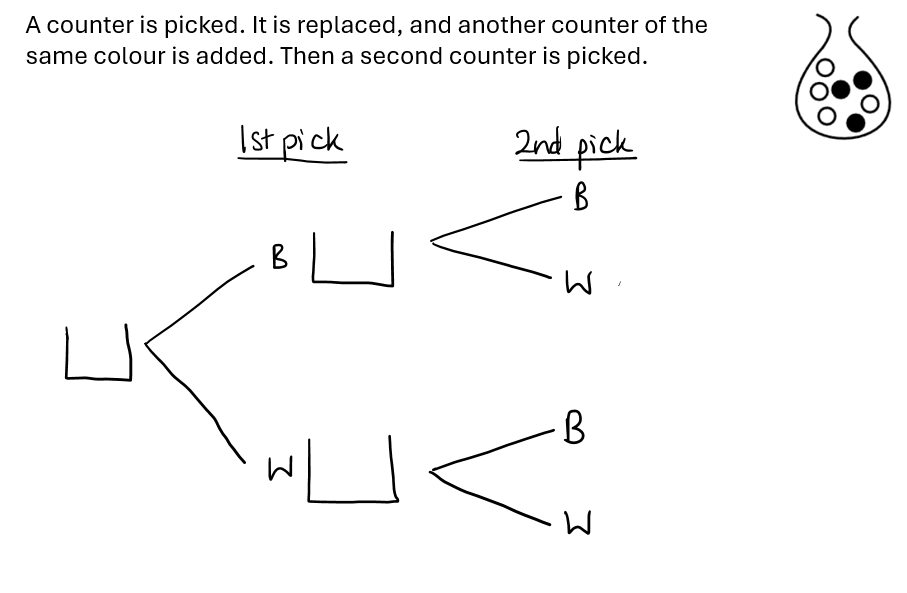
Tree diagrams with Y10. I've been making them draw out what's in the bag/box/biscuit tin at each stage, which has hugely increased their success rate.
Unexpectedly, the part they find hardest seems to be properly identitying the two events (ie the headings).
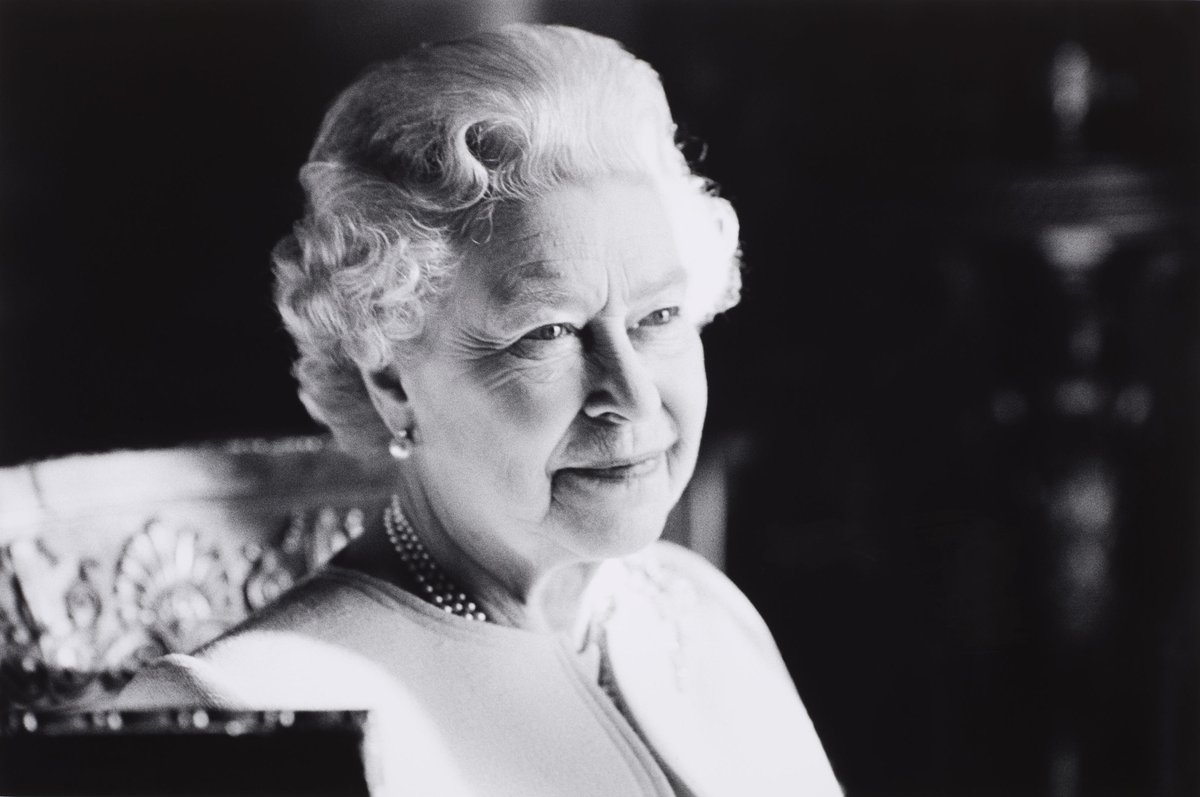
The Queen died peacefully at Balmoral this afternoon.
The King and The Queen Consort will remain at Balmoral this evening and will return to London tomorrow.
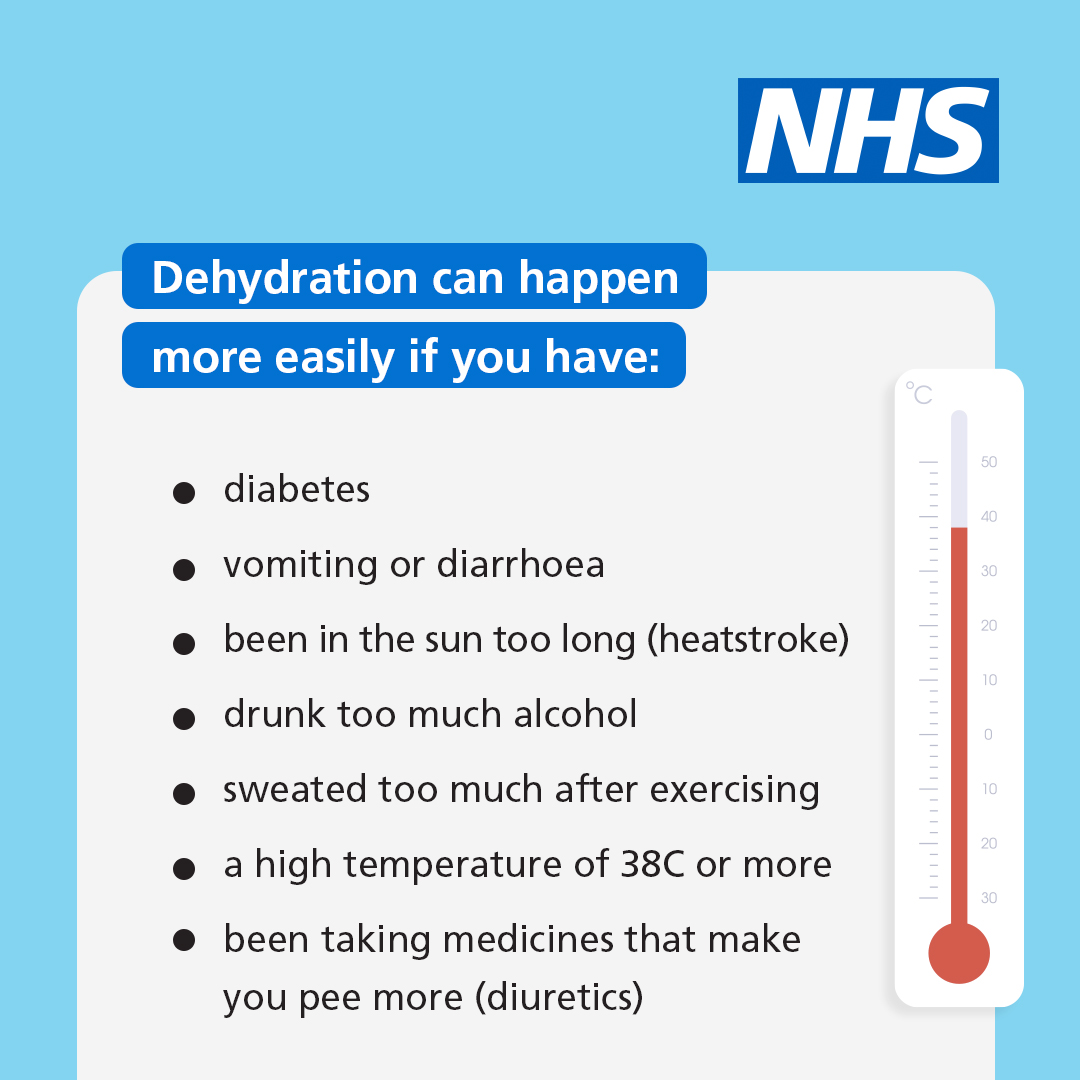
We're expecting high temperatures for the next few days. Hot and humid weather can increase your risk of dehydration.
Drink fluids when you feel any dehydration symptoms. You should drink enough during the day so your pee is a pale clear colour.
Info: https://t.co/XHsCKPf76O
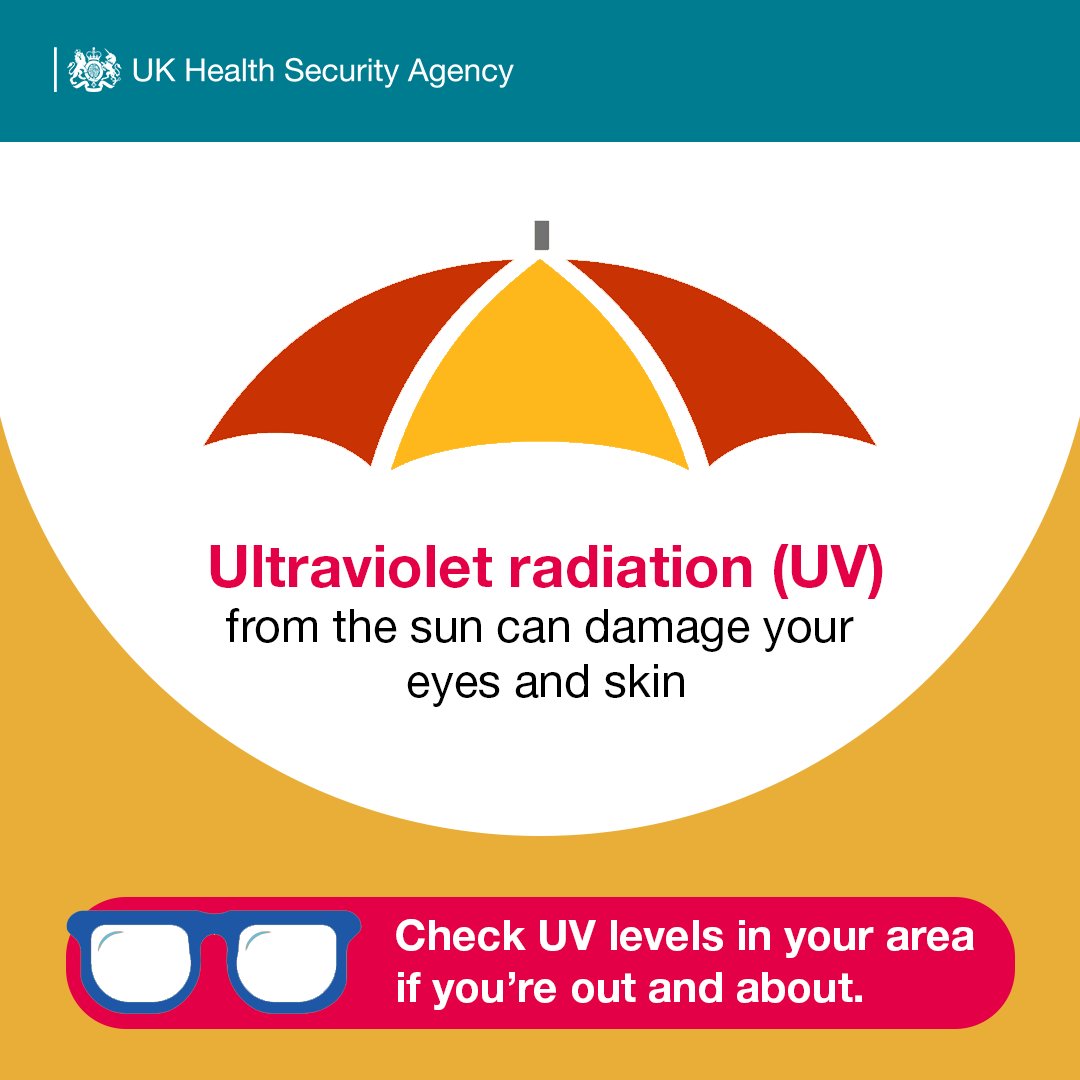
UV Levels are usually at their strongest during the hours of 11am and 3pm.
Check the UV levels in your area if you are out and about.
Stay #WeatherAware
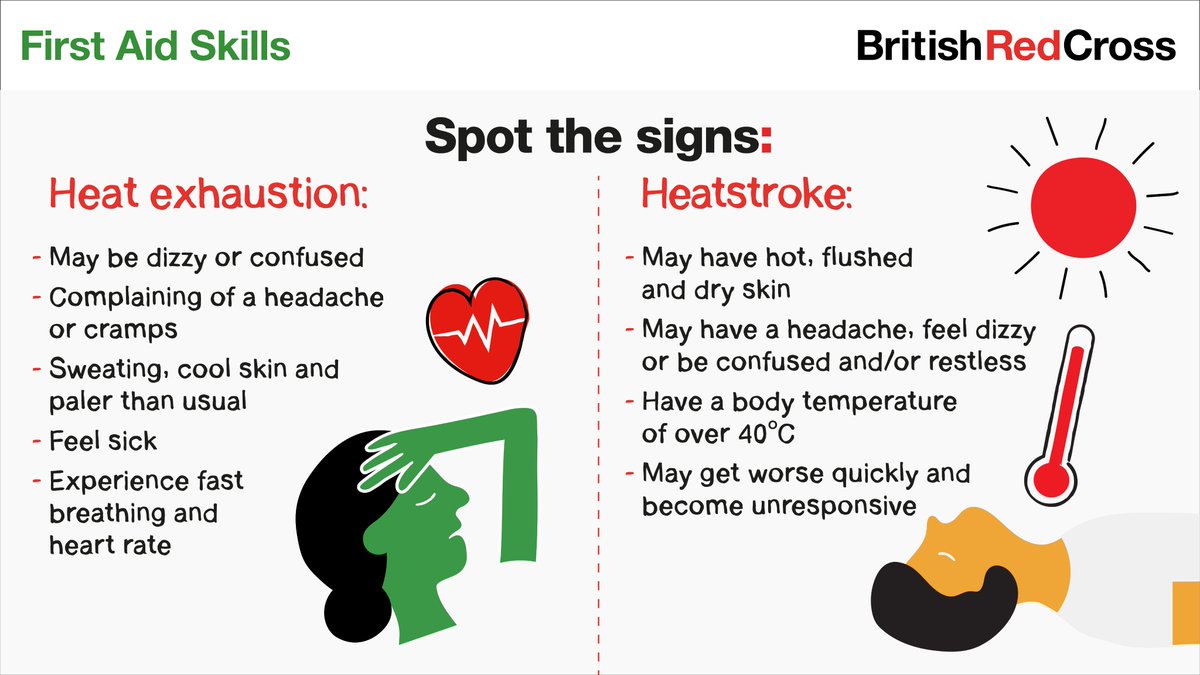
Learn how to spot the signs of heat exhaustion vs. heat stroke, and stay safe in the #heatwave.
Remember to keep cool, stay hydrated and call 999 if their condition gets worse.
Those who know me are surprised that I am a committed Christian. If they’d read as many physics books as I have, they may be less so. As a Christian I am morally obliged to share this. I have my opinion about the content, you are free to form yours. https://t.co/907oqzl4gt
As a microbiologist and a medical Dr, I would not administer a Genetic Vaccine to a healthy animal, never mind a healthy human being.
Here's my most recent article and it explains why:
Please support Cassandra Voices.
https://t.co/qaNltNNFum
We’re pleased to announce that our short self-study course for A level Mathematics students, 'Introduction to Data Science', is now freely available on our website!
Find out more and access the course 👉 https://t.co/X5QenOCehJ