the highest demand current use cases. Its possible that monetary authorities issue their CBDC on multiple networks - perhaps a mix of both public and private - however this is a multifaceted decision with complex technological and legal ramifications and tradeoffs.
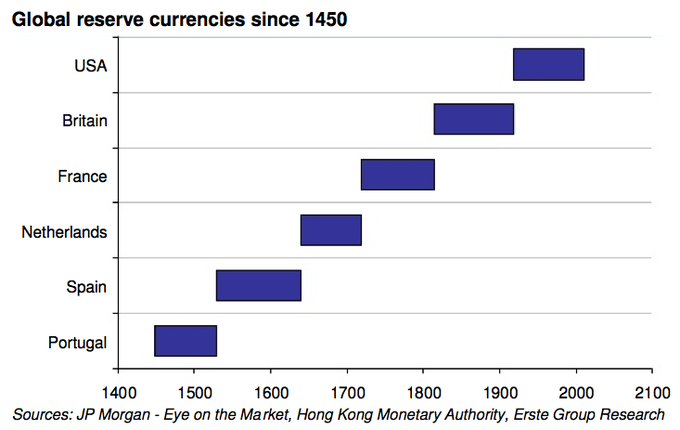
Reserve currency status usually lasts about 100 years...
1. Portugal
2. Spain
3. Netherlands
4. France
5. Britain
Current: USA
Next: IMF via special drawing rights? 🤔
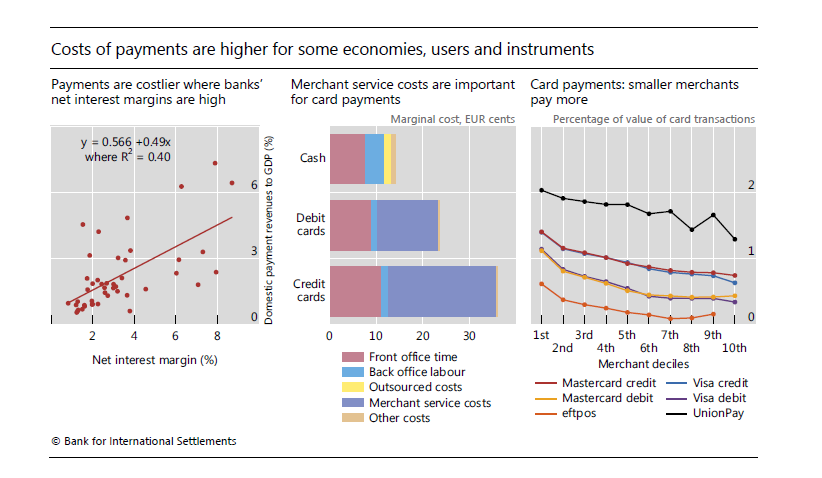
#Payments remain costly in some economies, and for some instruments and users. Central banks can help drive lower costs through competition and innovation #DigitalPayments#CentralBanks https://t.co/kZgUChmpTV
4M shares of digital security OSTKO are eligible to trade on #keiretsu company @tZERO's ATS following yesterday’s successful dividend issuance by @Overstock. via @robertanzalon15 $OSTK https://t.co/gUB47fkRaW
Super interesting move for Facebook's #Libra -
"Moreover, our hope is that as central banks develop central bank digital currencies (CBDCs), these #CBDCs could be directly integrated with the Libra network, removing the need for Libra Networks to manage the associated Reserves..
I was thankful to #Facebook when they released the first Libra whitepaper because it signalled to Central Banks that the tech exists to enable seamless, cost-effective national currency networks, and massive opportunities in connecting those networks for cross border payments.
"Creating a #DigitalDollar needs to be done carefully, thoughtfully & deliberately in a way that supports the critical monetary and public policy imperatives of the public sector with the knowhow, ingenuity and project management skills of the private sector."