The Roman scutum — protection, weapon and part of the legion’s fighting system.
Seeing one full-size makes you appreciate what Roman soldiers carried and fought behind.
Thanks to Ermine Street Guard at the Birdlip Roman History Festival.
#RomanBritain#RomanHistory#Scutum
🐾 Did you know?
Cats typically sleep 12–16 hours a day. 😴🐱
All that rest helps conserve energy for short bursts of activity.
Or, as cat owners know them: 3am zoomies. 😂
#CatFacts#CatVisitor#Cats
#SimonGardnerAuthor
X
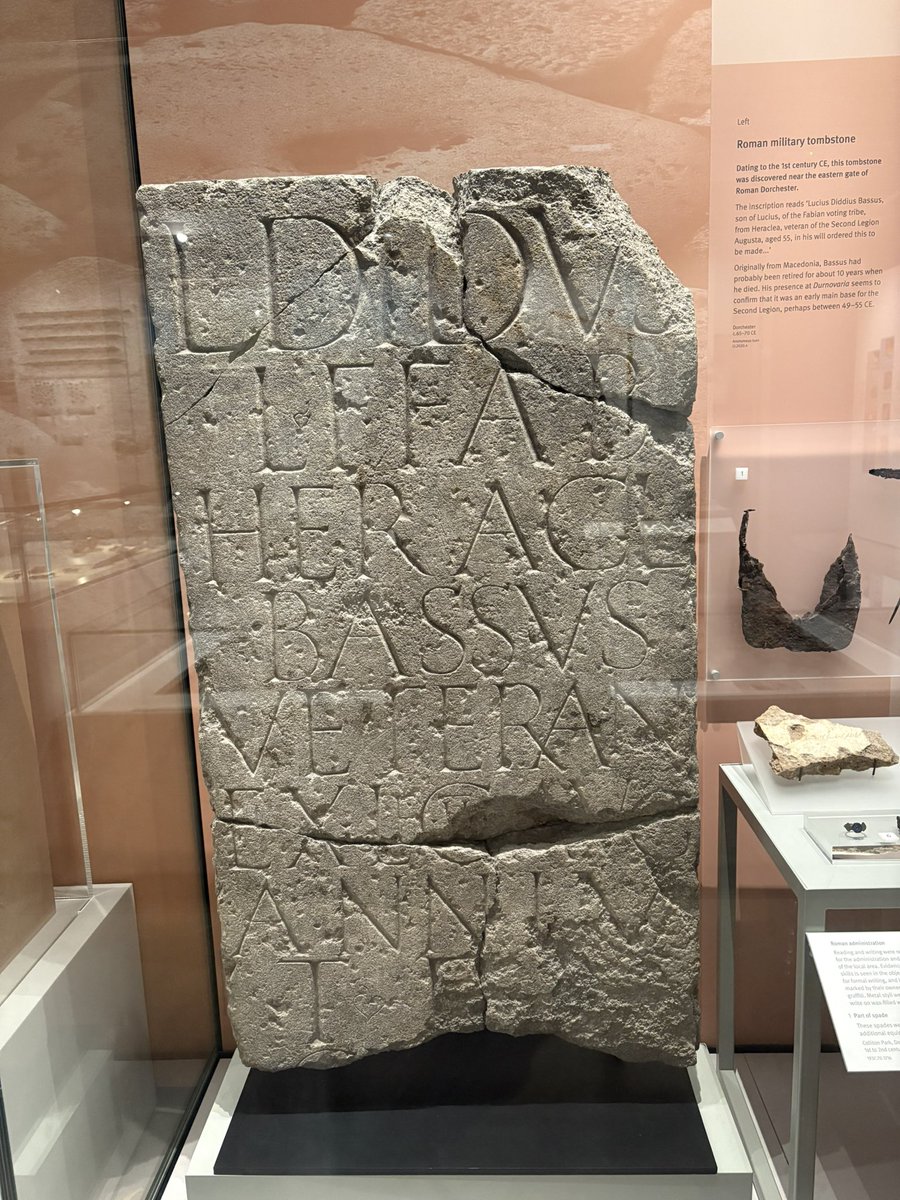
A real soldier of Legio II Augusta.
Lucius Diddius Bassus came from Macedonia, served in the Second Legion Augusta and died aged 55.
Nearly 2,000 years later, we still know his name.
Photographed at @dorsetmuseum.
#RomanBritain#LegioIIAugusta
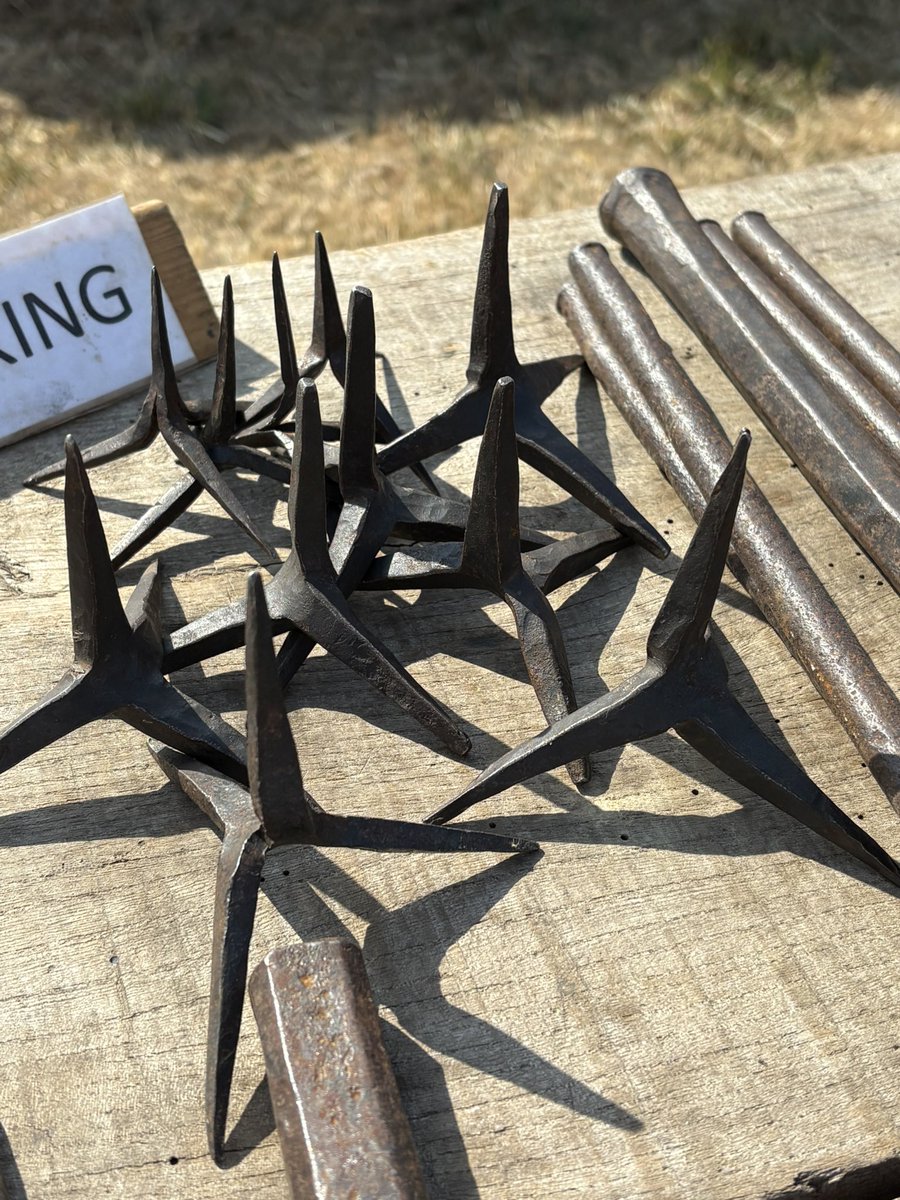
Simple. Brutal. Effective.
Roman caltrops — tribuli. However they landed, one iron point faced upwards.
Imagine meeting these hidden in the grass during an attack.
Thanks to Ermine Street Guard at Birdlip.
#RomanBritain#RomanHistory#LegioIIAugusta
How much would you want to carry across Britannia?
Forget just the sword & shield. A Roman legionary had to get himself & his kit across the country before he could fight anyone.
How heavy do you reckon this was?
Thanks to Ermine Street Guard at Bibury Roman History Fair.
Not every Iron Age hillfort was a fortress waiting for Rome.
By AD 43, some remained in use, some had changed purpose — and many had already been abandoned.
What would the Romans find inside?
#RomanBritain#IronAge#HistoricalFiction
@nicola0852 Thank you kind of you 🙏 in answer to your question it just evolved , I love Roman Military always have but when they are fighting “my people “ felt like I had to give both sides at the ground level not the bigwigs , just the ordinary man and women 🤷♂️
It’s finally out.
The Island Beyond the Sea
Britannia, AD 43. Rome has crossed the sea.
Legio II Augusta. Invasion. Resistance. And the ordinary people caught between them.
Available now on Amazon Kindle and Kindle Unlimited.
#RomanBritain#HistoricalFiction#RomanHistory
We can’t give a weather forecast for the day
But evidence suggests Roman Britain exp a genmild climatic period — often called the Roman Warm Period.
doesn’t mean endless sunshine. Britain was still Britain: rain, storms and unpredictable weather were very much part of the pict.
What was the weather like when the Romans invaded Britain in AD 43?
We know Claudius sent four legions across the Channel — but what sort of Britain did they arrive in?
Was it colder than today? Wetter? Were the summers really as miserable as we imagine?