@Eric_Vergo How to tell me you don’t know anything about Mechanical Engineering without telling me you don’t know anything about Mechanical Engineering.
There are at least five people like him every year: raising money and building something because they believe “CAD sucks because it’s not [AI/crypto/multicore/current thing].”
I’m starting to see a pattern in these companies:
• The founding team knows nothing about the technical foundations of manufacturing software or computational geometry.
• The team has very little understanding of the real-world problems manufacturing companies actually face.
• The founders are convinced that every problem with CAD stems from a lack of "the current thing," and that by adding it, they will solve CAD once and for all.
• They believe that “CAD doesn’t have the current thing” is a unique strategic insight upon which you can build a company.
I understand why this happens. It’s easy to look at CAD and say, “This is very old-school; if it were modern, it would be better.” The problem is that "being old-school" isn't a problem manufacturing companies actually have.
Real problems in manufacturing stem from:
• Fragmented workflows and poor integrations.
• Issues that are simply byproducts of Boundary Representation (B-Rep) as a mathematical concept (precision, scalability, robustness).
• Supply chain management and internal communication bottlenecks.
• Slow decision-making, hiring, and training.
• Managing large assemblies
• Long lead times for running simulations
And a lot more.
Unfortunately, the "current hot tech" doesn't solve these issues. It’s easy to end up building a solution in search of a problem.
In this industry, there are only a few ways to compete:
1. Price: Not very powerful by itself.
2. Capability: A step-function improvement in what is possible to design and manufacture, rather than an incremental one.
3. Platform Shift: For example, SolidWorks taking PTC’s market share by building CAD specifically for Windows.
The catch: Competing on price often leads to an unsustainable business, especially given how R&D-heavy this industry is.
Competing on capability is extremely difficult using B-Reps, as almost every valuable workflow possible within that framework has been built over the last several decades.
Platform shifts are rare and don't always fit the medium -
CAD on smartphones did not happen. It’s debatable whether LLMs represent a true platform shift, but if they do, they must provide a dramatic leap in capability. We haven't seen that yet. I believe AI in manufacturing will be huge, but it won’t be "Text-to-CAD."
As a founder in CAD, you must answer one simple question: “What will be possible to design and manufacture with my solution or what important workflows will be possible that are impossible today?”
If the answer is "the same things but incrementally better" it’s not going to cut it.
Introducing Perplexity Computer.
Computer unifies every current AI capability into one system.
It can research, design, code, deploy, and manage any project end-to-end.
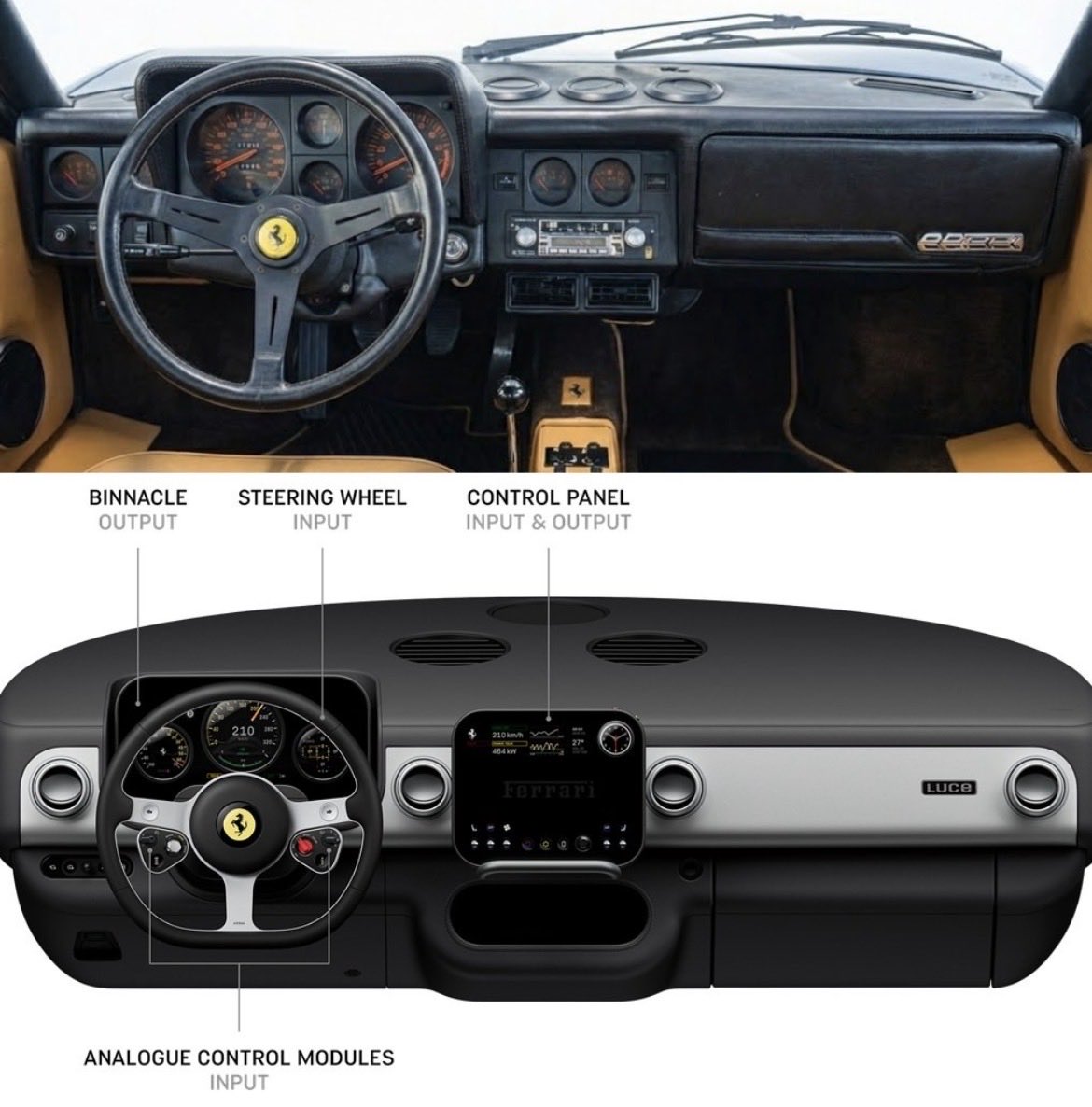
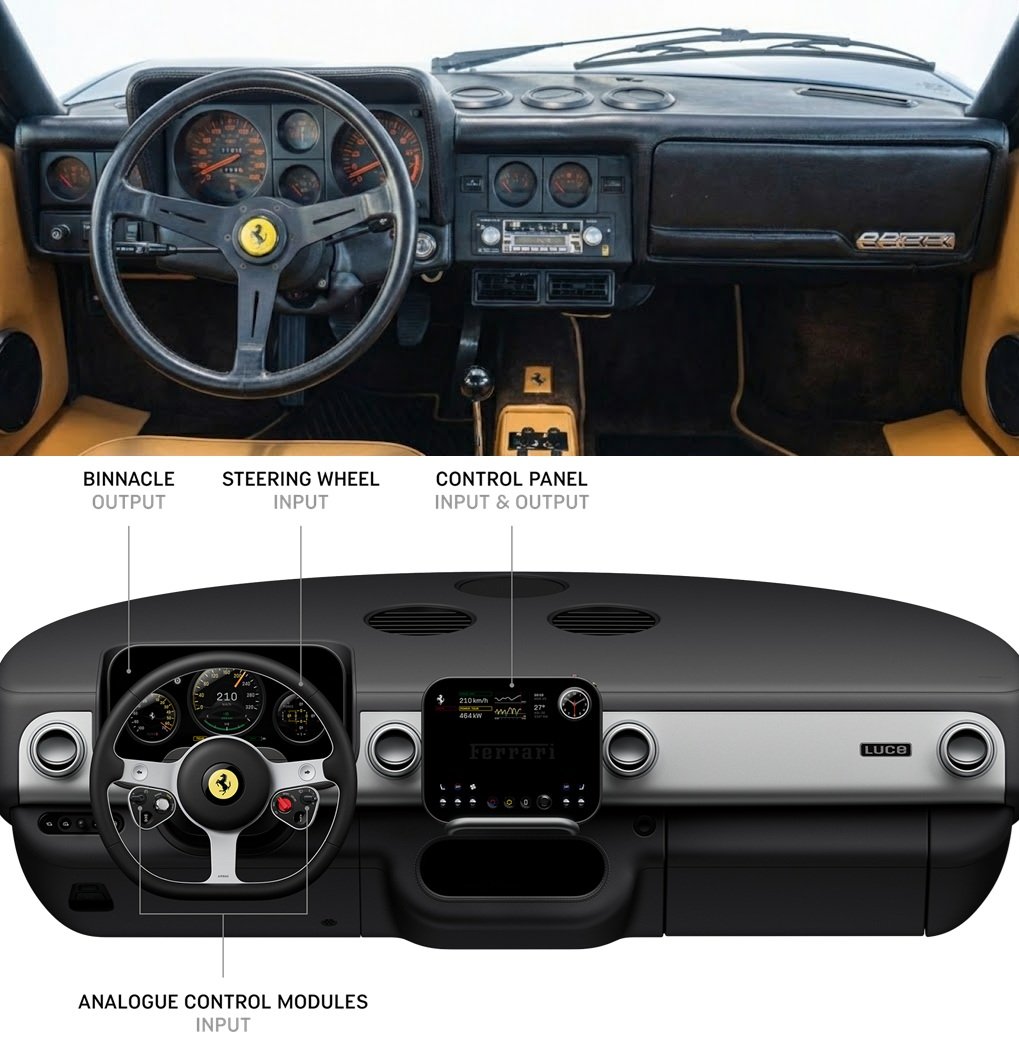
To all the people who for some reason want the inside of a Ferrari to keep looking like a mid-range gaming mouse, here's a historical comparison that may provide some context for recent design choices.